
20 lb Weight Loss Success? Real-Life Transformation Stories & Science-Backed Strategies
Losing 20 pounds represents a meaningful milestone in any weight loss journey. Whether you’re just starting or celebrating progress, understanding what a 20 lb transformation looks like can inspire and motivate your own health goals. This isn’t about crash dieting or unrealistic expectations—it’s about sustainable changes that deliver real, visible results that people notice and that genuinely improve your health markers.
A 20-pound weight loss can transform how you feel, look, and function in daily life. For many people, this amount of weight loss improves energy levels, reduces joint stress, enhances sleep quality, and boosts confidence. The before-and-after stories we see online represent real people making real changes through dedication, proper nutrition, and consistent effort. Let’s explore what achieves these transformations and how you can create your own success story.
Understanding 20 Pounds of Weight Loss
Twenty pounds might sound like a modest goal compared to larger transformations, but this amount of weight loss carries significant health implications. According to research from the CDC, even a 5-10% reduction in body weight can improve metabolic health, reduce disease risk, and enhance quality of life. For most people, 20 pounds represents approximately 5-10% of total body weight, positioning it as an optimal, sustainable target.
The visual impact of 20 pounds varies based on height, starting weight, and body composition. Someone who loses 20 pounds of pure fat will see more dramatic changes than someone who loses 20 pounds that includes muscle and water weight. This is why body composition matters more than the number on the scale alone. Understanding weight loss and metabolic syndrome understanding the connection helps clarify why focusing on healthy weight loss prevents metabolic damage.
The typical timeline for losing 20 pounds safely ranges from 5-10 months, depending on your starting point and chosen methods. A sustainable rate is 1-2 pounds per week, which requires a caloric deficit of 500-1,000 calories daily. This approach preserves muscle mass, maintains metabolic rate, and creates habits you can maintain long-term rather than temporary restrictions that lead to regain.
Real-Life Transformation Stories
Real people achieve 20-pound weight loss every day through commitment and smart strategies. These stories matter because they demonstrate that transformation is possible without extreme measures. One common pattern among successful people is that they don’t focus solely on the number—they focus on how their clothes fit, their energy levels, and their health markers improving.
Many transformation stories share similar foundations: identifying why weight gain happened, addressing emotional eating patterns, and implementing sustainable dietary changes. Some people discover that meal replacement shakes for weight loss provide structure and convenience, while others succeed through whole-food meal planning. The key is finding what aligns with your lifestyle and preferences.
Consider how celebrities like Jennifer Hudson weight loss journey demonstrates that significant transformations require professional support, consistency, and patience. While Hudson’s transformation was much larger, the principles remain the same: proper nutrition, regular exercise, accountability, and mental health support create lasting change. Her success reinforces that transformation is a marathon, not a sprint.
Personal stories also reveal that plateaus are normal and that the journey includes ups and downs. People who succeed view setbacks as learning opportunities rather than failures. They also emphasize that 20 pounds lost means different things at different body weights—losing 20 pounds when you weigh 150 is different than when you weigh 250, and both deserve celebration.
Nutrition Strategies That Work
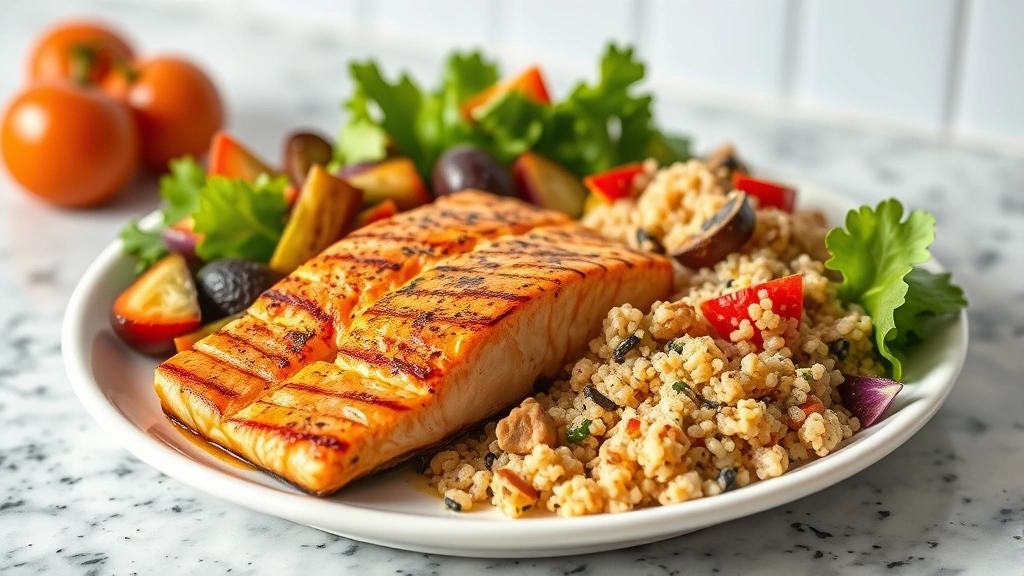
Sustainable nutrition forms the foundation of any successful 20-pound weight loss. Research from registered dietitians consistently shows that restrictive diets fail long-term, while flexible approaches that teach you how to eat better create lasting results. The most effective nutrition strategy is one you can maintain indefinitely.
Protein becomes crucial during weight loss because it preserves muscle mass, increases satiety, and has a higher thermic effect than carbohydrates or fats. Aiming for 0.7-1 gram of protein per pound of goal body weight helps maintain metabolic rate while creating the caloric deficit needed for fat loss. Quality protein sources include chicken, fish, eggs, Greek yogurt, legumes, and plant-based options.
Whole foods should comprise the majority of your intake. Vegetables provide volume and nutrients with minimal calories, allowing you to eat satisfying portions. Whole grains offer fiber that improves digestion and satiety. Healthy fats from avocados, nuts, and olive oil support hormone production and nutrient absorption. This balanced approach prevents the deprivation that leads to binge eating.
Many people find success with weight loss motivation quotes that remind them why they started, and they pair this mental support with practical nutrition tools like food journaling or meal planning apps. Tracking helps identify eating patterns and hidden calorie sources. Some people benefit from understanding portion sizes, while others do better with intuitive eating approaches once they develop awareness.
Hydration often gets overlooked but plays a vital role. Drinking adequate water improves metabolism, reduces hunger signals often confused with thirst, and supports every cellular function. Many successful weight losers report that increasing water intake while reducing sugary beverages contributed significantly to their results.
Exercise and Movement Plans
While nutrition drives weight loss, exercise accelerates results and provides health benefits beyond calorie burning. A comprehensive fitness approach combines resistance training, cardiovascular activity, and daily movement. Resistance training is particularly important because it preserves and builds muscle mass, which maintains metabolic rate even during caloric restriction.
Resistance training 3-4 times weekly using compound movements like squats, deadlifts, push-ups, and rows maximizes results. These exercises engage multiple muscle groups, burn calories during and after exercise, and create the metabolic boost that supports continued fat loss. You don’t need a gym—bodyweight exercises work effectively when performed consistently.
Cardiovascular activity supports heart health and increases caloric deficit. Walking, cycling, swimming, or dancing for 150 minutes weekly meets cardiovascular recommendations while being sustainable and enjoyable. The best cardio is what you’ll actually do consistently, so choosing activities you enjoy ensures adherence.
Daily movement beyond structured exercise matters tremendously. Taking stairs, parking farther away, standing during phone calls, and moving throughout the day creates significant caloric expenditure. Many successful weight losers find that increasing daily movement feels more sustainable than grueling gym sessions they dread.
Recovery and rest days are equally important. Adequate sleep improves hormone regulation, reduces cravings, and supports muscle recovery. Poor sleep increases cortisol, promoting fat storage and hunger. Aiming for 7-9 hours nightly supports your weight loss efforts as much as exercise does.
Health Benefits Beyond the Scale
The most meaningful changes from 20-pound weight loss often occur beyond what the scale shows. Understanding weight loss and blood pressure what you need to know reveals that even modest weight loss significantly improves cardiovascular health. Many people experience reduced blood pressure, improved cholesterol profiles, and better blood sugar control.
Energy levels typically improve dramatically. Carrying 20 fewer pounds reduces the stress on your joints and cardiovascular system, making daily activities feel easier. People report climbing stairs without breathlessness, playing with children or grandchildren more comfortably, and experiencing less fatigue throughout the day.
Sleep quality often improves as weight decreases. Excess weight can contribute to sleep apnea and sleep disruption. As you lose weight, breathing improves, sleep becomes deeper, and you wake more refreshed. Better sleep then supports continued weight loss through improved hormone regulation.
Mental health improvements frequently accompany physical transformation. Increased confidence, improved mood, reduced anxiety, and better self-image create a positive feedback loop. Achieving goals builds belief in your ability to accomplish other objectives. Many people find that weight loss motivation comes from these mental benefits as much as physical ones, making motivational quotes weight loss inspiration genuinely helpful during challenging moments.
Inflammation typically decreases with weight loss and improved nutrition. This reduces joint pain, improves skin clarity, and supports overall wellness. People often notice they feel better, move better, and experience fewer aches and pains.
Timeline and Realistic Expectations
Understanding realistic timelines prevents discouragement and supports long-term success. Losing 20 pounds at a safe rate of 1-2 pounds weekly requires 10-20 weeks minimum. However, most people take 5-10 months because weight loss isn’t perfectly linear—plateaus, fluctuations, and variations are completely normal.
The first 2-3 weeks often show faster results as you lose water weight and begin creating caloric deficit. Don’t expect this pace to continue. After initial water loss, you’ll lose fat at a more consistent but slower rate. This is healthy and sustainable. If you’re losing more than 2 pounds weekly consistently, you’re likely losing muscle along with fat, which isn’t optimal long-term.
Plateaus typically occur every 4-6 weeks and last 1-3 weeks. This happens because your body adapts to your current routine. Breaking through plateaus requires varying your exercise, adjusting calories slightly, or improving nutrition quality. Plateaus are not failures—they’re normal physiological responses indicating your body has adapted.
Progress isn’t always visible immediately. Before-and-after photos taken under the same conditions with 4-8 weeks between them show changes that daily mirrors might not reveal. Measurements, how clothes fit, and strength improvements often show change before the scale moves significantly.
Seasonal variations affect results. Many people lose weight more easily during certain times of year. Stress, sleep quality, hormonal cycles, and life circumstances all influence weight loss rate. Staying consistent regardless of pace matters more than obsessing over speed.

Common Mistakes to Avoid
Understanding common pitfalls helps you navigate your journey successfully. The biggest mistake is pursuing unsustainable approaches for fast results. Extreme calorie restriction, cutting entire food groups, or exercising excessively creates burnout and regain. Sustainable approaches might seem slower initially but create permanent change.
Ignoring hunger signals leads to binge eating and diet abandonment. If you’re constantly hungry, your caloric deficit is too aggressive or your nutrition isn’t balanced. Adequate protein, healthy fats, and fiber keep you satisfied. Hunger is information—listen to it and adjust your approach.
Focusing exclusively on the scale ignores important progress. Weight fluctuates daily based on hydration, sodium, hormones, and digestion. Weighing daily creates unnecessary stress. Weighing weekly and tracking other metrics like measurements, photos, and how clothes fit provides better perspective.
Not addressing emotional eating ensures weight regain. Many people eat for comfort, stress relief, or boredom rather than hunger. Identifying your eating triggers and developing alternative coping strategies ensures lasting success. Professional support from therapists or counselors helps if emotional eating is significant.
Neglecting strength training means losing muscle along with fat. This slows metabolism and makes maintaining weight loss harder long-term. Include resistance training consistently to preserve metabolic rate.
Comparing your journey to others creates discouragement. Everyone’s body, starting point, genetics, and circumstances differ. Your timeline is your timeline. Celebrate your progress without measuring it against others’ results.
FAQ
How long does it realistically take to lose 20 pounds?
Most people lose 20 pounds in 5-10 months following a sustainable approach of 1-2 pounds weekly. Faster loss often includes water and muscle rather than pure fat. The timeline depends on your starting weight, caloric deficit, exercise consistency, and individual metabolism. Patience ensures you maintain results long-term.
Will I have loose skin after losing 20 pounds?
Loose skin depends on age, genetics, starting weight, and how quickly you lose weight. Younger people typically have more skin elasticity. Most people losing 20 pounds don’t experience significant loose skin, especially if they incorporate strength training and lose gradually. Staying hydrated and moisturizing helps skin health during weight loss.
Can I lose 20 pounds without exercising?
Weight loss is primarily driven by caloric deficit, which you can create through nutrition alone. However, exercise provides metabolic benefits, preserves muscle mass, improves health markers, and makes maintaining results easier. A combination of nutrition and exercise produces better results than either alone.
What’s the best diet for losing 20 pounds?
The best diet is one you can maintain consistently. Whether you choose low-carb, Mediterranean, plant-based, or balanced approaches matters less than adherence. Focus on whole foods, adequate protein, plenty of vegetables, and a caloric deficit you can sustain. Work with a registered dietitian for personalized guidance.
How do I prevent regaining 20 pounds after losing it?
Preventing regain requires maintaining the habits that created loss. Continue eating nutritious whole foods, exercising regularly, and monitoring your weight. Don’t return to previous eating patterns. Many people find that the lifestyle changes become natural after several months, making maintenance easier than the initial loss phase.