
3-Ingredient Banana Recipe for Weight Loss Success: Simple, Delicious, and Effective
Finding healthy recipes that support your weight loss journey doesn’t require complicated ingredients or hours in the kitchen. This simple yet powerful 3-ingredient banana recipe proves that effective nutrition can be both accessible and enjoyable. Whether you’re looking for a quick breakfast option, a satisfying snack, or a guilt-free dessert, this recipe delivers on taste and nutritional value—making it an ideal addition to any weight management plan.
Bananas are nutritional powerhouses for anyone pursuing weight loss. They’re rich in resistant starch when slightly unripe, contain filling fiber that promotes satiety, and provide essential potassium for muscle function and metabolic health. Combined with just two other simple ingredients, this recipe creates a nutrient-dense food that supports your wellness goals while keeping preparation time minimal. Let’s explore how this straightforward recipe can become a cornerstone of your sustainable weight loss strategy.
Why Bananas Are Perfect for Weight Loss
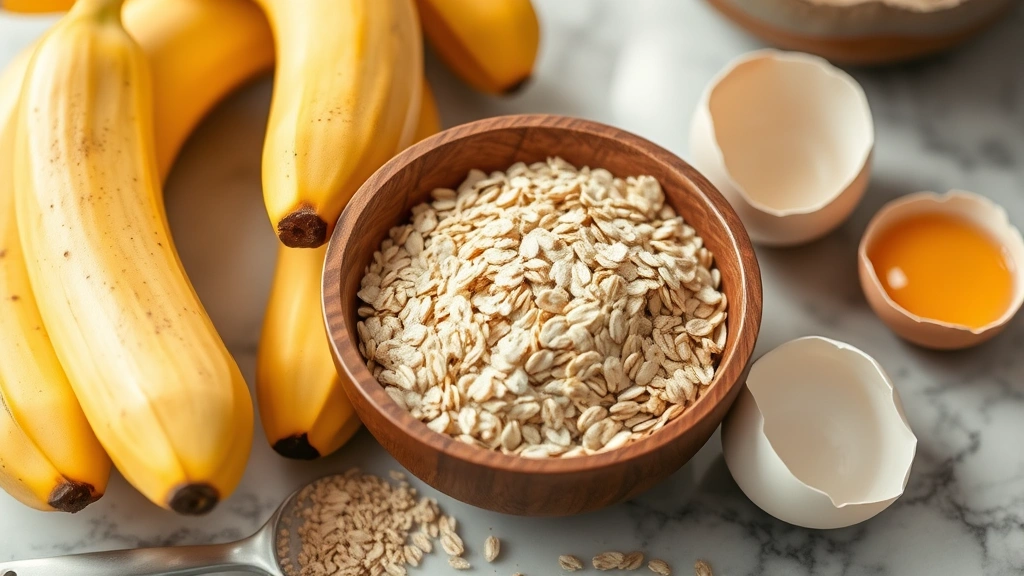
Bananas often get unfairly criticized in weight loss communities, but scientific evidence supports their inclusion in a balanced, calorie-conscious diet. A medium banana contains approximately 105 calories and 27 grams of carbohydrates, making it a reasonable choice when portion-controlled. The key advantage lies in their composition: bananas are approximately 75% water by weight and contain nearly 3 grams of dietary fiber per medium fruit.
This fiber content is crucial for weight management because it slows gastric emptying, meaning food stays in your stomach longer, promoting feelings of fullness and reducing overall calorie intake throughout the day. The resistant starch found in slightly underripe bananas acts similarly to dietary fiber, feeding beneficial gut bacteria and potentially enhancing metabolic health. Research published by registered dietitians emphasizes that fruits containing fiber and water—like bananas—are among the most satiating foods available, making them excellent for appetite control.
Additionally, bananas provide vitamin B6, vitamin C, and manganese, all essential micronutrients that support energy metabolism and immune function. The potassium content (about 422mg per medium banana) helps regulate fluid balance and supports proper muscle contraction during exercise—important factors in any comprehensive weight loss program. Unlike processed snacks, bananas offer real nutritional density alongside their natural sweetness, satisfying cravings without empty calories.
The 3-Ingredient Banana Recipe Explained
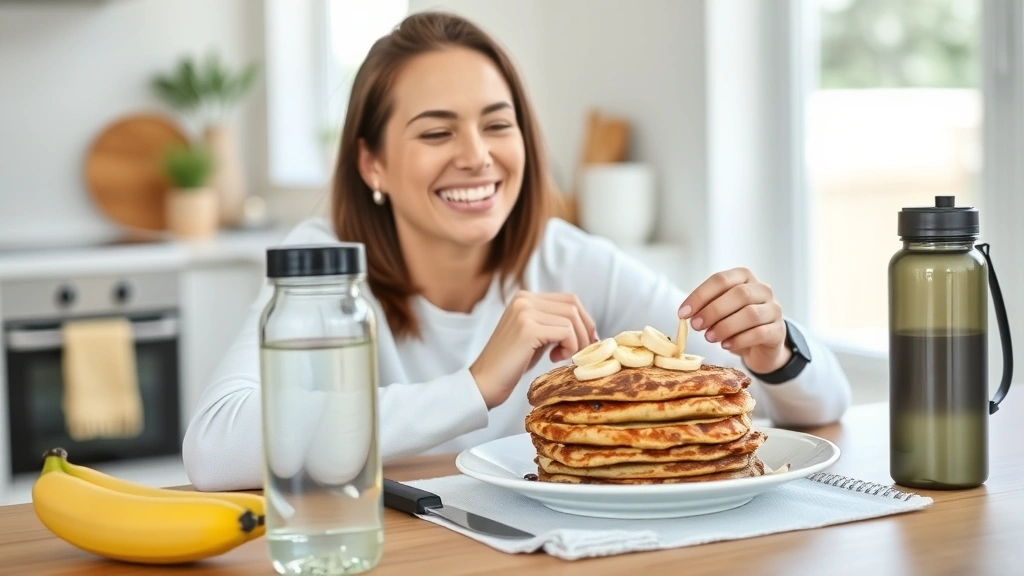
Simple Banana Oat Pancakes represent the ultimate intersection of simplicity and nutritional value. This recipe requires only three ingredients: ripe bananas, rolled oats, and eggs. Here’s what you need:
- 2 ripe bananas (provides natural sweetness and binding)
- ½ cup rolled oats (adds fiber and sustained energy)
- 2 large eggs (supplies complete protein)
The preparation method is remarkably straightforward. Simply combine all three ingredients in a blender and process until you achieve a smooth, pancake-batter consistency. Heat a non-stick skillet or griddle over medium heat, lightly spray with cooking spray or add a teaspoon of coconut oil, then pour the mixture into small pancakes. Cook for approximately 2-3 minutes per side until golden brown and cooked through. The entire process takes less than 10 minutes from start to finish.
What makes this recipe exceptional for weight loss is its macronutrient profile. The eggs provide complete protein with all nine essential amino acids, supporting muscle preservation during calorie restriction. Protein also has the highest thermic effect of all macronutrients, meaning your body burns more calories digesting it compared to carbohydrates or fats. The oats contribute complex carbohydrates and beta-glucan, a soluble fiber that significantly impacts satiety and cholesterol levels. The banana brings natural sweetness, eliminating the need for added sugars while providing additional fiber and micronutrients.
This recipe yields approximately 4-6 small pancakes, depending on size, with a total preparation serving of roughly 250-300 calories. The macronutrient distribution—approximately 35% protein, 50% carbohydrates, and 15% fat—aligns perfectly with recommendations from the Academy of Nutrition and Dietetics for sustainable weight loss nutrition.
Nutritional Benefits and Calorie Breakdown
Understanding the nutritional composition of this recipe helps you make informed decisions about portion sizes and meal planning. Breaking down each ingredient reveals why this combination works so effectively for weight management:
Banana (2 medium, approximately 210 calories): Beyond calories, bananas provide 54g carbohydrates, 6g fiber, and 2.6g protein. The fiber-to-calorie ratio is particularly favorable for satiety. Bananas also contain pectin, a fiber that may help regulate blood sugar levels and improve digestive health—important factors in sustainable weight loss.
Rolled Oats (½ cup dry, approximately 150 calories): Oats deliver 27g carbohydrates, 4g fiber, and 5g protein. They’re rich in beta-glucan, which research demonstrates can increase feelings of fullness and reduce subsequent calorie intake. Oats also support stable blood sugar levels, reducing cravings and energy crashes that often derail weight loss efforts.
Eggs (2 large, approximately 155 calories): Eggs provide 12g high-quality protein, all nine essential amino acids, and beneficial fats including choline, which supports brain health. The protein content is particularly important during weight loss to preserve lean muscle mass and maintain metabolic rate. Studies show that egg-based breakfasts result in greater satiety and reduced calorie intake at subsequent meals compared to carbohydrate-heavy breakfasts.
The combined recipe totals approximately 515 calories before cooking adjustments. However, this entire meal provides 23g protein, 87g carbohydrates, 16g fiber, and 6g fat—a nutritionally complete breakfast that covers 25-35% of most people’s daily caloric needs while delivering substantial satiety. When you calculate your daily calorie needs, this recipe fits comfortably into most weight loss plans targeting 1,500-2,000 daily calories.
How to Incorporate Into Your Daily Routine
The true power of this recipe lies in its versatility and ease of integration into various meal plans and schedules. Unlike complicated recipes requiring special equipment or ingredients, this banana recipe works within real-world constraints and busy lifestyles.
As a Breakfast Option: Serve these pancakes immediately after cooking while they’re warm, topped with Greek yogurt, berries, or a drizzle of raw almond butter. This combination provides additional protein and probiotics while keeping calories controlled. A typical breakfast serving (3 pancakes with toppings) delivers approximately 350-400 calories with 30g protein—ideal for jumpstarting metabolism and providing sustained energy throughout the morning.
As a Pre or Post-Workout Meal: The carbohydrate-to-protein ratio makes this recipe particularly valuable around exercise. Consuming it 1-2 hours before workouts provides readily available carbohydrates for energy, while eating it within 30 minutes post-workout supports muscle recovery and glycogen replenishment. The protein facilitates muscle protein synthesis, helping preserve and build lean mass during weight loss phases.
As a Snack or Light Dinner: Smaller portions (2 pancakes with 1 cup berries) create a satisfying 200-250 calorie snack that prevents overeating at subsequent meals. The fiber and protein combination promotes sustained fullness, making this ideal for afternoon energy crashes or light evening meals when caloric needs are lower.
To streamline your routine, prepare the batter in advance and refrigerate for up to 24 hours, cooking fresh pancakes each morning in minutes. Alternatively, cook a full batch and refrigerate or freeze cooked pancakes, reheating in a toaster or oven before serving. This meal-prep approach removes barriers to healthy eating and supports consistency—the most important factor in successful weight loss.
Variations and Customization Ideas
While the basic 3-ingredient recipe is exceptional, customization allows you to maintain interest, accommodate preferences, and adjust for different nutritional goals. Here are evidence-based variations that preserve the recipe’s weight loss benefits:
- Chocolate Version: Add 1 tablespoon unsweetened cocoa powder to the batter (+12 calories, +1g fiber). This satisfies chocolate cravings while adding antioxidants and compounds that may support cardiovascular health.
- Protein-Enhanced: Replace ¼ cup oats with ¼ cup vanilla protein powder (+120 calories, +20g protein). This variation is particularly valuable for those with high protein targets or significant muscle-building goals.
- Cinnamon Spice: Add 1 teaspoon cinnamon and ¼ teaspoon vanilla extract (negligible calories). Cinnamon may help regulate blood sugar and provides flavor complexity without calories, reducing the perception of dietary restriction.
- Berry-Infused: Fold ½ cup blueberries or raspberries into the batter (+40 calories, +4g fiber). Berries add antioxidants, fiber, and volume without significantly impacting calorie content, enhancing satiety further.
- Nut Butter Swirl: Drizzle cooked pancakes with 1 teaspoon almond or peanut butter (+95 calories, +3g protein). This adds satisfying fat and additional protein for sustained fullness.
Each variation maintains the fundamental benefit: whole-food ingredients, high satiety-to-calorie ratio, and nutritional density. The flexibility prevents dietary monotony, which is a primary reason people abandon weight loss plans. Rotating variations throughout the week keeps meals interesting while supporting consistent healthy choices.
Tracking Progress With Your New Recipe
Incorporating this recipe into your weight loss plan should be paired with systematic progress tracking. While the recipe itself is nutritionally sound, understanding how it contributes to your overall goals ensures optimal results. Tracking your progress effectively involves multiple metrics beyond the scale.
Begin by calculating your percent weight loss using a structured tool that accounts for starting weight. This percentage-based measurement is more meaningful than absolute numbers, as it reflects proportional changes in body composition. A 10-pound loss represents different progress for someone starting at 150 pounds versus 250 pounds.
Beyond weight, track metrics including energy levels, appetite control, workout performance, clothing fit, and how often you consume this recipe without cravings afterward. These qualitative measures often predict long-term success better than weight alone. Many people find that this recipe, in particular, reduces afternoon cravings and snacking impulses—a significant advantage for weight loss sustainability.
Consider using weight loss and fitness apps to log your meals and monitor macronutrient intake. Most apps allow you to save this recipe, automatically calculating nutritional values each time you log it. This removes guesswork and helps you understand whether you’re maintaining the caloric deficit necessary for weight loss while meeting protein and fiber targets.
Tips for Long-Term Success
A single recipe, regardless of how effective, isn’t sufficient for sustainable weight loss. However, recipes like this one become powerful tools when integrated into a comprehensive approach to nutrition and lifestyle. Here are evidence-based strategies for maximizing long-term success:
Build Sustainable Habits: Rather than viewing this recipe as a temporary weight loss tool, adopt it as a permanent part of your regular meal rotation. Sustainable weight loss requires permanent dietary changes, not temporary restrictions. If this recipe tastes good and fits your lifestyle, you’re more likely to maintain these eating patterns long-term.
Understand Your Caloric Needs: This recipe’s effectiveness depends on consuming it as part of an overall caloric deficit. Understanding your daily calorie needs ensures you’re not consuming excess calories despite eating healthy foods. Even nutritious recipes contribute to weight gain if total intake exceeds expenditure.
Prioritize Protein Consistently: The protein in this recipe is valuable, but consistent protein intake across all meals matters most. Aim for 25-35g protein per meal to maximize satiety and preserve muscle mass during weight loss. This recipe contributes meaningfully to this goal.
Plan for Long-Term Maintenance: As you approach your goal weight, planning strategies for maintaining weight loss becomes crucial. This recipe transitions seamlessly from weight loss to maintenance phases—simply adjust portion sizes or frequency based on changing caloric needs. The nutritional composition that supported loss will support maintenance equally well.
Consider Professional Guidance: While this recipe is nutritionally sound, individual needs vary based on age, activity level, health conditions, and genetic factors. Working with a weight loss coach or registered dietitian ensures your complete eating plan supports your specific goals and health profile. Professional guidance, combined with practical recipes like this one, dramatically increases success rates.
Stay Consistent: Research from the CDC’s nutrition and physical activity research emphasizes that consistency matters more than perfection. Eating this recipe regularly, even if other meals aren’t perfectly optimized, contributes meaningfully to weight loss. Aim for sustainable choices you can maintain indefinitely rather than extreme measures you’ll abandon within weeks.
FAQ
Can I use frozen bananas for this recipe?
Yes, frozen bananas work excellently and actually create a thicker, fluffier pancake batter. Thaw them first, then proceed as normal. Frozen bananas are equally nutritious and often less expensive, making them a practical option for meal planning.
How long can I store prepared pancakes?
Cooked pancakes refrigerate safely for 3-4 days in an airtight container. They freeze beautifully for up to 2 months. Reheat in a 350°F oven for 5-7 minutes or use a toaster on low setting. This makes batch cooking highly practical for busy schedules.
Will this recipe work for people with egg allergies?
You can substitute eggs with flax eggs (1 tablespoon ground flaxseed mixed with 3 tablespoons water per egg) or applesauce (¼ cup per egg), though the texture will be slightly different. These alternatives increase carbohydrate content while reducing protein, so adjust your meal plan accordingly.
Is this recipe suitable for diabetics?
This recipe is relatively low glycemic compared to traditional pancakes, but individuals with diabetes should monitor blood sugar responses individually. The fiber content helps moderate blood sugar impact, but consulting your healthcare provider about portion sizes ensures this recipe fits your specific diabetes management plan.
Can I add sweetener to enhance taste?
The bananas provide natural sweetness, but if you prefer additional sweetness, stevia or monk fruit sweetener add negligible calories without affecting blood sugar. Avoid added sugars, which undermine weight loss benefits and increase calorie content unnecessarily.
How does this recipe compare to store-bought weight loss products?
This whole-food recipe surpasses most commercial weight loss products in nutritional value, satiety, and long-term sustainability. Whole foods contain synergistic compounds and fiber that processed products often lack. Additionally, preparing your own meals costs significantly less while supporting better adherence due to improved taste and satisfaction.


