

40 lb Weight Loss Journey: Proven Strategies for Sustainable Results
Losing 40 pounds is a significant achievement that requires commitment, strategy, and realistic expectations. Whether you’re starting your weight loss journey or looking to break through a plateau, understanding the science behind sustainable fat loss can transform your approach. A 40 lb weight loss typically represents a meaningful health improvement, often resulting in reduced blood pressure, better blood sugar control, and increased energy levels.
The difference between temporary weight loss and lasting transformation lies in adopting evidence-based strategies that work with your body’s natural systems rather than against them. This comprehensive guide explores proven methods that have helped thousands achieve and maintain a 40 lb weight loss, from dietary approaches to lifestyle modifications backed by clinical research.
Understanding Caloric Deficit: The Foundation of Weight Loss
At its core, weight loss depends on creating a caloric deficit—consuming fewer calories than your body expends. To lose 40 pounds of fat, you need to create a cumulative deficit of approximately 140,000 calories, since one pound of body fat equals roughly 3,500 calories. This breaks down to losing 1-2 pounds weekly over 20-40 weeks, a pace supported by the CDC’s weight loss guidelines.
However, the caloric deficit alone doesn’t account for metabolic adaptation—your body’s tendency to reduce energy expenditure as calories decrease. This is why sustainable 40 lb weight loss requires more than simple calorie counting. Research from the American Society of Bariatric Physicians demonstrates that combining moderate caloric restriction with protein intake, strength training, and behavioral modification produces superior long-term results compared to diet alone.
Your basal metabolic rate (BMR) determines how many calories your body burns at rest. A 200-pound person might have a BMR of 1,800 calories daily. Creating a 500-calorie deficit through diet and exercise (consuming 1,500 calories while burning 2,000) results in approximately 1 pound of weight loss weekly. Understanding your individual BMR helps establish realistic timelines for your 40 lb weight loss goal.
Nutrition Strategies That Work for Lasting Results
Sustainable weight loss depends more on what you eat than on restrictive eating patterns. Focusing on whole, nutrient-dense foods naturally reduces overall calorie intake while improving satiety and nutritional status. Protein deserves special attention during weight loss because it preserves lean muscle mass, increases thermogenesis (calories burned during digestion), and reduces hunger hormones.
Aim for 0.8-1.2 grams of protein per pound of body weight during your 40 lb weight loss journey. This might mean incorporating protein shakes for weight loss as convenient meal replacements or snacks. Quality protein sources include fish, poultry, eggs, Greek yogurt, legumes, and plant-based options. Research published in the American Journal of Clinical Nutrition shows that higher protein intake during caloric restriction significantly improves body composition, preserving muscle while fat decreases.
Fiber intake becomes equally important. Aim for 25-35 grams daily from vegetables, fruits, whole grains, and legumes. Fiber slows gastric emptying, stabilizes blood sugar, and promotes feelings of fullness—all critical for maintaining a caloric deficit without constant hunger. A 40 lb weight loss typically becomes easier when you’re consuming foods that naturally satisfy appetite.
Healthy fats should comprise 20-35% of calories. Despite the outdated “low-fat” diet mentality, dietary fat doesn’t directly cause body fat gain. Fats slow digestion, support hormone production, and improve nutrient absorption. Include sources like avocados, nuts, seeds, olive oil, and fatty fish rich in omega-3 fatty acids.
Carbohydrate quality matters more than quantity. Refined carbohydrates (white bread, sugary drinks, processed snacks) spike blood sugar and provide minimal satiety. Complex carbohydrates (oats, brown rice, sweet potatoes, legumes) offer sustained energy and fiber. Timing carbohydrates around exercise sessions helps fuel workouts and supports recovery during your 40 lb weight loss phase.
Exercise and Movement: Building the Active Lifestyle
While diet creates the caloric deficit, exercise amplifies results and provides numerous health benefits beyond weight loss. A combination of cardiovascular exercise and resistance training produces optimal outcomes for a 40 lb weight loss transformation.
Resistance training (weights, bodyweight exercises, resistance bands) is non-negotiable. Strength training preserves and builds lean muscle mass, which increases resting metabolic rate and improves body composition. Aim for 2-3 sessions weekly targeting all major muscle groups. During a 40 lb weight loss, maintaining muscle ensures that most weight lost is fat rather than metabolically active tissue.
Cardiovascular exercise burns calories and supports cardiovascular health improvement. Aim for 150-300 minutes of moderate-intensity aerobic activity weekly. This might include brisk walking, cycling, swimming, or running. The key is consistency and choosing activities you genuinely enjoy—sustainability trumps perfection.
High-intensity interval training (HIIT) offers time-efficient calorie burning and metabolic benefits. Short bursts of maximal effort followed by recovery periods can be completed in 20-30 minutes and produce metabolic effects lasting hours post-exercise. However, HIIT should complement, not replace, steady-state cardio and strength training.
Non-exercise activity thermogenesis (NEAT)—calories burned through daily movement—significantly impacts total energy expenditure. Increasing NEAT through walking, standing, fidgeting, and occupational activity can burn 100-500 additional calories daily. During a 40 lb weight loss journey, prioritizing daily movement matters as much as structured exercise.
Intermittent Fasting: A Viable Approach for Some
Weight loss with intermittent fasting has gained significant attention as a potential tool for achieving a 40 lb weight loss. Intermittent fasting (IF) involves eating within specific time windows, with common protocols including 16:8 (16 hours fasting, 8-hour eating window) or 5:2 (eating normally 5 days, restricting calories 2 days weekly).
The mechanism behind IF’s effectiveness isn’t metabolic magic—it’s primarily behavioral. By restricting eating windows, many people naturally consume fewer calories without conscious restriction. IF may also improve insulin sensitivity, reduce inflammation, and promote cellular autophagy (cellular cleanup processes). However, research from the Academy of Nutrition and Dietetics shows that IF produces similar weight loss to continuous caloric restriction when total calorie intake is matched.
IF works best for people who genuinely prefer eating fewer, larger meals over frequent small meals. During your 40 lb weight loss journey, IF should align with your lifestyle and preferences. Some people thrive with IF; others find it unsustainable. The best approach is the one you’ll maintain long-term.
Important considerations: IF isn’t appropriate for everyone. Pregnant or breastfeeding women, individuals with diabetes, those with eating disorder histories, and certain medical conditions should consult healthcare providers before attempting IF. When implementing IF, ensure adequate nutrition during eating windows by prioritizing the whole foods and protein strategies discussed earlier.
Medical and Pharmaceutical Options for Weight Loss
For some individuals, medical interventions can facilitate a 40 lb weight loss alongside lifestyle modifications. These options range from prescription medications to newer peptide-based treatments. Understanding available options helps you have informed conversations with healthcare providers.
GLP-1 receptor agonists represent a breakthrough in pharmaceutical weight loss support. Originally developed for diabetes management, medications like semaglutide (Wegovy) have demonstrated significant weight loss efficacy. Wegovy weight loss before and after pictures showcase typical results—many users achieve 15-22% body weight reduction over 68 weeks. These medications work by increasing satiety signals, slowing gastric emptying, and potentially affecting appetite centers in the brain.
Best peptide for weight loss options continue expanding as research advances. Peptides like tirzepatide (Zepbound) offer dual GIP/GLP-1 receptor agonism, showing even greater weight loss than GLP-1 monotherapy in clinical trials. These medications represent legitimate tools for individuals struggling with weight loss through lifestyle modification alone, particularly those with obesity-related health conditions.
Traditional weight loss medications include phentermine (stimulant appetite suppressant) and phendimetrazine. These shorter-acting agents suit individuals needing temporary support during lifestyle transition. Longer-acting options like naltrexone/bupropion and orlistat (lipase inhibitor) offer alternatives with different mechanisms.
Important considerations: Pharmaceutical interventions work best combined with lifestyle modifications. A 40 lb weight loss achieved through medication alone, without addressing eating patterns and activity levels, often results in weight regain after discontinuation. The most successful outcomes combine medical support with the nutritional and exercise strategies outlined in this guide.
Behavioral and Psychological Factors in Weight Loss Success
Achieving a 40 lb weight loss requires addressing the psychological and behavioral patterns surrounding food, activity, and self-image. Weight loss isn’t purely mechanical; emotional eating, stress responses, and ingrained habits significantly impact outcomes.
Identifying eating triggers—whether emotional, environmental, or habitual—allows strategic intervention. Do you eat when stressed, bored, or tired? Does certain environments (work, home, car) trigger overeating? Does specific social situations derail your efforts? Awareness precedes change. Many successful individuals keep food and mood journals during their 40 lb weight loss journey, identifying patterns invisible without documentation.
Stress management directly impacts weight loss success. Chronic stress elevates cortisol, promoting visceral fat storage and increasing appetite. Implementing stress-reduction techniques—meditation, yoga, deep breathing, time in nature—supports weight loss and overall health. Motivational quotes for weight loss can reinforce commitment, but sustainable motivation develops from experiencing results and building new identity narratives around health.
Sleep profoundly affects weight loss. During inadequate sleep, ghrelin (hunger hormone) increases while leptin (satiety hormone) decreases, creating biological pressure toward overeating. Most adults require 7-9 hours nightly. Prioritizing sleep during your 40 lb weight loss journey often produces more impact than many people expect.
Building support systems increases success rates dramatically. Whether through friends, family, support groups, or professional coaching, accountability and shared experience matter. Research consistently shows that individuals with strong social support maintain weight loss better than those attempting solo transformation.
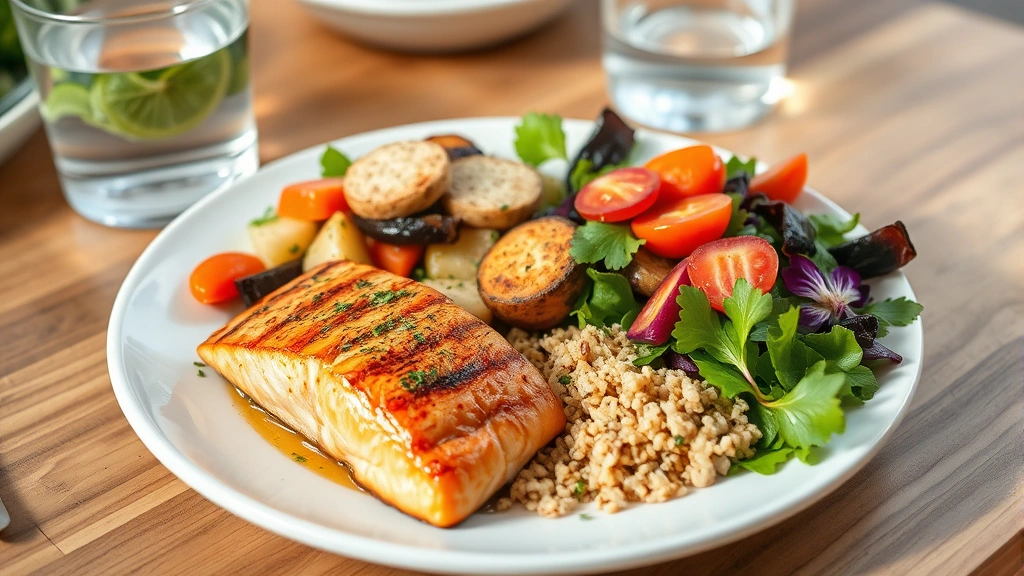
Reframing weight loss from deprivation to addition helps psychologically. Rather than focusing on foods eliminated, emphasize foods added: colorful vegetables, quality proteins, hydrating beverages. This positive psychology supports sustainable adherence during your 40 lb weight loss journey.
Monitoring Progress Effectively Beyond the Scale
While scale weight matters for a 40 lb weight loss goal, relying solely on daily weighing creates unnecessary stress and misses important progress indicators. Weight fluctuates 2-5 pounds daily due to water retention, food timing, hormonal cycles, and sodium intake. Focusing exclusively on scale weight often leads to discouragement during water retention phases, even when fat loss continues.
Implement multiple progress metrics: weekly weigh-ins (same day, same time, in consistent conditions), body measurements (waist, hips, chest, arms, thighs), clothing fit, progress photos, and performance metrics (strength improvements, increased cardio capacity, enhanced flexibility). During a 40 lb weight loss, you might notice inches lost before scale weight changes, or clothes fitting differently while weight plateaus.
Bioelectrical impedance analysis (BIA) scales estimate body composition, though accuracy varies. More precise measurements include DEXA scans or hydrostatic weighing, useful for tracking muscle preservation during your 40 lb weight loss. Some individuals benefit from quarterly professional measurements to confirm that weight loss represents fat loss rather than muscle loss.
Energy levels, mood improvements, blood work markers (cholesterol, triglycerides, fasting glucose, inflammation markers), and health improvements (reduced blood pressure, better sleep, improved joint pain) often matter more than scale numbers. A 40 lb weight loss producing these improvements represents genuine health transformation regardless of the specific pounds lost.
Tracking adherence to behaviors—days meeting protein targets, workout sessions completed, water intake, sleep hours—predicts weight loss success better than scale watching. During your 40 lb weight loss journey, focus on controlling inputs (what you eat, exercise completed, sleep achieved) and trust that appropriate outputs (weight loss) follow.

FAQ
How long does a 40 lb weight loss typically take?
At the recommended pace of 1-2 pounds weekly, a 40 lb weight loss takes 20-40 weeks (5-10 months). Individual timelines vary based on starting weight, age, metabolism, activity level, and dietary adherence. Faster weight loss often represents initial water weight loss rather than fat loss; sustainable fat loss typically ranges 1-2 pounds weekly.
Will I regain the weight after losing 40 pounds?
Weight regain depends entirely on whether you maintain the lifestyle changes supporting your 40 lb weight loss. If you return to previous eating and activity patterns, weight typically returns. However, research shows that people who maintain the habits developed during weight loss—adequate protein intake, regular exercise, behavioral awareness—successfully maintain their results long-term. Weight loss is a lifestyle change, not a temporary diet.
Is a 40 lb weight loss healthy and safe?
Yes, a 40 lb weight loss is typically very healthy, especially for individuals classified as overweight or obese. Most healthcare providers recommend weight loss at 1-2 pounds weekly using the strategies outlined here. Consult your healthcare provider before beginning any weight loss program, particularly if you have medical conditions, take medications, or have significant weight to lose.
Can I lose 40 pounds through diet alone without exercise?
Diet alone can produce a 40 lb weight loss, but adding exercise improves outcomes significantly. Exercise preserves muscle mass during weight loss, increases total energy expenditure, provides cardiovascular benefits, improves mental health, and increases weight loss success rates. While not absolutely required, exercise transforms a 40 lb weight loss from purely aesthetic to genuinely health-improving.
What’s the best diet for losing 40 pounds?
The best diet is one you’ll maintain consistently. Whether you choose low-carb, Mediterranean, plant-based, or balanced macronutrient approaches matters less than adherence. All successful 40 lb weight loss approaches share common elements: whole foods prioritized over processed options, adequate protein intake, regular physical activity, behavioral awareness, and caloric deficit. Choose an approach aligned with your preferences and lifestyle.
Should I use weight loss supplements during my 40 lb weight loss?
Most commercial weight loss supplements lack strong scientific support. Caffeine and green tea extract offer modest metabolic effects. Fiber supplements support satiety and digestive health. However, no supplement replaces the fundamentals: caloric deficit, whole food nutrition, exercise, and behavioral change. If considering supplements, discuss options with a registered dietitian to avoid interactions or ineffective products.
How do I prevent loose skin after losing 40 pounds?
Skin elasticity depends on genetics, age, hydration, and the pace of weight loss. Slower weight loss (1-2 pounds weekly rather than rapid loss) allows skin to adapt gradually. Adequate protein intake supports collagen production. Strength training builds underlying muscle, improving appearance. Sun protection prevents collagen breakdown. Most people experience minimal loose skin with moderate weight loss; significant loose skin primarily affects those losing 100+ pounds or those with poor initial skin elasticity due to age or genetics.