
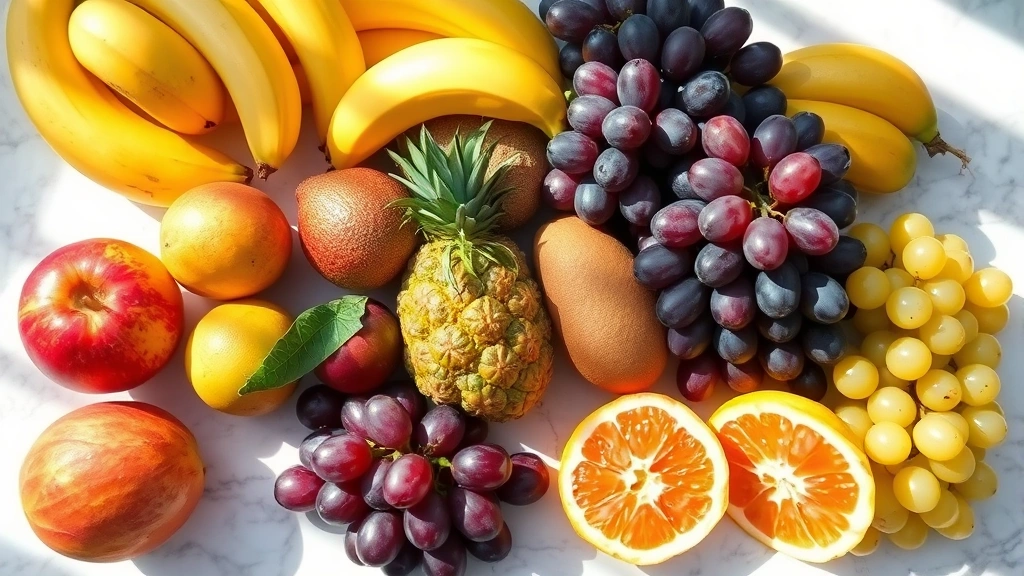
Avoid These Fruits for Weight Loss? Nutritionist Insight
When you’re working toward weight loss, fruit often gets placed on a pedestal as the ultimate healthy food. However, the reality is more nuanced. While fruits are packed with vitamins, minerals, and fiber, some varieties contain significantly higher amounts of natural sugars and calories that can work against your weight loss goals if consumed without intention. Understanding which fruits to approach with caution doesn’t mean eliminating them entirely—it means making informed choices that align with your personal nutrition strategy.
The conversation around fruit and weight loss isn’t about demonizing nature’s candy. Rather, it’s about portion control, timing, and selection. A registered dietitian would tell you that the best fruit for weight loss is the one you’ll actually eat consistently while maintaining a calorie deficit. However, certain fruits deliver more calories and sugar per serving than others, making them worth examining more closely if you’re tracking your intake carefully.
This guide explores five fruits that deserve your attention during a weight loss journey, explains why they warrant consideration, and provides practical strategies for including them mindfully in your diet.
Why Fruit Sugar Matters for Weight Loss
The sugar in fruit—primarily fructose, glucose, and sucrose—behaves differently in your body than refined sugar, but it still contributes calories to your daily intake. When you’re in a caloric deficit for weight loss, every calorie counts. A piece of fruit containing 150 calories represents a meaningful portion of your daily allowance, especially if you’re following a structured healthy meal plan for weight loss.
Fruit sugar enters your bloodstream relatively quickly, particularly when consumed without fiber or protein. While whole fruits contain fiber that slows sugar absorption, the glycemic load still matters. According to research published by the Academy of Nutrition and Dietetics, understanding fruit’s impact on blood sugar helps create more stable energy and reduces cravings that derail weight loss efforts.
The key distinction is that fruit isn’t “bad”—it’s simply calorie-dense relative to volume. A cup of berries contains roughly 80 calories, while a cup of grapes contains around 104 calories. Over time, these differences compound. Additionally, liquid calories from fruit juice bypass the satiety signals triggered by whole fruit consumption, making juice a particularly challenging choice during weight loss.
The Five Fruits to Approach Carefully
Understanding which fruits warrant careful portion control helps you make strategic choices aligned with your weight loss objectives. The following five fruits are worth examining more closely:
- Mango
- Banana
- Grapes
- Dried Fruits (raisins, dates, dried mango)
- Coconut
Each presents unique nutritional profiles and caloric considerations. Rather than avoiding them completely, the goal is consuming them purposefully.
Mango: Nature’s Sweet Treat
Mango earned its reputation as the “king of fruits,” but this tropical favorite packs approximately 100 calories and 23 grams of carbohydrates per cup of fresh fruit. A single medium mango contains around 135 calories and 31 grams of carbs—nearly equivalent to a full meal for someone following a low-carb approach.
The challenge with mango is its concentrated sweetness and the ease with which you can consume large quantities. Many people find it difficult to stop at one serving because of the fruit’s delicious flavor and smooth texture. Additionally, mango’s fructose content is higher than many other fruits, meaning your liver processes it differently than glucose from other sources.
If you enjoy mango, consider these strategies: measure your portion to one cup, pair it with protein like Greek yogurt or cottage cheese to slow sugar absorption, or enjoy it as an occasional treat rather than a daily staple. Frozen mango works well in smoothies where you can control portions more easily.
Banana: Calorie-Dense Convenience
Bananas occupy a complicated space in weight loss nutrition. A medium banana contains approximately 105 calories and 27 grams of carbohydrates, making it more calorie-dense than many alternatives. The fruit’s convenience and portability make it easy to consume multiple bananas without realizing the caloric accumulation.
What makes bananas particularly challenging is their starch content combined with natural sugars. As bananas ripen, their resistant starch converts to simple sugars, increasing their glycemic impact. A yellow banana affects blood sugar differently than a green one, though both contain similar calories.
Bananas do offer benefits: they’re rich in potassium, vitamin B6, and resistant starch (when slightly green), and they provide satiety due to their fiber content. The strategy isn’t elimination but rather moderation. If you enjoy bananas, limit yourself to one every few days, consume them earlier in the day when you’re more active, or slice them thinly into Greek yogurt rather than eating them whole.
Grapes: Small but Mighty in Calories
Grapes present a deceptive challenge. Because they’re small and sweet, it’s remarkably easy to consume an entire bowl without conscious awareness of portions. One cup of grapes contains approximately 104 calories and 27 grams of carbohydrates, with minimal fiber to provide satiety.
The problem intensifies when you consider that a typical serving size is often much larger than one cup. Research from obesity medicine associations suggests that the small, bite-sized nature of grapes makes them particularly prone to mindless consumption. Your brain doesn’t register the same satiety signal from eating 50 small grapes as it does from eating one larger piece of fruit.
If grapes appeal to you, pre-portion them into single servings immediately after purchase. Alternatively, freeze grapes to create a slower-eating experience that extends satisfaction. Pairing grapes with nuts or cheese slows sugar absorption and increases fullness.
Dried Fruits: Concentrated Sugar Bombs
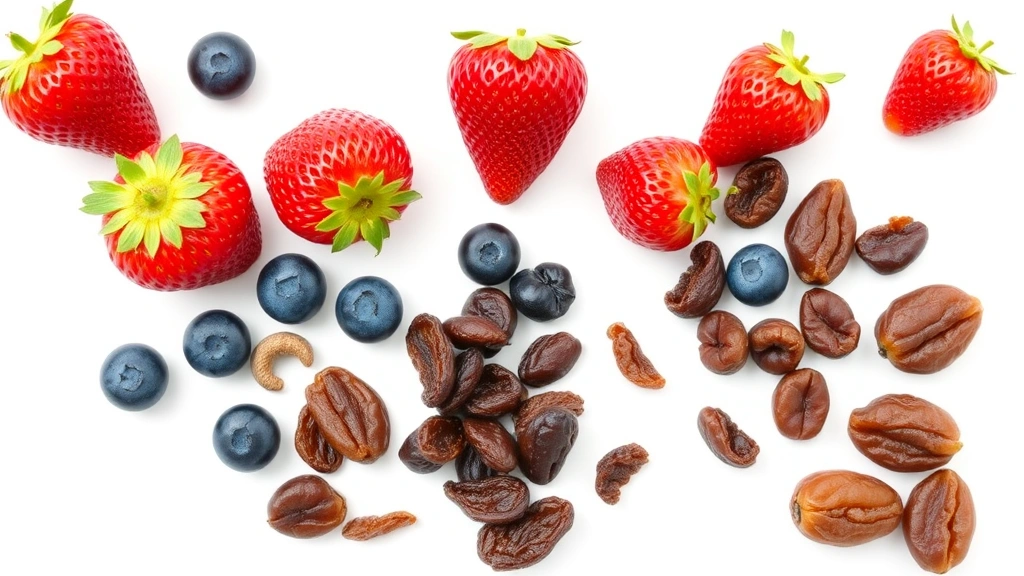
Dried fruits represent the most challenging category for weight loss. When water is removed from fruit, calories and sugars become concentrated. One-quarter cup of raisins contains approximately 120 calories and 32 grams of carbohydrates. Dates, dried mango, and dried cranberries present similar challenges.
A single date contains around 66 calories despite its small size. Because dried fruits are shelf-stable and require no refrigeration, they’re often kept as convenient snacks—leading to excessive consumption. Additionally, dried fruits often have added sugars and oils, further increasing caloric density.
The satiety issue intensifies with dried fruits. You could eat a cup of fresh grapes for 104 calories, but that same caloric amount in raisins would be roughly one-quarter cup—a portion that provides minimal fullness. If you enjoy dried fruits, reserve them for occasional use, measure portions carefully, or incorporate them into recipes where they’re distributed across multiple servings rather than eating them directly from the package.
Coconut: The Confusing Contender
Coconut presents a unique challenge because it’s technically a fruit yet behaves nutritionally like a fat source. Fresh coconut meat contains approximately 283 calories per 100 grams, with most calories coming from saturated fat. Shredded coconut is even more calorie-dense at around 660 calories per 100 grams.
The confusion around coconut stems from its marketing as a health food. While coconut oil contains medium-chain triglycerides (MCTs) that some research suggests may support metabolism, coconut remains very calorie-dense. Consuming coconut milk, coconut cream, or coconut oil in quantity can quickly exceed your caloric targets without providing significant satiety.
This doesn’t mean avoiding coconut entirely. Rather, use it as a flavoring agent rather than a primary food. Add small amounts of coconut milk to curries, use a tablespoon of shredded coconut as a topping, or enjoy coconut water (which is lower in calories than the meat) as an occasional beverage. Be particularly cautious with coconut oil, which contains 120 calories per tablespoon.
Smart Strategies for Fruit Consumption
Avoiding these five fruits entirely isn’t necessary or sustainable. Instead, implement these evidence-based strategies:
- Portion Control: Use your hand as a guide. A serving of fruit should roughly fit in your closed fist. Measure portions initially to develop accurate visual estimates.
- Timing Matters: Consume fruit earlier in the day when you’re more active. This allows your body to utilize the carbohydrates for energy rather than storing them.
- Pair with Protein: Combine fruit with protein sources like Greek yogurt, nuts, or cottage cheese. This dramatically slows sugar absorption and increases satiety.
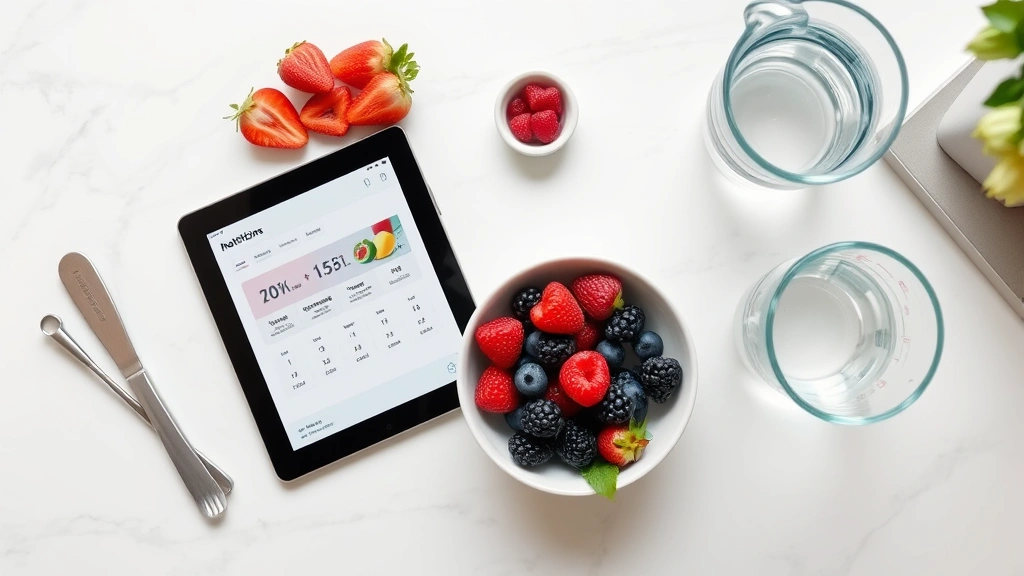
- Choose Berries: Strawberries, blueberries, and raspberries offer the lowest calorie-to-volume ratio and highest fiber content. These fruits should form the foundation of your fruit consumption.
- Track Consumption: If you’re following tracking your progress effectively, include fruit in your calorie counts. Many people underestimate fruit consumption.
- Avoid Juice: Eliminate fruit juice entirely during weight loss. Juice removes fiber while concentrating sugars, making it calorie-dense with minimal satiety benefit.
- Consider Frozen Options: Frozen fruit is equally nutritious, often cheaper, and portions more easily than fresh fruit that encourages overconsumption.
Building Sustainable Eating Habits
The ultimate goal of weight loss isn’t restriction—it’s creating sustainable habits that you can maintain long-term. Rather than viewing these five fruits as forbidden, reframe them as occasional choices that require intentional consumption.
If you’re implementing healthy meal plans for weight loss, ensure they include fruit options you genuinely enjoy. Sustainability requires satisfaction. If you despise berries but love mangoes, find a way to include mango in smaller, more intentional portions rather than forcing yourself to eat foods you dislike.
Consider consulting with a registered dietitian who can personalize fruit recommendations based on your specific health needs, food preferences, and weight loss goals. What works for one person may not work for another, and individual factors like insulin sensitivity, activity level, and metabolic health influence ideal fruit consumption.
Weight loss success depends on creating a calorie deficit, but that deficit must be sustainable. If restricting fruits you love leads to binge eating or abandoning your plan, the restriction strategy has failed. Instead, focus on portion control, strategic pairing with protein, and choosing lower-calorie fruit options most of the time while allowing for occasional enjoyment of higher-calorie varieties.
Additionally, remember that fruit consumption should be viewed within the context of your entire diet. If you’re following best meal replacement shakes for weight loss or other structured approaches, ensure fruit fits appropriately into your plan rather than adding extra calories.
The relationship between fruit and weight loss isn’t binary. Fruit provides essential nutrients, fiber, and phytonutrients that support overall health. The key is making informed choices that align with your specific weight loss strategy while maintaining the nutritional benefits that whole fruits provide.
FAQ
Can I eat fruit while losing weight?
Absolutely. Fruit contains fiber, vitamins, minerals, and phytonutrients essential for health. The key is portion control and choosing lower-calorie options most frequently. Berries, apples, and oranges offer excellent nutritional value with reasonable calorie counts.
Which fruits are best for weight loss?
Berries (strawberries, blueberries, raspberries), watermelon, oranges, and apples offer the best calorie-to-volume ratio and highest fiber content. These fruits provide maximum satiety with minimal caloric impact, making them ideal choices during weight loss.
How much fruit should I eat daily?
Most nutrition guidelines recommend 1.5 to 2 cups of fruit daily. However, during weight loss, you might reduce this to one cup daily if you’re following a low-calorie approach, ensuring your portions are measured rather than estimated.
Is fruit juice acceptable for weight loss?
No. Fruit juice removes fiber while concentrating sugars and calories. An 8-ounce glass of orange juice contains roughly 110 calories and 26 grams of carbohydrates with virtually no fiber. This makes juice an inefficient use of calories during weight loss.
Should I avoid fruit entirely if I’m not losing weight?
Not necessarily. If weight loss has stalled, examine your overall calorie intake first. Fruit is rarely the primary culprit. However, if you’re consuming large quantities of higher-calorie fruits like mangoes, bananas, or grapes, reducing portions might help. Consider consulting with a registered dietitian to identify actual barriers to progress.
Can I eat dried fruit during weight loss?
Dried fruit is calorie-dense and easy to overconsume, making it challenging during active weight loss. If you enjoy dried fruit, reserve it for occasional use in measured portions—perhaps one-quarter cup mixed into yogurt or oatmeal rather than eaten directly from the package.
Does the time of day matter for fruit consumption?
Consuming fruit earlier in the day when you’re more physically active allows your body to utilize carbohydrates for energy. Fruit consumed late in the evening is more likely to be stored as fat, particularly if combined with sedentary behavior.
How does fruit compare to other carbohydrate sources?
Fruit offers superior nutritional density compared to refined carbohydrates like bread or pasta. However, starchy vegetables like broccoli or spinach provide more volume and satiety per calorie. Balancing fruit with non-starchy vegetables ensures you meet micronutrient needs while maximizing fullness.