7-Day Protein Diet for Weight Loss: Nutritionist Approved
Protein-focused eating plans have become increasingly popular among people seeking sustainable weight loss solutions. A 7-day protein diet leverages the thermic effect of protein—the energy your body burns digesting it—to support fat loss while preserving lean muscle mass. Unlike restrictive crash diets, this approach emphasizes whole foods and balanced nutrition, making it easier to maintain long-term.
This comprehensive guide walks you through everything you need to know about implementing a protein-centered eating strategy for weight loss. Whether you’re looking to jumpstart your journey or establish healthier habits, understanding how to structure your meals around protein can make a significant difference in achieving your goals safely and effectively.
Why Protein Matters for Weight Loss
Protein stands out as the macronutrient most effective for weight loss because it addresses multiple challenges people face when trying to lose weight. First, protein increases satiety—the feeling of fullness that prevents overeating. When you consume adequate protein, your body releases hormones like peptide YY and GLP-1, which signal fullness to your brain more effectively than carbohydrates or fats alone.
Second, protein has a higher thermic effect than other macronutrients. Your body burns approximately 20-30% of protein calories during digestion, compared to 5-10% for carbohydrates and 0-3% for fats. This means eating 100 calories of protein requires your body to expend roughly 20-30 calories just to process it—a significant advantage when creating a calorie deficit for weight loss.
Third, protein preserves muscle mass during weight loss. When you restrict calories without adequate protein intake, your body may break down muscle tissue along with fat. According to research from the International Society of Sports Nutrition, consuming 1.6-2.2 grams of protein per kilogram of body weight daily helps maintain muscle while losing fat. This is crucial because muscle tissue boosts metabolism, helping you burn more calories at rest.
Additionally, higher protein intake helps stabilize blood sugar levels, reducing energy crashes and cravings that often derail weight loss efforts. When blood sugar remains steady, you experience fewer urges to reach for sugary or processed foods.
How to Structure Your 7-Day Protein Diet
Creating an effective 7-day protein diet requires understanding your individual protein needs and caloric targets. Most nutritionists recommend consuming 25-35 grams of protein per meal for optimal satiety and muscle preservation. For a typical 2,000-calorie diet supporting weight loss, this means allocating roughly 30-35% of calories to protein, translating to approximately 150-175 grams daily.
Calculate your personal protein target: Multiply your body weight in pounds by 0.8-1.0 (or body weight in kilograms by 1.6-2.2) to determine your daily protein requirement. Someone weighing 180 pounds should aim for 144-180 grams of protein daily. This personalized approach ensures your diet supports your specific metabolism and fitness goals.
Your 7-day framework should include three protein-rich meals and 1-2 snacks daily. Each meal combines a lean protein source with fiber-rich vegetables and healthy fats to maximize nutrition and satiety. This structure naturally creates the caloric deficit necessary for weight loss—typically 300-500 calories below maintenance—without feeling deprived.
When planning your week, focus on variety to prevent boredom and ensure you receive diverse micronutrients. Rotate between chicken, fish, turkey, lean beef, eggs, Greek yogurt, cottage cheese, legumes, and plant-based proteins throughout the seven days. This diversity also helps your digestive system adapt and prevents nutrient imbalances.
Daily Meal Framework and Portion Guidelines
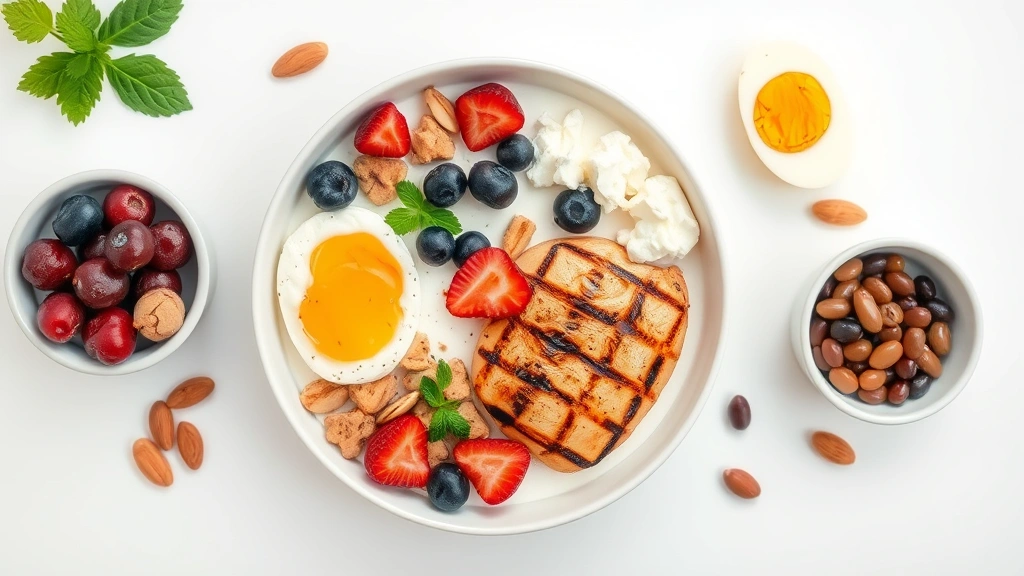
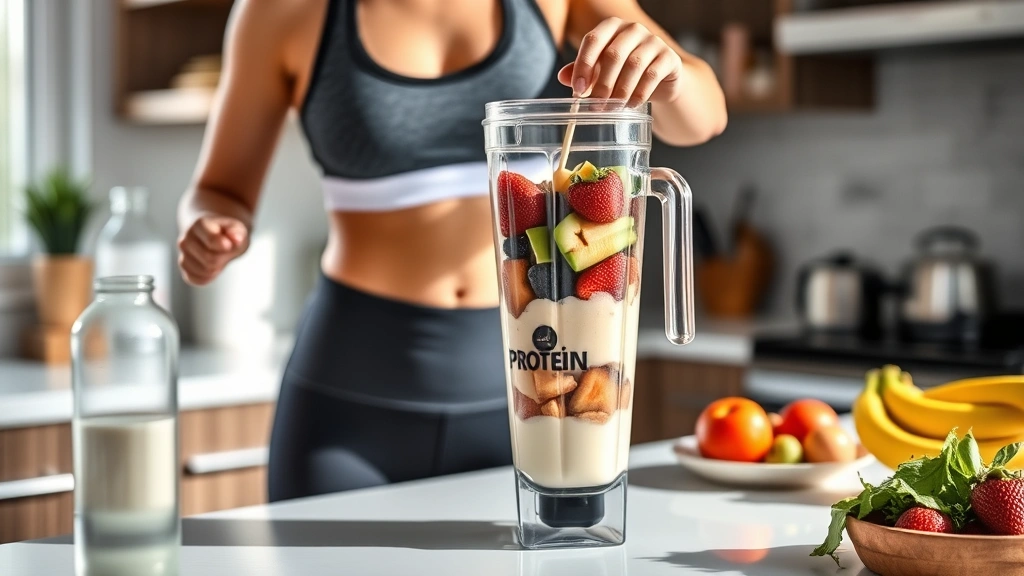
Breakfast (25-30g protein): Start your day with a protein-rich meal that sets the tone for stable energy. Excellent options include scrambled eggs with whole grain toast, Greek yogurt with berries and almonds, or a protein smoothie with milk, protein powder, and spinach. A substantial breakfast reduces hunger throughout the morning and prevents mid-morning snacking.
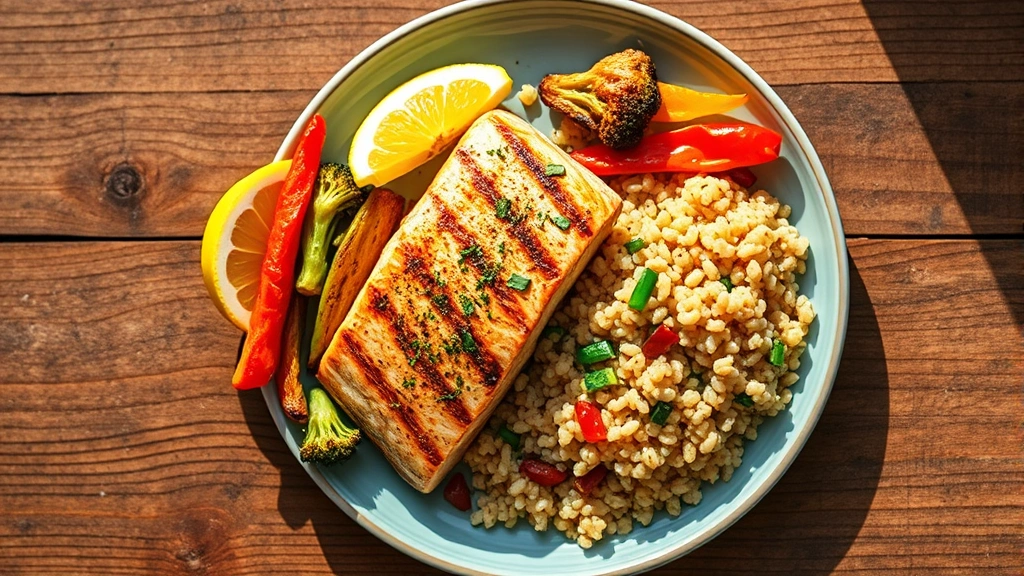
Lunch (30-35g protein): Midday meals should combine lean protein with nutrient-dense vegetables and whole grains or healthy fats. Grilled chicken breast with quinoa and roasted broccoli, salmon with sweet potato and asparagus, or turkey sandwich on whole wheat bread with avocado all provide sustained energy for the afternoon. These combinations offer both immediate and sustained satiety.
Dinner (30-35g protein): Evening meals should be equally substantial to prevent late-night hunger and support muscle recovery if you exercise. Lean beef with brown rice and green beans, baked cod with sweet potato and Brussels sprouts, or plant-based lentil chili with Greek yogurt toppings all meet protein targets while providing satisfying, nutrient-dense meals.
Snacks (10-15g protein each, optional): Between-meal snacks help maintain stable blood sugar and prevent overeating at main meals. Greek yogurt, cheese, hard-boiled eggs, almonds, or protein bars provide convenient protein without excessive calories. Choose snacks only if you experience genuine hunger—not out of habit or boredom.
Hydration deserves special attention on a protein diet. Aim for at least 8-10 glasses of water daily, as protein metabolism requires adequate hydration for optimal kidney function. Water also enhances satiety, helping you distinguish between true hunger and thirst-induced appetite.
Sample 7-Day Meal Plan
Monday
Breakfast: Three-egg omelet with spinach and mushrooms, whole wheat toast with almond butter
Lunch: Grilled chicken breast (6 oz), quinoa (1 cup cooked), steamed broccoli
Dinner: Baked salmon (6 oz), sweet potato, roasted Brussels sprouts
Snack: Greek yogurt (1 cup) with berries
Tuesday
Breakfast: Greek yogurt (1.5 cups) with granola, honey, and almonds
Lunch: Turkey and avocado wrap in whole wheat tortilla with lettuce and tomato
Dinner: Lean ground turkey tacos (6 oz) in corn tortillas with black beans and vegetables
Snack: Handful of mixed nuts and a string cheese
Wednesday
Breakfast: Protein smoothie with milk, vanilla protein powder, banana, and spinach
Lunch: Tuna salad on whole wheat bread with side of carrot sticks and hummus
Dinner: Grilled chicken breast (6 oz), brown rice, stir-fried mixed vegetables
Snack: Hard-boiled eggs (2) with whole grain crackers
Thursday
Breakfast: Cottage cheese (1 cup) with pineapple and almonds
Lunch: Grilled tilapia (6 oz), wild rice, roasted asparagus
Dinner: Lean beef sirloin (6 oz), baked potato, green salad with olive oil dressing
Snack: Protein bar or Greek yogurt
Friday
Breakfast: Scrambled eggs (3) with whole wheat toast and sliced tomatoes
Lunch: Chicken and vegetable stir-fry with brown rice
Dinner: Baked cod (6 oz), sweet potato fries, steamed green beans
Snack: Almonds and a piece of fruit
Saturday
Breakfast: Oatmeal with protein powder, berries, and walnuts
Lunch: Grilled turkey breast (6 oz) with whole grain bread, lettuce, tomato, and mustard
Dinner: Lean ground beef with whole wheat pasta and marinara sauce with vegetables
Snack: Cottage cheese with peaches
Sunday
Breakfast: Veggie and cheese omelet with whole wheat toast
Lunch: Baked salmon (6 oz), quinoa pilaf with vegetables
Dinner: Grilled chicken breast (6 oz), brown rice, roasted root vegetables
Snack: Greek yogurt with honey and granola
This framework provides flexibility—swap proteins, vegetables, and whole grains based on your preferences while maintaining protein targets. The key is consistency in protein intake, not rigid adherence to specific foods.
Combining Protein Diet with Exercise
While a protein-focused diet supports weight loss independently, combining it with strength training exercises dramatically enhances results. Resistance training creates micro-tears in muscle fibers; adequate protein repairs these tears, building stronger muscle. More muscle mass increases resting metabolic rate, helping you burn more calories throughout the day.
During your 7-day protocol, incorporate 3-4 sessions of strength training weekly, targeting all major muscle groups. This doesn’t require expensive gym memberships—bodyweight exercises like push-ups, squats, and lunges prove highly effective. Post-workout nutrition matters significantly; consume 20-30 grams of protein within two hours after training to optimize muscle recovery.
Cardiovascular exercise complements strength training by creating additional caloric deficit. Moderate-intensity cardio 3-5 times weekly—brisk walking, cycling, swimming, or running—accelerates fat loss without excessive muscle breakdown when protein intake remains adequate. The combination of strength training, cardio, and protein-rich nutrition creates a powerful, sustainable approach to weight loss.
Common Mistakes to Avoid
Insufficient total calories: While creating a caloric deficit is necessary for weight loss, consuming too few calories (below 1,200 for women or 1,500 for men) slows metabolism and increases muscle loss. A moderate deficit of 300-500 calories daily proves more sustainable and preserves metabolic health.
Neglecting whole food sources: Relying solely on protein powders and supplements lacks the micronutrients, fiber, and satiety that whole foods provide. Prioritize chicken, fish, eggs, legumes, and dairy before supplementing with protein powders.
Ignoring fiber intake: High-protein diets sometimes overshadow fiber, leading to digestive issues. Ensure each meal includes vegetables, whole grains, or legumes to maintain digestive health and sustained satiety. Aim for 25-30 grams of fiber daily.
Consuming excessive protein without hydration: Your kidneys require adequate water to process dietary protein safely. Dehydration can stress kidney function and cause headaches. Drink water consistently throughout the day, not just with meals.
Viewing it as temporary: A 7-day protein diet works best as the foundation for long-term eating habits, not a quick fix. Focus on developing sustainable protein-centered eating patterns you can maintain indefinitely rather than expecting permanent results from one week alone.
Forgetting about micronutrients: While focusing on protein, don’t neglect vitamins and minerals. Include colorful vegetables, fruits, whole grains, and healthy fats to ensure comprehensive nutrition supporting overall health and sustained energy.
Sustainability and Beyond the First Week
The first week of any dietary change feels challenging as your body adjusts to new eating patterns. However, the protein-focused approach typically becomes easier after day 3-4 as your body adapts and hunger hormones stabilize. Most people report sustained energy, reduced cravings, and improved satiety by week’s end.
To maintain success beyond seven days, continue the same protein targets and meal structure that worked during your initial week. You might explore low-carb diet variations or intermittent fasting approaches if you want additional variety, but the core protein-centered principle remains effective long-term.
Track your progress through metrics beyond the scale. Note energy levels, how clothes fit, strength improvements, and how you feel mentally. These non-scale victories often precede weight loss on the scale and provide motivation during plateaus. Take progress photos every two weeks to visualize changes that daily weigh-ins might miss.
Consider consulting with a registered dietitian to personalize your approach further. They can adjust macronutrient ratios based on your specific health conditions, activity level, and weight loss goals. This professional guidance ensures your diet supports not just weight loss, but overall health and wellness.
Remember that sustainable weight loss typically occurs at 1-2 pounds weekly. Faster loss often reflects water loss and muscle breakdown rather than fat loss. The protein diet’s advantage lies in supporting steady, sustainable fat loss while preserving the muscle mass that keeps you metabolically active long-term. By establishing these habits during your first week, you create the foundation for lasting transformation.
FAQ
How much weight can I expect to lose in 7 days on a protein diet?
Weight loss during the first week typically ranges from 3-7 pounds, though much of this represents water loss and glycogen depletion rather than pure fat loss. Subsequent weeks generally show 1-2 pounds of fat loss weekly with consistent protein intake and caloric deficit. Individual results vary based on starting weight, metabolism, exercise, and adherence.
Is a high-protein diet safe for everyone?
Most people tolerate high-protein diets well, but those with kidney disease, certain liver conditions, or specific medical histories should consult healthcare providers before significantly increasing protein intake. For generally healthy individuals, consuming 1.6-2.2 grams of protein per kilogram of body weight daily poses no safety concerns when hydration remains adequate.
Can I follow a protein diet if I’m vegetarian or vegan?
Absolutely. Plant-based protein sources include legumes (lentils, chickpeas, beans), tofu, tempeh, seitan, nuts, seeds, and plant-based protein powders. While plant proteins often contain less protein per serving than animal sources, combining complementary proteins throughout the day ensures complete amino acid profiles. A registered dietitian can help optimize plant-based protein strategies.
What should I drink on a protein diet?
Water remains the best choice, aiming for 8-10 glasses daily or more if you exercise. Unsweetened tea and black coffee are fine. Limit sugary beverages, energy drinks, and alcohol, which add empty calories and can trigger cravings. Some people find sparkling water helpful for satisfying the desire for flavored drinks without added calories.
How do I handle cravings while on this diet?
Cravings often decrease significantly once blood sugar stabilizes, typically by day 3-4. If cravings persist, ensure you’re eating enough protein and calories—restriction too severe triggers increased cravings. Stay hydrated, get adequate sleep (7-9 hours), and manage stress, as these factors influence hunger hormones. If you experience specific cravings, satisfy them with healthier versions: dark chocolate instead of milk chocolate, or frozen berries instead of ice cream.
Can I exercise while following a 7-day protein diet?
Yes, exercise is encouraged. In fact, combining strength training with adequate protein intake optimizes both weight loss and muscle preservation. Ensure you consume enough total calories to fuel your workouts—eating too little while exercising intensely can lead to muscle loss and fatigue. Post-workout protein intake (20-30g within two hours) supports recovery.
What happens after the 7 days end?
The 7-day period serves as an introduction to protein-centered eating. To maintain results, continue the same approach indefinitely. You’re not returning to previous eating habits that led to weight gain; instead, you’re establishing a sustainable lifestyle. Many people find that after a week, the protein diet feels natural and easy to maintain long-term.


