Do Weight Loss Shakes Work? Nutritionist Insights on Effectiveness and Results
Weight loss shakes have become a ubiquitous fixture in the dieting landscape, promising convenient nutrition and rapid results in a single serving. From meal replacement formulas to protein-enriched beverages, these products flood the market with compelling claims about fat loss, muscle preservation, and metabolic enhancement. But do they actually work? The answer, as with most nutrition questions, is nuanced and depends on multiple factors including the specific product, individual adherence, overall lifestyle, and realistic expectations.
As a nutritionist specializing in weight management, I’ve observed that weight loss shakes can be effective tools within a comprehensive weight loss strategy—but they are not magic solutions. Their success relies heavily on how they’re integrated into your daily routine, the quality of the shake itself, and whether they support sustainable eating habits rather than replacing them indefinitely. In this guide, we’ll explore the science behind weight loss shakes, examine their mechanisms of action, and help you determine whether they’re the right choice for your personal weight loss journey.
How Weight Loss Shakes Work
Weight loss shakes function through several interconnected mechanisms that support calorie reduction and metabolic health. Understanding these mechanisms helps explain why some people experience success while others see minimal results.
Calorie deficit creation represents the primary mechanism. Weight loss shakes typically contain 150-300 calories per serving, significantly less than a standard meal of 500-800 calories. When you replace one or two meals daily with a shake, you naturally create a calorie deficit—the fundamental requirement for weight loss. This deficit forces your body to utilize stored energy (fat) for fuel.
Appetite suppression is another critical factor. High-quality weight loss shakes contain protein and fiber, both of which increase satiety and reduce hunger hormones like ghrelin. Protein requires more energy to digest (thermic effect), temporarily boosting metabolism by 20-30% compared to carbohydrates or fats. Fiber adds bulk without calories, creating a sense of fullness that extends from one meal to the next.
Nutrient density distinguishes legitimate weight loss shakes from empty-calorie beverages. Fortified shakes provide essential vitamins, minerals, and micronutrients that support metabolic function, energy production, and hormonal balance. This nutritional completeness prevents the deficiencies that can slow metabolism and trigger cravings.
Blood sugar stabilization helps maintain consistent energy levels and reduces cravings. Shakes with balanced macronutrients prevent the rapid blood glucose spikes and crashes associated with sugary foods, which trigger increased hunger and fat storage.
Types of Weight Loss Shakes
The weight loss shake market encompasses several distinct categories, each with different ingredients, mechanisms, and effectiveness levels.
Meal replacement shakes are formulated to substitute for an entire meal, containing 200-400 calories with balanced macronutrients (typically 15-25g protein, 20-40g carbohydrates, and 5-10g fat). Popular commercial brands like SlimFast and Ensure Weight Loss are designed this way. These work best for breakfast or lunch replacement, as they provide sufficient nutrition for several hours.
Protein-based shakes emphasize protein content (25-50g per serving) while maintaining lower calories. Whey protein, casein, and plant-based proteins (pea, hemp, soy) are common bases. These shakes work particularly well for post-workout nutrition and appetite control, though they’re often better as supplements rather than complete meal replacements.
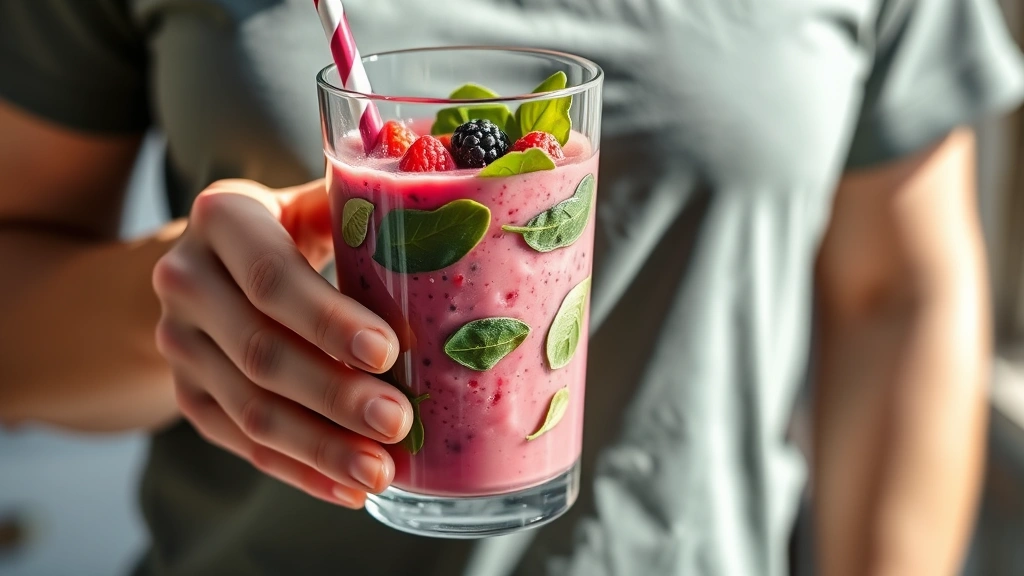
Nutrient-dense whole food shakes blend whole ingredients like Greek yogurt, berries, spinach, nuts, and seeds. While higher in calories (300-500), they offer superior micronutrient profiles and sustained satiety compared to commercial powders. These are excellent for sustainable long-term use.
Check out our comprehensive guide on the best protein shakes for weight loss to compare specific products and their nutritional profiles.
Specialty formulations include shakes with added metabolism-boosting ingredients like green tea extract, conjugated linoleic acid (CLA), or glucomannan fiber. While these may offer modest additional benefits, they’re not necessary for weight loss success.
Scientific Evidence and Research
Numerous peer-reviewed studies have examined weight loss shake effectiveness, and the overall evidence supports their use as part of a structured weight loss program.
A meta-analysis published in Nutrients journal reviewing 15 randomized controlled trials found that meal replacement shakes resulted in average weight loss of 3-5 kg over 12-16 weeks, with greater losses occurring when combined with structured dietary counseling. Importantly, participants who used shakes showed better adherence to their weight loss programs compared to those following traditional calorie-restricted diets.
Research from The Obesity Society indicates that meal replacement strategies are particularly effective for individuals who struggle with portion control or meal planning. The structure and convenience reduce decision fatigue, a significant barrier to sustained weight loss.
A study in the American Journal of Clinical Nutrition demonstrated that high-protein shakes (30-40g protein) were superior to standard protein shakes for preserving lean muscle mass during weight loss, crucial for maintaining metabolic rate. Participants consuming high-protein shakes lost 1.5 kg more fat (while preserving more muscle) compared to lower-protein alternatives over 12 weeks.
However, research also reveals important limitations. CDC nutrition research shows that weight loss from shakes alone typically plateaus after 3-6 months without dietary modifications. Long-term success requires transitioning from shakes to sustainable eating habits, as shakes are tools, not permanent solutions.
Benefits and Drawbacks
Key benefits of weight loss shakes include:
- Convenience and simplicity: No meal planning, preparation, or decision-making required. Shake preparation takes 60 seconds, making adherence easier during busy periods.
- Portion control: Pre-portioned shakes eliminate guesswork about appropriate serving sizes, a common challenge for many dieters.
- Consistent nutrition: Each shake provides identical macronutrient ratios, supporting stable energy and appetite control throughout the day.
- Cost-effectiveness: Quality meal replacement shakes cost $2-4 per serving, often cheaper than restaurant meals or prepared foods.
- Psychological advantage: The structured approach appeals to people who respond well to clear rules and defined parameters.
- Early motivation: Initial rapid weight loss from reduced calorie intake can boost motivation and build momentum for lifestyle changes.
Significant drawbacks to consider:
- Nutritional inadequacy: Many commercial shakes lack whole food benefits like phytonutrients, enzymes, and the complex nutrient interactions found in real foods. Some contain artificial sweeteners or excessive additives.
- Unsustainability: You cannot drink shakes forever. Long-term weight loss requires developing healthy eating habits with whole foods, making shakes a temporary tool rather than a solution.
- Muscle loss risk: Inadequate protein intake during shake-based weight loss can result in losing 25-35% of weight loss as lean muscle tissue, reducing metabolic rate.
- Digestive issues: Liquid-only nutrition can cause constipation, bloating, or digestive discomfort for some individuals lacking the mechanical stimulation of solid foods.
- Cost accumulation: While individual shakes are affordable, regular use can cost $150-300 monthly, straining budgets long-term.
- Psychological dependence: Over-reliance on shakes can prevent developing the cooking skills and food knowledge essential for permanent weight management.
- Social limitations: Consuming shakes while others eat meals can create social awkwardness and feelings of deprivation, potentially triggering binge eating.

Choosing an Effective Weight Loss Shake
Not all weight loss shakes are created equal. Strategic selection dramatically impacts results and sustainability.
Protein content: Select shakes with 20-30g protein per serving. This amount maximizes satiety and muscle preservation without excessive calories. Higher protein shakes (30-40g) work well post-exercise but may be unnecessary for meal replacement.
Fiber inclusion: Choose shakes containing 5-10g fiber, preferably from whole sources like psyllium husk or inulin. Fiber enhances satiety and supports digestive health while preventing blood sugar spikes.
Sugar content: Limit added sugars to under 5g per serving. Shakes sweetened with sugar alcohols or stevia are preferable to those with high fructose corn syrup or excessive sugar, which trigger cravings and energy crashes.
Ingredient transparency: Read ingredient lists carefully. Avoid shakes with excessive artificial additives, colorings, or preservatives. Shorter ingredient lists with recognizable items indicate higher quality.
Micronutrient fortification: Ensure the shake provides at least 25% Daily Value for key vitamins and minerals like vitamin D, B vitamins, iron, and calcium. This prevents nutritional deficiencies during calorie restriction.
Taste and mixability: The best shake is one you’ll actually consume. Sample different flavors and brands. Poor taste leads to non-compliance, undermining weight loss efforts entirely.
Our detailed article on best protein shakes for weight loss provides specific product recommendations with nutritional breakdowns to simplify your selection.
Building a Sustainable Approach to Weight Loss
Using weight loss shakes effectively requires integrating them into a comprehensive, sustainable weight loss strategy rather than viewing them as standalone solutions.
Phase-based implementation: Use shakes as a temporary tool (8-12 weeks maximum) to establish a calorie deficit and build momentum. During this phase, simultaneously develop healthy eating habits with whole foods. Gradually transition from two meal replacements to one, then eventually to zero, replacing them with balanced whole food meals you’ve learned to prepare.
Combining with lifestyle modifications: Shakes work best alongside other evidence-based strategies. Incorporate regular physical activity, prioritize water intake for weight loss, improve sleep quality, and manage stress. These factors collectively drive results far beyond what shakes alone can achieve.
Protein strategy: Whether using shakes or not, ensure adequate daily protein intake (0.7-1g per pound of body weight). This preserves muscle mass, maintains metabolic rate, and supports satiety. Shakes can help reach protein targets but shouldn’t be the only protein source.
Monitoring and adjustment: Track weight loss progress weekly, but recognize that scale fluctuations are normal. Measure progress using multiple metrics: how clothes fit, energy levels, strength improvements, and body composition changes. If weight loss stalls after 3-4 weeks, adjust calorie intake or increase physical activity rather than increasing shake consumption.
Transitioning away from shakes: Plan your exit strategy from day one. As you approach your goal weight, systematically replace shakes with prepared whole food meals. Practice cooking simple, nutritious recipes. Learn portion control with real foods. This transition prevents the common pattern of regaining weight when people stop using shakes without establishing sustainable habits.
For long-term success, explore our comprehensive guide on how to maintain weight loss, which covers strategies for keeping weight off permanently.
Medical considerations: Individuals with diabetes, kidney disease, or other chronic conditions should consult healthcare providers before using weight loss shakes. Registered Dietitian Nutritionists can provide personalized recommendations based on your specific health status and goals.
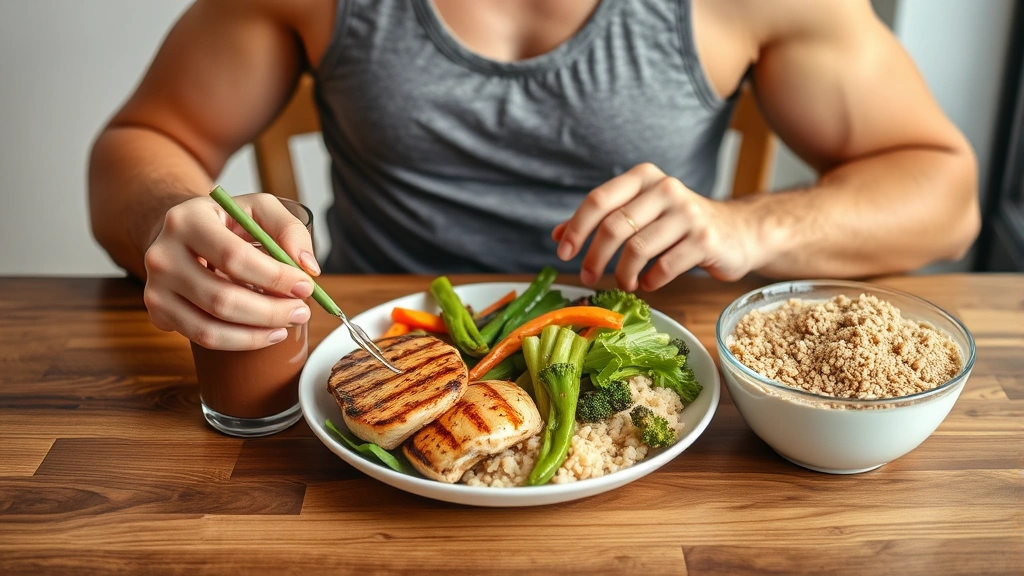
Weight loss shakes can be valuable tools for creating calorie deficits, controlling portions, and building momentum toward your weight loss goals. However, they work best as temporary strategies within a broader lifestyle modification plan rather than permanent solutions. Success requires choosing high-quality shakes, using them strategically, and simultaneously developing the healthy eating habits necessary for long-term weight management. When combined with physical activity, adequate hydration, quality sleep, and stress management, shakes can accelerate results and improve adherence during the critical early phases of weight loss. Remember that the ultimate goal is reaching a weight you can maintain with normal, healthy eating patterns—making the transition away from shakes as important as their initial use.
FAQ
How long can I safely use weight loss shakes?
Most nutrition experts recommend using meal replacement shakes for 8-12 weeks maximum as the primary weight loss tool. Extended use beyond this period without transitioning to whole foods can lead to nutritional deficiencies and prevent development of sustainable eating habits. You can continue using shakes occasionally (1-2 per week) indefinitely as convenient options, but they shouldn’t constitute your primary nutrition.
Will I regain weight when I stop drinking shakes?
Weight regain after stopping shakes depends entirely on what you do next. If you return to previous eating habits, weight regain is likely. However, if you’ve used the shake period to develop healthy eating patterns, practice portion control, and establish exercise routines, you can maintain weight loss. The shakes are tools for creating a deficit; the habits you build during that period determine long-term success.
Can weight loss shakes replace all meals?
While some commercial programs recommend replacing all meals with shakes, this approach is not ideal long-term. Consuming only shakes deprives you of whole food nutrition, creates digestive issues, and prevents development of normal eating skills. Instead, use shakes for 1-2 meals daily while eating one balanced whole food meal. This approach provides adequate nutrition while building healthy habits.
Are homemade shakes better than commercial products?
Homemade shakes with whole ingredients (Greek yogurt, berries, spinach, nuts) offer superior micronutrient profiles and whole food benefits compared to many commercial powders. However, they’re typically higher in calories (300-500) and require more preparation time. Both approaches work—choose based on your lifestyle, budget, and preferences. Commercial shakes offer convenience; homemade versions offer superior nutrition and sustainability.
What if I’m allergic to common shake ingredients?
Many allergen-free options exist. Dairy-free shakes use plant-based proteins (pea, hemp, soy) or alternatives like coconut milk. Nut-free options are available for those with tree nut allergies. Gluten-free shakes are standard from most manufacturers. Consult with a Registered Dietitian to identify safe options matching your specific allergies and nutritional needs.
Do weight loss shakes work better than traditional calorie restriction?
Research shows meal replacement shakes and traditional calorie restriction produce similar weight loss results when calorie intake is equivalent. However, shakes typically lead to better adherence because they simplify decision-making and portion control. The “best” approach is whichever you’ll stick with consistently. Some people thrive with shakes; others prefer structured meal plans with whole foods.
Can I combine weight loss shakes with exercise?
Yes, absolutely. Combining shakes with regular exercise produces superior results compared to either approach alone. However, ensure adequate protein intake (shakes help with this) and sufficient overall calories to support your activity level. Extremely aggressive calorie restriction combined with intense exercise can lead to excessive muscle loss, fatigue, and hormonal disruption.


