
Pickles for Weight Loss? Nutritionist Insights
Pickles have become a surprising darling in weight loss communities, with enthusiasts claiming they’re the perfect low-calorie snack. But does the science actually support pickle consumption for dropping pounds? As a nutritionist-focused weight loss resource, we’re diving deep into the fermented cucumber phenomenon to separate fact from fitness folklore. Whether you’re exploring protein-rich snack alternatives or simply curious about pickles’ nutritional profile, this comprehensive guide reveals what research really says about brined vegetables and body composition.
The pickle debate intersects nutrition science, digestive health, and appetite management. Some pickles offer genuine benefits for weight management, while others hide surprising sodium and sugar content that could derail your goals. Understanding the nuances—from vinegar’s metabolic effects to sodium’s impact on water retention—helps you make informed choices about whether pickles deserve a permanent spot in your weight loss strategy.
Nutritional Profile of Pickles
Standard dill pickles contain remarkably few calories—typically just 3-5 calories per spear and 15-30 calories per cup, depending on preparation method. This makes them one of the lowest-calorie foods available, comparable to celery and other non-starchy vegetables. The macronutrient breakdown reveals why they’re so lightweight: virtually no protein (under 1 gram per cup), minimal carbohydrates (mostly from the cucumber itself), and essentially zero fat.
The base ingredient—cucumbers—provides hydration, fiber, and micronutrients including vitamin K, potassium, and manganese. Fermented varieties offer additional benefits through probiotics, which support gut health and may influence weight management through improved digestive function. However, the probiotic content varies significantly based on whether pickles are fermented traditionally (living cultures) or preserved with vinegar alone (no live cultures).
Pickles also contain compounds from their brine solution: salt, vinegar, and various spices. These additions dramatically influence the overall health profile and weight loss potential. Understanding what’s actually in your pickle jar is essential before incorporating them into a structured weight loss plan, especially when combined with other high-protein dietary approaches.
Calorie Content and Weight Loss
From a pure caloric perspective, pickles are weight loss gold. A jar containing 24 spears might total only 60-90 calories—less than many single-serving snacks. This extreme low-calorie density means you can consume substantial volume without meaningfully impacting daily energy intake. For individuals struggling with portion control or constant hunger, this abundance-at-low-calories approach offers psychological satisfaction.
The calorie advantage becomes most relevant when pickles replace higher-calorie snacks. Swapping a 200-calorie processed snack for pickles creates a 150+ calorie deficit without requiring willpower or deprivation. Over time, these small daily substitutions compound into meaningful weight loss. Research on food substitution strategies confirms that people who replace energy-dense foods with nutrient-dense, low-calorie alternatives achieve better long-term weight management.
However, calories alone don’t determine weight loss success. The thermic effect of food (energy required for digestion), satiety signals, and nutritional completeness matter equally. Pickles excel in caloric efficiency but lack protein, healthy fats, and substantial fiber—nutrients crucial for sustainable weight loss. This is why pickles work best as supplements to rather than replacements for balanced meals. Combining pickles with protein sources, like those discussed in our protein shake recommendations, creates more metabolically favorable snacking patterns.
Vinegar’s Metabolic Effects
The acetic acid in vinegar—the primary component of pickle brine—has generated significant scientific interest for weight management. Multiple studies published in peer-reviewed nutrition journals demonstrate that acetic acid consumption may modestly improve insulin sensitivity, reduce blood sugar spikes, and enhance feelings of fullness. A landmark study from the Journal of the American College of Nutrition found that vinegar consumption reduced postprandial glucose response by up to 30% in certain populations.
This metabolic benefit occurs through several mechanisms. Acetic acid slows gastric emptying—the rate at which food leaves your stomach—extending satiety and reducing subsequent calorie intake. It may also improve insulin sensitivity, helping your body utilize glucose more efficiently rather than storing excess as fat. Additionally, vinegar’s acidic nature can enhance mineral absorption, supporting overall nutritional status during caloric restriction.
The practical weight loss impact, however, remains modest. While vinegar’s benefits are real, they’re not transformative. Consuming pickle juice or vinegar supplements won’t create dramatic fat loss without concurrent caloric deficit and appropriate exercise programs. Instead, view vinegar as one tool in a comprehensive strategy—a supportive element that contributes to better metabolic function and appetite control rather than a silver bullet.
Sodium Considerations
Here’s where pickles’ weight loss story becomes complicated. A single cup of typical dill pickles contains 1,200-1,500 mg of sodium—nearly the entire recommended daily intake for most adults (2,300 mg maximum). This sodium concentration presents real concerns for weight management, despite pickles’ caloric benefits.
Excessive sodium intake triggers water retention, causing temporary weight gain that masks fat loss progress. More importantly, high sodium consumption increases blood pressure, stresses kidneys, and contributes to cardiovascular disease risk. For individuals managing hypertension or concerned about weight loss and blood pressure relationships, standard pickles may be counterproductive despite their caloric advantage.
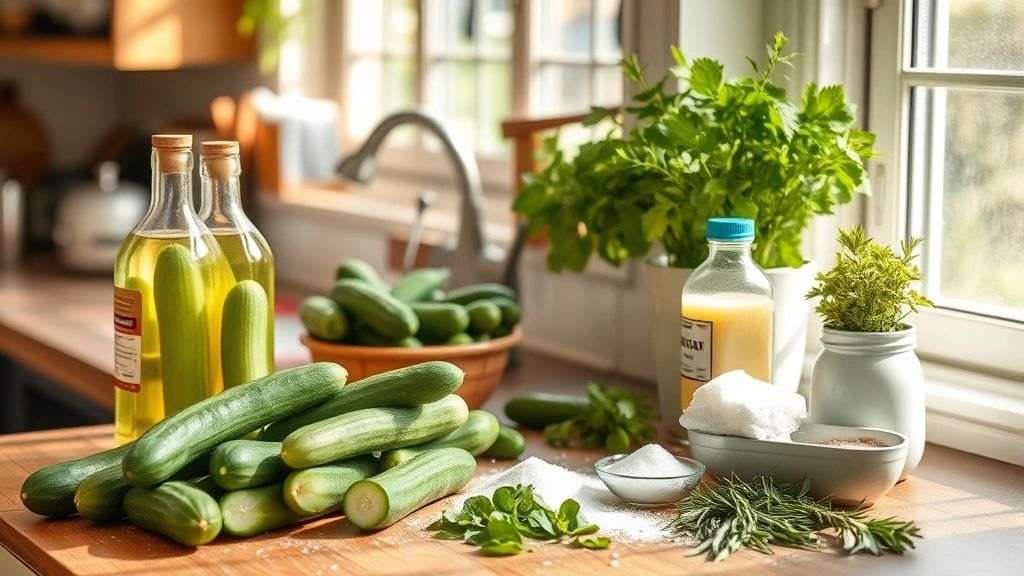
Fortunately, solutions exist. Low-sodium pickle varieties provide the same caloric and vinegar benefits with 200-400 mg sodium per cup—a manageable amount that fits within daily sodium targets. Alternatively, homemade pickles allow complete control over salt content. Some weight loss enthusiasts prepare their own quick pickles using minimal salt, vinegar, and fresh cucumbers, achieving maximum benefits while minimizing sodium concerns.
The sodium issue underscores an important principle: not all “weight loss foods” are equally healthy. Pickles demonstrate that caloric advantage doesn’t guarantee overall wellness benefits. Smart pickle consumption means selecting low-sodium varieties, monitoring portion sizes, and balancing sodium intake across your entire diet.
Appetite and Satiety Factors
Pickles’ weight loss effectiveness depends significantly on their ability to manage hunger and reduce overall calorie intake. The evidence here is mixed but generally positive. The volume-to-calorie ratio means you can eat substantial quantities without exceeding caloric budgets—important for psychological satisfaction during weight loss. Additionally, the crunchy texture provides oral stimulation and sensory engagement, potentially increasing subjective satiety.
The acetic acid in pickles may enhance satiety through multiple pathways. Slower gastric emptying extends fullness, while improved blood sugar stability reduces energy crashes that trigger hunger. However, pickles lack the protein and fat content that most effectively triggers satiety hormones like peptide YY and cholecystokinin. Eating pickles alone as a snack provides temporary fullness that may fade quickly, potentially leading to subsequent overeating.
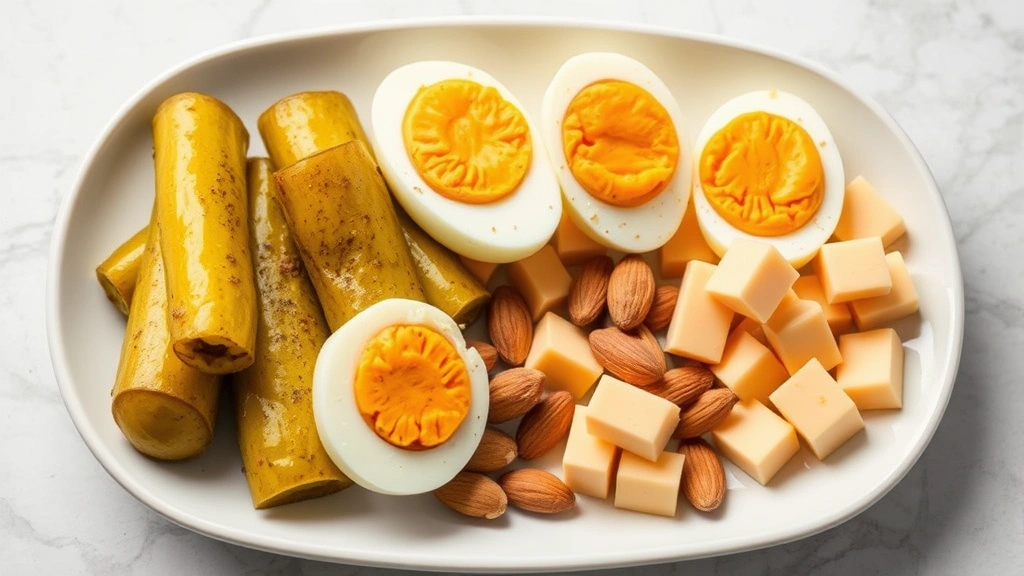
Research on satiety reveals that foods combining multiple satiety factors—protein, fiber, fat, and volume—produce superior appetite control compared to single-factor foods. This suggests pickles work best when combined with other foods. A snack pairing pickles with cheese, nuts, or hard-boiled eggs creates more sustained satiety than pickles alone. This combination approach aligns with research on metabolic optimization, where nutrient density and macronutrient balance drive superior weight management outcomes.
Different Pickle Types Compared
Not all pickles are nutritionally equivalent. Understanding the variations helps you select options aligned with your weight loss goals.
- Dill Pickles (Vinegar-Preserved): The standard supermarket option, containing 3-5 calories per spear with high sodium (1,200-1,500 mg per cup). No live cultures or probiotic benefits. Best for pure caloric reduction when sodium isn’t a concern.
- Fermented Pickles: Made through lactic acid fermentation rather than vinegar pickling, containing live probiotic cultures that support digestive health. Typically contain similar calories but slightly lower sodium (800-1,000 mg per cup) depending on preparation. Superior for gut health and metabolic support.
- Bread-and-Butter Pickles: Sweet pickles with added sugar (5-8 grams per spear), containing 15-25 calories each. Problematic for weight loss despite lower sodium. The sugar content triggers insulin responses and provides empty calories without satiety benefits.
- Kosher Dill Pickles: Often contain higher sodium (1,500+ mg per cup) from coarse salt but similar caloric profiles. Larger spear size may provide increased satiety through volume.
- Low-Sodium Varieties: Specially formulated pickles with 200-400 mg sodium per cup while maintaining caloric advantage. Increasingly available and ideal for sodium-conscious weight loss efforts.
- Spicy/Hot Pickles: Contain capsaicin from peppers, which may slightly increase metabolism and provide appetite suppression. Minimal caloric difference but potential metabolic advantages.
For weight loss, fermented varieties offer the most comprehensive benefits—low calories, potential probiotic support, and reasonable sodium when compared to standard vinegar pickles. However, low-sodium conventional pickles work equally well if sodium management is your priority.
Practical Tips for Weight Loss
If you’re incorporating pickles into a weight loss strategy, maximize their benefits while minimizing potential drawbacks.
- Choose Low-Sodium Options: Select varieties with under 400 mg sodium per serving. This preserves caloric advantages while protecting cardiovascular health and preventing water retention.
- Pair with Protein: Combine pickles with cheese, nuts, hard-boiled eggs, or deli turkey to create balanced snacks that trigger superior satiety. This approach prevents the rapid hunger return that occurs when eating pickles alone.
- Monitor Portion Sizes: While pickles are low-calorie, unlimited consumption isn’t appropriate. One cup (roughly 6-8 spears) provides reasonable volume with manageable sodium and calorie content.
- Use as Meal Accompaniments: Serve pickles alongside main meals rather than as standalone snacks. This supports satiety, enhances digestive function through vinegar’s acetic acid, and reduces overall meal calorie density.
- Make Homemade Versions: Control sodium and sugar by fermenting your own pickles. Use fresh cucumbers, vinegar, salt, dill, and garlic to create customized options matching your nutritional targets.
- Stay Hydrated: High sodium content increases thirst. Maintain consistent water intake to support kidney function and prevent fluid retention that masks fat loss progress.
- Combine with Other Strategies: Pickles alone don’t create weight loss. Combine them with comprehensive lifestyle approaches, consistent exercise, and balanced nutrition for optimal results.
FAQ
Are pickles actually good for weight loss?
Pickles have legitimate weight loss benefits: extremely low calories (3-5 per spear), high volume for satiety, and acetic acid that may improve insulin sensitivity. However, they’re not magical. They work best when replacing higher-calorie foods, paired with protein sources, and combined with overall caloric deficit and exercise. The key is using them strategically within a comprehensive weight loss plan rather than expecting them to independently drive fat loss.
How much sodium is too much from pickles?
Standard pickles contain 1,200-1,500 mg sodium per cup—about 60-75% of the daily recommended intake. Consuming pickles daily at this sodium level can contribute to water retention, elevated blood pressure, and cardiovascular stress. Low-sodium varieties (200-400 mg per cup) are safer for daily consumption. If you enjoy pickles regularly, choose low-sodium options and monitor total daily sodium intake from all sources.
Do fermented pickles have better weight loss benefits?
Fermented pickles offer additional benefits beyond those of vinegar-preserved varieties. The probiotic cultures support digestive health, potentially improving metabolism and reducing bloating. However, caloric and immediate satiety benefits are similar. Choose fermented pickles if you prioritize overall gut health, but understand they’re not significantly superior for weight loss specifically. Both types can support weight management when selected and consumed strategically.
Can pickle juice help with weight loss?
Pickle juice provides acetic acid benefits without the vegetable volume, making it less effective for satiety. Some people drink small amounts (1-2 tablespoons) before meals to improve blood sugar control and enhance fullness, but the evidence for dramatic weight loss is limited. If you consume pickle juice, dilute it to reduce sodium concentration and avoid consuming excessive amounts, which can cause digestive upset.
What’s the best time to eat pickles for weight loss?
Pickles work best when consumed before or with meals to enhance satiety and improve blood sugar response. Eating pickles 15-30 minutes before a meal can reduce subsequent calorie intake by triggering early fullness signals. As standalone snacks between meals, they’re less effective for sustained appetite control—pairing them with protein sources (cheese, nuts, or hard-boiled eggs) extends satiety. Avoid eating large quantities late at night, as the sodium and vinegar may disturb sleep quality.
Are there any downsides to eating pickles regularly?
The primary concern is sodium content, which can increase blood pressure, cause water retention, and stress kidneys with daily consumption. The acidity may also erode tooth enamel with excessive consumption. Additionally, some people experience digestive upset from high vinegar intake. For most people, moderate pickle consumption (1-2 cups daily) paired with low-sodium selection and adequate water intake poses no significant health risks. Those with hypertension, kidney disease, or acid reflux should consult healthcare providers before regular pickle consumption.
Can pickles replace other vegetables in a weight loss diet?
While pickles are technically vegetables, they shouldn’t completely replace fresh vegetables in your diet. The pickling process reduces some nutrients and adds significant sodium. Fresh vegetables provide superior micronutrient density, diverse fiber types, and phytonutrient variety that pickles cannot replicate. Use pickles as a supplement to—not a replacement for—a diverse vegetable intake. Aim for 5-9 servings of varied fresh vegetables daily, with pickles as an occasional addition.


