
Is Corn Good for Weight Loss? Nutritionist Insight
Corn is one of the most consumed foods globally, yet it remains controversial in weight loss discussions. Many people wonder whether this starchy vegetable helps or hinders their fat loss goals. The truth is nuanced: corn can be part of a healthy weight loss plan when consumed strategically and in appropriate portions. Understanding corn’s nutritional profile, caloric density, and how it fits into a balanced diet is essential for making informed dietary choices.
Whether you’re enjoying corn on the cob at summer gatherings or incorporating it into your meal prep, knowing the facts about its impact on weight loss will help you enjoy this food guilt-free while staying on track with your goals. This guide breaks down everything you need to know about corn, its place in a weight loss diet, and practical strategies for including it wisely.
Nutritional Profile of Corn
Corn is classified as both a vegetable and a grain, depending on its maturity stage. One medium ear of cooked corn (approximately 77 grams) contains roughly 89 calories, 3.3 grams of protein, 17 grams of carbohydrates, and 1.1 grams of fat. More importantly, corn provides 2.4 grams of dietary fiber, which plays a crucial role in satiety and digestive health.
Beyond basic macronutrients, corn delivers significant micronutrients. It contains B vitamins, particularly thiamine and folate, which support energy metabolism—a key factor when pursuing best aerobic exercises for fat loss. Corn also provides lutein and zeaxanthin, powerful antioxidants that protect eye health. Additionally, corn contains magnesium and phosphorus, minerals essential for bone health and metabolic function.
The fiber content in corn deserves special attention. Soluble and insoluble fibers work together to slow digestion, promote fullness, and support stable blood sugar levels. This makes corn potentially beneficial for weight management when prepared without excessive added fats or sugars.
Corn and Weight Loss: The Science
Research on corn and weight loss presents a balanced picture. A study published in the American Journal of Clinical Nutrition found that whole grains, including corn, were associated with lower body mass index (BMI) and waist circumference when consumed as part of a calorie-controlled diet. The key factor wasn’t corn itself, but rather how it was prepared and consumed.
Corn’s impact on weight loss depends primarily on three factors: preparation method, portion size, and overall dietary context. When corn is boiled or grilled without added butter or oil, it remains a relatively low-calorie food. However, when prepared as popcorn with butter, corn chips with excessive salt, or creamed corn with heavy cream, the caloric content increases dramatically.
The satiety factor is particularly important. Because corn contains fiber and resistant starch (especially when cooled after cooking), it can help you feel fuller longer. This supports weight loss by reducing overall calorie intake without requiring constant willpower. Research from registered dietitians consistently shows that fiber-rich foods contribute to successful long-term weight management.
One important consideration: corn’s glycemic index (GI) is moderate, meaning it doesn’t cause rapid blood sugar spikes. This stability helps prevent energy crashes and cravings that often derail weight loss efforts. Pairing corn with weight loss and protein intake sources creates an even more balanced meal.
Caloric Density and Portion Control
Understanding caloric density is essential when evaluating any food’s role in weight loss. Corn is relatively low in caloric density compared to processed snacks, but higher than non-starchy vegetables like broccoli or leafy greens. One cup of cooked corn contains approximately 134 calories, while the same volume of raw spinach contains only 7 calories.
This doesn’t mean you should avoid corn—it simply means portion awareness matters. A reasonable serving size is half to one cup of cooked corn per meal, which fits comfortably into most weight loss meal plans. For context, this equals roughly one medium ear of corn or about 67-134 calories.
The practical approach involves treating corn as a starch serving rather than a free vegetable. On a typical 1,500-2,000 calorie weight loss diet, you might allocate 4-6 starch servings daily. Corn can occupy one of these servings without derailing progress. This perspective helps prevent the common mistake of eating unlimited quantities simply because corn is perceived as “healthy.”
To maximize satiety while managing calories, prepare corn with minimal added fat. Boiled corn with herbs, grilled corn with lime juice, or air-popped popcorn (without butter) are excellent choices. These preparations keep calories in check while preserving corn’s nutritional benefits and satisfying taste.
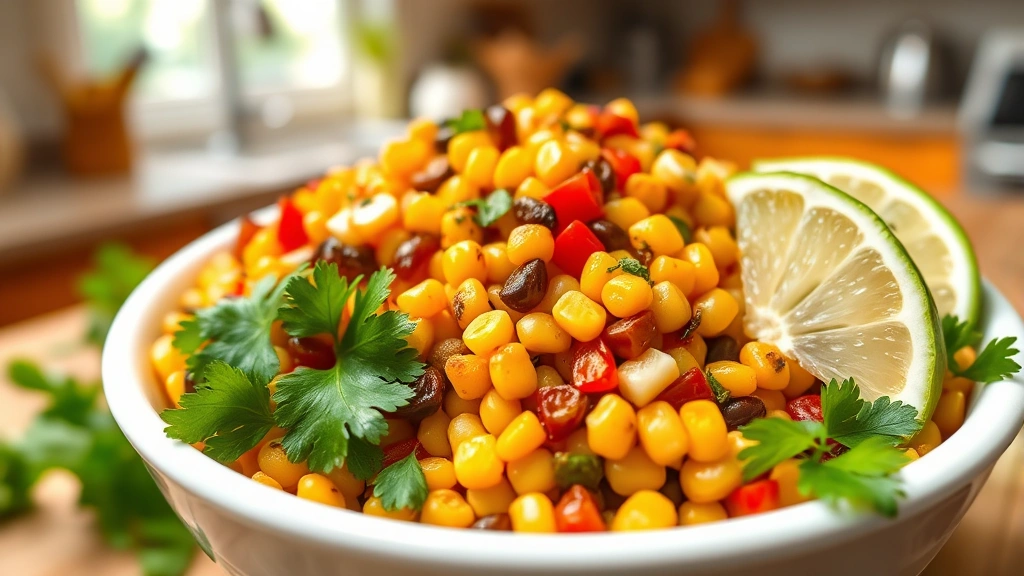
” alt=”Colorful bowl containing roasted corn kernels with fresh herbs and lime wedges on a kitchen counter”>
Types of Corn and Their Impact
Not all corn products are created equal for weight loss purposes. Fresh corn on the cob and frozen corn are essentially equivalent nutritionally and are excellent choices. Canned corn can work too, though you should rinse it to remove excess sodium, which can contribute to water retention.
Corn-based products require more scrutiny. Corn chips, tortilla chips, and similar snacks are calorie-dense and often high in added fats and sodium. A single ounce of corn chips contains approximately 150 calories, making it easy to consume excessive amounts. If you enjoy these foods, portion control with small serving sizes is crucial.
Popcorn presents an interesting case. Air-popped popcorn (without butter) is quite low in calories—about 31 calories per cup. This makes it an excellent snack for weight loss when prepared plain or with minimal seasonings. However, movie theater popcorn or butter-laden varieties can contain 400+ calories per serving, easily undermining weight loss efforts.
Corn flour, cornmeal, and corn-based products like polenta contain similar nutrients to whole corn but lack the fiber of whole kernels since the bran is removed. These refined products should be consumed more sparingly. Whole grain cornmeal retains more fiber and is a better choice for weight management.
High-fructose corn syrup and corn oil, often found in processed foods, deserve special mention. These highly processed corn derivatives offer empty calories and lack the nutritional benefits of whole corn. Avoiding these ingredients supports weight loss more effectively than limiting whole corn consumption.
How to Include Corn in Your Diet
Incorporating corn strategically into a weight loss diet is entirely feasible. The key is combining it with protein and healthy fats to create balanced, satisfying meals. Here are practical approaches:
- Corn and lean protein: Pair grilled corn with baked chicken breast or grilled fish. The protein increases satiety and supports muscle preservation while you lose fat.
- Corn in vegetable-based meals: Add corn to salads with mixed greens, cherry tomatoes, and a light vinaigrette. This increases volume and nutrition without excessive calories.
- Corn in whole grain bowls: Combine corn with quinoa or brown rice, beans, and vegetables for a complete, nutrient-dense meal.
- Corn and healthy fats: Drizzle corn with a small amount of olive oil and herbs. The fat aids nutrient absorption and enhances satisfaction.
- Corn-based soups: Use corn in vegetable-based soups with broth rather than cream. This keeps calories manageable while providing warmth and fullness.
Meal timing can also matter. Some people find consuming starches like corn earlier in the day aligns better with their energy needs and hunger patterns. Experiment to find what works for your body and schedule.
Combining Corn with Exercise
To maximize weight loss results, combine smart nutrition choices with consistent physical activity. Corn provides carbohydrates that fuel workouts, making it particularly useful around exercise times. Consuming corn before intense exercise provides readily available energy for performance.
The carbohydrates in corn contain glucose, which powers your muscles and brain during best cardio exercises for weight loss. After workouts, corn’s carbohydrates help replenish muscle glycogen stores, supporting recovery and adaptation. This is especially important if your weight loss plan includes strength training, which helps with how to lose fat without losing muscle.
A practical pre-workout meal might include grilled corn with a piece of fruit and a small amount of protein. Post-workout, corn paired with Greek yogurt or lean meat supports recovery while maintaining calorie awareness. This approach treats corn as a performance tool, not merely a calorie source.
Remember that exercise alone doesn’t drive weight loss—diet remains the primary factor. However, combining regular physical activity with appropriate nutrition, including foods like corn, creates the caloric deficit necessary for fat loss while preserving lean muscle mass.
Common Myths About Corn
Myth 1: Corn is “empty calories.” This is false. Corn provides fiber, vitamins, minerals, and phytonutrients. While it’s not as nutrient-dense as leafy greens, calling it empty calories dismisses its legitimate nutritional contributions.
Myth 2: Corn will spike your blood sugar dangerously. While corn contains carbohydrates, its glycemic index is moderate, and it won’t cause dramatic blood sugar swings, especially when paired with protein and fat. People with diabetes can include corn with proper portion control.
Myth 3: All corn-based foods are equally problematic. Fresh corn, frozen corn, and air-popped popcorn are vastly different from corn chips and high-fructose corn syrup. The form matters tremendously.
Myth 4: You must eliminate corn completely to lose weight. Unnecessary restriction often leads to cravings and unsustainable dieting. Including moderate amounts of foods you enjoy, like corn, supports long-term adherence to healthy eating patterns.
Myth 5: Corn is worse than other grains. Nutritionally, corn compares favorably to rice or wheat. All three can fit into weight loss diets when portions are controlled and preparation methods are healthy.
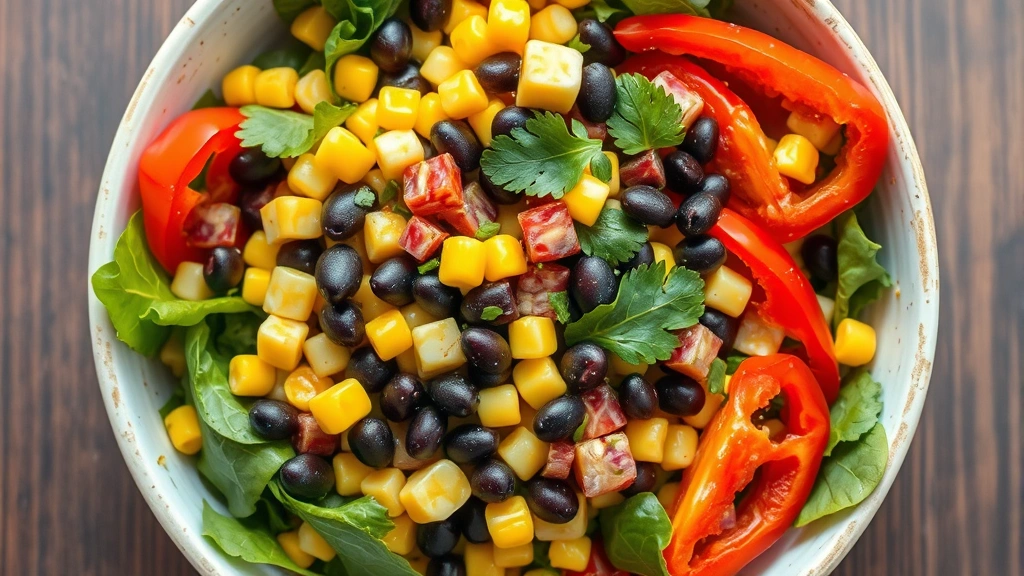
” alt=”Diverse salad bowl featuring fresh corn kernels, black beans, diced bell peppers, and mixed greens with lime dressing”>
Understanding these myths helps you make evidence-based decisions rather than following unsupported dietary dogma. Consult registered dietitian nutritionists for personalized guidance aligned with your specific health needs.
Tracking Progress Beyond the Scale
When including corn in your weight loss journey, remember that the scale tells only part of the story. weight loss and body measurements tracking your progress effectively involves monitoring multiple metrics. Take body measurements, assess how clothes fit, track energy levels, and monitor strength gains from exercise.
Corn’s nutrients support overall health during weight loss. The B vitamins support energy metabolism, magnesium supports muscle function, and antioxidants protect cells during the metabolic changes accompanying fat loss. These benefits extend beyond aesthetics to genuine health improvements.
For sustainable, long-term success, consider how to maintain weight loss effective strategies for long-term success. Including foods you genuinely enjoy, like corn, makes maintaining your goal weight far more achievable than restrictive diets that eliminate entire food categories.
FAQ
Is corn good for weight loss?
Yes, corn can support weight loss when consumed in appropriate portions and prepared healthily. One medium ear contains about 89 calories and provides fiber that promotes satiety. The key is treating it as a starch serving and pairing it with protein and vegetables for balanced meals.
How much corn can I eat while losing weight?
A reasonable serving is half to one cup of cooked corn per meal, or about one medium ear. This fits comfortably into most weight loss meal plans as a starch serving. Individual needs vary based on total calorie goals and activity level.
Is corn or rice better for weight loss?
Both can support weight loss in appropriate portions. Corn provides slightly more fiber, while brown rice offers more B vitamins. Choose based on preference and how each food makes you feel regarding satiety and energy. Variety in your diet is beneficial.
Can I eat popcorn while losing weight?
Yes, air-popped popcorn without butter is an excellent weight loss snack at about 31 calories per cup. Avoid butter-laden, heavily salted varieties that can contain 400+ calories per serving. Portion-controlled air-popped popcorn is a satisfying, low-calorie option.
Does corn cause water retention?
Corn itself doesn’t cause significant water retention. However, canned corn with added sodium might contribute to temporary water weight. Rinsing canned corn or choosing fresh or frozen varieties minimizes this concern.
Should I avoid corn if I have diabetes?
People with diabetes can include corn with appropriate portion control and carbohydrate awareness. Corn’s moderate glycemic index means it doesn’t cause dramatic blood sugar spikes. Pair corn with protein and healthy fats to further stabilize blood sugar. Consult your healthcare provider for personalized recommendations.
Is organic corn better for weight loss?
Organic and conventional corn are nutritionally equivalent for weight loss purposes. Choose based on personal preference regarding pesticide exposure and environmental concerns. The preparation method and portion size matter far more than organic status.


