
Somara Theodore’s Weight Loss Tips: Proven Success
Somara Theodore, a respected television personality and lifestyle expert, has become an inspiration to many seeking sustainable weight loss solutions. Her approach combines realistic lifestyle changes, consistent effort, and a focus on overall wellness rather than quick fixes. Whether you’re just beginning your weight loss journey or looking to refine your current strategy, understanding the principles that guide successful transformations can provide valuable insight into what truly works.
The key to Somara Theodore’s weight loss success lies in her commitment to evidence-based practices and her willingness to share what actually works in real life. Rather than endorsing extreme diets or unsustainable trends, she advocates for balanced nutrition, regular physical activity, and mental wellness. This comprehensive guide explores the actionable strategies that can help you achieve meaningful, lasting results.
Understanding Sustainable Weight Loss Principles
Sustainable weight loss is fundamentally about creating a calorie deficit while maintaining muscle mass and overall health. This differs dramatically from crash diets that promise rapid results but lead to rebound weight gain. According to research from the Centers for Disease Control and Prevention, losing 1-2 pounds per week is considered safe and sustainable for most adults.
The foundation of any successful weight loss program involves understanding that your body requires energy to function. When you consume fewer calories than your body burns, it accesses stored energy (fat) to make up the difference. However, this process works best when combined with strength training and adequate protein intake to preserve lean muscle tissue.
Somara Theodore’s approach emphasizes patience and consistency over perfection. She recognizes that weight loss isn’t linear—some weeks you’ll see progress, others you won’t. This realistic perspective helps people stay committed when they encounter plateaus, which are a normal part of the process.
The Role of Nutrition in Your Weight Loss Journey
Nutrition forms the cornerstone of any effective weight loss strategy. What you eat directly impacts your energy levels, hunger hormones, and metabolic function. A high-protein diet approach has proven particularly effective for weight loss, as protein increases satiety, preserves muscle mass, and has a higher thermic effect than other macronutrients.
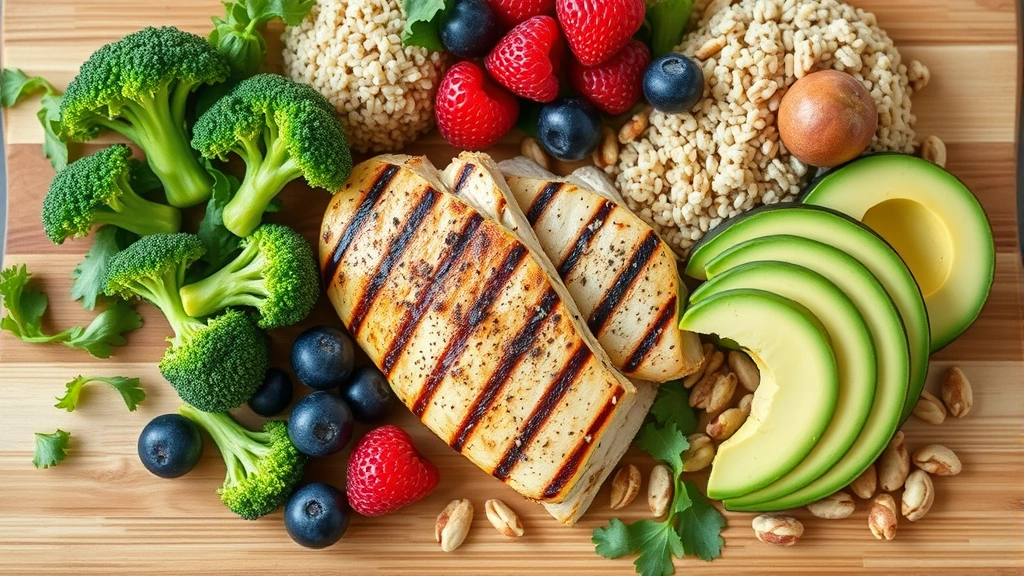
Focus on whole, minimally processed foods that provide genuine nutritional value. This means prioritizing lean proteins, vegetables, whole grains, and healthy fats while reducing refined carbohydrates and added sugars. The quality of your calories matters as much as the quantity—200 calories from grilled chicken and broccoli affects your body differently than 200 calories from processed snack foods.
Key nutritional strategies include:
- Eating protein with every meal to maintain satiety and muscle mass
- Incorporating plenty of fiber-rich vegetables for volume without excessive calories
- Staying hydrated—proper water intake supports weight loss by reducing hunger and supporting metabolic function
- Planning meals in advance to avoid impulsive unhealthy choices
- Practicing portion control without obsessive calorie counting
- Choosing nutrient-dense snacks like nuts, Greek yogurt, and fresh fruit
Many people find success with smoothie recipes for weight loss as a convenient way to incorporate vegetables, protein, and healthy fats into their diet. These can serve as satisfying meal replacements or pre-workout fuel.
Additionally, consider consulting with a registered dietitian through the Academy of Nutrition and Dietetics to create a personalized nutrition plan that aligns with your lifestyle and preferences.
Exercise Strategies That Deliver Real Results
Physical activity is essential for weight loss success, though many people overestimate how much exercise alone can accomplish. The combination of dietary changes and regular exercise produces the best results. Finding the best time to exercise depends on your personal schedule and energy levels, but consistency matters more than timing.
Effective exercise programs for weight loss typically include both cardiovascular activity and strength training. Cardio burns calories during the workout, while strength training builds muscle that increases your resting metabolic rate. This means you burn more calories throughout the day, even at rest.
Recommended exercise framework:
- 150 minutes of moderate-intensity cardio per week (brisk walking, cycling, swimming)
- 2-3 sessions of strength training exercises for weight loss per week
- Flexibility and mobility work 2-3 times weekly
- Daily movement through walking, taking stairs, and general activity
Understanding how to improve your metabolic rate can enhance weight loss results. Strength training, adequate protein intake, sufficient sleep, and stress management all support a healthy metabolism.
Start with activities you genuinely enjoy. If you hate running, don’t force yourself to run—find cardio activities that feel sustainable. The best exercise program is one you’ll actually stick with long-term.
Building Healthy Habits for Long-Term Success
Weight loss success ultimately depends on building habits that become part of your lifestyle rather than temporary changes. Somara Theodore emphasizes this shift from “dieting” to living healthier. True transformation occurs when healthy choices become automatic rather than requiring constant willpower.
Habit-building strategies:
- Start small: Don’t overhaul everything at once. Add one healthy habit every 1-2 weeks until they stack into a comprehensive healthy lifestyle
- Create environmental cues: Stock your home with healthy foods, prepare workout clothes the night before, and remove tempting items from easy reach
- Track progress beyond the scale: Monitor how your clothes fit, your energy levels, strength improvements, and how you feel physically
- Build accountability: Share goals with friends, join support communities, or work with a coach
- Celebrate non-scale victories: Acknowledge improvements in mood, sleep quality, athletic performance, and confidence
Research from obesity medicine specialists indicates that habit formation typically requires 66 days on average, though it varies individually. Be patient with yourself during this establishment phase.
Mental and Emotional Wellness During Transformation
The psychological aspects of weight loss often receive less attention than nutrition and exercise, yet they’re equally important. Stress, poor sleep, and emotional eating can significantly undermine weight loss efforts. Cortisol, the stress hormone, promotes fat storage, particularly around the midsection.
Somara Theodore recognizes that sustainable weight loss requires addressing the whole person—body, mind, and emotions. This holistic approach prevents the common cycle of restriction, deprivation, and eventual overeating.
Mental wellness strategies include:
- Practicing stress-reduction techniques like meditation, yoga, or deep breathing
- Prioritizing 7-9 hours of quality sleep nightly
- Addressing emotional eating patterns through journaling or professional support
- Practicing self-compassion rather than harsh self-criticism
- Cultivating a positive body image throughout your transformation
- Setting process goals (exercise 4x weekly) rather than only outcome goals (lose 20 pounds)
Many people find working with a therapist or counselor helpful, particularly if they have a history of disordered eating or significant emotional challenges around food and body image.
Common Mistakes to Avoid
Understanding what doesn’t work can be as valuable as knowing what does. Many people sabotage their weight loss efforts through predictable mistakes:
- Extreme calorie restriction: Eating too little backfires by slowing metabolism, increasing hunger hormones, and making the diet unsustainable
- Neglecting strength training: Focusing only on cardio leads to muscle loss and a slower metabolism long-term
- All-or-nothing thinking: One unhealthy meal doesn’t ruin progress; consistency matters more than perfection
- Ignoring hunger and fullness cues: Learning to eat intuitively supports sustainable weight loss
- Comparing your journey to others: Individual factors like genetics, medications, and health conditions create different results
- Expecting instant results: Meaningful weight loss takes time; patience prevents discouragement
- Skipping meals: This typically leads to overeating later and doesn’t support muscle preservation
- Underestimating liquid calories: Beverages add calories without providing satiety
If you’re struggling with weight loss despite consistent effort, consult with a healthcare provider or obesity medicine physician to rule out underlying medical conditions like thyroid dysfunction or hormonal imbalances.
Creating Your Personalized Weight Loss Plan
Somara Theodore’s success demonstrates that effective weight loss plans are personalized to individual preferences, schedules, and health conditions. What works perfectly for someone else might not work for you, and that’s okay.
Start by assessing your current lifestyle, identifying what you’re willing to change, and being honest about your challenges. If you have a demanding work schedule, a plan requiring hours of meal prep won’t stick. If you dislike vegetables, finding creative ways to incorporate them matters more than forcing yourself to eat salads you hate.
Consider working with professionals who can help tailor your approach. A registered dietitian can create a nutrition plan aligned with your food preferences and cultural background. A fitness trainer can design workouts that address your specific needs and limitations. A therapist can help address emotional components of eating and body image.
Track your progress in multiple ways. While the scale provides one data point, also monitor energy levels, sleep quality, strength improvements, and how your clothes fit. Sometimes your body composition changes (gaining muscle while losing fat) before the scale reflects your progress.
Remember that setbacks are normal and don’t represent failure. Most successful people experience plateaus, occasional overeating, or periods where motivation wanes. The difference between those who succeed and those who don’t is how they respond to these inevitable challenges. View them as information to learn from rather than reasons to quit.

FAQ
How much weight did Somara Theodore lose?
While specific numbers vary depending on the source, Somara Theodore has spoken publicly about her weight loss journey and the lifestyle changes that supported her transformation. Rather than focusing on exact figures, her message emphasizes sustainable habits and overall wellness improvements that extend beyond the scale.
What diet does Somara Theodore follow?
Somara Theodore doesn’t advocate for a specific branded diet. Instead, she promotes balanced nutrition with whole foods, adequate protein, regular physical activity, and sustainable lifestyle habits. Her approach aligns with mainstream nutrition science rather than restrictive diet trends.
How long does weight loss typically take?
Healthy, sustainable weight loss typically occurs at a rate of 1-2 pounds per week. This means losing 20 pounds might take 10-20 weeks. However, individual rates vary based on starting weight, age, metabolism, and how strictly you follow your plan. Initial weight loss is often faster due to water weight, then stabilizes.
Can I lose weight without exercise?
Weight loss can occur through dietary changes alone since weight loss fundamentally depends on calorie deficit. However, exercise provides numerous benefits beyond weight loss, including improved cardiovascular health, increased strength, better mental health, and preservation of muscle mass during weight loss. Combining both produces superior results.
What should I do if I hit a weight loss plateau?
Plateaus are normal and typically last 2-8 weeks. Strategies to overcome them include increasing exercise intensity or duration, adjusting calorie intake slightly downward, ensuring adequate sleep, managing stress, and verifying that you’re accurately tracking food intake. Sometimes plateaus indicate that your body has adapted and your new weight is becoming your set point—continuing current habits will eventually result in further progress.
Is it necessary to count calories?
Calorie awareness is important for weight loss, but calorie counting isn’t the only method. Some people succeed with portion control, others with intuitive eating, and others with specific meal plans. Experiment to find the approach that you can sustain long-term while still maintaining a calorie deficit.
How can I prevent regaining weight after losing it?
The habits that created weight loss must continue to prevent regain. This doesn’t mean restricting forever, but rather maintaining the general approach that worked—continued physical activity, balanced nutrition, stress management, and adequate sleep. Many people benefit from ongoing support through communities, apps, or professional guidance.


