Top Weight Loss Smoothies? Nutritionist Picks
Finding the right weight loss smoothie can be transformative for your health journey. A well-crafted smoothie isn’t just a quick breakfast—it’s a strategic tool that combines protein, fiber, and whole foods to support sustainable fat loss while keeping you satisfied throughout your morning. Unlike sugary commercial options, nutritionist-approved smoothies focus on nutrient density and satiety, helping you manage hunger and maintain consistent energy levels.
The key to an effective weight loss smoothie lies in understanding which ingredients work synergistically. When you combine protein sources with complex carbohydrates, healthy fats, and fiber, you create a beverage that stabilizes blood sugar, reduces cravings, and supports your body’s natural metabolic processes. This guide walks you through the science-backed smoothie selections that registered dietitians recommend, plus practical strategies to maximize their weight loss benefits.
Why Smoothies Support Weight Loss
A weight loss smoothie works because it addresses one of the biggest challenges in sustainable fat loss: hunger management. When you blend whole foods into a drinkable form, you maintain the fiber content that promotes satiety while creating a convenient option that fits busy lifestyles. Research published in the American Journal of Clinical Nutrition shows that meals with higher protein and fiber content significantly reduce subsequent calorie intake, making smoothies an ideal vehicle for these nutrients.
The liquid format also offers psychological benefits. Drinking a substantial smoothie creates a sense of fullness that solid foods sometimes don’t, partly due to gastric distension. Additionally, when you prepare your own smoothie, you control every ingredient—eliminating hidden sugars, artificial sweeteners, and excessive calories found in commercial versions. This transparency becomes crucial for anyone tracking their intake or following specific dietary approaches like weight loss on keto diet principles.
Smoothies also serve as a platform for micronutrient density. By combining vegetables, fruits, protein powder, and healthy fats, you pack tremendous nutritional value into a single serving—supporting your body’s metabolic functions while in a calorie deficit. This matters because restrictive diets fail when your body doesn’t receive adequate vitamins and minerals to function optimally.
Protein: The Foundation of Weight Loss Smoothies
Protein is non-negotiable in any effective weight loss smoothie. This macronutrient has the highest thermic effect of food, meaning your body burns more calories digesting protein than carbohydrates or fats. Aim for 25-35 grams of protein per smoothie to create genuine satiety and prevent energy crashes that trigger unhealthy snacking.
Whey Protein Powder: The gold standard for smoothies, whey protein offers complete amino acid profiles, mixes smoothly, and provides rapid absorption. Choose unflavored or vanilla varieties to maintain control over sweetness levels. One scoop typically delivers 20-25 grams of protein with minimal carbohydrates.
Greek Yogurt: Beyond protein (15-20 grams per serving), Greek yogurt adds creaminess and probiotics that support digestive health. The thicker texture creates a more substantial feel, enhancing the psychological satisfaction of your smoothie. Select plain, non-fat or low-fat versions to avoid unnecessary calories.
Cottage Cheese: An underrated smoothie ingredient, cottage cheese provides 14 grams of protein per half-cup with a neutral taste that blends easily. Its casein content digests slowly, extending satiety throughout your morning.
Plant-Based Options: Hemp seeds, pea protein, and spirulina offer complete proteins for those avoiding animal products. Combine multiple plant sources to ensure all essential amino acids are represented. For deeper insights on optimizing protein intake, explore our guide on weight loss and protein intake: what you need to know.
Best Vegetables and Greens for Your Smoothie
Leafy greens and non-starchy vegetables add volume, fiber, and micronutrients without meaningful calorie contribution. Most people can add 2-3 cups of packed spinach or kale to a smoothie without detecting their presence, yet gain substantial nutritional benefits.
Spinach: Mild flavor, excellent nutrient profile, and zero bitterness make spinach the ideal starter green. One cup contains only 7 calories but delivers iron, magnesium, and vitamins K and A. The oxalates in spinach are negligible in smoothie quantities.
Kale: More robust than spinach, kale requires a powerful blender but offers superior nutrient density. Blend it first with liquid to break down its fibrous structure, then add remaining ingredients. This prevents a gritty texture that deters people from including adequate vegetables.
Cucumber: Nearly 96% water, cucumber adds volume and hydration without calories. Its mild flavor complements both fruit-forward and green smoothies, making it versatile for various recipes.
Celery: Another water-rich vegetable, celery contributes fiber and phthalides that may support cardiovascular health. Its distinctive taste works best in savory or green smoothie combinations.
Zucchini: Frozen zucchini adds creaminess while keeping calories minimal (19 per cup). It works particularly well in chocolate-based smoothies, where its subtle taste disappears entirely.
Healthy Fats That Keep You Full
Contrary to outdated diet myths, healthy fats are essential in weight loss smoothies. Dietary fat slows gastric emptying, extending satiety and preventing blood sugar spikes. Include 1-2 tablespoons of fat per smoothie for optimal hunger management.
Nut Butters: Almond, peanut, and cashew butters provide 8 grams of fat and 3-4 grams of protein per tablespoon. Their rich flavor creates satisfying smoothies that taste indulgent while supporting your goals. Select natural varieties without added sugars or oils.
Avocado: Half an avocado contributes 12 grams of fat, fiber, and a luxurious creamy texture. The potassium content (485mg) supports electrolyte balance, particularly important if you’re incorporating best aerobic exercises for weight loss into your routine.
Coconut Oil: Medium-chain triglycerides in coconut oil may enhance fat oxidation, though evidence remains mixed. Use sparingly (1 teaspoon) due to its caloric density and potential to overpower delicate flavors.
Flaxseeds and Chia Seeds: These seeds deliver omega-3 fatty acids, fiber, and lignans with minimal flavor impact. Ground flaxseeds blend more smoothly than whole seeds. Start with 1 tablespoon and increase gradually to assess digestive tolerance.
Nuts and Seeds: Beyond butters, whole nuts and seeds add texture and nutrition. Almonds, walnuts, and sunflower seeds contribute healthy fats while increasing chewing satisfaction if you consume your smoothie slowly rather than gulping it down.
Top Nutritionist-Approved Smoothie Recipes
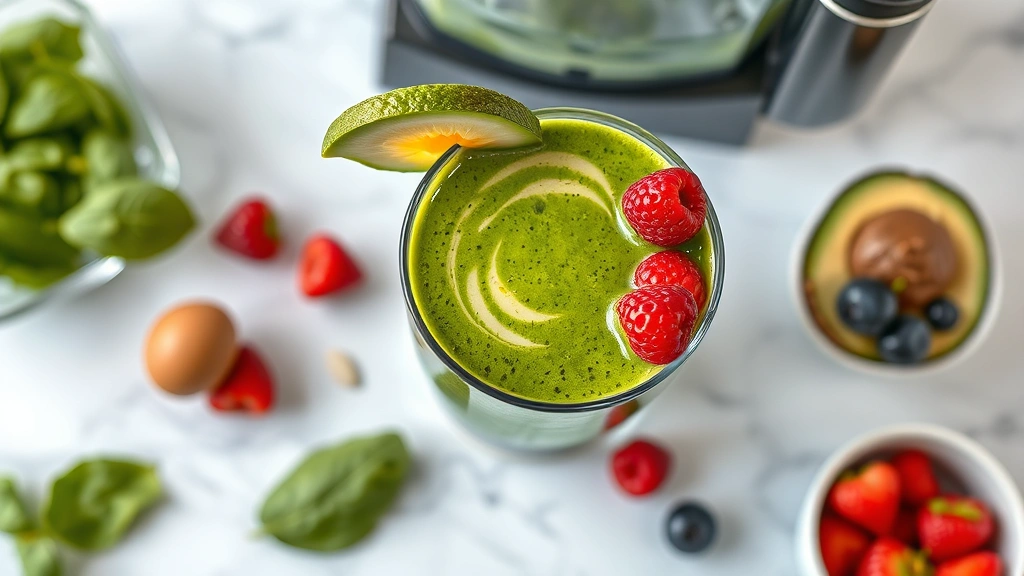
The Green Machine (330 calories, 28g protein): Combine 1 cup spinach, 1 cup unsweetened almond milk, 1 scoop vanilla whey protein, ½ frozen banana, ½ avocado, 1 tablespoon almond butter, and ice. This balanced smoothie delivers complete nutrition with healthy fats ensuring sustained fullness. The banana provides carbohydrates to fuel your morning while the fiber prevents blood sugar spikes.
Berry Protein Power (310 calories, 32g protein): Blend ½ cup Greek yogurt, ½ cup frozen mixed berries, 1 scoop vanilla protein powder, 1 cup unsweetened almond milk, 1 tablespoon ground flaxseed, and ice. Berries offer anthocyanins with potential metabolic benefits while keeping calories modest. The Greek yogurt adds creaminess and probiotics supporting digestive health.
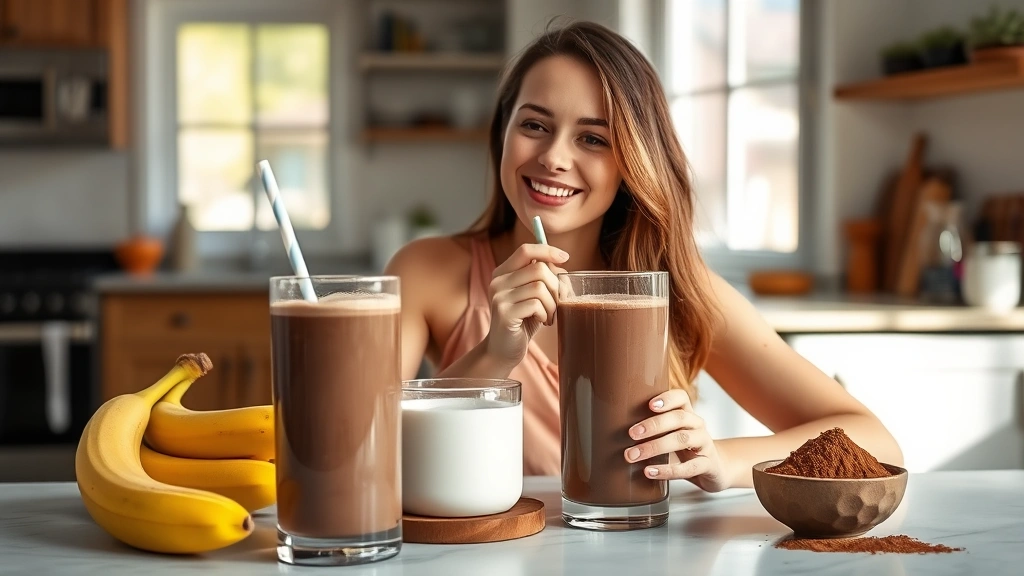
Chocolate PB Satisfaction (350 calories, 30g protein): Mix 1 scoop chocolate whey protein, 2 tablespoons natural peanut butter, 1 cup unsweetened almond milk, ½ frozen banana, 1 tablespoon unsweetened cocoa powder, and ice. This dessert-like smoothie satisfies chocolate cravings while delivering substantial protein. The combination of cocoa and peanut butter creates a treat-like experience that prevents diet fatigue.
Tropical Green (320 calories, 25g protein): Combine 1 cup spinach, ¾ cup frozen pineapple, ½ cup frozen mango, 1 scoop vanilla protein, ½ cup coconut milk (light), 1 tablespoon shredded coconut, and ice. The tropical fruits provide vitamin C and natural sweetness while spinach adds iron and magnesium without detectable flavor.
Vanilla Cottage Smoothie (280 calories, 28g protein): Blend ½ cup cottage cheese, ½ cup frozen blueberries, 1 cup unsweetened almond milk, ½ teaspoon vanilla extract, cinnamon, and ice. Cottage cheese’s casein protein digests slowly, providing extended satiety. This recipe works excellently for breakfast when you need sustained energy until lunch.
For additional recipe inspiration and variations, visit our comprehensive weight loss smoothie recipes collection featuring seasonal options and dietary modifications.
Sweetening Strategies Without Sabotaging Progress
Natural sweetness from fruits provides carbohydrates and micronutrients, making them preferable to added sweeteners. However, portion control remains essential—½ to 1 cup of fruit per smoothie suffices, with additional volume coming from vegetables, protein, and liquid.
Fruit Selection: Berries offer exceptional nutrient density with moderate sugar content. One cup of raspberries contains only 12 grams of carbohydrates and 8 grams of fiber. Bananas provide potassium and satiety but carry higher carbohydrate loads (27g per medium banana), so use ½ banana rather than whole fruits.
Sugar Alcohols: Erythritol and xylitol provide sweetness without meaningfully impacting blood glucose. They work well in smoothies requiring additional sweetness beyond natural fruit. However, excessive consumption may cause digestive discomfort, so limit to 1-2 teaspoons per serving.
Stevia: Zero-calorie and non-glycemic, stevia offers sweetness without metabolic impact. Some people detect a slight aftertaste; blending with other ingredients usually masks this. Use sparingly—stevia concentrates are potent, and oversweetening can create an unpleasant taste.
Avoid These Additions: Commercial syrups, honey, agave, and flavored yogurts contain hidden sugars that undermine weight loss goals. A single tablespoon of honey adds 17 grams of carbohydrates with minimal satiety benefit. Similarly, flavored yogurts often contain 15-20 grams of added sugar per serving—opt for plain varieties every time.
Timing and Frequency for Maximum Results
When you consume your weight loss smoothie influences its effectiveness. Most nutritionists recommend smoothies as breakfast or post-workout meals when your body can utilize the nutrients efficiently.
Breakfast Smoothies: A protein-rich smoothie at breakfast establishes satiety that extends through mid-morning. Research shows that consuming protein early in the day reduces overall daily calorie intake by promoting fullness and reducing afternoon cravings. Aim for smoothies containing 25-35 grams of protein if replacing a traditional breakfast.
Post-Workout Smoothies: Within 30-60 minutes after resistance training, a smoothie with 20-30 grams of protein and 30-50 grams of carbohydrates supports muscle recovery and replenishes glycogen stores. This timing maximizes nutrient absorption when your muscles are primed for protein synthesis. For deeper guidance, explore our article on weight loss and resistance training: how strength workouts boost fat loss.
Frequency Recommendations: Most people benefit from 3-5 smoothies weekly rather than daily consumption. Rotating between smoothies and whole-food meals ensures variety in micronutrient intake and prevents habituation that can reduce satiety. Daily smoothies risk becoming monotonous, increasing the likelihood of abandoning this strategy.
Avoid Evening Smoothies: Unless you exercise at night, consuming substantial smoothies in the evening adds unnecessary calories when your metabolic rate is lower. Evening smoothies can also disrupt sleep if they contain caffeine from chocolate or coffee additions.
Common Smoothie Mistakes That Stall Weight Loss
Excessive Fruit: The most common error involves adding too much fruit, transforming a weight loss tool into a sugar delivery system. More than 1 cup of fruit per smoothie provides excessive carbohydrates without proportional satiety benefits. Berries offer superior nutrient density compared to tropical fruits.
Skipping Protein: Smoothies without adequate protein fail to promote satiety, leaving you hungry within hours. This defeats the entire purpose of consuming a smoothie for weight management. Every smoothie should contain at least 20 grams of protein from powder, yogurt, or legumes.
Liquid Calories: Using fruit juice, sweetened almond milk, or yogurt-based liquids adds hidden sugars and calories. Unsweetened almond milk (30 calories per cup) or water with a splash of lemon provides liquid without caloric burden. Coconut milk, while nutritious, contains 45 calories per half-cup, so use sparingly.
Portion Inflation: Smoothies are easy to overconsume because liquid foods trigger less satiety signaling than solid foods. A 500-calorie smoothie consumed in two minutes provides less satisfaction than 500 calories of solid food. Sip your smoothie slowly over 10-15 minutes to allow satiety signals to register.
Nut Butter Overload: While healthy, nut butters are calorie-dense. Two tablespoons provide 190 calories; many people mindlessly add more, doubling the caloric contribution. Measure nut butters precisely and consider spreading them on whole-grain toast alongside your smoothie for improved satiety.
Neglecting Fiber: Smoothies without adequate fiber (vegetables, seeds, whole grains) fail to create sustained fullness. Aim for 8-12 grams of fiber per smoothie through spinach, berries, flaxseeds, and chia seeds.
Complementary Strategies to Amplify Results
Smoothies work most effectively within a comprehensive weight loss framework. To calculate the calories your smoothie should contain, determine your daily calorie needs and allocate 20-30% to breakfast, making most smoothies fall into the 300-450 calorie range.
Hydration Strategy: Consume 16 ounces of water before your smoothie and 8 ounces after to enhance satiety and support metabolic processes. This water consumption often prevents confusing thirst with hunger, reducing unnecessary snacking.
Meal Timing: Pair your smoothie breakfast with a substantial lunch containing lean protein and vegetables. Consistent meal timing trains your body’s hunger hormones, improving adherence and reducing cravings.
Physical Activity Integration: Smoothies support weight loss most effectively when combined with regular exercise. Resistance training builds muscle that increases resting metabolic rate, while cardiovascular activity creates additional caloric deficit. The protein in your smoothie becomes particularly valuable for muscle recovery post-exercise.
Sleep Prioritization: Inadequate sleep increases hunger hormones (ghrelin) while suppressing satiety signals (leptin). A smoothie can’t overcome poor sleep quality. Aim for 7-9 hours nightly to optimize your body’s natural appetite regulation.
Stress Management: Chronic stress elevates cortisol, promoting visceral fat storage despite caloric deficit. Incorporate stress-reduction practices like meditation, yoga, or walks alongside your smoothie routine for comprehensive metabolic support.
FAQ
Can I drink the same smoothie every day for weight loss?
While possible, daily identical smoothies risk nutrient gaps and habituation that reduces satiety. Rotate 2-3 favorite recipes weekly to ensure varied micronutrient intake and maintain psychological satisfaction. Variety prevents boredom that often derails weight loss efforts.
How much weight can I lose drinking smoothies?
Weight loss depends on overall caloric deficit, not smoothies specifically. A well-formulated smoothie supporting a 500-calorie daily deficit could contribute to 1 pound weekly weight loss. However, smoothies alone don’t create deficits—they’re tools supporting adherence to calorie targets. Individual results vary based on starting weight, metabolism, and exercise consistency.
Are frozen smoothie packs healthy?
Commercial frozen smoothie packs often contain added sugars, fillers, and fewer vegetables than homemade versions. Read ingredient lists carefully; opt for packs containing only frozen fruits and vegetables without syrups or sweeteners. Homemade freezer packs (portioned ingredients frozen in bags) offer superior control and cost savings.
What’s the best time to drink a weight loss smoothie?
Breakfast smoothies establish morning satiety that extends through mid-morning. Post-workout smoothies within 60 minutes of exercise support muscle recovery. Avoid evening smoothies unless exercising at night, as they add unnecessary calories when metabolic rate is lower.
Do weight loss smoothies need to taste like diet food?
Absolutely not. Chocolate peanut butter, berry cheesecake, and tropical smoothies taste indulgent while supporting weight loss through strategic ingredient selection. This psychological satisfaction prevents diet fatigue and improves long-term adherence. Never sacrifice enjoyment for health—sustainable approaches balance both.
Can smoothies replace solid meals?
Occasionally, yes—a protein-rich smoothie can replace breakfast or lunch. However, regularly replacing all solid meals with smoothies may reduce overall satiety due to liquid foods triggering less fullness signaling. Combine smoothies with solid meals containing whole grains, vegetables, and lean proteins for optimal results.
What if I have a sensitive digestive system?
Start with simple recipes containing 2-3 ingredients and gradually add vegetables and seeds. Spinach is gentler than kale for sensitive systems. If raw vegetables cause bloating, try frozen options or briefly heat your liquid before blending. Consider consulting a registered dietitian for personalized guidance if digestive issues persist.


