
Can Zoloft Aid Weight Loss? Doctor’s Insight
Sertraline, commonly known by its brand name Zoloft, is a selective serotonin reuptake inhibitor (SSRI) primarily prescribed to treat depression, anxiety disorders, and obsessive-compulsive disorder. Many patients taking Zoloft have reported unexpected changes in their weight, leading to a common question: can Zoloft actually aid weight loss? The answer is nuanced and depends on individual factors, dosage, duration of treatment, and overall health status. This comprehensive guide explores the relationship between Zoloft and weight loss from a medical perspective.
Understanding how psychiatric medications affect body composition is essential for anyone considering or currently taking Zoloft. While some patients experience modest weight loss, others gain weight—making it crucial to separate fact from anecdotal evidence. We’ll examine the mechanisms behind these changes, what scientific research reveals, and how to manage weight effectively while on this medication.
How Zoloft Works in Your Body
Sertraline functions as a selective serotonin reuptake inhibitor, meaning it increases available serotonin in the brain by preventing its reabsorption into nerve cells. Serotonin, often called the “happiness neurotransmitter,” plays crucial roles in mood regulation, anxiety management, and appetite control. When serotonin levels are low, depression and anxiety often accompany increased appetite and cravings for carbohydrates.
By elevating serotonin, Zoloft can theoretically reduce appetite and food cravings, particularly for sugary and starchy foods. This mechanism is why some patients report eating less and feeling satisfied with smaller portions. However, the relationship between serotonin and appetite is complex—different individuals have varying neurochemical profiles, which explains the wide range of weight responses.
Zoloft typically begins affecting serotonin levels within hours of ingestion, though noticeable mood and appetite changes often take 4-6 weeks to manifest. The medication reaches steady-state concentrations in the bloodstream after approximately one week of consistent dosing, and individual response varies significantly based on genetics, metabolism, and baseline serotonin sensitivity.
The Zoloft and Weight Loss Connection
The potential for Zoloft to contribute to weight loss stems primarily from its appetite-suppressing properties during the initial treatment phase. Some patients report reduced hunger, decreased food preoccupation, and improved ability to stick to healthy meal plans for weight loss while taking the medication. This effect is most pronounced in individuals whose depression or anxiety previously drove excessive eating or emotional eating patterns.
When depression decreases, motivation for physical activity often increases. Patients who were previously sedentary due to depressive symptoms may naturally become more active, which contributes to weight loss independent of the medication’s direct metabolic effects. Additionally, improved sleep quality—a common benefit of treating depression—supports better metabolic function and hormonal balance.
Weight loss on Zoloft is generally modest, typically ranging from 2-10 pounds in the first few months, though some individuals experience more significant changes. The weight loss is most likely to occur in the first 6-12 weeks of treatment, after which weight tends to stabilize or sometimes increase as the body adapts to the medication.
What Research Actually Shows
Clinical research published in major psychiatric journals indicates that sertraline presents a more favorable weight profile compared to other antidepressants. In comparative studies, SSRIs like Zoloft demonstrate lower rates of weight gain than tricyclic antidepressants or atypical antipsychotics. However, weight loss is not the primary outcome—rather, SSRIs are considered “weight-neutral” or minimally weight-promoting.
A comprehensive analysis found that among SSRI users, approximately 25-30% experience weight loss, 40-50% maintain stable weight, and 20-30% experience weight gain. These percentages vary significantly based on individual factors including baseline body mass index, age, gender, dosage, and concurrent medications. The heterogeneous response underscores that Zoloft is not reliably effective for weight loss as a primary treatment strategy.
The American Psychological Association emphasizes that while antidepressants may facilitate weight loss by improving mood and motivation, they should never be prescribed solely for weight management. Weight changes are typically secondary benefits of treating the underlying mental health condition.
Why Some People Gain Weight on Zoloft
Despite the theoretical appetite-suppressing effects, many patients gain weight while taking Zoloft. Several mechanisms explain this paradoxical response. First, serotonin’s effects on appetite vary individually—while increased serotonin suppresses appetite in some people, it may increase cravings for carbohydrates in others, particularly if baseline serotonin was extremely low.
Second, Zoloft can slow metabolic rate slightly, reducing daily calorie expenditure by approximately 50-100 calories. Over months and years, this small reduction compounds into significant weight gain. Additionally, the medication may increase water retention and affect how the body distributes fat, particularly around the midsection.
Third, as depression improves, appetite often normalizes—which is healthy but may result in weight gain if food intake increases without corresponding increases in physical activity. Some patients also experience increased appetite as a side effect, particularly at higher doses or after prolonged use as the body adapts to the medication.
Hormonal changes represent another significant factor. Zoloft can affect thyroid function and glucose metabolism in some individuals, potentially promoting weight gain. Women may experience these effects more prominently due to hormonal interactions with estrogen and progesterone.
Managing Weight While Taking Zoloft
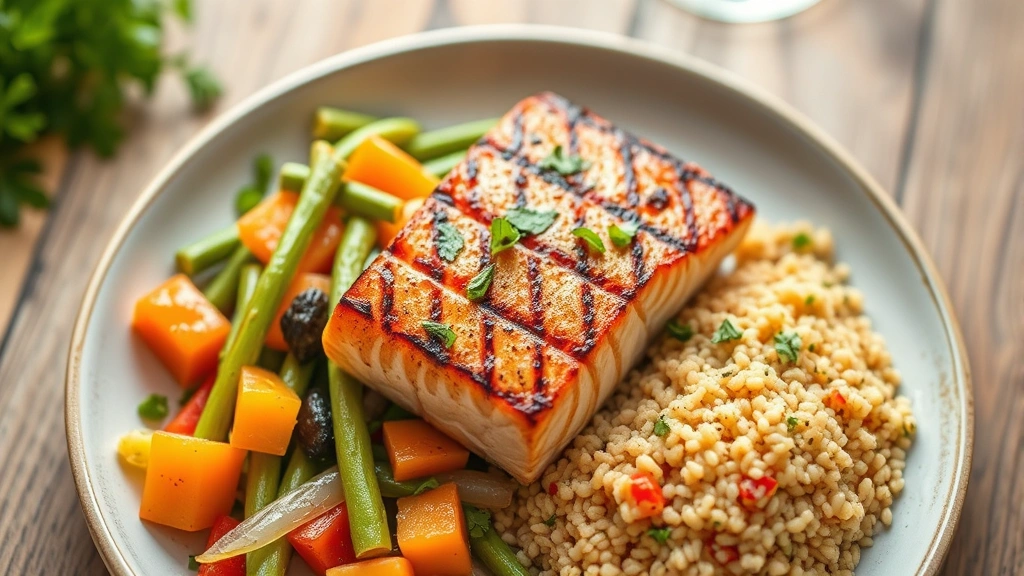
If you’re taking Zoloft and concerned about weight changes, several evidence-based strategies can help. First, incorporate best strength training exercises for weight loss into your routine at least 2-3 times weekly. Resistance training preserves muscle mass, maintains metabolic rate, and provides mood-boosting benefits that complement Zoloft’s effects.
Second, focus on whole foods and adequate protein intake. High fiber foods for weight loss support satiety and metabolic health while on SSRIs. Aim for 25-35 grams of fiber daily from vegetables, fruits, legumes, and whole grains. Protein should comprise 25-35% of calories to preserve lean mass and manage appetite.
Third, consider meal replacement shakes for weight loss if you struggle with meal planning consistency. These provide controlled nutrition and can simplify dietary adherence while managing serotonin-related appetite changes.
Fourth, stay hydrated and monitor caffeine intake. Adequate water supports metabolic function, while excessive caffeine can interfere with sleep quality—which Zoloft is meant to improve. Aim for 8-10 glasses of water daily and limit caffeine to morning hours.
Fifth, establish consistent sleep schedules. Zoloft often improves sleep, which is crucial for weight management through better hormonal regulation and metabolic function. Maintain 7-9 hours nightly and avoid screens 1-2 hours before bed.
Finally, discuss medication adjustments with your psychiatrist. If weight gain becomes problematic, dose reduction, timing adjustments (taking Zoloft at different times), or switching to alternative medications may be options. Never discontinue Zoloft without medical supervision, as withdrawal effects can be significant.
Alternative Medications and Approaches
If weight management is a priority and you’re struggling on Zoloft, several alternatives exist. Mounjaro weight loss by week demonstrates how GLP-1 receptor agonists work differently—though these are primarily diabetes medications being studied for weight management, not psychiatric treatment.
For depression and anxiety with weight concerns, bupropion (Wellbutrin) represents an alternative SSRI that often supports modest weight loss rather than weight gain. Bupropion works differently than sertraline, affecting dopamine and norepinephrine rather than solely serotonin. However, it carries different side effect profiles and contraindications.
Psychotherapy, particularly cognitive-behavioral therapy (CBT) and acceptance and commitment therapy (ACT), provides evidence-based treatment for depression and anxiety without medication-related weight effects. Many patients benefit from combined approaches using both medication and therapy.
The National Institute of Mental Health recommends discussing all treatment options with qualified mental health professionals to determine the best approach for individual circumstances.
Timeline: What to Expect
Weeks 1-2: Initial side effects may include mild nausea or headache. Weight typically remains stable as serotonin begins accumulating. Some patients report slight appetite changes.
Weeks 3-6: Mood and anxiety improvements become noticeable. Appetite suppression peaks for those who experience it. Early weight loss may occur, typically 1-3 pounds in this window.
Weeks 6-12: Maximum therapeutic effects manifest. Weight loss may continue or plateau as the body adapts. This period shows the clearest picture of how your body will respond long-term.
Months 4-6: Weight stabilizes for most patients. Those experiencing weight loss typically see total loss of 5-10 pounds by this point. Some weight regain may occur as appetite normalizes.
6+ Months: Long-term weight trends become apparent. Some patients maintain weight loss, while others gradually return to baseline or gain weight as metabolic adaptation occurs.

FAQ
Does Zoloft directly cause weight loss?
Zoloft doesn’t directly cause weight loss in most patients. Rather, by improving depression and anxiety symptoms, it may reduce emotional eating and increase motivation for physical activity. Appetite suppression occurs in some individuals but isn’t universal. The medication is considered weight-neutral overall, with individual responses varying significantly.
How much weight can you lose on Zoloft?
Average weight loss on Zoloft ranges from 2-10 pounds over 6-12 weeks for those who experience it. However, 40-50% of users maintain stable weight, and 20-30% gain weight. Individual results depend on baseline depression severity, eating patterns, activity level, and genetic factors. Zoloft should never be viewed as a weight loss medication.
Can I take Zoloft specifically to lose weight?
No. Zoloft is approved only for treating depression, anxiety disorders, OCD, PTSD, panic disorder, and premenstrual dysphoric disorder. Prescribing it solely for weight loss is inappropriate and ineffective. If you’re struggling with weight, consult a registered dietitian or obesity medicine specialist rather than seeking psychiatric medication for weight management.
Will I gain weight if I stop taking Zoloft?
Weight changes after discontinuing Zoloft depend on why you’re stopping. If you stop because depression returns, emotional eating may resume, leading to weight gain. If you stop because you’ve achieved stable mental health, weight typically remains stable if lifestyle habits continue. Never abruptly stop Zoloft—withdrawal effects require gradual tapering under medical supervision.
What’s the best way to lose weight on Zoloft?
Combine consistent strength training, adequate protein intake, whole food nutrition, proper hydration, quality sleep, and stress management. These factors address metabolic health while complementing Zoloft’s mood-stabilizing effects. Consider working with a registered dietitian familiar with psychotropic medication effects on metabolism.
Are there weight-loss-friendly antidepressants?
Bupropion (Wellbutrin) shows the most favorable weight profile among antidepressants, often supporting modest weight loss. However, individual responses vary, and the best medication depends on your specific symptoms, medical history, and side effect tolerance. Discuss options with your psychiatrist rather than choosing based solely on weight considerations.
How long before weight changes appear on Zoloft?
Initial appetite changes may occur within 2-4 weeks as serotonin levels build. Noticeable weight loss or gain typically appears after 6-12 weeks as the medication reaches steady state and your body fully adapts. Longer-term trends (beyond 6 months) better predict your individual response than early changes.
Can Zoloft dosage affect weight loss?
Higher doses may increase appetite-suppressing effects for some individuals but increase weight-gain risk for others. Dose-response relationships vary significantly. Your psychiatrist may adjust dosage based on therapeutic response and side effects, but weight management shouldn’t be the primary dosing consideration. Therapeutic efficacy for mental health takes priority.


