
30 Pounds Down: Doctor-Approved Strategies for Sustainable Weight Loss
Losing 30 pounds is a significant health milestone that can transform your life, improve your energy levels, and reduce your risk of chronic diseases. Whether you’re starting your weight loss journey or looking to break through a plateau, understanding doctor-approved strategies makes all the difference between temporary results and lasting change. This comprehensive guide reveals evidence-based approaches that medical professionals recommend to help you safely and sustainably lose 30 pounds.
The journey to losing 30 pounds isn’t about extreme restriction or unrealistic timelines. Instead, it’s about adopting sustainable habits that fit into your lifestyle while supporting your body’s natural fat-loss mechanisms. Research from the CDC consistently shows that gradual weight loss of 1-2 pounds per week leads to better long-term success than rapid weight loss methods. By following doctor-approved strategies, you’ll not only reach your 30-pound goal but maintain it for years to come.
Create a Sustainable Calorie Deficit
The foundation of any 30-pound weight loss plan is creating a calorie deficit—consuming fewer calories than your body burns. However, doctors emphasize that the deficit must be sustainable, not extreme. A moderate deficit of 500-750 calories per day typically results in losing 1-1.5 pounds weekly, meaning you could lose 30 pounds in approximately 20-30 weeks.
To calculate your personal calorie needs, start by determining your Basal Metabolic Rate (BMR)—the calories your body burns at rest. Then multiply this number by your activity level factor. For most people seeking a 30-pound weight loss, a deficit of 10-20% below maintenance calories proves most sustainable. This approach prevents the metabolic slowdown that occurs with aggressive calorie restriction, helping you avoid the dreaded weight loss plateau.
Doctors often recommend using tracking tools to understand your current intake before making changes. Many people are surprised to discover how calories accumulate throughout the day. By identifying where excess calories come from—whether sugary beverages, mindless snacking, or oversized portions—you can make targeted adjustments that don’t feel like deprivation.
Prioritize Protein and Whole Foods
One of the most doctor-endorsed strategies for losing 30 pounds involves shifting your food composition rather than just reducing quantity. Increasing protein intake while emphasizing whole foods creates multiple metabolic advantages. Protein has a higher thermic effect than carbohydrates or fats, meaning your body burns more calories digesting it. Additionally, protein promotes satiety, helping you feel fuller longer on fewer calories.
Research published in the American Journal of Clinical Nutrition demonstrates that diets with adequate protein (0.8-1.2 grams per pound of body weight) preserve lean muscle mass during weight loss. This is crucial because muscle tissue is metabolically active—it burns calories even at rest. When you lose 30 pounds without prioritizing protein, you risk losing muscle along with fat, which slows your metabolism and makes maintaining your weight loss harder.
Consider incorporating protein shakes for weight loss as a convenient way to meet your daily protein targets. Whole food sources like Greek yogurt, eggs, lean meats, and legumes should form the foundation of your meals. Combine these with high fiber foods for weight loss such as vegetables, whole grains, and fruits. Fiber adds bulk to meals without significant calories, promotes digestive health, and helps stabilize blood sugar levels—all critical for sustainable weight loss.
Eliminate or drastically reduce ultra-processed foods, which are engineered to override your body’s natural satiety signals. These foods are calorie-dense but nutrient-poor, making it easy to consume excess calories without satisfaction. By focusing on whole foods, you naturally reduce calorie intake while improving nutritional quality.

Master Portion Control Without Deprivation
Losing 30 pounds doesn’t require eliminating foods you love—it requires understanding appropriate portions. Doctors recommend using visual cues and practical tools to manage portions without obsessive measuring. Your palm can serve as a protein portion guide, your fist as a vegetable portion, and your cupped hand as a carbohydrate serving.
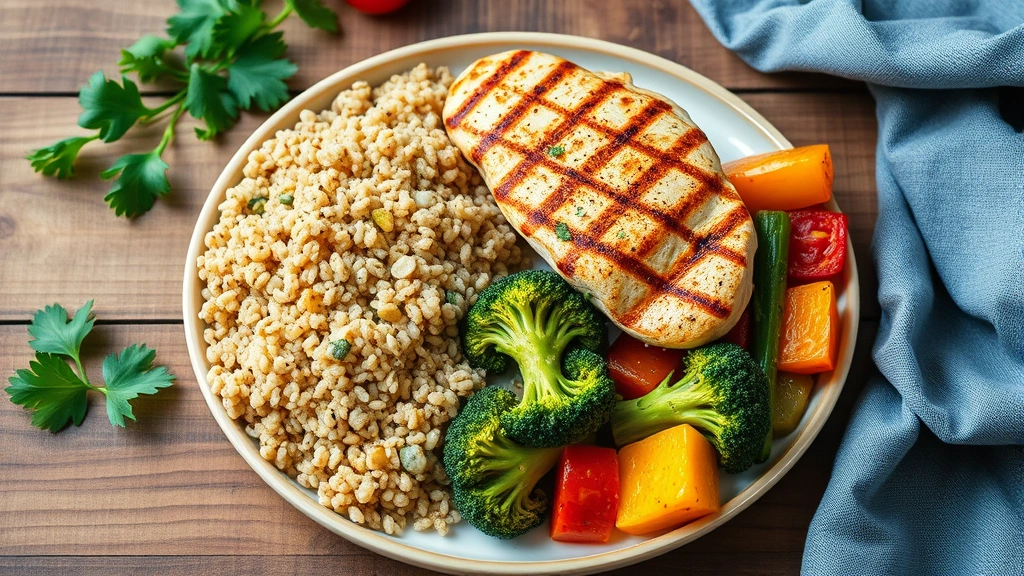
Plate composition matters significantly. Fill half your plate with non-starchy vegetables, one quarter with lean protein, and one quarter with whole grain carbohydrates or starchy vegetables. This balanced approach ensures you’re getting adequate nutrients while naturally controlling calories. The fiber and water content in vegetables promotes fullness, reducing the likelihood of overeating.
Mindful eating practices complement portion control beautifully. Doctors increasingly recommend slowing down during meals, chewing thoroughly, and eating without distractions. It takes approximately 20 minutes for satiety signals to reach your brain, so eating slowly allows you to recognize fullness before overeating. By practicing mindful eating, many people find they lose 30 pounds while actually enjoying their food more than before.
Build Exercise Into Your Routine
While weight loss primarily depends on nutrition—you cannot out-exercise a poor diet—exercise is crucial for sustainable 30-pound weight loss. Physical activity preserves muscle mass during weight loss, accelerates fat loss, improves metabolic health, and provides psychological benefits that support adherence to your plan.
A comprehensive approach combines resistance training with cardiovascular exercise. Resistance training, performed 2-3 times weekly, helps you lose fat without losing muscle. This is essential when losing 30 pounds because it ensures your weight loss comes primarily from fat, not muscle tissue. Aim for compound movements like squats, deadlifts, and push-ups that engage multiple muscle groups.
Cardiovascular exercise—whether walking, swimming, cycling, or running—burns calories and improves heart health. Start with 150 minutes of moderate-intensity aerobic activity weekly, gradually increasing as your fitness improves. Non-exercise activity thermogenesis (NEAT)—calories burned through daily movement—also contributes significantly. Simple changes like taking stairs, parking farther away, and standing while working add up to meaningful calorie expenditure.
Consistency matters more than intensity when losing 30 pounds. A sustainable exercise routine you’ll maintain for months is superior to an intense program you’ll abandon after weeks. Find activities you genuinely enjoy, whether that’s dancing, hiking, group fitness classes, or team sports. When exercise feels like recreation rather than punishment, adherence improves dramatically.
Address Metabolic and Hormonal Factors
Doctors recognize that weight loss isn’t purely about calories in versus calories out. Metabolic and hormonal factors significantly influence your ability to lose 30 pounds. Understanding these factors helps explain why some people lose weight more easily than others and identifies potential obstacles to your success.
Weight loss and insulin resistance: understanding the connection is particularly important. Insulin resistance—where your cells don’t respond properly to insulin—makes weight loss more difficult. High insulin levels promote fat storage and increase hunger. Improving insulin sensitivity through reduced refined carbohydrate intake, increased physical activity, and adequate sleep makes losing 30 pounds considerably easier.
Sleep deprivation sabotages weight loss by disrupting hunger hormones and increasing cortisol (stress hormone), which promotes fat storage. Doctors recommend 7-9 hours of quality sleep nightly for optimal weight loss. Poor sleep increases cravings for high-calorie foods and reduces willpower, making it harder to maintain your calorie deficit.
Chronic stress similarly interferes with weight loss. Elevated cortisol promotes abdominal fat storage and increases appetite, particularly for comfort foods. Stress management techniques—meditation, yoga, deep breathing, or simply spending time in nature—support your weight loss goals. Consider working with healthcare providers to identify and address any underlying metabolic conditions, thyroid issues, or hormonal imbalances that might be hindering your 30-pound weight loss.
Track Progress Beyond the Scale
The scale is a useful tool, but it’s incomplete for tracking a 30-pound weight loss. Body composition changes—losing fat while gaining muscle—might not show dramatic scale movement despite significant health improvements. Doctors recommend tracking multiple metrics to maintain motivation and ensure you’re on the right track.
Take body measurements monthly, recording chest, waist, hip, arm, and thigh circumferences. You’ll often see inches disappearing before pounds, providing encouraging feedback. Progress photos, taken monthly in consistent lighting and clothing, reveal visual changes that numbers alone cannot capture. Many people are amazed when comparing their before and after photos, noticing changes they didn’t recognize daily.
Performance metrics matter too. Can you walk farther, exercise longer, or lift heavier weights than before? Improved energy levels, better sleep quality, enhanced mood, and clearer skin are significant non-scale victories that often accompany a 30-pound weight loss. Your clothes fitting differently, needing smaller sizes, and feeling more confident in your appearance represent real progress worthy of celebration.
Use weight loss and fitness apps: your guide to smarter health choices to track multiple metrics systematically. Many apps provide insights into trends over time, helping you identify patterns and adjust strategies as needed. Regular check-ins with healthcare providers ensure your approach remains healthy and effective.
Once you’ve achieved your 30-pound weight loss goal, maintaining it requires continued commitment to the habits that got you there. Learn about how to maintain weight loss: effective strategies for long-term success to prevent regaining the weight. Most successful weight loss maintainers continue tracking food intake, exercising regularly, and prioritizing sleep and stress management. The difference is that maintenance allows slightly more flexibility while maintaining core healthy habits.
FAQ
How long does it take to lose 30 pounds safely?
At the doctor-recommended rate of 1-2 pounds weekly, losing 30 pounds typically takes 15-30 weeks (approximately 4-7 months). This timeline allows your body to adapt to changes while minimizing muscle loss and metabolic slowdown. Attempting to lose 30 pounds faster often backfires, resulting in muscle loss, nutritional deficiencies, and rapid weight regain.
Can I lose 30 pounds without exercise?
Weight loss is primarily driven by nutrition, so technically you can lose 30 pounds through diet alone. However, including exercise provides tremendous benefits: it preserves muscle mass, accelerates fat loss, improves metabolic health, and makes maintaining your weight loss easier long-term. Exercise also provides psychological benefits that support adherence to your weight loss plan.
What’s the best diet for losing 30 pounds?
The best diet is one you’ll stick with long-term. Whether you choose low-carb, Mediterranean, DASH, or simply a balanced whole-food diet, the critical factor is creating a calorie deficit with foods you enjoy. Doctor-approved approaches emphasize whole foods, adequate protein, plenty of vegetables, and portion control rather than specific diet names.
Will losing 30 pounds improve my health?
Absolutely. A 30-pound weight loss significantly improves numerous health markers: reduced blood pressure, improved cholesterol levels, better blood sugar control, decreased inflammation, and reduced risk of heart disease, type 2 diabetes, and certain cancers. Many people also experience improved joint health, better sleep quality, and enhanced mood and confidence.
What if I hit a plateau while losing 30 pounds?
Weight loss plateaus are normal and temporary, occurring as your body adapts to changes. Address plateaus by slightly reducing calorie intake, increasing exercise intensity or duration, reassessing your food portions, improving sleep quality, or managing stress. Sometimes a brief diet break—eating at maintenance calories for a few days—can restart progress.
How do I prevent regaining weight after losing 30 pounds?
Prevention requires maintaining the habits that created your weight loss: continuing to prioritize whole foods, monitoring portions, exercising regularly, sleeping 7-9 hours nightly, and managing stress. Many successful maintainers continue tracking food intake or using fitness apps, though less intensively than during active weight loss. Regular weigh-ins help catch small gains before they become significant.


