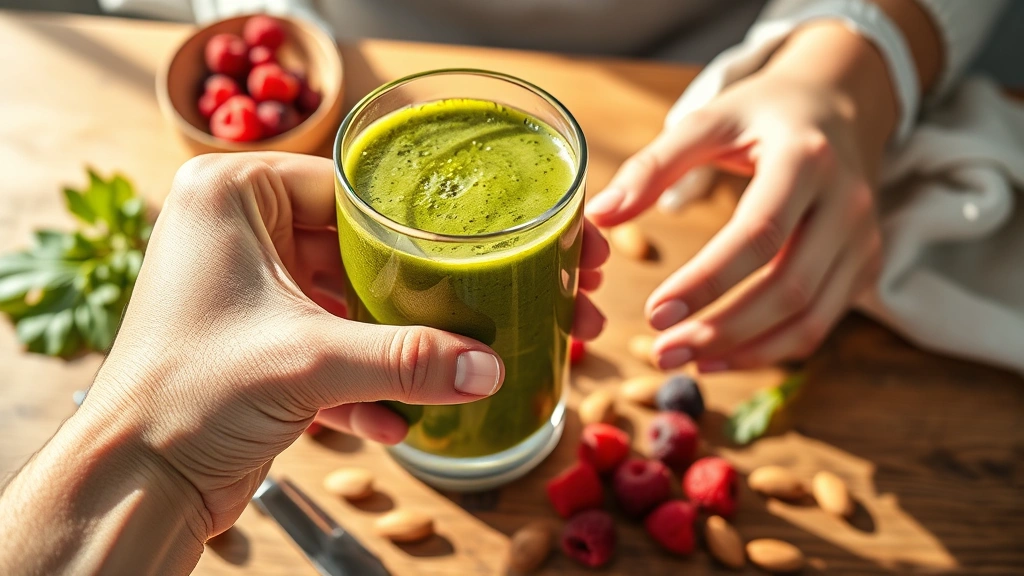
7-Day Smoothie Weight Loss Plan: Nutritionist Tips for Sustainable Results
Smoothies have become a cornerstone of modern weight loss strategies, offering a convenient way to pack nutrients into a single glass. But does a 7-day smoothie weight loss diet plan actually work, and more importantly, is it sustainable? As a nutritionist-backed approach, smoothie-based plans can jumpstart your journey, but understanding the science behind them is crucial for long-term success.
The appeal is undeniable: nutrient-dense beverages that taste like treats, require minimal preparation, and can replace calorie-dense meals. However, many people approach smoothie diets with unrealistic expectations, hoping for dramatic transformations in just one week. This comprehensive guide explores how to use smoothies effectively for weight loss, what nutritionists actually recommend, and how to transition from a 7-day plan into lasting lifestyle changes that support your wellness goals.
Whether you’re considering this approach or already committed to trying it, understanding the nutritional framework behind smoothie-based weight loss will help you maximize results while maintaining your health and energy levels throughout the process.
How Smoothies Support Weight Loss
Smoothies facilitate weight loss through several interconnected mechanisms. First, liquid-based meals increase satiety—the feeling of fullness—because the body processes blended foods differently than solid meals. When fruits, vegetables, and proteins are liquefied, they create a larger volume of food in your stomach, triggering stretch receptors that signal fullness to your brain.
Second, protein-rich smoothies reduce hunger hormones like ghrelin while increasing satiety hormones like peptide YY. Research published in the American Journal of Clinical Nutrition demonstrates that protein consumption leads to greater appetite suppression compared to carbohydrates or fats alone. This is why including Greek yogurt, protein powder, or nut butters in your smoothies significantly impacts weight loss success.
Third, smoothies allow precise calorie control. Unlike whole meals where portions can vary dramatically, a blended beverage lets you measure ingredients accurately. A typical weight loss smoothie contains 250-350 calories, which is substantially lower than most restaurant meals or processed snacks that easily exceed 500-800 calories.
Additionally, smoothies improve nutrient bioavailability. Blending breaks down cell walls in fruits and vegetables, making vitamins, minerals, and phytonutrients more accessible for absorption. This means your body extracts maximum nutrition from fewer calories, supporting metabolic health during calorie restriction.
Finally, the convenience factor cannot be overlooked. When healthy smoothies are readily available, you’re less likely to reach for convenience foods or fast-food options. This behavioral shift often proves more impactful than the smoothies themselves in determining long-term weight loss success.
The 7-Day Smoothie Plan Framework
A structured 7-day smoothie plan works best when balanced with whole foods and realistic calorie deficits. Rather than replacing all meals with smoothies, nutritionists recommend using smoothies as replacements for breakfast and lunch, while maintaining a balanced dinner with whole foods. This approach provides structure while preventing nutritional deficiencies and food boredom.
Daily calorie targets for safe, sustainable weight loss typically range from 1,500-1,800 calories for most adults, depending on current weight, activity level, and metabolic factors. Allocating 250-300 calories for breakfast smoothie, 300-350 for lunch smoothie, and 600-700 for dinner leaves room for two small snacks (100-150 calories each), supporting stable blood sugar and sustained energy.
The framework operates on these principles:
- Consistency: Drinking smoothies at the same times daily helps regulate appetite hormones and metabolic patterns
- Variety: Rotating different fruits, vegetables, and proteins prevents nutrient gaps and maintains interest
- Balance: Each smoothie should contain protein, healthy fats, and complex carbohydrates
- Hydration: Blending with water, coconut water, or unsweetened almond milk rather than juice maximizes volume while minimizing liquid calories
- Whole food dinners: Evening meals featuring lean proteins, vegetables, and whole grains support nutrient intake and satisfaction
This balanced approach typically results in 1-2 pounds of weight loss per week, which aligns with CDC recommendations for sustainable weight loss. Faster weight loss often indicates water loss and muscle loss rather than fat loss, making the gradual approach more effective long-term.
Essential Ingredients for Weight Loss Smoothies
Building effective weight loss smoothies requires understanding ingredient categories and their nutritional roles. Each component serves a specific purpose in creating satiating, nutrient-dense beverages.
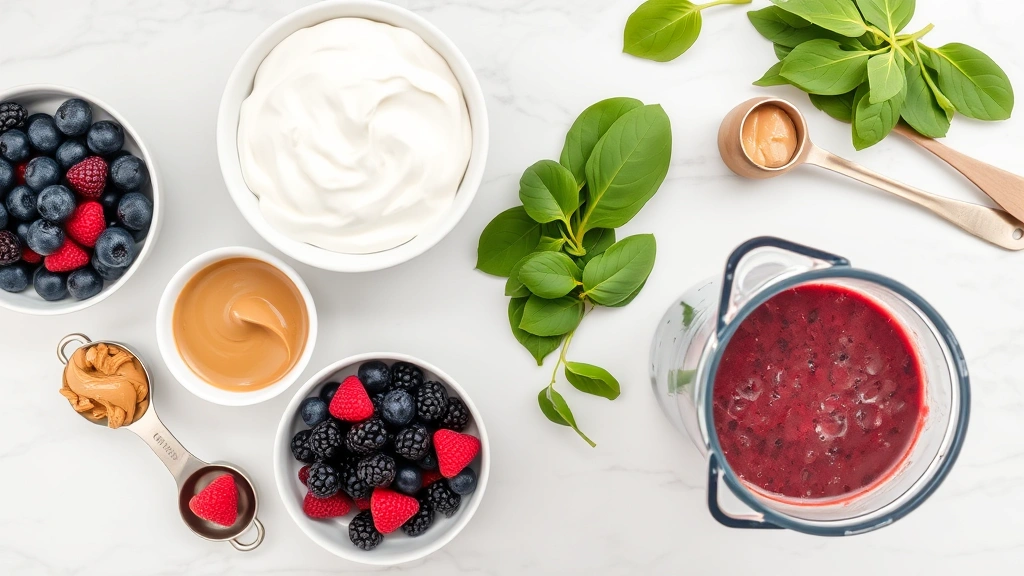
Protein Foundation (25-30g per smoothie): Greek yogurt provides protein and probiotics supporting digestive health. Whey or plant-based protein powder offers convenience and precise protein amounts. Cottage cheese adds creaminess with exceptional protein content. Nut butters contribute both protein and healthy fats that slow digestion and extend satiety. Combining protein sources—such as yogurt plus protein powder—ensures amino acid variety.
Fruit Selection (1-1.5 cups): Berries (blueberries, raspberries, strawberries) contain fewer calories and more fiber than tropical fruits while providing antioxidants. Bananas offer potassium and natural sweetness but are calorie-denser, so use half a banana rather than whole. Apples provide fiber that promotes fullness. Avoid fruit juices entirely; whole fruits provide fiber that juices lack.
Vegetable Integration (0.5-1 cup): Spinach and kale add negligible calories while providing iron, calcium, and vitamins. Cucumber adds volume and hydration. Zucchini creates creaminess without sweetness. Carrot adds subtle sweetness and beta-carotene. Frozen vegetables work excellently and often cost less than fresh options.
Healthy Fats (1-2 tablespoons): Chia seeds and flaxseeds provide omega-3 fatty acids and soluble fiber that slows gastric emptying. Avocado offers creamy texture with heart-healthy monounsaturated fats. Nuts (almonds, walnuts) contribute satiety-promoting fats. These fats are calorie-dense, so measure carefully, but their satiety benefits justify the calories.
Liquid Base (0.5-1 cup): Unsweetened almond milk provides only 30 calories per cup while offering calcium if fortified. Coconut water adds electrolytes but contains more natural sugars. Plain water maximizes nutrient concentration without added calories. Greek yogurt or cottage cheese can partially replace liquid for creamier texture.
Optional Additions: Cinnamon improves blood sugar regulation and adds flavor without calories. Vanilla extract provides taste complexity. Ginger aids digestion and may reduce inflammation. Turmeric offers anti-inflammatory benefits. Green tea powder adds antioxidants and subtle metabolism support. Ice creates volume and satisfying texture.
Daily Smoothie Recipes and Meal Structure
Here’s a practical 7-day smoothie plan that rotates flavors while maintaining nutritional consistency:
Day 1 – Green Power Smoothie (280 calories): 1 cup unsweetened almond milk, 1 cup fresh spinach, ½ frozen banana, ½ cup frozen blueberries, ½ cup Greek yogurt, 1 tablespoon almond butter, ice. Breakfast option with 18g protein and 7g fiber.
Day 2 – Berry Protein Blend (310 calories): 1 cup unsweetened coconut water, 1 cup mixed frozen berries, ¾ cup Greek yogurt, 1 scoop vanilla protein powder, 1 tablespoon chia seeds, ice. Provides 28g protein and natural sweetness without added sugars.
Day 3 – Tropical Green (290 calories): ¾ cup water, 1 cup frozen spinach, ½ frozen mango, ½ cup pineapple, ½ cup cottage cheese, 1 tablespoon coconut oil, ice. Offers digestive enzymes from pineapple with sustained energy from healthy fats.
Day 4 – Chocolate Peanut Butter (320 calories): 1 cup unsweetened almond milk, ½ frozen banana, 2 tablespoons natural peanut butter, 1 scoop chocolate protein powder, ¼ cup Greek yogurt, ice. Satisfies sweet cravings while delivering 26g protein.
Day 5 – Vegetable Sunrise (275 calories): 1 cup water, 1 cup frozen spinach, ½ cup frozen zucchini, ½ cup frozen mango, ¾ cup Greek yogurt, 1 tablespoon flaxseeds, ice. Maximizes vegetables while maintaining pleasant taste through fruit sweetness.
Day 6 – Apple Cinnamon Almond (305 calories): 1 cup unsweetened almond milk, 1 medium apple (chopped), ½ cup Greek yogurt, 1 scoop vanilla protein, ½ tablespoon almond butter, ¼ teaspoon cinnamon, ice. Supports blood sugar stability through cinnamon and apple pectin.
Day 7 – Mixed Berry Recovery (295 calories): ¾ cup water, 1 cup mixed frozen berries, ½ cup cottage cheese, ½ cup Greek yogurt, 1 tablespoon almond butter, ice. Double-protein formula maximizes satiety and muscle preservation.
For dinners throughout the week, prioritize lean proteins with vegetables and whole grains: grilled chicken breast with roasted broccoli and quinoa, baked salmon with sweet potato and asparagus, ground turkey tacos with lettuce wraps and peppers, or vegetable stir-fry with tofu and brown rice. These whole-food dinners provide essential nutrients smoothies cannot fully supply and support long-term adherence.
Combining Smoothies with Exercise
While smoothies create calorie deficits through nutrition, combining them with exercise amplifies weight loss while preserving muscle mass. During calorie restriction, your body risks losing both fat and muscle. Resistance training signals your body to preserve muscle tissue, ensuring weight loss comes primarily from fat stores.
Incorporating weight loss workout routines at home three to four times weekly provides significant benefits without requiring gym memberships. Bodyweight exercises like squats, push-ups, lunges, and planks build muscle while burning calories. Even 20-30 minutes of consistent resistance training substantially improves body composition compared to diet alone.
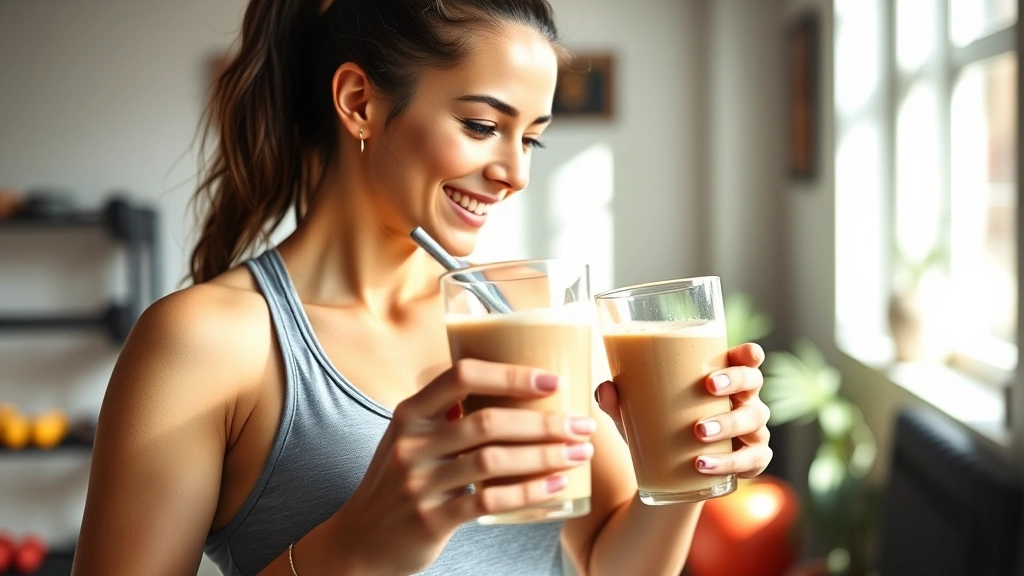
Timing matters strategically: consuming your smoothie within 30-60 minutes after exercise provides amino acids for muscle recovery and carbohydrates for glycogen replenishment. This post-workout smoothie should contain slightly more carbohydrates (½ banana plus berries) and protein (30-35g) than typical smoothies.
Cardiovascular activity complements resistance training by increasing daily calorie expenditure. Brisk walking, cycling, or swimming for 150 minutes weekly accelerates fat loss while supporting cardiovascular health. The combination of smoothie-based nutrition, resistance training, and cardiovascular activity creates a comprehensive approach that produces sustainable results.
Common Mistakes to Avoid
Mistake 1: Using Fruit Juice as Base: Fruit juice contains concentrated sugars without fiber, spiking blood sugar and providing minimal satiety. Whole fruits blended into smoothies provide the same nutrients plus fiber that stabilizes blood sugar and extends fullness.
Mistake 2: Excessive Sweeteners: Adding honey, agave, or simple syrups transforms healthy smoothies into desserts. Frozen fruits naturally provide sweetness; additional sweeteners are unnecessary and counterproductive for weight loss.
Mistake 3: Insufficient Protein: Smoothies without adequate protein fail to suppress hunger hormones, leading to increased snacking and overeating. Aim for minimum 20-25g protein per smoothie, preferably 25-30g.
Mistake 4: Replacing All Meals with Smoothies: While convenient, smoothie-only diets lack certain nutrients and fail to provide the satisfaction of chewing whole foods. This often leads to unsustainable adherence and nutritional deficiencies.
Mistake 5: Ignoring Portion Sizes: Nut butters, seeds, and avocados are healthy but calorie-dense. Eyeballing portions rather than measuring leads to smoothies exceeding 500+ calories, negating weight loss benefits.
Mistake 6: Neglecting Water Intake: Smoothies contain water but aren’t adequate hydration alone. Drinking additional water throughout the day supports metabolism, satiety, and toxin elimination. Aim for 8-10 glasses daily beyond smoothie consumption.
Mistake 7: Expecting Permanent Results from 7 Days: A 7-day smoothie plan initiates weight loss but doesn’t create lasting change. Expecting to return to previous eating habits while maintaining results guarantees weight regain. Smoothies work as transition tools toward sustainable healthy eating.
Transitioning to Long-Term Success
The 7-day smoothie plan succeeds most effectively when viewed as a structured introduction to healthier eating rather than a standalone solution. After completing the initial week, gradually integrate smoothies into a broader healthy lifestyle rather than abandoning them entirely.
Consider using smoothies for 4-5 breakfasts weekly rather than daily, rotating with whole grain toast with eggs or oatmeal with berries. This variation prevents food boredom while providing different nutrient profiles. Lunch smoothies can continue 3-4 times weekly, with other days featuring salads, whole grain wraps, or soup-based meals.
Understanding how smoothies fit into broader weight loss strategies enhances long-term success. High protein diet approaches emphasize protein’s role in satiety and metabolism—principles that smoothies leverage effectively. Similarly, exploring how to improve metabolic rate reveals that consistent meal timing (like regular smoothie consumption) supports metabolic efficiency.
For those interested in alternative dietary approaches, weight loss on keto diet strategies offer different frameworks, though smoothies fit less naturally into ketogenic approaches due to fruit content. However, modified smoothies using avocado, nut butters, and protein powder can align with lower-carbohydrate goals.
Maintaining weight loss long-term requires establishing sustainable habits rather than relying on temporary restrictions. Smoothies facilitate this transition by normalizing healthy food choices, building cooking skills through recipe experimentation, and creating positive associations with nutritious eating.
Consulting with registered dietitian nutritionists provides personalized guidance based on individual health conditions, medications, and goals. A professional can identify nutritional gaps in your smoothie plan and suggest adjustments supporting your unique needs.
Beyond the initial 7 days, tracking progress through metrics beyond scale weight—such as energy levels, clothes fit, strength improvements, and body composition changes—provides more accurate assessment of success. The scale fluctuates based on water retention, hormonal cycles, and muscle gain, so these alternative metrics offer better insight into true progress.
Building a supportive environment accelerates long-term success. Sharing your smoothie plan with friends or family, joining online communities focused on weight loss, or working with an accountability partner increases adherence and motivation. Social support consistently emerges in research as among the strongest predictors of sustained weight loss.
Addressing underlying eating patterns and emotional relationships with food proves essential for lasting change. If you use food for stress management or emotional regulation, smoothies alone won’t solve these patterns. Consider incorporating mindfulness practices, stress management techniques, or counseling to address these behavioral components alongside nutritional changes.
FAQ
Can I lose weight in 7 days with smoothies?
Yes, most people experience 3-5 pounds of weight loss during a structured 7-day smoothie plan. However, this initial loss includes water weight and glycogen depletion, not purely fat loss. Continuing the approach beyond 7 days generates more meaningful fat loss, typically 1-2 pounds weekly.
Are store-bought smoothies as effective as homemade?
Store-bought smoothies often contain added sugars, larger portions, and less protein than homemade versions. A 16-ounce commercial smoothie frequently exceeds 400-500 calories with minimal protein. Homemade smoothies offer superior control over ingredients and calories, making them significantly more effective for weight loss.
Can I drink smoothies if I have diabetes?
Yes, but with modifications. Understanding insulin resistance helps optimize smoothie composition for blood sugar management. Focus on low-glycemic fruits (berries), increase protein and fiber, minimize sweeteners, and pair smoothies with protein-rich meals. Consult your healthcare provider or dietitian for personalized recommendations.
What if I get hungry between meals?
Hunger between smoothie meals indicates insufficient protein or fiber. Increase protein powder to 1.5 scoops or add an extra tablespoon of nut butter. If hunger persists, consume a satisfying snack: Greek yogurt with berries, almonds, or celery with almond butter. Drinking water first is also important, as thirst often mimics hunger.
How long should I follow the 7-day plan?
Most people benefit from the structured 7-day plan as an introduction. Extending to 14-21 days provides additional benefits, but beyond that, integrate smoothies into a broader healthy lifestyle rather than relying on them exclusively. This transition prevents nutrient gaps and improves long-term adherence.
Will I regain weight after stopping smoothies?
Weight regain occurs when returning to previous eating habits, not from discontinuing smoothies. If you develop healthier eating patterns during the 7-day plan and maintain them afterward, weight remains stable. View smoothies as tools for establishing better habits rather than permanent solutions.
Are smoothies appropriate for athletes?
Absolutely. Post-workout smoothies support muscle recovery and glycogen replenishment. Athletes can increase portions (up to 400-500 calories) and add more carbohydrates (whole banana, oats) to support higher caloric needs and training demands. Protein requirements remain 25-35g for effective recovery.


