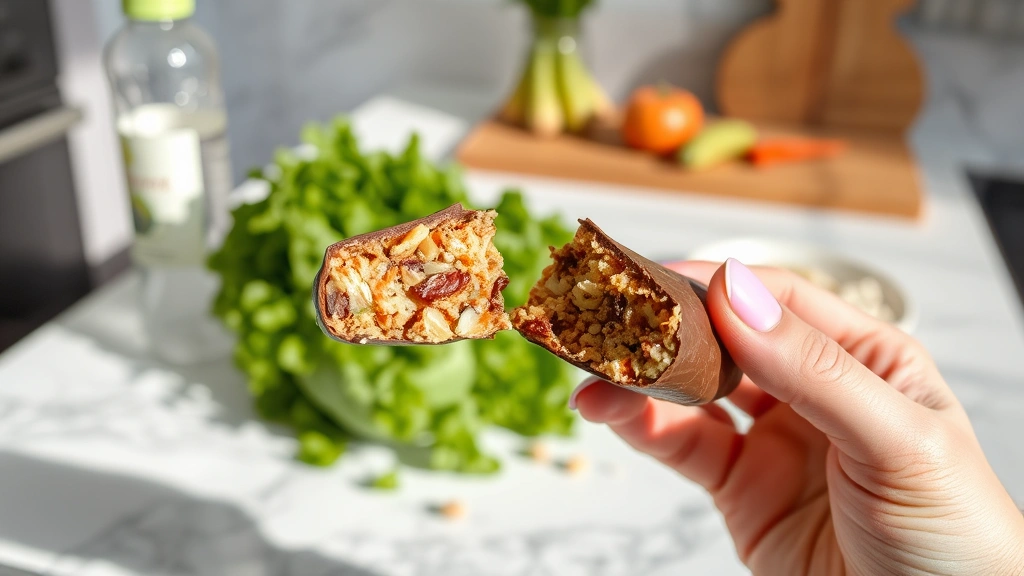
Top Protein Bars for Weight Loss? Nutritionist Picks
Finding the right protein bar can transform your weight loss journey. With countless options flooding grocery shelves, it’s easy to feel overwhelmed by marketing claims and conflicting nutritional information. Many people turn to protein bars as convenient snacks that promise satiety, muscle support, and weight management—but not all bars deliver on these promises.
As a nutrition-focused weight loss guide, we’ve evaluated dozens of protein bars based on ingredient quality, protein content, sugar levels, and real-world effectiveness for sustainable weight loss. This comprehensive guide reveals which bars actually support your goals and which ones are disguised desserts that sabotage progress.
What Makes a Protein Bar Weight Loss-Friendly
Not every high-protein snack supports weight loss effectively. Understanding the key nutritional markers helps you identify bars that genuinely aid your goals rather than hindering them. Protein content should range between 15-30 grams per bar, providing meaningful satiety without excessive calories. Research from the Journal of Nutrition and Metabolism demonstrates that adequate protein intake increases fullness hormones and reduces overall calorie consumption.
Sugar content matters significantly for weight management. Quality protein bars contain 5 grams or less of added sugar, relying instead on sugar alcohols or stevia for sweetness. Total carbohydrates should stay below 30 grams, with fiber comprising at least 3-5 grams of that total. This combination stabilizes blood glucose, preventing energy crashes that trigger cravings and overeating.
Ingredient transparency reveals whether a bar truly supports your health. Avoid products listing hydrogenated oils, artificial flavors, or unrecognizable chemicals. Whole food ingredients—nuts, seeds, whey or plant-based proteins, and real chocolate—indicate a bar designed for nutrition rather than shelf stability. Calorie density should typically fall between 150-250 calories, making bars suitable as snacks rather than meal replacements without proper planning.
When integrated into a structured calorie intake strategy, quality protein bars become powerful weight loss tools. They work best when you understand your daily nutritional targets and account for bar consumption within your overall plan.
Top Nutritionist-Recommended Protein Bars
Quest Nutrition Protein Bars consistently rank among nutritionist favorites. With 20 grams of protein, under 1 gram of sugar, and only 170 calories, these bars deliver impressive nutritional density. The formula uses whey protein isolate and sugar alcohols, creating a product that doesn’t spike blood glucose. Available in flavors like Chocolate Chip Cookie Dough and Cookies and Cream, they satisfy sweet cravings without derailing progress.
RXBAR takes a minimalist approach with transparent ingredients: egg white protein, nuts, and dates. Each bar provides 12 grams of protein with just 1-4 grams of sugar, though calorie content reaches 210. The whole-food approach appeals to those prioritizing ingredient quality, though protein content runs slightly lower than some alternatives. Perfect for post-workout snacking or afternoon hunger management.
Perfect Bar Refrigerated Protein Bars offer a softer texture and superior ingredient profile. With 15-20 grams of protein, 5 grams of net carbs, and real whey protein concentrate, these bars feel more like indulgences than supplements. The refrigerated format prevents ingredient separation and maintains nutritional integrity better than shelf-stable options. Slightly higher cost reflects premium ingredients and manufacturing standards.
Clif Bar Whey Protein Bars work well for active individuals, containing 10 grams of protein alongside more carbohydrates suited for energy support. While slightly higher in sugar (10 grams), the whole grain oats and real chocolate appeal to those balancing protein intake with active lifestyles. Less ideal as sole weight loss snacks but excellent for post-exercise recovery.
ONE Protein Bars deliver 20 grams of protein with only 1 gram of sugar and just 200 calories. Using a blend of whey and milk protein isolates, these bars maintain creamy texture without artificial aftertaste. The extensive flavor variety—from Birthday Cake to Maple Glazed Doughnut—helps prevent flavor fatigue during sustained weight loss efforts.
How Protein Bars Fit Into Your Weight Loss Strategy
Successful weight management requires understanding protein bars as tools within a comprehensive approach, not magic solutions. Bars work best when replacing higher-calorie snacks rather than adding extra calories to your intake. Someone consuming 300-calorie chips might swap for a 200-calorie protein bar, creating the deficit needed for weight loss.
Timing matters for appetite management. Consuming a protein bar mid-morning or mid-afternoon, when energy typically dips, stabilizes blood sugar and reduces the likelihood of reaching for unhealthy options later. The protein content triggers satiety hormones, making it easier to eat reasonable portions at subsequent meals. This strategy proves particularly effective when combined with understanding your daily calorie requirements.
Bars shouldn’t replace whole foods as your primary protein source. Lean meats, fish, Greek yogurt, and legumes provide superior micronutrient profiles and greater satiety per calorie. Think of bars as convenient supplements for busy days, not dietary staples. Research from the Academy of Nutrition and Dietetics emphasizes that whole foods remain superior for long-term weight management and overall health.
Portion control remains essential. While one bar makes sense as a snack, consuming multiple bars daily adds unnecessary calories and processed ingredients. Set specific times when bars fit your plan rather than eating them whenever hunger strikes. This intentional approach prevents the “health halo effect” where people overestimate the weight loss impact of healthy-sounding foods.
When working with a weight loss coach, discuss bar selection to ensure choices align with your specific macronutrient targets and food preferences. Professional guidance helps you maximize bars’ benefits while avoiding common pitfalls.
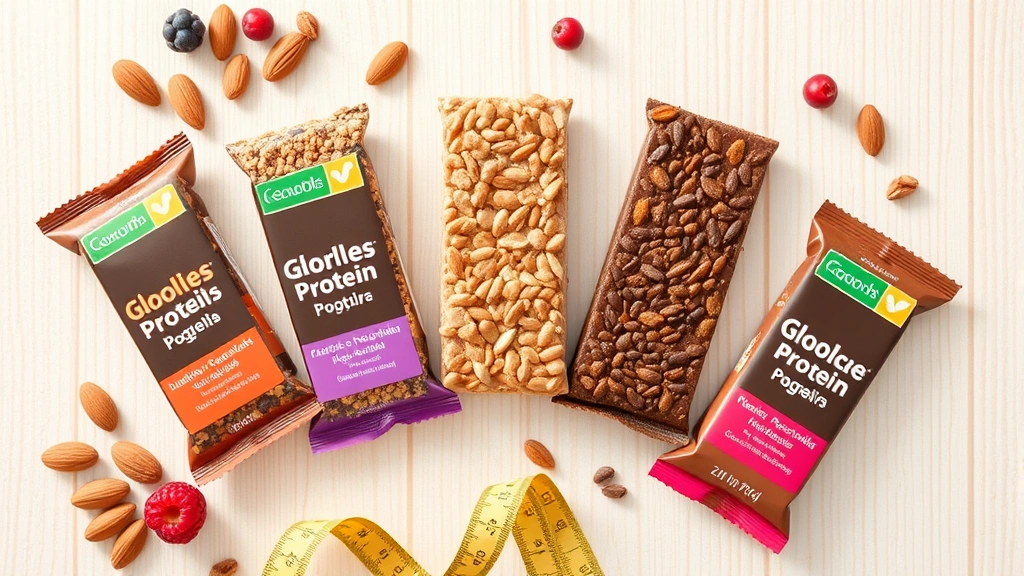
Common Mistakes When Choosing Protein Bars
Ignoring total sugar content represents the most frequent error. Many bars marketed as healthy contain 15-20 grams of sugar, equivalent to candy bars in terms of blood glucose impact. The “protein bar” label creates a false sense of nutritional superiority. Always check the nutrition facts panel, not the marketing on the front.
Overlooking calorie density leads people to consume bars that exceed their snack allowance. A 300-calorie bar might fit within daily targets, but it shouldn’t serve as a light snack. Recognize where bars fit in your overall calorie budget rather than treating them as guilt-free foods.
Assuming higher protein equals better results misleads many consumers. A 40-gram protein bar doesn’t necessarily support weight loss better than a 15-gram alternative if it contains excessive calories and sugar. Balance matters more than individual nutrient maximization.
Neglecting ingredient quality by choosing based solely on price or convenience undermines long-term health. Bars with unrecognizable additives and artificial ingredients may deliver short-term satiety but don’t support sustainable eating habits or overall wellness.
Using bars as meal replacements without proper planning creates nutritional gaps. While possible in structured programs, replacing actual meals with bars typically provides insufficient micronutrients and fiber. Bars work best alongside whole foods, not instead of them.
Forgetting to account for bars in total daily intake represents another critical mistake. Someone might track meals perfectly but forget to log their afternoon bar, creating unexpected calorie surplus. Treat bars like any other food—measure, track, and account for them within your daily plan.
Comparing Bars vs Other Protein Sources
Protein bars offer convenience that whole foods cannot match. You can consume a bar in seconds during commutes or between meetings, whereas preparing chicken and vegetables requires planning and time. For busy professionals, this convenience supports consistency—easier adherence beats perfectly optimal nutrition that proves unsustainable.
Whole food proteins like eggs, Greek yogurt, and lean meats provide superior satiety per calorie. The mechanical act of chewing and the complex micronutrient profiles trigger greater fullness than processed bars. Someone eating 200 calories of grilled chicken experiences more satisfaction than 200 calories of protein bar. When possible, whole foods should form your primary protein foundation.
Protein shakes offer middle ground between bars and whole foods. Liquid options digest quickly, making them ideal post-workout, but they trigger less satiety than solid foods due to reduced chewing. Protein shakes for weight loss work best as meal components rather than standalone meals.
Cost comparison reveals bars’ premium pricing. A single quality protein bar costs $1-3, while equivalent protein from eggs costs $0.30-0.50. Over months of weight loss, this difference becomes significant. Bars excel for convenience and consistency, but budget-conscious individuals should emphasize whole foods supplemented with occasional bars.
Nutrient density favors whole foods overwhelmingly. Salmon provides protein alongside omega-3 fatty acids, selenium, and B vitamins. Broccoli with your chicken adds fiber, vitamins K and C, and phytonutrients. Protein bars deliver protein and little else nutritionally. Think of bars as convenient supplements, not nutritional equals to whole foods.
The psychological factor matters too. Some people find bars psychologically satisfying as treat-like foods, supporting adherence to healthier eating patterns. Others develop dependency, constantly seeking bars when whole foods would provide greater satisfaction. Know yourself and choose strategies that genuinely support your preferences and sustainability.
For weight loss without exercise, bars can ease adherence by simplifying snack choices and reducing decision fatigue. Combined with structured meal planning, they support the calorie deficit necessary for sustainable weight loss.

FAQ
Can I eat protein bars every day for weight loss?
Yes, you can consume protein bars daily if they fit within your calorie and macronutrient targets. However, relying exclusively on bars while neglecting whole foods creates nutritional gaps. Limit bars to 1-2 daily maximum, using them strategically for convenience rather than as dietary staples. Whole foods should comprise 80-90% of your protein intake, with bars supplementing as needed.
Which protein bar has the least sugar?
Quest Nutrition and ONE Protein Bars lead the market with under 1 gram of added sugar per bar. Both use sugar alcohols and stevia for sweetness without spiking blood glucose. Check individual flavors, as some variations contain slightly more sugar than others. Always verify the nutrition facts panel rather than relying on brand reputation alone.
Do protein bars help build muscle during weight loss?
Protein bars support muscle preservation during weight loss when combined with adequate total protein intake and resistance training. The bars themselves don’t build muscle—the amino acids they provide, paired with strength training stimulus, support muscle protein synthesis. Aim for 0.8-1 gram of protein per pound of body weight daily, using bars as part of this total rather than your sole protein source.
Are protein bars better than whole food snacks?
Whole food snacks typically provide greater satiety and micronutrient density. A handful of almonds or Greek yogurt with berries offers more nutritional value than equivalent-calorie bars. However, bars excel for convenience and consistency. Choose based on your lifestyle—if bars help you stick to your plan, they’re superior to less convenient whole foods you’ll skip. Ideally, use both strategically.
How do I incorporate bars into my weight loss plan?
Account for bars within your daily calorie target, treating them like any other food. If your target is 1800 calories and you consume a 200-calorie bar, you have 1600 remaining for meals. Use bars strategically during predictable hunger times or busy days when whole food preparation isn’t feasible. Work with a weight loss coach to optimize bar selection for your specific goals and preferences.
Can protein bars replace meals?
Occasional meal replacement works, but making bars your regular meal replacement creates nutritional deficiencies. One bar lacks sufficient calories, fiber, and micronutrients for adequate meals. For sustained weight loss and health, meals should emphasize whole foods with vegetables, lean proteins, and complex carbohydrates. Bars work best as snacks, not meal replacements, for long-term success in maintaining weight loss.


