Boiled Pierogies for Weight Loss? Nutritionist Tips
Pierogies, the beloved Eastern European dumplings filled with potatoes, cheese, or meat, are often considered comfort food rather than a weight loss staple. However, the question of whether boiled pierogies can support weight loss deserves a nuanced answer. When prepared thoughtfully and consumed strategically, boiled pierogies can actually fit into a balanced weight loss plan. The key lies in understanding their nutritional profile, controlling portion sizes, and pairing them with nutrient-dense foods.
Many people assume that any traditional carbohydrate-rich food is off-limits during weight loss. This all-or-nothing thinking often leads to unsustainable diets and eventual weight regain. Instead, modern nutrition science emphasizes flexible dieting and finding room for foods you enjoy within a calorie deficit. Boiled pierogies, when prepared without excessive butter or sour cream, can be part of this approach. This guide explores how to make pierogies work for your weight loss journey while maintaining cultural food traditions and long-term dietary adherence.
Nutritional Breakdown of Boiled Pierogies
Understanding the nutritional content of boiled pierogies is essential for making informed dietary decisions. A typical serving of boiled pierogies (about 3-4 pieces, roughly 150 grams) contains approximately 200-250 calories, depending on the filling. Potato and cheese pierogies tend to be slightly higher in calories than meat-filled varieties, primarily due to the cheese content.
Here’s the breakdown of key nutrients in boiled pierogies:
- Carbohydrates: 35-40 grams (primarily from potato and wheat flour)
- Protein: 6-8 grams (from eggs in the dough and the filling)
- Fat: 3-5 grams (when boiled without added fats)
- Fiber: 2-3 grams (modest amount from whole ingredients)
- Sodium: 400-600 mg (from salt in dough and filling)
The advantage of boiled pierogies over fried versions is substantial. Fried pierogies can contain 350-450 calories per serving and 15-20 grams of fat, making them significantly less suitable for weight loss. Boiling eliminates the added cooking fat, resulting in a much leaner preparation method that preserves the food’s appeal without excess calories.
Pierogies provide moderate protein content, which is important for weight loss because protein increases satiety and helps preserve muscle mass during a calorie deficit. The carbohydrates in pierogies are complex carbohydrates from potatoes and flour, which provide sustained energy and contain resistant starch when cooled after cooking—a compound that behaves similarly to fiber in the digestive system.
Healthy Preparation Methods
How you prepare pierogies dramatically impacts their suitability for weight loss. The cooking method, toppings, and accompaniments can transform pierogies from an indulgent treat into a reasonable meal component.
Boiling is the gold standard for weight loss-friendly pierogy preparation. Bring a large pot of water to a rolling boil, add pierogies, and cook until they float plus an additional 2-3 minutes. This method requires no added fat and preserves the filling’s integrity. The pierogies should be tender but not mushy.
After boiling, resist the traditional urge to pan-fry them in butter. Instead, consider these weight-loss-friendly finishing touches:
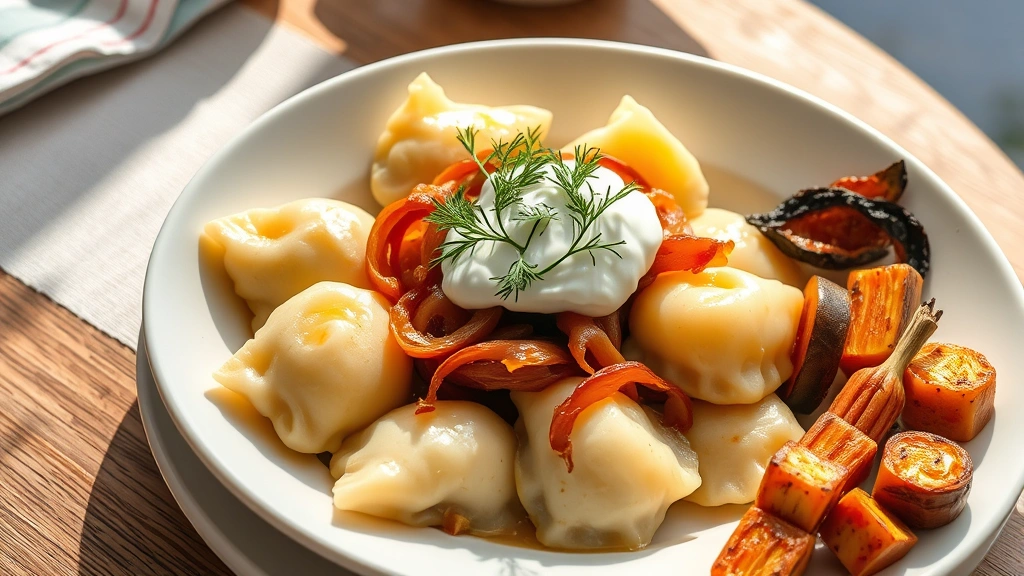
- Caramelized onions: Sauté onions slowly in a non-stick pan with minimal oil until golden and sweet. This adds tremendous flavor with minimal calories.
- Fresh herbs: Top with dill, parsley, or chives for flavor without calories.
- Lemon juice: A squeeze of fresh lemon brightens the dish and aids digestion.
- Light sour cream: Use Greek yogurt (which has more protein) or reduced-fat sour cream sparingly as a condiment rather than a dressing.
- Sautéed mushrooms: Use cooking spray and low-heat cooking to develop umami flavors without excess fat.
If you prepare pierogies at home, you control the ingredients entirely. Using whole wheat flour for part of the dough increases fiber content and creates a lower glycemic index. Some recipes incorporate mashed cauliflower into the potato filling, reducing calories while maintaining texture and satisfaction.
Portion Control and Serving Strategies
Portion control is perhaps the most critical factor in using pierogies successfully for weight loss. Standard serving recommendations suggest 3-4 boiled pierogies per serving, which aligns with most people’s calorie budgets.
Strategic portion planning involves understanding your daily calorie targets and allocating appropriate amounts to each meal. If your daily calorie goal is 1,500-1,800 calories (typical for weight loss), a pierogy-based meal could comprise 250-350 calories, allowing room for protein, vegetables, and other components.
Consider these portion strategies:
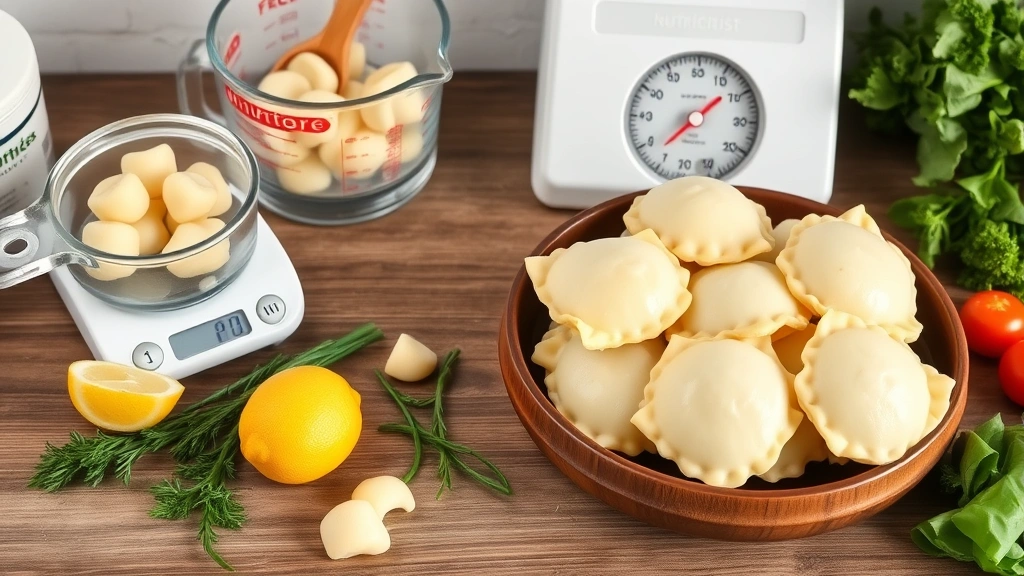
- Measure initially: Use a kitchen scale for the first few weeks to calibrate your visual portion estimation. Most people underestimate carbohydrate portions.
- Build balanced plates: Make pierogies one-third of your plate, with vegetables occupying one-third and protein another third. This approach naturally controls pierogy portions.
- Pair with high-volume foods: Vegetables are calorie-sparse and nutrient-dense. A large salad or sautéed vegetable medley alongside pierogies increases meal volume without significantly increasing calories, enhancing satiety.
- Front-load protein: Consume protein-rich foods first during meals to increase fullness and reduce overall pierogy consumption.
- Eat mindfully: Slow eating and thorough chewing enhance satiety signals, allowing your brain adequate time to register fullness before you overconsume.
Research from the CDC on nutrition and weight management emphasizes that portion control remains one of the most reliable tools for sustainable weight loss, regardless of the specific foods consumed.
What to Pair With Pierogies for Weight Loss
The foods you consume alongside pierogies significantly influence whether the meal supports weight loss. Strategic pairing maximizes nutrition, increases satiety, and creates balanced meals that stabilize blood sugar.
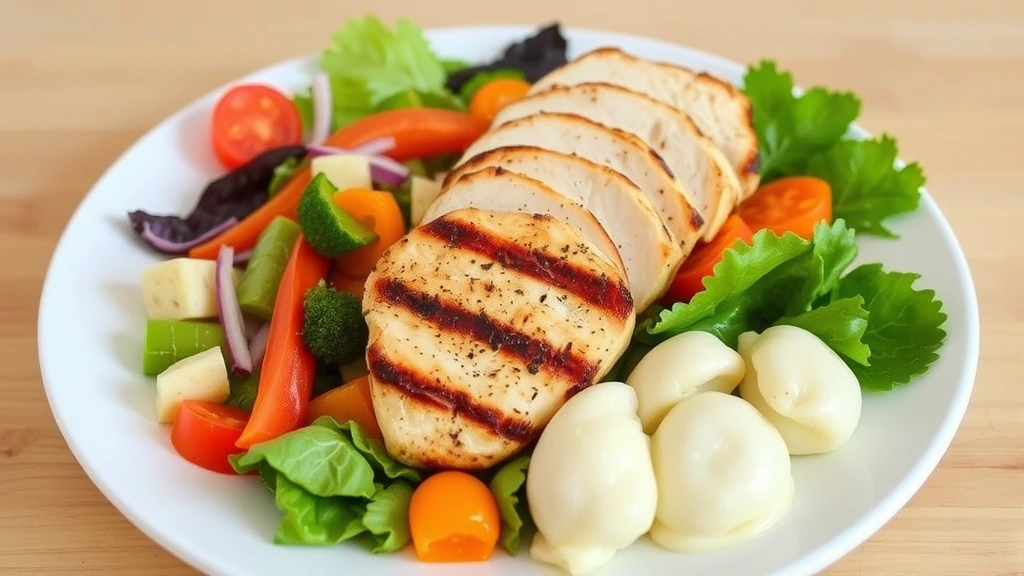
Protein pairings: Lean proteins complement pierogies beautifully. Grilled chicken breast, baked fish, lean ground turkey, or egg whites add protein without excessive calories. A 4-ounce serving of grilled chicken (about 140-160 calories) transforms pierogies from a starch-dominant meal into a balanced plate with adequate protein for satiety and muscle preservation.
Vegetable accompaniments: Raw or cooked vegetables are essential. Consider these options:
- Large mixed green salads with vinaigrette dressing
- Steamed or roasted broccoli, Brussels sprouts, or cauliflower
- Sautéed cabbage with caraway seeds (traditional pairing)
- Roasted bell peppers and zucchini
- Cucumber and tomato salads with herbs
Vegetables add fiber, vitamins, minerals, and volume with minimal caloric impact. A cup of roasted vegetables typically contains only 50-80 calories while providing substantial nutritional value.
Condiment choices matter: Traditional accompaniments like sour cream and fried onions can add 200+ calories to a meal. Instead, use reduced-fat sour cream (or Greek yogurt) in small quantities, fresh herbs, vinegars, and spices for flavor.
Understanding weight loss and insulin resistance helps explain why pairing carbohydrates with protein and fiber is beneficial. This combination slows glucose absorption, preventing blood sugar spikes that trigger hunger and fat storage.
How Pierogies Compare to Other Carbs
Contextualizing pierogies within the broader landscape of carbohydrate foods helps determine their place in a weight loss diet. Boiled pierogies are actually relatively favorable compared to many popular carbohydrate sources.
Pierogies vs. other starches:
- White rice: One cup cooked white rice contains about 200 calories and 45 grams of carbs with minimal fiber. Boiled pierogies provide similar calories but with slightly more protein and fiber.
- Pasta: One cup cooked pasta contains 220 calories and 43 grams of carbs. Pierogies have comparable nutritional profiles, though pierogies contain more protein from the dough’s eggs.
- Bread: Two slices of white bread contain 160-180 calories with minimal protein. Pierogies provide more satiety per calorie due to higher protein content.
- Potatoes (plain): A medium baked potato contains 165 calories with 4 grams of protein. Since pierogies are potato-based with added protein from eggs and filling, they’re nutritionally superior to plain potatoes alone.
- French fries: One serving (medium) contains 320-365 calories and 15-17 grams of fat. Boiled pierogies are substantially lower in calories and fat.
The key distinction is preparation method. Boiled pierogies occupy a middle ground—more nutritious than fried foods but requiring strategic pairing with vegetables and protein to optimize weight loss outcomes.
Practical Tips for Incorporating Pierogies Into Your Diet
Successfully incorporating pierogies into a weight loss plan requires practical strategies that accommodate your lifestyle, preferences, and cultural food traditions.
Meal planning strategies: Include pierogies in your meal plan 1-3 times weekly, depending on your calorie budget and food preferences. Planning ahead prevents impulsive decisions and ensures you pair pierogies with appropriate accompaniments. Batch-cook boiled pierogies and store them in the refrigerator for up to 4 days, reheating gently with minimal added fat.
Restaurant and social considerations: When eating pierogies at restaurants or cultural events, you have less control over preparation. Request boiled versions without fried onions, ask for sour cream on the side, and load your plate with vegetable sides. Don’t let perfect be the enemy of good—one meal won’t derail your progress, and maintaining weight loss long-term requires flexibility and balance.
Tracking and accountability: Use food tracking apps to log your pierogy meals accurately. Weighing portions initially helps calibrate your estimates. Many people underestimate carbohydrate portions, so precision here supports better results.
Hunger and satiety assessment: After consuming boiled pierogies with protein and vegetables, assess your hunger level. If you’re still hungry 30 minutes later, you may need more protein or vegetables rather than additional pierogies. This awareness helps optimize your personal response to this food.
Combining with medication-assisted weight loss: If you’re using medications like Mounjaro for weight loss or exploring strategies to increase weight loss on Wegovy, incorporating familiar foods like pierogies can improve dietary adherence. These medications enhance satiety, meaning smaller portions of pierogies may feel more satisfying than before.
Nutritional supplementation: If pierogies become a regular meal component, ensure you’re meeting micronutrient needs through varied vegetables, fruits, and whole foods. Some people find protein shakes for weight loss helpful for meeting protein targets when consuming carbohydrate-forward meals like pierogies.
Research from registered dietitian organizations emphasizes that sustainable weight loss incorporates foods people enjoy rather than requiring complete food elimination. This principle supports including pierogies in a weight loss diet when prepared and portioned appropriately.
FAQ
Can I eat boiled pierogies every day for weight loss?
While boiled pierogies can fit into a weight loss diet, eating them daily may not be optimal. Daily consumption could lead to excessive carbohydrate intake and reduced dietary variety, missing out on diverse micronutrients. Instead, aim for 1-3 times weekly as part of a varied diet including diverse vegetables, proteins, and whole foods.
What’s the difference between boiled and fried pierogies for weight loss?
Boiled pierogies contain 200-250 calories per serving with 3-5 grams of fat, while fried pierogies contain 350-450 calories with 15-20 grams of fat. The boiling method eliminates added cooking fat, making boiled versions significantly more weight-loss-friendly. This represents a difference of 150-200 calories per serving.
How many pierogies can I eat on a weight loss diet?
Most weight loss plans accommodate 3-4 boiled pierogies per serving (approximately 200-250 calories). Your specific quantity depends on your daily calorie goal, overall meal composition, and individual satiety response. Pairing with protein and vegetables helps control portions naturally.
Are potato and cheese pierogies better than meat-filled for weight loss?
Potato and cheese pierogies typically contain 200-240 calories per serving, while meat-filled pierogies contain 220-260 calories. The differences are modest. Meat-filled versions provide slightly more protein, which may enhance satiety. Choose based on preference while maintaining portion control.
Can pierogies fit into low-carb or keto diets?
Traditional pierogies are carbohydrate-dense and don’t align well with strict low-carb or keto diets. However, some recipes use cauliflower-based fillings or almond flour dough to reduce carbohydrate content. Standard boiled pierogies contain 35-40 grams of carbohydrates per serving, typically exceeding daily carb limits on ketogenic diets.
What’s the best sauce or topping for weight-loss-friendly pierogies?
The best toppings are caramelized onions (minimal fat), fresh herbs, Greek yogurt (instead of sour cream), lemon juice, or sautéed mushrooms. Avoid traditional fried onions and butter. If using sour cream, limit to 1-2 tablespoons. These alternatives add flavor with minimal caloric impact.
How do I prevent overeating pierogies?
Use these strategies: measure portions with a scale initially, build balanced plates with protein and vegetables, eat slowly and mindfully, consume protein first during meals, and pair with high-volume, low-calorie foods like salad. These approaches enhance satiety and prevent overconsumption.


