Cottage Cheese Recipes for Weight Loss: Nutritionist Picks
Cottage cheese has emerged as one of the most underrated superfoods for anyone serious about weight loss. With its impressive protein content, low calorie density, and versatility in the kitchen, this creamy dairy product deserves a prominent place in your weight loss meal plan. Whether you’re following a structured diet or simply looking to make smarter food choices, cottage cheese offers the nutritional foundation needed to support sustainable weight management.
The beauty of cottage cheese lies in its ability to keep you feeling full longer while providing essential amino acids your body needs. Unlike many processed diet foods that leave you hungry, cottage cheese-based recipes satisfy cravings and stabilize blood sugar levels throughout the day. In this guide, we’ll explore scientifically-backed cottage cheese recipes that nutritionists recommend, along with practical tips for incorporating this versatile ingredient into your daily routine.
Why Cottage Cheese Works for Weight Loss
Cottage cheese contains approximately 28 grams of protein per cup with only 163 calories, making it one of the most protein-dense foods available. This exceptional protein-to-calorie ratio is crucial for weight loss because protein increases satiety, meaning you feel fuller for longer after eating. Research published in nutrition journals shows that high-protein foods reduce overall calorie intake by decreasing hunger hormones and increasing metabolism.
When combined with proper weight loss and protein intake strategies, cottage cheese helps preserve lean muscle mass during calorie restriction. This is essential because muscle tissue burns more calories at rest than fat tissue. Additionally, cottage cheese contains casein protein, which digests slowly and provides sustained energy throughout the day.
The food is also rich in essential micronutrients including selenium, vitamin B12, and phosphorus. These nutrients support metabolic function and energy production, helping you maintain the activity levels necessary for successful weight loss. Studies from the Academy of Nutrition and Dietetics confirm that incorporating high-protein dairy products into weight loss programs significantly improves outcomes compared to low-protein alternatives.
Breakfast Cottage Cheese Recipes
Protein-Packed Cottage Cheese Bowls
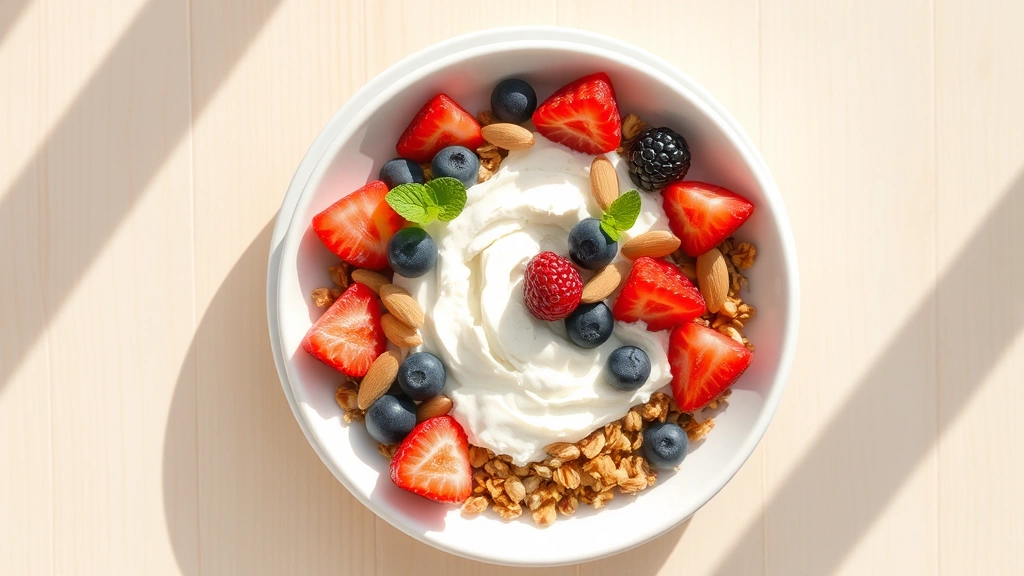
Start your day with a cottage cheese bowl that combines complex carbohydrates with protein for sustained energy. Mix one cup of low-fat cottage cheese with half a cup of mixed berries, a quarter cup of granola (portion-controlled), and a tablespoon of raw almonds. The berries provide antioxidants and fiber, while the nuts add healthy fats that enhance nutrient absorption. This breakfast delivers approximately 25 grams of protein and keeps you satisfied until lunch.
For a savory morning option, combine cottage cheese with sliced tomatoes, fresh herbs like dill and chives, and a sprinkle of everything bagel seasoning. Serve alongside whole grain toast for a balanced meal that stabilizes blood sugar levels and prevents mid-morning cravings.
Cottage Cheese Pancakes
Nutritionists recommend this innovative recipe that transforms cottage cheese into fluffy, protein-rich pancakes. Blend one cup of cottage cheese with three eggs, half a teaspoon of vanilla extract, and a quarter teaspoon of cinnamon. The mixture creates a naturally sweet batter without added sugar. Cook on a non-stick griddle and top with fresh fruit instead of syrup. Each serving contains approximately 20 grams of protein with minimal calories, making it an excellent choice for anyone focused on weight loss dietary approaches.
Cottage Cheese Parfaits
Layer cottage cheese with plain Greek yogurt, chopped walnuts, and fresh fruit for a nutrient-dense breakfast. The combination of two protein sources creates a complete amino acid profile. Add a drizzle of raw honey for natural sweetness and enhanced satiety. Prepare these parfaits the night before for convenient grab-and-go breakfasts that support consistent weight management.
Lunch and Dinner Options
Cottage Cheese-Stuffed Chicken Breast
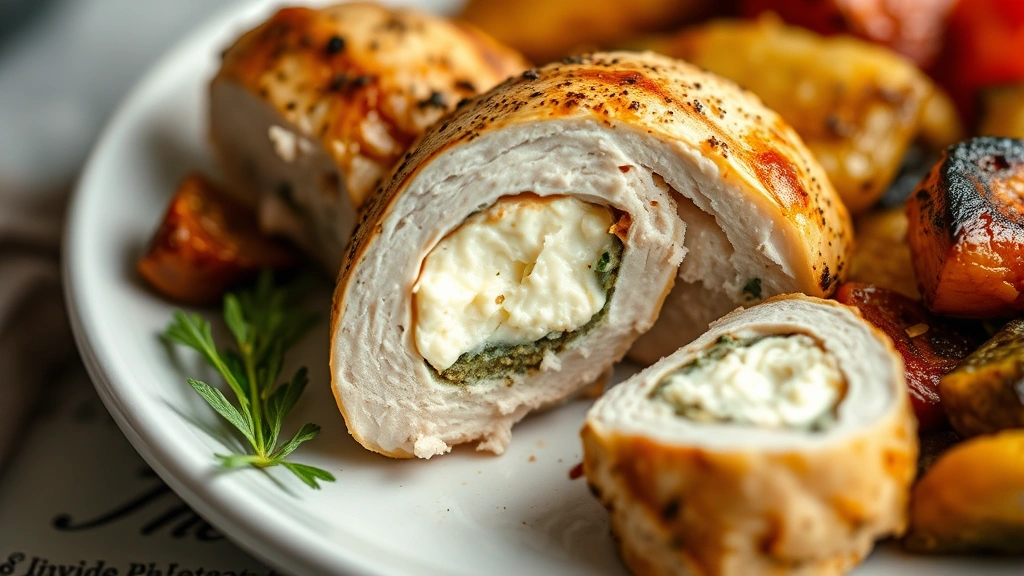
This elegant dinner option combines lean protein with cottage cheese to create a moist, flavorful dish. Butterfly chicken breasts and fill with a mixture of cottage cheese, spinach, garlic, and low-fat mozzarella. Bake at 375°F for 25-30 minutes until the chicken reaches 165°F internally. The cottage cheese keeps the chicken tender while adding extra protein, creating a meal that supports muscle maintenance during weight loss. Pair with roasted vegetables for a complete, nutrient-dense dinner.
Cottage Cheese Pasta Bake
Replace traditional ricotta in lasagna with cottage cheese for a lighter version that reduces calories without sacrificing flavor. Layer whole wheat pasta with cottage cheese mixed with herbs, lean ground turkey, and marinara sauce. The higher protein content compared to ricotta means better satiety and sustained energy. One serving provides approximately 35 grams of protein, making it an excellent choice for supporting your protein intake for weight loss goals.
Cottage Cheese Tacos
Create a creamy taco filling by seasoning cottage cheese with cumin, chili powder, and lime juice. Serve in corn tortillas with shredded cabbage, salsa, and fresh cilantro. This unexpected combination provides complete nutrition with approximately 18 grams of protein per serving. The versatility of cottage cheese allows it to work in various cuisines, preventing meal boredom that often derails weight loss efforts.
Baked Cottage Cheese and Vegetable Frittata
Whisk eight eggs with one cup of cottage cheese and fold in diced vegetables including bell peppers, mushrooms, and zucchini. Pour into a cast-iron skillet and bake until set. This one-pan meal delivers approximately 40 grams of protein and can be portioned for multiple meals throughout the week. The combination of eggs and cottage cheese creates a complete protein source that supports muscle recovery and metabolic function.
Snacks and Desserts
Cottage Cheese Dip with Vegetables
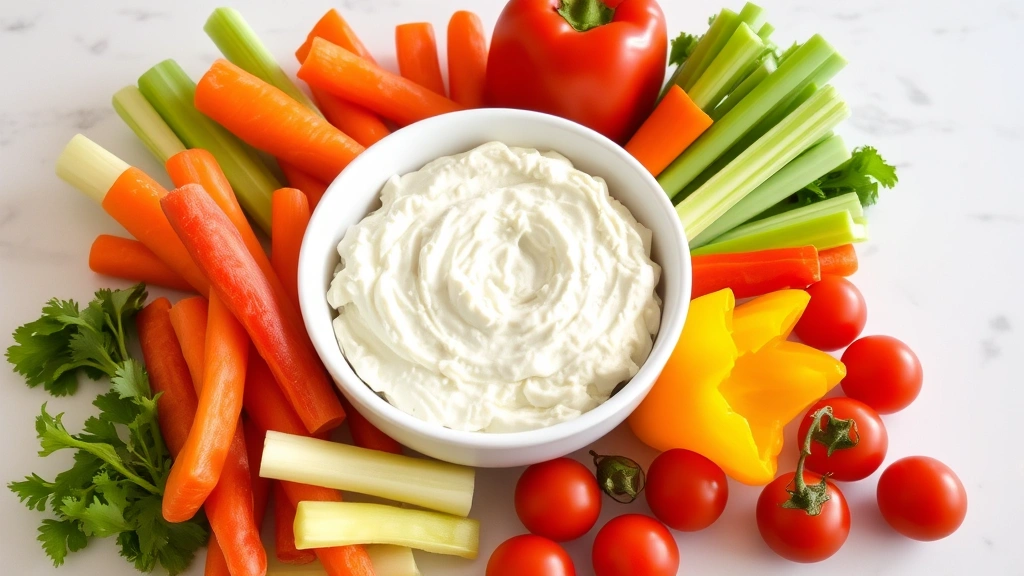
Blend cottage cheese with fresh herbs, garlic, and a small amount of lemon juice to create a protein-rich dip. Serve with raw vegetables including carrots, celery, bell peppers, and cucumber. This snack provides approximately 10 grams of protein per serving with minimal calories, making it ideal for afternoon hunger management. The high water content of vegetables combined with cottage cheese protein creates lasting satiety.
No-Bake Cottage Cheese Cheesecake Bites
Satisfy dessert cravings with a healthier alternative by combining cottage cheese with cream cheese, vanilla extract, and a touch of honey. Press almond flour into muffin tins, fill with the cottage cheese mixture, and refrigerate. These bites contain approximately 8 grams of protein each, significantly more than traditional cheesecake. The natural sweetness of cottage cheese reduces the need for added sugar while maintaining the indulgent flavor profile.
Cottage Cheese Protein Smoothies
Incorporate cottage cheese into weight loss smoothies for enhanced protein content and creamy texture. Blend one cup of cottage cheese with frozen berries, unsweetened almond milk, and a small amount of vanilla extract. The result is a smoothie containing 25 grams of protein that tastes like a dessert, making it easier to maintain consistent healthy eating patterns.
Nutritional Strategies for Cottage Cheese Weight Loss
Portion Control and Calorie Awareness
While cottage cheese is nutrient-dense, portion control remains essential for weight loss. A typical serving is one cup, providing approximately 160-200 calories depending on fat content. Track your cottage cheese intake using a food scale or measuring cup to ensure accuracy. Some individuals benefit from consulting a weight loss specialist to develop personalized portion recommendations based on individual metabolism and goals.
Choosing the Right Type
Low-fat or non-fat cottage cheese options contain 80-110 calories per cup compared to full-fat versions at 220 calories. However, the small amount of fat in full-fat cottage cheese enhances nutrient absorption and satiety. Consider choosing full-fat cottage cheese in smaller portions rather than larger amounts of low-fat versions. Quality matters—select brands without excessive additives or stabilizers that may trigger digestive discomfort.
Timing and Meal Composition
Research suggests that consuming protein earlier in the day enhances weight loss outcomes. Include cottage cheese in breakfast to establish satiety that lasts throughout the morning. Combine cottage cheese with complex carbohydrates and healthy fats for balanced meals that stabilize blood sugar and prevent energy crashes. This approach aligns with best cardio exercises for weight loss strategies by providing sustained energy for physical activity.
Complementary Dietary Approaches
Cottage cheese fits well into various dietary frameworks. For those exploring GLP-1 weight loss for non-diabetics, cottage cheese provides protein support during medication use. The food is also compatible with Mediterranean, low-carb, and high-protein diet approaches. Its versatility allows seamless integration regardless of your preferred nutritional framework.
Shopping and Storage Tips
Selecting Quality Products
Purchase cottage cheese from refrigerated sections, checking expiration dates carefully. Look for products with minimal ingredients—ideally just milk, cultures, and salt. Avoid brands containing excessive preservatives, artificial sweeteners, or thickening agents that may cause digestive issues. Many health-conscious consumers prefer organic varieties that contain no artificial additives.
Storage Best Practices
Store cottage cheese in the coldest section of your refrigerator at 40°F or below. Once opened, consume within 5-7 days for optimal quality and safety. Never store cottage cheese at room temperature, as it contains live cultures susceptible to bacterial growth. Consider purchasing smaller containers if you live alone to minimize waste while maintaining freshness.
Meal Preparation Strategies
Prepare cottage cheese recipes in advance to support consistent healthy eating. Portion individual breakfast bowls into containers for grab-and-go convenience. Prepare cottage cheese dips and store in glass containers with vegetable portions for easy snacking. Pre-portioned meals reduce decision fatigue and increase adherence to weight loss goals. Designate one day weekly for meal preparation to streamline your routine.
FAQ
How much cottage cheese should I eat daily for weight loss?
Most nutritionists recommend one to two cups of cottage cheese daily as part of a balanced diet. This provides 25-50 grams of protein while remaining within typical calorie targets. Individual needs vary based on total calorie intake, activity level, and weight loss goals. Consult a registered dietitian for personalized recommendations aligned with your specific situation.
Can cottage cheese help with muscle recovery after exercise?
Yes, cottage cheese is excellent for post-workout recovery due to its casein protein content. The slow-digesting protein provides sustained amino acid delivery to muscles over several hours. Consuming cottage cheese within two hours after exercise optimizes muscle protein synthesis and supports lean mass preservation during weight loss.
Does cottage cheese cause bloating?
Some individuals experience bloating from lactose or the high protein content. If you’re sensitive, start with small portions and gradually increase. Choose brands with lower lactose levels or try lactose-free options. Ensure adequate hydration and fiber intake, as these factors influence digestive comfort when consuming high-protein foods.
What are the best flavor combinations for cottage cheese?
Sweet combinations include berries, honey, and cinnamon. Savory options feature herbs, garlic, and vegetables. Experiment with cultural flavors—Mediterranean olive tapenade, Asian sesame and ginger, or Mexican lime and cilantro. The versatility of cottage cheese prevents palate fatigue that often leads to diet abandonment.
Is cottage cheese suitable for people with dairy sensitivities?
Traditional cottage cheese contains lactose, though less than milk. Lactose-free cottage cheese options are available at most grocery stores. Some individuals tolerate cottage cheese better than other dairy due to its preparation process. If you have dairy allergies rather than lactose intolerance, avoid cottage cheese entirely and explore plant-based protein alternatives.
How does cottage cheese compare to Greek yogurt for weight loss?
Both are excellent high-protein options with similar calorie profiles. Cottage cheese contains slightly more protein per serving, while Greek yogurt offers beneficial probiotics. Choose based on personal preference and digestive tolerance. Many people benefit from rotating between both to maximize nutritional variety and prevent monotony.


