Best Weight Loss Cat Food? Vet Recommended Options & Guide
If your feline friend has gained extra pounds, you’re not alone. Feline obesity affects millions of cats worldwide and can lead to serious health complications including diabetes, joint problems, and heart disease. The good news? Selecting the right weight loss cat food combined with veterinary guidance can help your cat achieve a healthier weight safely and sustainably.
Weight management in cats differs significantly from human nutrition, but the fundamental principle remains the same: creating a caloric deficit while maintaining essential nutrients. This comprehensive guide explores vet-recommended weight loss cat foods, their key ingredients, and how to implement a successful feline weight management program.
Understanding Feline Obesity and Weight Loss Needs
Cats are obligate carnivores, meaning their bodies evolved to thrive on meat-based diets with minimal carbohydrates. Unlike humans who can process carbohydrates efficiently, cats have limited ability to metabolize plant-based foods. This fundamental difference shapes how we approach weight loss cat food formulations.
A cat is considered overweight when they exceed their ideal body weight by 10-19%, and obese when exceeding it by 20% or more. The ideal cat should have a visible waist when viewed from above, and you should be able to feel their ribs without pressing hard. Many pet owners inadvertently contribute to weight gain through excessive treats, free-feeding, and misunderstanding portion sizes.
Veterinary research shows that obesity in cats increases the risk of type 2 diabetes by up to 50%, making weight management not just cosmetic but medically critical. When selecting a weight loss program for your cat, consulting with your veterinarian ensures you’re addressing any underlying health conditions like thyroid disorders that might affect weight.
The metabolic rate of cats differs from humans, and understanding how protein intake supports weight loss becomes essential when evaluating feline nutrition. Cats require higher protein percentages than humans to maintain lean muscle mass during weight loss phases.
Key Nutritional Components in Weight Loss Cat Food
High Protein Content forms the cornerstone of effective weight loss cat food. Protein promotes satiety, helps preserve lean muscle mass during caloric restriction, and has a higher thermic effect than carbohydrates. Quality weight loss formulas typically contain 40-50% protein on a dry matter basis, significantly higher than standard maintenance foods.
Look for named meat sources like chicken, turkey, or fish as primary ingredients rather than vague terms like “meat meal” or “animal by-products.” The protein quality matters tremendously—whole meat proteins provide complete amino acid profiles including taurine, an essential amino acid cats cannot synthesize themselves.
Lower Carbohydrate Levels distinguish weight loss cat foods from standard formulas. Many commercial cat foods contain 30-40% carbohydrates, which cats struggle to process efficiently. Premium weight loss formulas reduce carbs to 10-15%, aligning better with feline evolutionary nutrition and promoting faster satiety signals.
Increased Fiber Content helps cats feel fuller longer without excessive calories. Soluble and insoluble fiber work synergistically to improve digestive health and provide bulk that triggers satiety hormones. Fiber sources like psyllium husk or cellulose are commonly included in prescription weight loss foods.
Essential Micronutrients become even more critical during weight loss phases. Reduced caloric intake means every calorie must carry maximum nutritional value. Weight loss cat foods should include adequate vitamins, minerals, and antioxidants to support immune function, vision, and metabolic processes.
Controlled Fat Levels balance the need for essential fatty acids with caloric reduction. While fat provides concentrated calories (9 calories per gram versus 4 for protein and carbs), some fat is necessary for nutrient absorption and skin health. Well-formulated weight loss foods contain 8-12% fat on a dry matter basis.
Top Vet-Recommended Weight Loss Cat Food Brands
Hill’s Science Diet m/d remains one of the most widely recommended prescription weight loss foods by veterinarians. Formulated specifically for weight management, it features high protein (41%), moderate fat (8%), and increased fiber to promote satiety. The small kibble size encourages slower eating, and many cats find it palatable despite the therapeutic formulation.
Royal Canin Weight Control offers both dry and wet formulations tailored for feline weight loss. Their formula includes L-carnitine, an amino acid that supports fat metabolism, and maintains optimal mineral balance crucial for cats prone to urinary issues during weight loss. The moderate fat and high fiber combination appeals to cats while supporting gradual weight reduction.
Purina Pro Plan DM (Diabetes Management) works exceptionally well for overweight cats at risk of or diagnosed with diabetes. With extremely low carbohydrate content and high protein, it addresses both weight and metabolic concerns simultaneously. Many veterinarians recommend this for cats showing pre-diabetic markers.
Iams ProActive Health Weight Control provides a more affordable option without sacrificing nutritional integrity. It contains L-carnitine and features balanced omega-3 and omega-6 ratios to support healthy skin during weight loss. The formula maintains appropriate mineral ratios for urinary health.
Prescription Diet c/d Multicare, while primarily formulated for urinary health, works well for overweight cats prone to crystal formation. It balances weight management with specific gravity control and mineral management, making it ideal for cats with multiple health concerns.
When considering weight loss cat food options, remember that prescription diets require veterinary authorization and oversight. These formulations undergo rigorous testing and clinical validation that over-the-counter foods cannot match. Your veterinarian can recommend the most appropriate formula based on your cat’s specific health profile, age, and weight loss goals.

How to Transition Your Cat to Weight Loss Food
Abrupt dietary changes can cause gastrointestinal upset and behavioral resistance. A gradual transition over 7-10 days allows your cat’s digestive system to adapt and increases the likelihood of long-term compliance. Start by mixing 25% new food with 75% old food for 2-3 days, then progress to 50/50 for another 2-3 days, followed by 75% new and 25% old before transitioning completely.
Monitor your cat’s appetite, stool quality, and energy levels during the transition. Some cats experience initial reluctance to new foods, particularly if they’ve become accustomed to high-palatability, high-fat diets. Warming wet food slightly can enhance aroma and palatability, encouraging acceptance.
Establish consistent feeding schedules rather than free-feeding. Measured portions at set times help regulate appetite, allow better monitoring of intake, and create behavioral patterns that support weight loss. Most veterinarians recommend dividing daily calories into 2-3 meals rather than one large feeding.
Involve all household members in the weight loss plan. Unauthorized treats from family members undermine the entire program. Educate everyone about portion sizes and the importance of consistency. Consider using low-calorie treats like small pieces of cooked chicken breast rather than commercial cat treats loaded with calories.
Combining Diet with Exercise and Activity
Weight loss success requires both dietary management and increased physical activity. Unlike the approach to aerobic exercises for fat loss in humans, feline exercise involves play, exploration, and natural hunting behaviors. Indoor cats particularly benefit from environmental enrichment that encourages movement.
Interactive toys like feather wands, laser pointers, and motion-activated toys encourage active play sessions. Aim for 15-20 minutes of active play twice daily. Create vertical spaces using cat trees and shelves that encourage climbing and jumping—behaviors that burn significant calories while satisfying natural instincts.
Consider puzzle feeders that require effort to access food, turning mealtime into physical and mental exercise. Food-dispensing toys slow eating pace, increase meal duration, and provide enrichment while reducing overall caloric intake through increased satiety signaling.
For multi-cat households, ensure each cat receives appropriate portions by feeding them separately. Competition for food can cause rapid consumption and overeating. Feeding in different rooms prevents the overweight cat from accessing housemates’ food.
Environmental modifications matter tremendously. Place litter boxes, water bowls, and food dishes in different locations to encourage movement throughout the home. Outdoor access or supervised outdoor time provides natural exercise opportunities, though indoor enrichment can be equally effective with proper planning.
Monitoring Progress and Health Markers
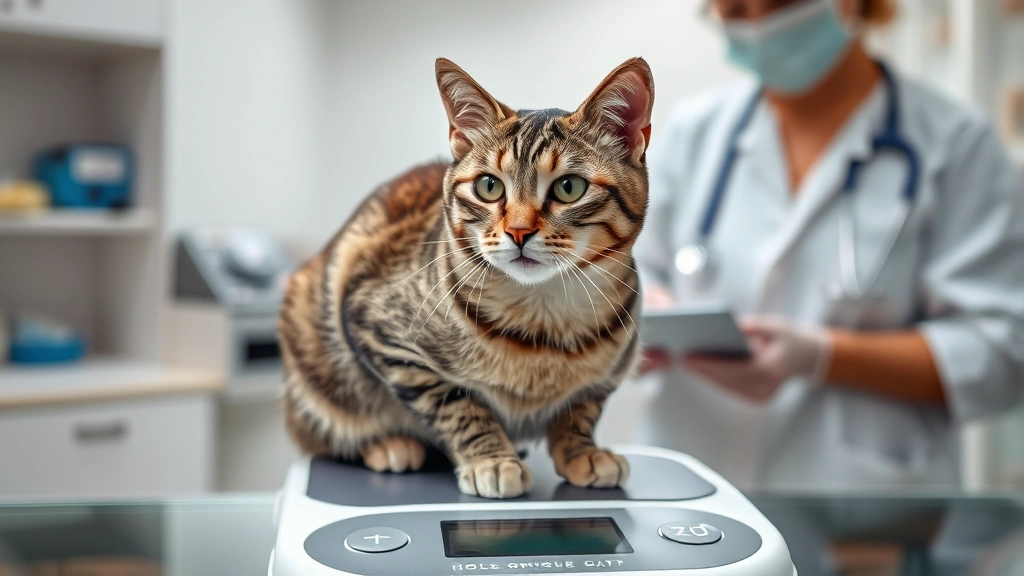
Weigh your cat monthly to track progress. Healthy weight loss occurs at approximately 1-2% of body weight per week. A 10-pound cat should lose roughly 2-4 ounces weekly—a slow, sustainable rate that preserves muscle mass and prevents metabolic slowdown.
Body condition scoring (BCS) on a 1-9 scale provides more meaningful assessment than weight alone. Your veterinarian can teach you to assess your cat’s ribs, waist, and abdominal tuck to determine appropriate progress. Ideal BCS is 4-5 on the 9-point scale.
Schedule follow-up veterinary visits every 4-6 weeks during active weight loss phases. Your vet will monitor for metabolic changes, assess overall health, and adjust portions if needed. Some cats require caloric adjustments as they lose weight—their caloric needs decrease as body mass decreases.
Blood work before beginning a weight loss program and periodically during the process helps detect any metabolic issues. This is particularly important for cats at diabetes risk or those with existing health conditions. Baseline testing establishes important markers for comparison.
Understand how improving insulin resistance benefits cats, as many overweight felines develop insulin resistance preceding diabetes. Weight loss often reverses early insulin resistance, preventing progression to full diabetes diagnosis.
Track additional health improvements beyond the scale: increased energy, improved mobility, better litter box habits, and reduced panting or breathing difficulties. These quality-of-life improvements often manifest before significant weight loss becomes apparent.
Common Mistakes in Feline Weight Management
Insufficient Caloric Reduction represents the most common weight loss failure. Many pet owners reduce portions minimally, expecting significant results. Effective weight loss typically requires 20-30% caloric reduction from maintenance levels. Your veterinarian can calculate precise caloric targets based on your cat’s ideal weight and metabolic rate.
Inconsistent Implementation undermines even well-designed programs. Weight loss requires sustained effort over months, not weeks. Family members providing unauthorized treats, inconsistent portion sizes, or reversion to free-feeding destroy progress. Commitment from all household members is essential.
Ignoring Underlying Health Conditions can make weight loss impossible. Thyroid disorders, particularly hyperthyroidism in senior cats, affect metabolism significantly. Arthritis pain reduces activity levels. Diabetes complicates weight management. Always address medical conditions before expecting weight loss success.
Rapid Dietary Changes cause gastrointestinal upset and behavioral resistance. Slow, gradual transitions over 7-10 days allow adaptation and increase compliance. Rushing this process often results in rejection of the new food and program abandonment.
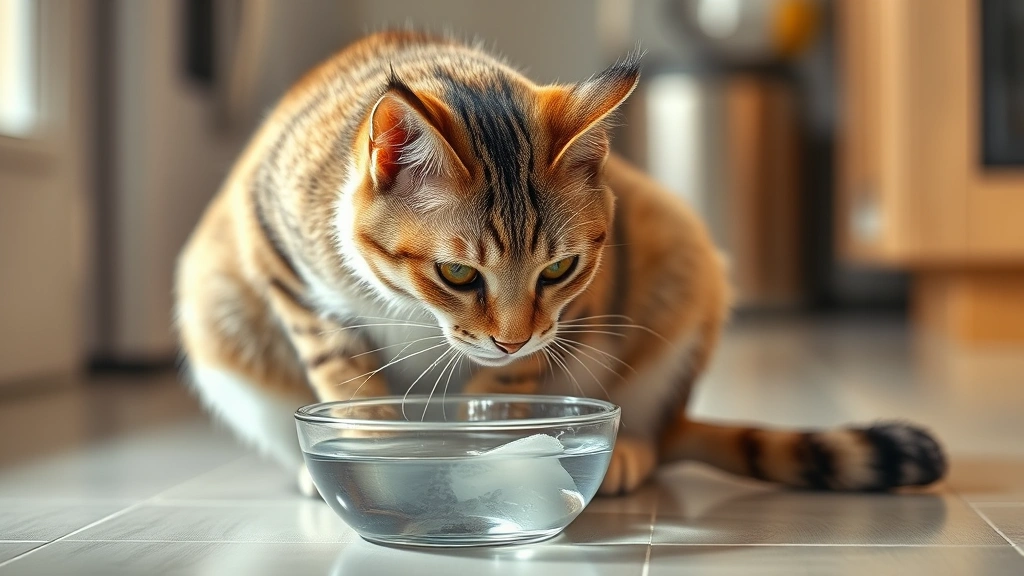
Neglecting Water Intake matters for cats, particularly those transitioning from wet to dry food. Increased water consumption supports metabolism and helps cats feel satiated. Ensure fresh water is always available and consider water fountains, which many cats prefer to still water.
Unrealistic Timeline Expectations lead to premature program termination. Healthy weight loss takes months for significant results. A 10-pound cat losing 2 pounds monthly requires 5 months to reach ideal weight. Patience and consistency yield better long-term outcomes than rapid approaches.
Inadequate Protein Content in selected food causes muscle loss during weight reduction. Cats require substantially higher protein than humans—ensure your chosen weight loss food contains at least 40% protein on a dry matter basis to preserve lean mass.
FAQ
How long does it take for cats to lose weight on a weight loss diet?
Healthy weight loss typically progresses at 1-2% of body weight weekly. A 10-pound cat should lose 2-4 ounces per week, meaning 5-10 months to reach ideal weight. Slow, steady weight loss preserves muscle mass and prevents metabolic adaptation that slows progress.
Can I use regular cat food instead of prescription weight loss food?
While some premium regular foods support weight management, prescription weight loss foods are specifically formulated with optimal protein, fiber, and nutrient ratios for maximum satiety and metabolic support. Prescription formulas undergo clinical validation regular foods lack. Veterinarians recommend prescription options for best results.
What if my cat refuses the new weight loss food?
Gradual transitions over 10-14 days improve acceptance. Warming wet food, mixing with familiar foods, or trying different flavors from the same brand can help. Some cats require extended adjustment periods. If refusal persists, discuss alternative formulations with your veterinarian—feeding an acceptable food consistently beats refusing a superior one.
Should I use treats during weight loss?
Treats should comprise no more than 10% of daily calories. Low-calorie options like small pieces of cooked chicken breast, freeze-dried meat treats, or specialized low-calorie cat treats work better than traditional high-fat options. Measure treat portions carefully and deduct them from daily meal portions.
How do I know if my cat’s weight loss is too rapid?
Weight loss exceeding 2% of body weight weekly risks hepatic lipidosis (fatty liver disease), a serious condition in cats. Contact your veterinarian immediately if your cat loses weight faster than expected. Cats require consistent caloric intake to prevent dangerous metabolic complications—complete food refusal needs veterinary attention.
Can senior cats lose weight safely?
Yes, senior cats benefit from weight management, though programs require careful monitoring. Senior cats often have underlying health conditions requiring veterinary oversight. Weight loss in older cats improves mobility, reduces joint stress, and decreases disease risk. Slower weight loss rates (1% body weight weekly) suit senior cats better than aggressive approaches.
What role does hydration play in feline weight loss?
Proper hydration supports metabolism and helps regulate appetite. Cats transitioning from wet to dry food may need encouragement to drink more water. Water fountains, multiple water bowls, and considering mixed wet/dry food approaches maintain hydration while supporting weight loss. Similar to how hydration supports human weight loss, adequate water intake benefits feline metabolism.
Should I switch between wet and dry weight loss food?
Combining wet and dry weight loss foods often works well. Wet food provides hydration and satiety despite lower calorie density, while measured dry food portions offer convenience. Many cats accept mixed feeding approaches better than single-format diets. Ensure total daily calories remain consistent regardless of format combination.


