
Lose 40 Pounds Fast? Expert-Approved Tips for Sustainable Weight Loss
Losing 40 pounds is a significant health goal that requires commitment, patience, and a science-backed approach. While the word “fast” might appeal to many, the reality is that sustainable weight loss happens gradually—typically 1-2 pounds per week. This timeline means a 40-pound weight loss journey could take 20-40 weeks or longer, but the results tend to stick when you follow evidence-based strategies rather than crash diets.
The good news? A 40-pound weight loss can dramatically improve your health markers, including blood pressure, blood sugar levels, cholesterol, and joint function. Working with obesity medicine specialists or registered dietitian nutritionists can help you create a personalized plan that fits your lifestyle and health status. This guide shares expert-approved strategies that actually work.
Create a Calorie Deficit Strategically
At its core, weight loss requires burning more calories than you consume. To lose 40 pounds, you need to understand your baseline energy needs. Use our guide on how to calculate daily calorie needs to determine your personal baseline. A typical approach involves creating a deficit of 500-750 calories per day, which results in losing 1-1.5 pounds weekly.
However, extreme calorie restriction (eating less than 1,200 calories daily for women or 1,500 for men) often backfires. It slows metabolism, increases muscle loss, triggers intense cravings, and becomes impossible to maintain. Instead, aim for a moderate deficit that you can sustain for months. This might mean reducing daily intake by 500 calories through diet while burning an additional 250 through exercise.
Track your food intake honestly for at least two weeks using a food diary or app. This awareness alone often leads to behavioral changes. Many people underestimate portion sizes or forget about beverages, cooking oils, and “taste tests” throughout the day. Once you see the actual numbers, adjustments become easier and more intentional.
Prioritize Protein and Whole Foods
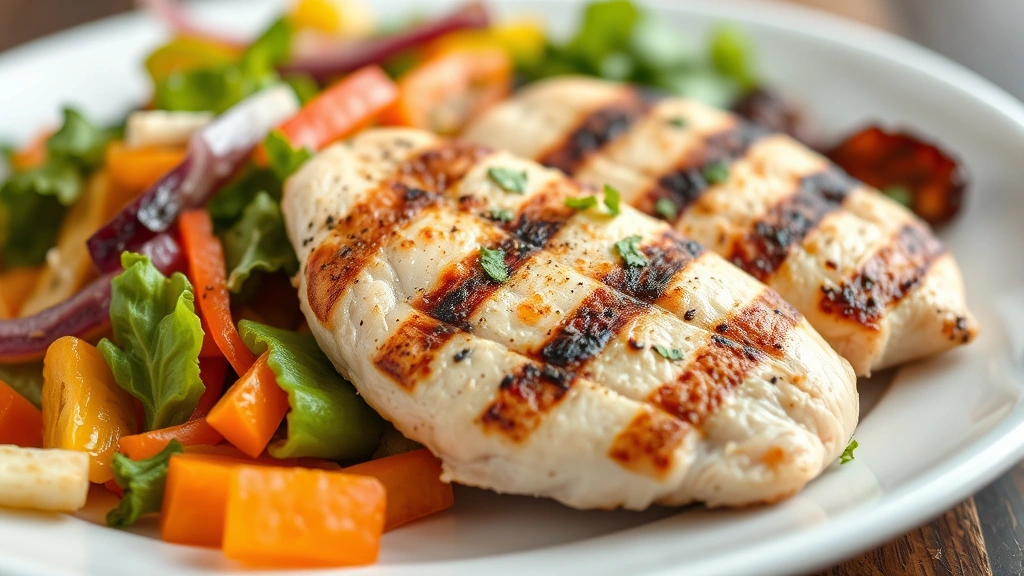
Protein is your secret weapon for a 40-pound weight loss. It increases satiety, preserves lean muscle mass during calorie restriction, and has a higher thermic effect than carbohydrates or fats—meaning your body burns more calories digesting it. Aim for 0.8-1.2 grams of protein per pound of body weight, distributed across meals.
Whole foods—vegetables, fruits, lean proteins, whole grains, legumes, and healthy fats—should form the foundation of your eating plan. They’re nutrient-dense, keep you fuller longer, and naturally lower in calories than processed alternatives. Incorporate high fiber foods for weight loss like beans, oats, and leafy greens; fiber adds volume without calories and stabilizes blood sugar.
Beverages matter tremendously. Swap sugary drinks, alcohol, and high-calorie coffee drinks for water, herbal tea, black coffee, and unsweetened beverages. These changes alone can eliminate 300+ calories daily. If you enjoy smoothies or shakes, try weight loss smoothies made with protein powder, Greek yogurt, and vegetables rather than juice or ice cream. Our collection of best meal replacement shakes for weight loss can help when you need convenient nutrition, and our smoothie recipes for weight loss offer delicious, filling options.
Choosing the right milk base matters too. Learn which best milk for weight loss suits your goals—unsweetened almond milk, oat milk, or cow’s milk all have different nutritional profiles that impact your overall intake.
Build a Sustainable Exercise Routine
Exercise amplifies weight loss results and provides benefits beyond the scale: improved cardiovascular health, stronger bones, better mood, and increased energy. However, you cannot out-exercise a poor diet. Exercise should complement, not compensate for, dietary choices.
A balanced routine includes three components:
- Resistance training (3-4 days weekly): Lifting weights or bodyweight exercises preserve muscle mass during weight loss, increase metabolism, and create strength gains that feel rewarding even when the scale moves slowly.
- Cardiovascular exercise (150+ minutes weekly): Brisk walking, cycling, swimming, or jogging improves heart health and burns calories. Start where you are; even 30 minutes daily makes a difference.
- Flexibility and mobility work: Yoga, stretching, or tai chi reduce injury risk, improve recovery, and manage stress—which often triggers emotional eating.
The best exercise is the one you’ll actually do consistently. If you hate running, don’t force it. If you love dancing, make that your cardio. Consistency beats intensity when you’re pursuing long-term weight loss.
Master Hydration and Sleep
Water is crucial for weight loss. It supports metabolism, aids digestion, reduces appetite, and helps your body function optimally. Aim for at least 8-10 glasses daily, more if you exercise or live in a warm climate. Sometimes thirst masquerades as hunger; drinking water first can prevent unnecessary snacking.
Sleep quality directly impacts weight loss hormones. Poor sleep increases ghrelin (the hunger hormone) and decreases leptin (the satiety hormone), making you crave more food and feel less satisfied. Aim for 7-9 hours nightly. Establish consistent sleep and wake times, avoid screens an hour before bed, keep your bedroom cool and dark, and limit caffeine after 2 PM.
Research shows that sleep deprivation correlates with slower weight loss and increased belly fat accumulation, even when calories are controlled. Prioritizing sleep is not laziness—it’s a legitimate weight loss strategy.
Address Emotional and Behavioral Patterns
Most people struggling with weight loss have an emotional or behavioral component beyond calories and exercise. Stress, boredom, loneliness, perfectionism, or past dieting trauma can sabotage efforts. Working with a therapist, counselor, or health coach experienced in behavioral weight loss can address these root causes.
Common patterns to recognize:
- All-or-nothing thinking: One cookie means you’ve “failed” and might as well eat the whole box. Instead, practice flexibility. One indulgence doesn’t erase your progress.
- Eating without hunger: Distinguish physical hunger from emotional hunger. If you’re not physically hungry, address the underlying emotion—stress, sadness, boredom—with non-food strategies.
- Restrictive labeling: Calling foods “good” or “bad” creates moral judgment and rebellion. All foods fit in a balanced diet; portions and frequency matter more than labels.
- Ignoring satiety cues: Eat mindfully. Put your fork down between bites, chew thoroughly, and stop when satisfied—not stuffed.
Consider keeping a feelings journal alongside your food diary. Notice patterns: Do you eat more after stressful work meetings? When feeling lonely? This awareness enables targeted interventions.
Monitor Progress Intelligently
The scale tells only part of the story. While a 40-pound weight loss is significant, other measurements matter:
- Clothing fit and appearance changes
- Energy levels and fitness improvements
- Blood pressure, cholesterol, and blood sugar readings
- Strength gains and endurance improvements
- Sleep quality and mood enhancements
- Body composition changes (muscle gained, fat lost)
Weight naturally fluctuates 2-5 pounds daily due to water retention, hormones, sodium intake, and bowel movements. Weigh yourself weekly at the same time (early morning, after the bathroom) rather than daily. Look at weekly averages rather than individual numbers.
Some weeks you’ll lose 2 pounds; others you’ll lose nothing despite perfect adherence. This is normal. Plateaus typically last 2-4 weeks before the scale moves again. They’re not failure—they’re your body adapting to changes. Stay consistent, and momentum will return.
Consider professional support from a CDC-recognized weight loss program or your healthcare provider. Research on structured programs shows improved success rates and accountability.

FAQ
How long does it realistically take to lose 40 pounds?
At a sustainable rate of 1-2 pounds weekly, expect 20-40 weeks (5-10 months). Some people lose faster initially, then slower as they approach their goal. Faster isn’t always better; gradual loss tends to stick.
Can I lose 40 pounds without exercise?
Weight loss is primarily driven by diet; you can lose 40 pounds through calorie deficit alone. However, exercise preserves muscle, improves health markers faster, and makes the process more sustainable by improving mood and energy.
What if I have a medical condition like PCOS or hypothyroidism?
Certain conditions make weight loss harder but not impossible. Work with an endocrinologist or registered dietitian familiar with your condition. You may need medication adjustments, specific macronutrient ratios, or different strategies than standard advice.
Is it okay to use weight loss supplements or medications?
Prescription medications like GLP-1 agonists can help some people, but they’re not magic. Consult your primary care physician about whether medication is appropriate for you. Most supplements lack strong evidence; focus on proven fundamentals first.
What happens after I lose 40 pounds?
The habits you build during weight loss become your maintenance strategy. Many people regain weight because they abandon the behaviors that worked. Instead, transition to a maintenance calorie level while keeping the healthy eating and exercise habits you’ve developed.
How do I handle plateaus?
Plateaus are normal. First, verify you’re truly in a deficit (track calories accurately for a week). Then try small changes: increase protein slightly, adjust exercise intensity, reduce sodium, or increase sleep. Patience usually works better than drastic changes.


