
Al Sharpton’s Weight Loss Journey: Inspiring Results and Health Transformation
Reverend Al Sharpton’s remarkable weight loss transformation has become one of the most talked-about health journeys in recent years. The civil rights activist and media personality lost over 100 pounds, fundamentally changing his appearance and reportedly improving his overall health. His journey from a heavier frame to a noticeably slimmer physique sparked widespread interest in how he achieved such dramatic results and what strategies might work for others seeking similar transformations.
What makes Sharpton’s weight loss particularly noteworthy isn’t just the number on the scale—it’s the commitment to sustainable lifestyle changes that allowed him to maintain his results over many years. Rather than relying on quick fixes or fad diets, Sharpton adopted a comprehensive approach that combined dietary modifications, regular physical activity, and consistent dedication to his health goals. His story demonstrates that meaningful weight loss is achievable at any stage of life when approached with the right mindset and strategies.
Al Sharpton’s Weight Loss Story: The Beginning
In the early 2000s, Al Sharpton made a conscious decision to prioritize his health. At that time, he was carrying excess weight that concerned both his family and his medical team. Rather than making excuses or accepting his weight as inevitable, Sharpton committed to making fundamental changes to his lifestyle. This decision came at a critical juncture in his life when he recognized that his health directly impacted his ability to continue his work as an activist and media personality.
Sharpton’s approach wasn’t about achieving a specific look for television or public appearances—it was genuinely rooted in health concerns. He worked with healthcare professionals to understand the risks associated with excess weight, including cardiovascular disease, diabetes, and other chronic conditions. This medical perspective helped him stay motivated when the initial enthusiasm wore off, as he understood the real health implications of his choices.
The transformation didn’t happen overnight. Sharpton lost weight gradually over several years, which is actually the healthiest approach to weight loss. Rapid weight loss can lead to muscle loss, nutritional deficiencies, and a higher likelihood of regaining the weight. By taking a slower, more methodical approach, Sharpton was able to build sustainable habits that would support his long-term health.

Dietary Changes and Nutrition Strategy
One of the cornerstones of Sharpton’s weight loss success was transforming his relationship with food. He reportedly adopted a diet that emphasized whole foods, lean proteins, and vegetables while significantly reducing his intake of processed foods and sugary beverages. This approach aligns with recommendations from registered dietitians and the Academy of Nutrition and Dietetics, which emphasize whole-food nutrition for sustainable weight management.
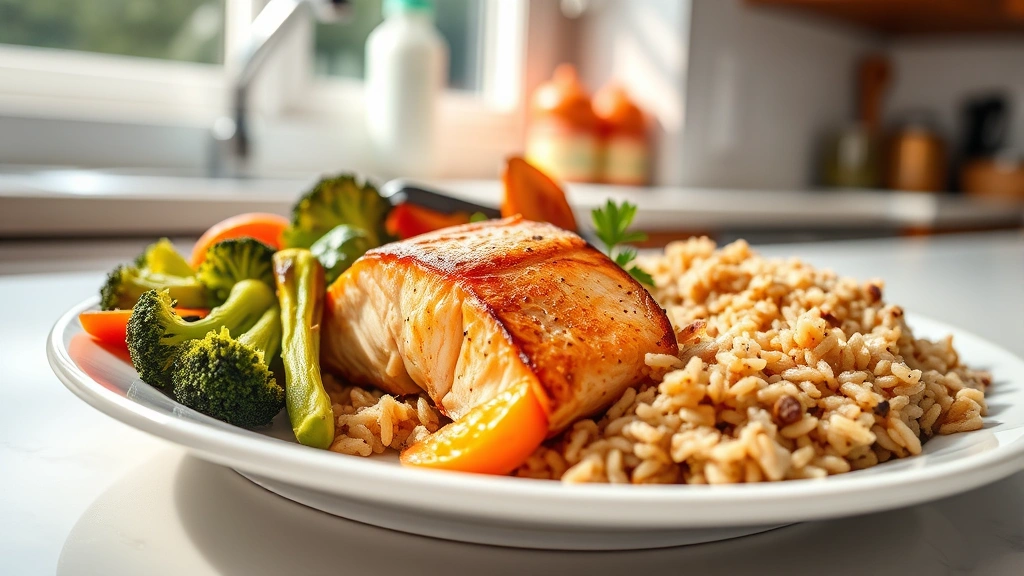
Rather than eliminating entire food groups, Sharpton focused on portion control and making smarter choices within all categories. He incorporated more vegetables into his meals, chose lean proteins like chicken and fish, and reduced his consumption of high-calorie, low-nutrient foods. This balanced approach meant he could enjoy meals without feeling deprived, making it easier to stick with his plan long-term.
Understanding weight loss and blood sugar levels became important to Sharpton’s strategy. By choosing lower-glycemic foods and maintaining stable blood sugar throughout the day, he likely experienced fewer energy crashes and reduced cravings. This physiological stability made it easier to maintain his commitment to healthier eating patterns.
Sharpton also paid attention to hydration and likely reduced his intake of calorie-dense beverages. Sugary drinks, alcohol, and high-calorie coffee beverages can easily add hundreds of calories to daily intake without providing significant nutritional value. By switching to water and unsweetened beverages, he eliminated a major source of excess calories without sacrificing nutrition.
Some reports suggest that Sharpton used meal replacement shakes as part of his strategy, particularly during busy periods when preparing full meals was challenging. These products, when chosen carefully and used as part of a balanced diet, can help with portion control and ensure adequate nutrition while reducing overall calorie intake.
Exercise and Physical Activity
Complementing his dietary changes, Sharpton incorporated regular physical activity into his daily routine. Exercise serves multiple purposes in weight loss: it burns calories, builds muscle mass (which increases resting metabolic rate), improves cardiovascular health, and enhances mental well-being. Sharpton’s commitment to consistent exercise was likely as important as his dietary changes.
While specific details about his exact workout routine aren’t extensively documented, evidence suggests he engaged in a combination of cardiovascular exercise and strength training. Aerobic exercises for weight loss are particularly effective for burning calories and improving heart health. Activities like walking, jogging, cycling, or using equipment like a treadmill workout for weight loss can significantly contribute to a calorie deficit.
Beyond formal exercise sessions, Sharpton likely increased his daily movement and activity levels. This includes taking stairs instead of elevators, walking when possible, and generally being more active throughout the day. These small changes, when accumulated, contribute meaningfully to total daily energy expenditure and support weight loss goals.
Strength training probably also played a role in his transformation. Building muscle tissue is metabolically expensive—muscle tissue requires more calories to maintain than fat tissue. By incorporating resistance training, Sharpton would have improved his metabolic rate, making it easier to maintain his weight loss long-term.
Health Benefits Beyond the Scale
While the visual transformation of Al Sharpton’s weight loss is striking, the health benefits extend far beyond what the scale shows. Losing over 100 pounds typically results in significant improvements across multiple health markers and quality-of-life measures.
Cardiovascular health likely improved substantially. Excess weight, particularly abdominal fat, is associated with increased risk of heart disease, stroke, and hypertension. By achieving a healthier weight, Sharpton reduced his cardiovascular disease risk and likely experienced improvements in blood pressure and cholesterol levels. These changes reduce the risk of serious health events and increase longevity.
Metabolic health typically improves with weight loss. Many people carrying excess weight develop insulin resistance, which can progress to type 2 diabetes. Weight loss improves insulin sensitivity and reduces diabetes risk. Even for those already diagnosed with diabetes, weight loss can significantly improve blood sugar control and reduce medication requirements.
Joint health and mobility often improve dramatically with weight loss. Excess weight places tremendous stress on joints, particularly in the knees, hips, and lower back. By reducing this burden, Sharpton likely experienced less joint pain and improved mobility, making physical activity easier and more enjoyable.
Sleep quality frequently improves with weight loss. Excess weight is associated with sleep apnea and poor sleep quality, which contribute to numerous health problems and reduced quality of life. Better sleep supports weight maintenance, improves mental health, and enhances overall well-being.
Mental health and self-confidence typically improve alongside physical transformation. While external appearance shouldn’t be the primary motivation for weight loss, the psychological benefits of achieving health goals and feeling better in one’s body are real and significant.
Key Takeaways for Your Own Journey
Al Sharpton’s weight loss journey offers several important lessons for anyone considering their own health transformation:
- Start with health motivation: Focus on how weight loss will improve your health and quality of life rather than purely aesthetic goals. This creates stronger, more lasting motivation.
- Make sustainable changes: Rather than adopting extreme measures, choose modifications you can maintain indefinitely. Small changes compound into remarkable results over time.
- Combine diet and exercise: Neither diet nor exercise alone is typically sufficient for significant, sustainable weight loss. Both components work synergistically to create results.
- Be patient with the process: Sharpton’s transformation took years, not months. This gradual approach allowed his body to adapt and his habits to solidify.
- Work with professionals: Consulting with doctors, registered dietitians, and fitness professionals increases the likelihood of success and safety.
- Focus on whole foods: Emphasizing minimally processed foods naturally reduces calorie intake while improving nutrition.
- Stay consistent: Success comes from consistent effort over time, not perfection. Missing occasional workouts or eating less-healthy meals doesn’t derail progress if the overall pattern remains positive.
Understanding Sustainable Weight Loss
Sharpton’s success illustrates important principles about sustainable weight loss that apply universally. According to research from the CDC on healthy weight, sustainable weight loss typically occurs at a rate of 1-2 pounds per week. This pace allows the body to adjust while preserving muscle mass and establishing new habits.
The concept of a calorie deficit—consuming fewer calories than you expend—remains fundamental to weight loss. However, how you create that deficit matters significantly. Sharpton’s approach of improving food quality while maintaining reasonable portions is more sustainable than extreme restriction. When people severely limit calories, they often experience constant hunger, low energy, and difficulty maintaining the restriction long-term.
Behavioral change is crucial to lasting weight loss. This involves identifying eating patterns, understanding triggers for overeating, and developing new coping mechanisms for stress and emotions. Working with healthcare providers or behavioral specialists can help address these psychological aspects of weight management.
Environmental factors also play important roles. Having healthy foods readily available, removing temptations, and building social support all contribute to success. Sharpton’s public commitment to his transformation likely provided additional accountability and support.
Long-term weight maintenance requires ongoing attention to diet and exercise. The idea that you can lose weight and then return to previous habits is a common misconception. Successful weight loss maintenance requires continued commitment to healthier choices, though this becomes easier as new habits become automatic.
Research on weight loss published in the New England Journal of Medicine confirms that successful weight loss involves multiple factors: dietary change, increased physical activity, behavioral modification, and often ongoing support. Sharpton’s journey demonstrates all these components working together.
FAQ
How much weight did Al Sharpton lose?
Al Sharpton lost over 100 pounds, transforming his appearance and reportedly improving his overall health significantly. The exact amount has been reported differently in various sources, but the general range is 100-120 pounds lost over several years.
What diet did Al Sharpton follow?
Sharpton reportedly adopted a diet focused on whole foods, lean proteins, and vegetables while reducing processed foods and sugary beverages. Rather than following a specific named diet, he made sustainable dietary changes emphasizing portion control and food quality.
How long did Al Sharpton’s weight loss take?
The transformation occurred over several years rather than months, which is the healthier and more sustainable approach to significant weight loss. This gradual pace allowed his body to adapt and his habits to become ingrained.
Did Al Sharpton use any special programs or supplements?
While some reports mention meal replacement shakes, there’s no evidence Sharpton relied on expensive programs or supplements. His success appears rooted in fundamental lifestyle changes rather than special products.
Can I achieve similar results to Al Sharpton’s weight loss?
Yes, significant weight loss is achievable for most people through sustained commitment to healthier eating, regular physical activity, and behavioral change. Working with healthcare professionals increases your likelihood of success. The specific amount and timeline will vary based on individual factors like starting weight, age, metabolism, and lifestyle.
What’s the most important factor in maintaining weight loss?
Consistency and habit formation are most important. Sustainable weight loss requires ongoing attention to diet and exercise, with new healthy behaviors becoming automatic over time. This is why gradual change is often more successful than dramatic transformations.


