Can Almonds Aid Weight Loss? Nutritionist Explains
Almonds have long been celebrated as a nutritious snack, but can these humble nuts actually support your weight loss journey? The answer is more nuanced than a simple yes or no. While almonds are calorie-dense, emerging research suggests they may offer surprising benefits for those looking to shed pounds when incorporated strategically into a balanced diet. As a nutritionist, I’ve observed countless clients incorporate almonds into their routine with measurable results, though success depends on portion control, timing, and overall dietary patterns.
The weight loss conversation often oversimplifies foods into “good” and “bad” categories, but almonds challenge this binary thinking. Rich in protein, fiber, and healthy fats, almonds possess properties that may help regulate appetite, stabilize blood sugar, and promote satiety. However, their caloric density means that mindless consumption can quickly derail weight loss efforts. Understanding how to leverage almonds’ nutritional profile while managing portions is key to harnessing their potential benefits for sustainable weight management.
Nutritional Profile of Almonds
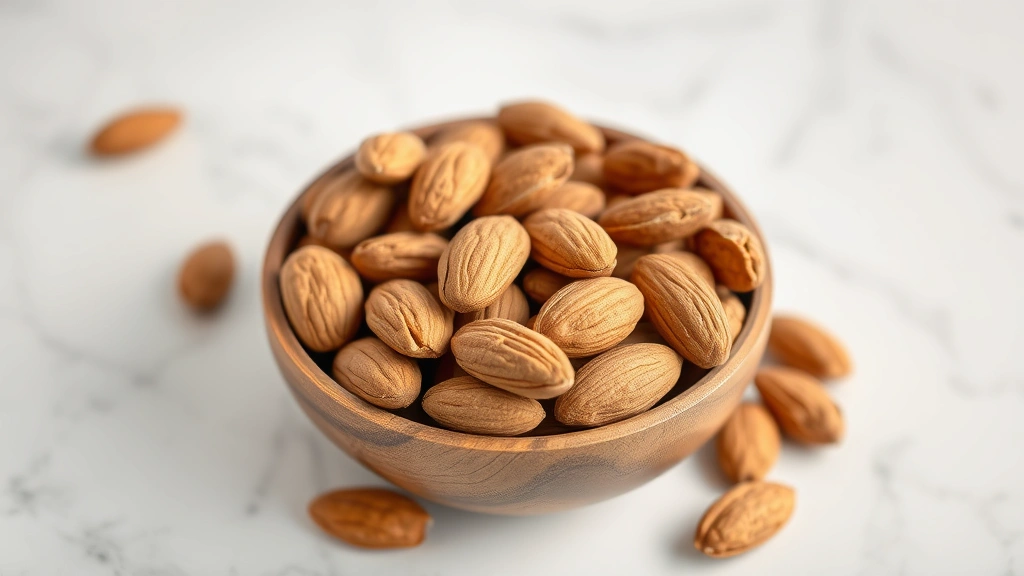
A one-ounce serving of almonds (approximately 23 nuts) contains roughly 164 calories, 6 grams of protein, 3.5 grams of fiber, and 14 grams of fat. This nutritional composition is what makes almonds particularly interesting from a weight loss perspective. The protein content helps preserve lean muscle mass during caloric restriction, while the fiber promotes digestive health and satiety. The fat profile is predominantly unsaturated, with minimal saturated fat, making almonds a heart-healthy choice that aligns with cardiovascular wellness.
Beyond macronutrients, almonds deliver an impressive array of micronutrients including vitamin E, magnesium, manganese, and phosphorus. Vitamin E functions as a powerful antioxidant, supporting cellular health and reducing inflammation—a factor increasingly recognized in weight management research. Magnesium plays crucial roles in metabolic function, muscle recovery, and stress management, all of which influence weight loss success. The mineral density of almonds makes them nutritionally superior to many processed snack alternatives, providing sustained energy without the blood sugar spikes associated with refined carbohydrates.
How Almonds May Support Weight Loss
The mechanism by which almonds may aid weight loss operates through several interconnected pathways. First, the combination of protein and fiber creates a powerful satiety effect, meaning almonds help you feel fuller longer. When you consume almonds, these nutrients slow gastric emptying—the rate at which food leaves your stomach—extending the period during which you feel satisfied. This can naturally reduce overall calorie intake throughout the day without requiring conscious restriction.
Research published in nutrition journals has demonstrated that almond consumption correlates with improved appetite control. A landmark study from the National Institutes of Health found that participants who consumed almonds as a snack reported greater fullness and consumed fewer calories at subsequent meals compared to those who ate energy-equivalent refined carbohydrate snacks. This suggests almonds possess a metabolic advantage beyond their caloric content.
Additionally, almonds contain compounds that may enhance metabolic function. The polyphenols found in almond skins have demonstrated antioxidant and anti-inflammatory properties in preliminary studies. Chronic inflammation is increasingly recognized as a barrier to weight loss, as it disrupts hormonal signaling related to appetite and energy expenditure. By reducing systemic inflammation, almonds may indirectly support weight loss efforts. Furthermore, the high protein content supports metabolic rate through increased thermic effect of food—the calories your body burns digesting protein.
Portion Control and Serving Sizes
The critical factor determining whether almonds support or hinder weight loss is portion control. Because almonds are calorie-dense, consuming them without measuring portions can easily result in consuming 300-500 calories in a single sitting—equivalent to an entire meal for some individuals. The recommendation for weight loss typically ranges from one-quarter cup to one ounce (approximately 23 almonds) as a single serving.
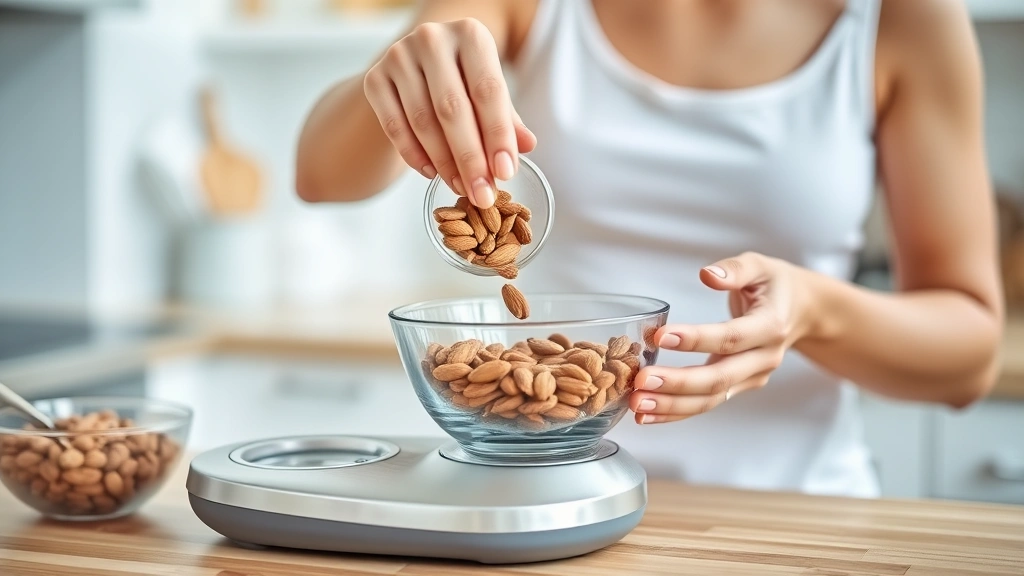
To manage portions effectively, consider these practical strategies: pre-portion almonds into small containers or bags immediately after purchase, use your hand as a measuring tool (a small handful approximates one ounce), or pair almonds with lower-calorie foods like fresh fruit or vegetables to create more voluminous snacks. Digital food scales provide precise measurement and remove guesswork, particularly valuable during the initial phases of weight loss when precision matters most.
Timing also influences whether almonds support weight loss goals. Consuming almonds mid-morning or mid-afternoon as a structured snack between meals can prevent overeating at mealtimes. However, mindless snacking directly from a bulk container while working or watching television frequently results in portion overshooting. Creating intentional snacking rituals—plating almonds, sitting at a table, and eating without distractions—dramatically improves portion adherence.
How to Incorporate Almonds Into Your Diet
Strategic incorporation of almonds maximizes their weight loss benefits while minimizing caloric excess. Rather than viewing almonds as an “addition” to your current diet, consider them a replacement for less nutritious options. If you currently snack on chips, cookies, or candy, swapping these for almonds reduces calorie intake while dramatically improving nutritional quality. This substitution approach proves psychologically easier than strict addition, as it doesn’t increase overall food volume.
Breakfast incorporation offers particular promise. Adding sliced or crushed almonds to oatmeal, yogurt, or smoothie bowls increases protein and fiber content while creating textural interest that enhances satiety. A half-ounce of almonds in your morning meal contributes minimal calories while substantially improving macronutrient balance. This aligns with evidence suggesting that high-protein breakfast patterns support sustained weight loss through improved appetite control throughout the day.
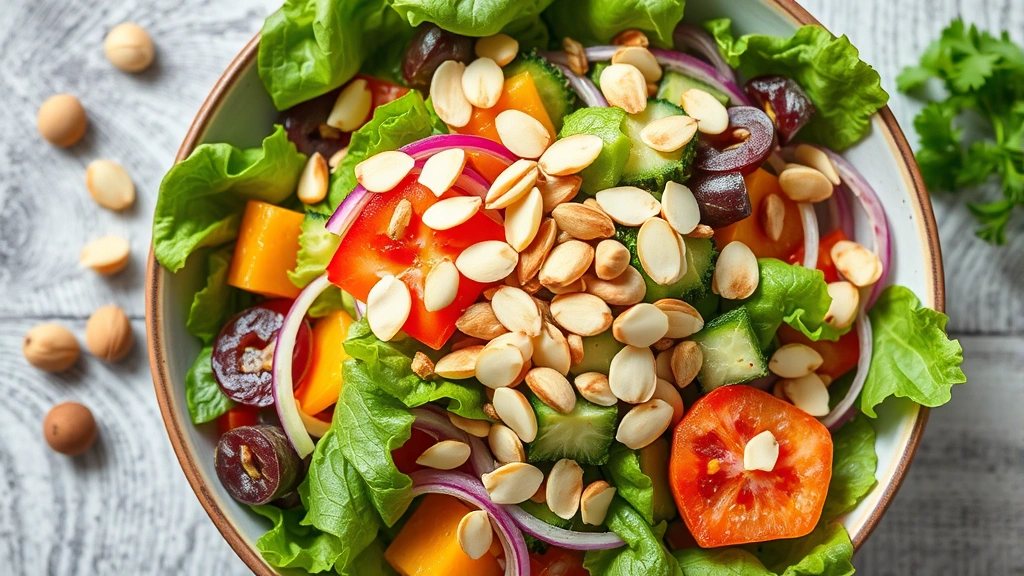
Salad toppings represent another excellent application. One-quarter ounce of sliced almonds adds complexity to salads while contributing minimal calories—approximately 40 calories. This small amount provides noticeable nutritional and textural benefits without substantially impacting overall caloric intake. Almond butter, while concentrated, can be incorporated into smoothies or paired with apple slices as a satisfying snack, though careful portioning remains essential as almond butter contains approximately 95 calories per tablespoon.
Almonds and High Protein Strategies
For individuals following high-protein weight loss approaches, almonds serve as a valuable complementary food rather than a primary protein source. While almonds provide 6 grams of protein per ounce, this represents incomplete protein lacking certain essential amino acids. However, almonds pair exceptionally well with complete protein sources. Combining almonds with Greek yogurt, cottage cheese, or protein powder creates synergistic combinations that maximize satiety and metabolic benefits.
The protein in almonds becomes particularly valuable during resistance training for weight loss. As you exercise and create a caloric deficit, adequate protein intake becomes essential for preserving lean muscle mass. Adding almonds to post-workout meals or snacks contributes to daily protein targets while providing energy for recovery. A post-workout combination of almonds with a banana and Greek yogurt delivers approximately 20 grams of protein, healthy carbohydrates for glycogen replenishment, and sustained energy release.
Research from obesity medicine associations emphasizes that protein-rich snacking patterns support greater weight loss success compared to carbohydrate-dominant snacking. Almonds fit naturally into this framework, particularly when combined with other protein sources. The synergistic effect of multiple protein sources creates enhanced satiety compared to single-source snacks, making mixed-nut combinations or nut-and-protein pairings particularly effective for appetite management.
Fiber Content and Satiety
Almonds contain 3.5 grams of fiber per ounce, contributing meaningfully toward the recommended daily fiber intake of 25-30 grams for women and 38 grams for men. Fiber plays multifaceted roles in weight management beyond simple appetite suppression. Soluble fiber, present in almond skins, ferments in the colon, producing short-chain fatty acids that signal satiety to the brain. This mechanism operates independently of calories consumed, meaning fiber’s satiating effects occur at a physiological level.
The relationship between fiber intake and weight loss success has been extensively documented in clinical research. Studies demonstrate that individuals consuming adequate fiber lose more weight and maintain weight loss more successfully than those with inadequate intake. Almonds contribute meaningfully to this fiber target while providing diverse micronutrients absent in many high-fiber alternatives like bran supplements.
Fiber also influences metabolic health through blood sugar regulation. When you consume almonds with carbohydrate-containing foods, the fiber slows carbohydrate absorption, preventing rapid blood glucose spikes that trigger insulin release and subsequent hunger. This stabilizing effect on blood sugar creates more consistent energy levels throughout the day, reducing cravings and supporting sustained caloric restriction. For individuals with insulin resistance or prediabetes, almonds offer particular value in supporting metabolic health alongside weight loss.
Potential Drawbacks and Considerations
Despite their benefits, almonds present specific considerations for weight loss success. The primary concern remains caloric density—it’s remarkably easy to consume excessive calories from almonds without conscious awareness. Individuals with a history of binge eating or difficulty with portion control may find that almonds trigger problematic eating patterns due to their palatability and caloric concentration. In these cases, complete avoidance may prove more effective than attempting moderation.
Allergies and sensitivities affect a significant portion of the population. Tree nut allergies require absolute avoidance, while nut sensitivities may cause digestive distress. Additionally, some individuals develop inflammatory responses to high consumption of polyunsaturated fats from nuts, though research remains mixed on this topic. Monitoring personal tolerance is essential before incorporating substantial quantities of almonds into your diet.
Cost considerations warrant mention. Almonds represent a premium nut compared to peanuts (technically legumes) or seeds, potentially limiting accessibility for budget-conscious individuals. Fortunately, other high-fiber foods for weight loss like beans, lentils, and seeds provide similar nutritional benefits at lower cost, ensuring that budget constraints need not prevent achieving weight loss goals.
Finally, the “health halo effect” poses a psychological risk. Because almonds carry a health reputation, individuals may overconsume them, assuming their nutritional benefits justify unlimited intake. This cognitive bias can derail weight loss efforts. Maintaining awareness that almonds, despite their benefits, contribute calories that count toward overall caloric balance remains essential for weight loss success. Treating almonds as a structured, portioned component of your diet rather than an unlimited “healthy” food ensures their benefits materialize.
FAQ
How many almonds can I eat daily for weight loss?
For weight loss, limiting almonds to one ounce (approximately 23 almonds) daily is generally recommended. This provides approximately 164 calories while delivering substantial protein, fiber, and micronutrients. Some individuals successfully incorporate almonds multiple times daily, but this requires careful portioning and caloric awareness. Consulting with a registered dietitian can help determine optimal intake for your specific situation.
Are raw or roasted almonds better for weight loss?
From a weight loss perspective, raw and roasted almonds are nutritionally equivalent. Dry roasting without added oils maintains nutritional integrity while improving palatability. However, roasted almonds with added salt or oil increase sodium and caloric content, potentially complicating portion control. Reading labels carefully and selecting unsalted varieties when possible preserves the nutritional advantages almonds offer.
Can almond butter support weight loss?
Almond butter concentrates almonds’ calories into a smaller volume, making portion control more challenging. Two tablespoons of almond butter (the typical serving) contain approximately 190 calories—more than an ounce of whole almonds while providing less satiety due to reduced fiber effect from processing. However, almond butter can support weight loss when carefully portioned and paired with lower-calorie foods. Measure carefully using tablespoons rather than eating directly from the jar.
Should I eat almonds before or after exercise?
Almonds work well as post-workout snacks, particularly when combined with carbohydrates for glycogen replenishment. The protein supports muscle recovery while the fat and fiber provide sustained energy. Pre-workout, almonds may cause digestive discomfort for some individuals due to their fat content, though this varies personally. Experiment to determine your optimal timing, recognizing that individual tolerance varies significantly.
Do almonds help with maintaining weight loss long-term?
Yes, almonds’ satiety-promoting properties and nutrient density make them valuable for weight maintenance. The protein and fiber help preserve lean muscle mass and prevent rebound weight gain. However, portion discipline remains important post-weight-loss as caloric excess still occurs with unlimited almond consumption. Incorporating almonds into sustainable eating patterns increases long-term success likelihood.
Are there better nuts for weight loss than almonds?
Different nuts offer varying nutritional profiles. Pistachios provide similar benefits with slightly lower caloric density, while walnuts offer higher omega-3 content. However, differences are minimal—focusing on consistent portion control matters more than selecting the “perfect” nut. Variety in nut consumption ensures diverse micronutrient intake while preventing palatability fatigue.
Can almonds replace other protein sources?
While almonds contribute protein, they shouldn’t entirely replace complete protein sources containing all essential amino acids. However, almonds effectively complement animal and plant-based proteins, enhancing overall nutrient intake. Combining almonds with Greek yogurt, legumes, or lean meats creates nutritionally superior meals compared to either alone.


