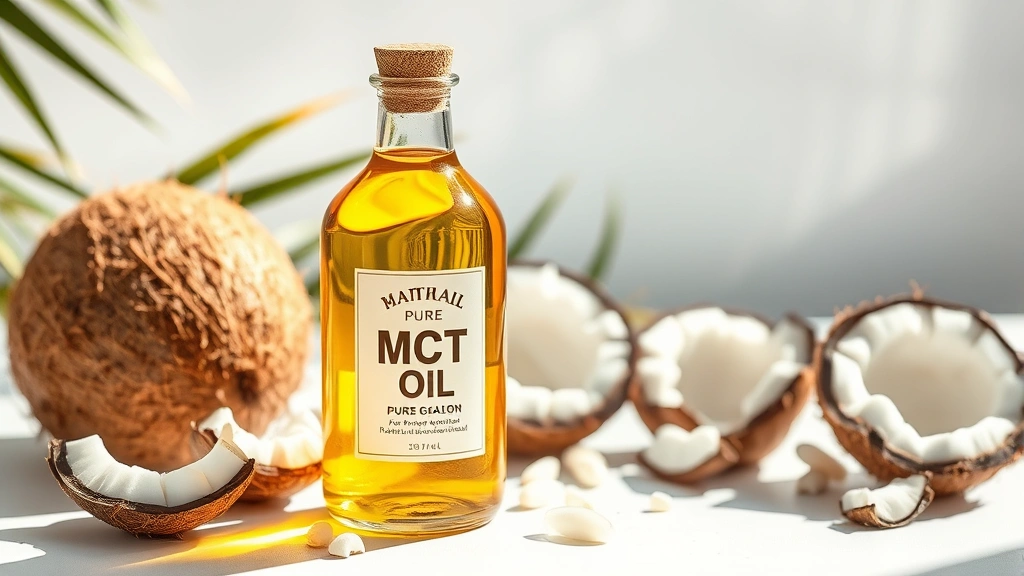
Top MCT Oils for Weight Loss? Expert Picks and Science-Backed Guide
Medium-chain triglycerides (MCTs) have gained significant attention in the weight loss community, and for good reason. Unlike long-chain fats that require extensive digestion, MCT oils are rapidly absorbed and metabolized by your body, potentially supporting your weight management journey. Whether you’re following a ketogenic diet, intermittent fasting, or simply looking to optimize your nutrition, understanding which MCT oils work best can make a meaningful difference in your results.
The market is flooded with MCT oil options, each claiming superior benefits. However, not all MCT oils are created equal. Some contain unnecessary additives, while others lack the purity and potency needed for meaningful weight loss support. This guide walks you through the best MCT oils available, what makes them effective, and how to integrate them strategically into your weight management plan.
What Is MCT Oil and How Does It Support Weight Loss?
MCT oil is a concentrated form of medium-chain fatty acids derived primarily from coconut oil or palm oil. These fats contain 6 to 12 carbon atoms, making them structurally different from the long-chain triglycerides (LCTs) found in most dietary fats. This structural difference is crucial because it fundamentally changes how your body processes and utilizes these fats.
When you consume MCT oil, your digestive system handles it more efficiently than traditional fats. MCTs bypass the normal fat digestion process and travel directly to your liver, where they’re converted into ketones—an alternative fuel source your brain and muscles can use for energy. This metabolic pathway offers several weight loss advantages.
Increased Thermogenesis: Your body burns more calories digesting and processing MCTs compared to other fats. Research published in the American Journal of Clinical Nutrition shows that MCT consumption can increase thermogenesis by up to 30% compared to long-chain fats, meaning your body burns additional calories simply processing what you eat.
Enhanced Satiety: MCT oils may help you feel fuller longer by promoting the release of appetite-suppressing hormones like peptide YY and cholecystokinin. This can naturally reduce your overall calorie intake without requiring restrictive dieting.
Improved Fat Oxidation: Studies indicate that MCT oils enhance your body’s ability to burn fat for fuel, particularly when combined with structured protein diet plans. This is especially beneficial during exercise when your muscles are primed to utilize alternative fuel sources.
Blood Sugar Stabilization: Unlike simple carbohydrates, MCT oils don’t spike your blood sugar, helping you avoid the energy crashes and cravings that derail weight loss efforts. Stable blood sugar means consistent energy levels throughout your day and reduced impulse eating.
Top MCT Oil Brands for Weight Loss
Bulletproof Brain Octane Oil (C8) stands out as a premium choice for serious weight loss seekers. This MCT oil contains only caprylic acid (C8), the most ketogenic and rapidly metabolized MCT. Users report faster ketosis entry, enhanced mental clarity, and noticeable appetite suppression. The brand’s rigorous quality standards ensure purity without additives. While premium-priced, the concentrated potency means you need less per serving, offering better long-term value.
Garden of Life Organic MCT Oil provides an excellent option for those prioritizing organic certification and clean sourcing. Made from organic coconut oil, this product delivers both C8 and C10 chain lengths, offering a balanced approach to MCT supplementation. The organic designation appeals to health-conscious consumers avoiding pesticide residues. It mixes smoothly and doesn’t leave the greasy residue some MCT oils do.
Sports Research MCT Oil represents the best value option without sacrificing quality. This product combines C8 and C10 in optimal proportions, providing rapid metabolism with sustained energy. Third-party tested for purity and potency, it delivers consistent results at a fraction of premium brand costs. The neutral flavor integrates seamlessly into beverages and meals.
Perfect Keto MCT Oil Powder solves the common complaint that liquid MCT oils are difficult to consume or cause digestive upset. This powder format contains MCT oil bound to acacia fiber, reducing gastrointestinal distress while maintaining weight loss benefits. It’s particularly useful for those who travel frequently or prefer convenient supplementation.
Viva Naturals Organic MCT Oil offers another solid organic choice with transparent sourcing from sustainable coconut farms. The product includes a helpful dosing guide and emphasizes digestive tolerance through gradual introduction protocols. Many users appreciate the educational approach this brand takes toward MCT supplementation.
When selecting among these options, consider whether you prioritize maximum potency (C8-dominant products), value (Sports Research), convenience (powder formats), or organic certification. Your individual needs and budget will determine the best choice for your weight loss journey.

” />
Key Factors to Consider When Choosing MCT Oil
Chain Length Composition: MCT oils vary in their carbon chain lengths. C8 (caprylic acid) converts to ketones most efficiently and rapidly, making it ideal for ketogenic dieters and those seeking quick metabolic effects. C10 (capric acid) provides a longer-lasting energy boost but metabolizes slightly slower. C6 and C12 chains are less common but appear in some products. Premium products often specify their exact composition, allowing you to match the chain length to your metabolic goals.
Source and Purity: The best MCT oils come from coconut or palm sources, clearly labeled on packaging. Avoid products listing vague “vegetable oil” sources or containing additives like emulsifiers or artificial flavors. Third-party testing certifications from NSF International or USP indicate rigorous quality control. Check for heavy metal testing, especially important for oils derived from tropical regions.
Processing Method: Cold-pressed MCT oils retain more nutritional integrity than chemically extracted versions. However, true cold-pressing of MCT oils is technically challenging, so most quality products use gentle extraction methods followed by filtration and purification. Avoid excessively processed products with long ingredient lists.
Price Per Serving: While MCT oils aren’t cheap, calculating cost per serving reveals true value. A premium C8 oil requiring only one tablespoon daily may cost less per serving than a cheaper C10/C12 blend requiring three tablespoons. Factor in serving size recommendations when comparing brands.
Digestive Tolerance: MCT oils can cause digestive upset in some people, particularly at higher doses. Start with smaller amounts (one teaspoon) and gradually increase to assess tolerance. Some brands formulate with added fiber or digestive enzymes to minimize these effects, making them better choices for sensitive individuals.
Flavor and Mixability: Quality MCT oils should have a neutral taste that doesn’t overpower beverages or foods. Some products have a slight coconut flavor, while others are completely neutral. Test whether the oil mixes easily into your favorite weight loss shake or coffee without separating or leaving a greasy film.
How to Use MCT Oil for Maximum Weight Loss Benefits
Timing and Dosage: Begin with 1 teaspoon daily, taken with meals to minimize digestive upset. Gradually increase to 1-2 tablespoons daily over 1-2 weeks as your body adapts. Divide your daily dose across multiple meals rather than consuming it all at once. Most people see optimal results with 1-2 tablespoons spread throughout the day.
Integration with Meals: MCT oil works best when combined with protein and fiber, which slows absorption and enhances satiety. Add it to your morning coffee or meal replacement shakes, blend it into smoothies with Greek yogurt, or drizzle it over salads. Combining MCT oil with protein bars or whole foods prevents rapid energy spikes and crashes.
Ketogenic Diet Synergy: MCT oils shine when combined with low-carbohydrate eating patterns. The combination accelerates ketosis entry and deepens ketone production. If following a strict keto approach, gradually increase MCT oil consumption while monitoring energy levels and body composition changes.
Exercise Timing: Taking MCT oil 30-60 minutes before workouts provides readily available fuel for intense exercise. The ketones produced from MCT metabolism spare muscle glycogen, potentially improving endurance while supporting fat loss. Post-workout, pair MCT oil with protein to enhance recovery.
Consistency Over Intensity: Weight loss results from MCT oil supplementation appear most pronounced with consistent daily use over 8-12 weeks. Don’t expect overnight transformation; instead, monitor subtle improvements in energy, appetite control, and body composition. Keep a simple log tracking dosage, energy levels, and how you feel throughout the day.
Combining with Other Strategies: MCT oil amplifies results when combined with proven weight loss methods. Pair it with nutrient-dense whole foods including plenty of vegetables, quality proteins, and fiber. Add regular physical activity, prioritize sleep, and manage stress—these fundamentals create the foundation upon which MCT oil’s metabolic benefits build.
Potential Side Effects and Safety Considerations
Digestive Issues: The most common MCT oil side effect is gastrointestinal discomfort, including bloating, cramping, or loose stools. These effects typically occur when consuming too much too quickly. Starting with small doses and increasing gradually usually resolves these issues within 1-2 weeks. If digestive problems persist, try powder formulations or products with added digestive enzymes.
Caloric Density: While MCT oils support weight loss through metabolic enhancement, they remain calorie-dense at 120 calories per tablespoon. Mindlessly adding MCT oil to your diet without reducing other calories can lead to weight gain. Treat MCT oil as part of your total caloric intake, not an addition to it.
Medication Interactions: MCT oils are generally well-tolerated but may interact with certain medications, particularly those affecting fat absorption. If you take medication for diabetes, blood pressure, or cholesterol management, consult your healthcare provider before starting MCT oil supplementation.
Pregnancy and Nursing: Limited research exists on MCT oil safety during pregnancy and lactation. Consult with your obstetrician or registered dietitian before using MCT oils during these critical periods.
Quality Control: Purchase MCT oils only from reputable manufacturers with third-party testing. Low-quality products may contain contaminants or mislabeled chain lengths, negating potential benefits. Check for certifications from recognized testing organizations like NSF International or ConsumerLab.
Individual Variation: Not everyone responds identically to MCT oil supplementation. Factors including genetics, existing diet quality, activity level, and overall health status influence results. Some people experience significant appetite suppression and energy enhancement, while others notice minimal effects. This variation is normal and doesn’t indicate MCT oil is ineffective—it simply means your body may require different nutritional support.

” />
Frequently Asked Questions
Can MCT oil alone cause weight loss without diet changes?
MCT oil enhances your metabolic efficiency and can suppress appetite, but it’s not a standalone weight loss solution. Without accompanying dietary improvements and physical activity, weight loss will be minimal. Think of MCT oil as a tool that amplifies the effects of solid fundamentals—good nutrition, exercise, sleep, and stress management. The research demonstrating MCT oil’s benefits involved participants making comprehensive lifestyle changes, not simply adding MCT oil to an otherwise unchanged diet.
How quickly will I see weight loss results from MCT oil?
Most users notice initial benefits within 2-4 weeks, including improved energy and reduced appetite. Measurable weight loss typically becomes apparent after 6-8 weeks of consistent use combined with appropriate diet and exercise. Individual variation is significant; some people see results faster, while others require the full 8-12 week period. Patience and consistency matter more than expecting rapid transformation.
Is MCT oil safe for people with liver disease?
MCT oils are metabolized directly by the liver, making them potentially problematic for people with compromised liver function. If you have any liver condition, including fatty liver disease, hepatitis, or cirrhosis, consult your healthcare provider before using MCT oil supplements. Your doctor can assess whether MCT oil is appropriate for your specific situation.
Can I use MCT oil for cooking and high-heat applications?
Most MCT oils have smoke points between 320-400°F, making them suitable for low-to-medium heat cooking but not ideal for high-heat applications like deep frying. For cooking purposes, coconut oil remains a better choice. Reserve MCT oil for beverages, smoothies, salads, and room-temperature applications where its metabolic benefits shine without heat exposure.
Will MCT oil interfere with my medications?
MCT oil may reduce the absorption of certain medications, particularly those that rely on fat for absorption. It can also affect how your body processes medications for diabetes or thyroid conditions. Always inform your healthcare provider about MCT oil supplementation. They can adjust medication timing or dosages if necessary to prevent interactions.
What’s the difference between MCT oil and coconut oil for weight loss?
While coconut oil contains some MCTs, it’s primarily composed of long-chain saturated fats that your body processes differently. MCT oil is a concentrated form containing 100% medium-chain triglycerides, making it more efficient for rapid ketone production and metabolic enhancement. If you want MCT-specific benefits, pure MCT oil outperforms regular coconut oil, though both can support a healthy diet.
Should I continue MCT oil indefinitely or cycle on and off?
You can safely use MCT oil long-term without cycling off, as it’s derived from natural food sources and well-tolerated by most people. However, some practitioners recommend periodic breaks to prevent your body from adapting too completely to the supplementation. A practical approach involves using MCT oil consistently for 12 weeks, then reassessing whether continued use aligns with your weight loss goals and overall health strategy.
Can MCT oil help with weight loss for people with diabetes?
MCT oils don’t spike blood sugar and may help stabilize glucose levels, potentially benefiting people with type 2 diabetes. However, because they can affect how your body processes certain diabetes medications, medical supervision is essential. Work with your doctor or a registered dietitian experienced with diabetes management before adding MCT oil to your routine. They can monitor your blood sugar response and adjust medications as needed.
MCT oil represents a science-backed tool for supporting your weight loss efforts when used strategically alongside proven fundamentals. By selecting a quality product, starting with appropriate doses, and combining MCT oil with sound nutrition and exercise habits, you create an environment where your body can shed unwanted fat more efficiently. Remember that sustainable weight loss comes from consistent habits built over time, not from any single supplement. MCT oil simply makes the journey slightly easier by enhancing your metabolism and supporting appetite control.


