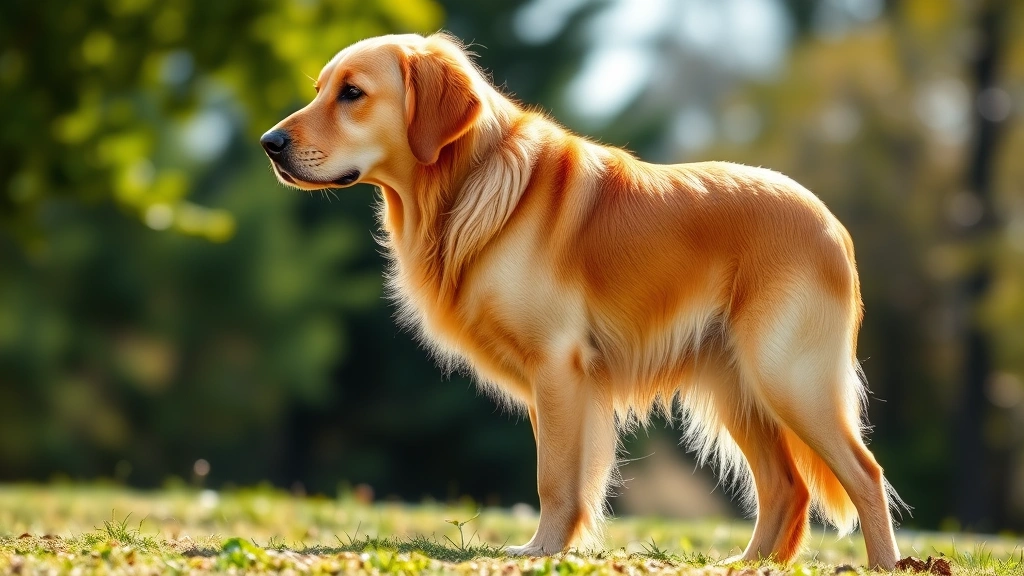
Top Dog Foods for Weight Loss? Vet Recommended
Just like humans, dogs struggle with weight management, and obesity in pets has become a significant health concern. According to veterinary studies, approximately 56% of dogs in the United States are overweight or obese, leading to serious health complications including diabetes, joint problems, and reduced lifespan. If your furry companion is carrying extra pounds, the right nutrition strategy can make all the difference in their long-term health and happiness.
Selecting the best weight loss dog food requires understanding your dog’s specific needs, metabolic rate, and underlying health conditions. Working with your veterinarian is essential before making dietary changes, as they can recommend formulations tailored to your dog’s age, breed, and activity level. This comprehensive guide explores scientifically-backed options and feeding strategies that support healthy weight management for your beloved pet.
Understanding Canine Weight Management
Weight management in dogs involves more than simply reducing portion sizes. Dogs require balanced nutrition to maintain muscle mass, bone density, and organ function while losing excess fat. The metabolic rate of each dog varies based on breed, age, gender, and spay/neuter status. Senior dogs typically have slower metabolisms, while younger, active breeds burn calories more efficiently.
A healthy weight loss rate for dogs is approximately 1-2% of body weight per week. Rapid weight loss can lead to muscle loss and nutritional deficiencies, making gradual dietary changes essential. Your veterinarian can determine your dog’s ideal weight and create a realistic timeline for achieving weight loss goals. This personalized approach ensures your dog loses fat while preserving lean muscle tissue.
Understanding the difference between quality weight loss foods and regular maintenance diets is crucial. Weight loss formulations typically contain higher protein levels to support muscle preservation, increased fiber for satiety, and reduced fat content. These foods are specifically engineered to help dogs feel full while consuming fewer calories, making the transition easier for both pets and their owners.
Key Ingredients in Weight Loss Dog Foods
Protein is the cornerstone of effective weight loss nutrition for dogs. High-quality protein sources like chicken, fish, turkey, and lean beef help maintain muscle mass during caloric restriction. Dogs require adequate protein to preserve lean body composition while fat stores diminish. Look for foods where meat appears as the primary ingredient, indicating substantial protein content.
Fiber plays a vital role in canine weight management by promoting satiety and digestive health. Soluble and insoluble fibers help dogs feel fuller longer, reducing the urge to beg for additional food. Ingredients like high fiber foods for weight loss principles apply to dogs as well, supporting digestive regularity and stable energy levels throughout the day. Common fiber sources in dog foods include pumpkin, sweet potato, and brown rice.
Moderate to low fat content is essential in weight loss formulations. While dogs need some dietary fat for nutrient absorption and skin health, excess fat contributes significantly to weight gain. Quality weight loss foods typically contain 8-12% fat, compared to 15-20% in maintenance formulas. This reduction helps create the caloric deficit necessary for sustainable weight loss.
Essential nutrients including omega-3 and omega-6 fatty acids support skin and coat health despite lower overall fat content. Vitamins and minerals like calcium, phosphorus, and B vitamins become increasingly important during weight loss to prevent deficiencies. Reputable weight loss dog foods are formulated to meet AAFCO (Association of American Feed Control Officials) standards, ensuring complete and balanced nutrition.
Digestibility is another critical factor. Highly digestible foods allow your dog to absorb maximum nutrition from smaller portions, reducing hunger and supporting weight loss goals. Look for foods with named meat sources and minimal fillers or by-products, as these formulations provide better nutritional value per calorie consumed.
Top Vet-Recommended Weight Loss Dog Food Brands
Hill’s Science Diet Prescription Diet is one of the most widely recommended weight loss formulations by veterinarians. Their weight management formulas feature controlled calorie content, increased fiber, and balanced protein to support sustainable weight loss. The brand invests heavily in clinical research, with published studies demonstrating effectiveness in helping dogs achieve healthy body condition scores.
Royal Canin Weight Control offers prescription-strength formulations designed specifically for weight management. These foods feature a precise blend of nutrients, moderate protein levels, and increased fiber to promote satiety. Royal Canin’s scientific approach includes consideration for different dog sizes and ages, offering tailored solutions for puppies, adults, and senior dogs.
Purina Pro Plan Weight Management provides veterinary-quality nutrition without requiring a prescription. This formula contains enhanced fiber and L-carnitine, an amino acid that supports fat metabolism. The food is available through veterinary channels, ensuring professional guidance during selection and implementation.
Iams Weight Control is an accessible option for pet owners seeking effective weight management at reasonable prices. Formulated with chicken as the primary protein source and enhanced fiber content, this food supports gradual, healthy weight loss. It’s widely available through pet retailers and veterinary clinics.
Prescription Diet Alternatives including Orijen, Acana, and Canidae offer grain-free or limited-ingredient options for dogs with sensitivities. These premium brands focus on whole meat sources and minimal processing, providing high-quality nutrition for weight management. While typically more expensive, they appeal to owners seeking natural, minimally-processed options.
When selecting a weight loss food, consult your veterinarian about which option best suits your dog’s individual needs, health status, and dietary preferences. Your vet may recommend a specific brand based on clinical experience, your dog’s response to previous diets, and any underlying health conditions.
Feeding Strategies for Optimal Results
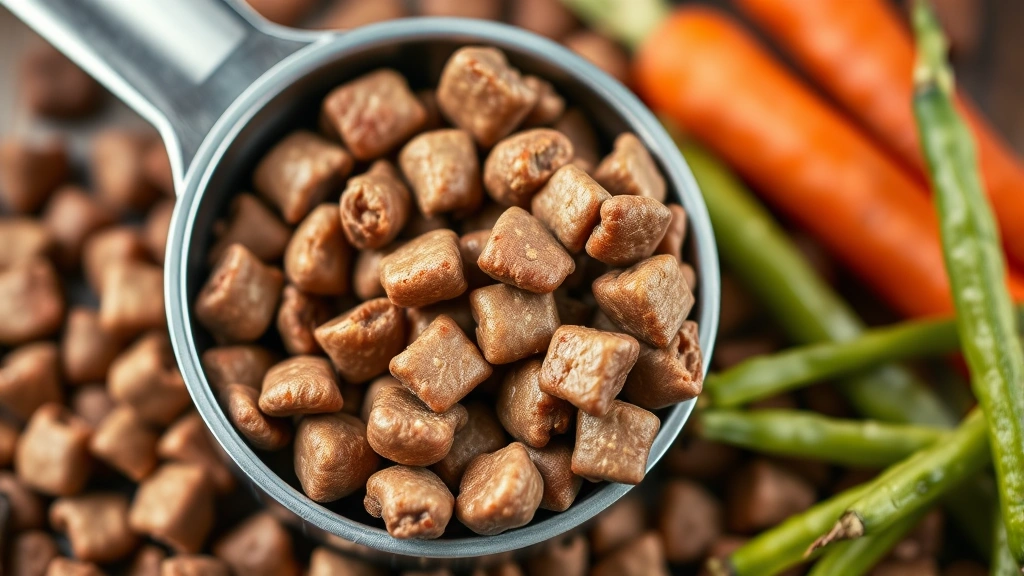
Portion Control is fundamental to weight loss success. Most dogs require 10-25% fewer calories than their current intake to achieve healthy weight loss. Your veterinarian can calculate your dog’s target daily caloric intake based on their current weight and ideal weight goal. Measuring food with a scale or measuring cup ensures consistency and prevents accidental overfeeding.
Meal Frequency affects satiety and metabolism. Many veterinarians recommend dividing daily portions into two meals rather than one large feeding. This approach helps maintain stable energy levels, reduces hunger between meals, and may improve digestive efficiency. Some dogs benefit from three smaller meals daily, particularly senior dogs or those with sensitive digestive systems.
Treat Management is often overlooked but critically important. Treats should comprise no more than 10% of daily caloric intake during weight loss phases. Replace high-calorie treats with low-calorie alternatives like carrots, green beans, or apple slices. Using training treats strategically during best aerobic exercises for weight loss sessions maintains positive reinforcement while controlling calorie intake.
Gradual Transition prevents digestive upset and increases acceptance of new foods. Mix increasing proportions of the new weight loss food with your dog’s current diet over 7-10 days. This gradual approach allows your dog’s digestive system to adapt while reducing resistance to dietary changes.
Water Intake supports weight loss and overall health. Ensure fresh water is available throughout the day. Proper hydration aids digestion, supports kidney function, and can reduce false hunger signals. Some veterinarians recommend adding water to dry kibble to increase volume and satiety without adding calories.
Monitoring Progress involves regular weigh-ins and body condition assessments. Weigh your dog weekly or bi-weekly at your veterinary clinic to track progress objectively. Your vet uses a body condition score (typically 1-9 scale) to evaluate whether your dog is losing fat appropriately and maintaining muscle mass. Adjust portions based on progress, aiming for that consistent 1-2% weekly weight loss rate.
Combining Nutrition with Exercise
Nutrition forms only half the weight loss equation; physical activity is equally essential. Regular exercise burns calories, builds lean muscle mass, and improves cardiovascular health. Dogs need daily activity appropriate to their age, breed, and current fitness level. Puppies and young adult dogs typically require 1-2 hours of activity daily, while senior dogs benefit from shorter, gentler sessions.
Walking is the most accessible exercise for overweight dogs. Start with short, slow walks (10-15 minutes) and gradually increase duration and pace as your dog’s fitness improves. Walking on varied terrain engages more muscle groups than flat surfaces. Swimming and water therapy are excellent low-impact options for dogs with joint problems, as water supports body weight while providing resistance.
Interactive play sessions using toys, fetch games, or agility exercises increase calorie burn while strengthening the human-dog bond. Puzzle toys and sniff games provide mental stimulation and physical activity simultaneously, reducing boredom-related overeating. Incorporating best time of day to exercise for weight loss principles, early morning or evening walks may boost metabolism and provide cooler conditions for overweight dogs prone to overheating.
Consistency matters more than intensity for sustainable weight loss. Daily moderate activity produces better results than sporadic intense exercise. Work with your veterinarian to develop an exercise plan that safely increases your dog’s activity level without risking injury or exhaustion.
Common Mistakes to Avoid
Switching Foods Too Quickly causes digestive upset and may lead to food refusal. Always transition gradually over 7-10 days, mixing increasing proportions of new food with the old diet. This patience pays dividends in successful dietary adherence.
Inconsistent Portion Sizes undermine weight loss efforts. Family members may inadvertently overfeed if portion amounts aren’t clearly communicated. Use measuring cups or scales, and create a feeding schedule posted on your refrigerator to ensure everyone follows the veterinarian-recommended amounts.
Hidden Calorie Sources sabotage weight loss progress. Table scraps, training treats, rawhide chews, and flavored medications contain significant calories not accounted for in portion calculations. Account for all caloric sources when determining daily intake targets.
Ignoring Medical Conditions can prevent weight loss success. Hypothyroidism, Cushing’s disease, and other metabolic conditions complicate weight management. Your veterinarian may recommend blood work to rule out underlying health issues before starting a weight loss program.
Unrealistic Expectations lead to discouragement. Weight loss takes time—typically 3-6 months for significant results. Celebrate small milestones and maintain focus on health improvements rather than rapid scale changes.
Inadequate Veterinary Monitoring prevents early detection of problems. Schedule check-ups every 4-6 weeks during active weight loss phases. Your vet can adjust portions, monitor body condition, and ensure your dog remains healthy throughout the process.
Using Human Diet Principles inappropriately applies to dogs. While humans benefit from low carb diets for weight loss, dogs are facultative carnivores with different nutritional requirements. Always follow veterinary guidance specific to canine nutrition rather than adapting human diet trends.
FAQ
How long does it take for dogs to lose weight on a weight loss diet?
Healthy weight loss typically occurs at 1-2% of body weight weekly. For a 50-pound dog, this means losing 0.5-1 pound per week, requiring 8-16 weeks to lose 10 pounds. Individual variation exists based on metabolism, age, and activity level. Your veterinarian can provide personalized timelines.
Can I use regular dog food for weight loss instead of prescription formulas?
Regular maintenance formulas typically contain higher fat and calorie content than appropriate for weight loss. While possible to achieve weight loss through portion reduction alone, prescription or specialized weight loss foods are formulated to maintain nutrition while reducing calories, making them more effective and safer long-term.
Are grain-free weight loss diets better for dogs?
Grain-free status doesn’t inherently improve weight loss. What matters is overall caloric content, protein levels, and fiber. Some dogs with grain sensitivities may benefit from grain-free options, but grain-inclusive foods are equally effective for weight loss in most dogs. Choose based on your dog’s individual needs and your veterinarian’s recommendations.
What if my dog refuses the new weight loss food?
Transition more gradually, mixing even smaller proportions of new food with old food. Try warming the food slightly or adding low-sodium broth to increase palatability. If your dog continues refusing, inform your veterinarian—alternative formulations may be necessary.
Can supplements help with dog weight loss?
Certain supplements like L-carnitine may support fat metabolism, but they’re not replacements for proper diet and exercise. Discuss any supplements with your veterinarian before starting, as some may interact with medications or underlying health conditions.
Is it normal for my dog to feel hungry on a weight loss diet?
Some hunger is normal, but excessive hunger may indicate portions are too restricted or the food lacks adequate fiber. Work with your veterinarian to adjust portions or try different formulations with higher satiety factors. Never restrict food below veterinary recommendations.
Should I give my dog treats during weight loss?
Yes, treats are important for training and bonding. Keep treats to 10% of daily calories and choose low-calorie options like carrots, green beans, or dog-specific training treats. Account for all treats in total daily caloric intake calculations.
What role does exercise play in dog weight loss?
Exercise is essential alongside dietary changes. It burns calories, builds muscle, improves cardiovascular health, and supports metabolic function. Combine appropriate physical activity with nutrition for optimal, sustainable weight loss results.


