
Can Anxiety Cause Weight Loss? Expert Insight
Anxiety is a complex mental health condition that affects millions of people worldwide, and its physical manifestations often surprise those experiencing it. One of the most noticeable changes people report during periods of high anxiety is unintended weight loss. If you’ve noticed yourself losing weight while feeling stressed or anxious, you’re not alone—and understanding the connection between anxiety and weight changes is crucial for your overall health and wellbeing.
The relationship between anxiety and weight loss is multifaceted, involving hormonal shifts, changes in appetite regulation, increased metabolic activity, and behavioral modifications. While some weight loss might seem desirable on the surface, anxiety-induced weight loss is typically unhealthy and can lead to nutritional deficiencies, weakened immune function, and other serious health complications. This comprehensive guide explores the science behind anxiety-related weight loss and provides practical strategies for managing both your mental health and physical wellbeing.
How Anxiety Affects Your Body’s Weight Regulation
Your body’s weight is regulated by a complex interplay of hormones, neurological signals, and metabolic processes. When anxiety disrupts this delicate balance, significant weight changes can occur. The human nervous system has two primary modes: the sympathetic nervous system (fight-or-flight response) and the parasympathetic nervous system (rest-and-digest response). Chronic anxiety keeps your body in a prolonged state of sympathetic activation, fundamentally altering how your body processes food and energy.
During an anxiety response, your body prioritizes immediate survival over digestion and nutrient absorption. Blood flow is redirected away from your digestive system toward your muscles and brain, preparing you to respond to perceived threats. This physiological shift can significantly reduce appetite signals and make eating feel impossible or unappealing. For many people with anxiety disorders, the sensation of hunger diminishes substantially, leading to inadvertent caloric deficit and weight loss.
The autonomic nervous system’s role in anxiety-related weight loss extends beyond simple appetite suppression. Anxiety activates the release of stress hormones that increase heart rate, breathing rate, and overall metabolic activity. Your body essentially enters a heightened state of alert, burning more calories simply to maintain this elevated physiological state. Over time, this combination of reduced food intake and increased energy expenditure creates significant weight loss.
Understanding how to calculate daily calorie needs becomes especially important when anxiety disrupts your normal eating patterns. When your caloric intake falls below your body’s requirements, weight loss accelerates regardless of your baseline health status.
The Hormonal Connection: Cortisol and Metabolism
Cortisol, often called the stress hormone, plays a central role in anxiety-related weight changes. While cortisol’s relationship with weight is complex and sometimes contradictory, its effects during acute anxiety episodes are well-documented. When you experience anxiety, your adrenal glands release cortisol and adrenaline (epinephrine), preparing your body for immediate action.
In acute anxiety situations, elevated cortisol and adrenaline suppress appetite through several mechanisms. Adrenaline directly inhibits hunger signals in the brain, while cortisol shifts your body’s energy utilization patterns. During acute stress, your body preferentially breaks down stored glycogen and fat for immediate energy, increasing your metabolic rate. This explains why people often experience noticeable weight loss during particularly stressful periods.
However, the cortisol-weight relationship becomes more nuanced with chronic anxiety. Prolonged elevation of cortisol can eventually lead to increased appetite and weight gain in some individuals, particularly through increased cravings for high-calorie comfort foods. The key difference is timing: acute anxiety episodes typically cause appetite suppression and weight loss, while chronic, unmanaged anxiety can eventually trigger compensatory overeating and weight gain.
Additionally, cortisol affects where your body stores fat. Chronic stress and elevated cortisol levels are associated with increased visceral fat deposition (fat around internal organs), which poses greater health risks than subcutaneous fat. This means that even if you’re losing weight overall, anxiety-related stress hormones may be promoting harmful fat storage patterns.
The hormonal cascade during anxiety also involves decreased production of leptin, a hormone that signals satiety to your brain. Lower leptin levels make it harder for your body to recognize when you’ve consumed adequate calories, further contributing to reduced food intake during anxious periods.
Appetite Suppression During Anxiety Episodes
One of the most direct mechanisms linking anxiety to weight loss is appetite suppression. Many people with anxiety disorders report that during anxious episodes, food becomes physically unappealing or even nauseating. This isn’t a character flaw or lack of willpower—it’s a genuine physiological response to anxiety.
The gastrointestinal system is exquisitely sensitive to emotional and psychological states. Your gut contains more neurons than your spinal cord, and these neurons communicate directly with your brain through the vagus nerve. Anxiety signals traveling through this gut-brain axis can trigger nausea, stomach pain, and complete loss of appetite. Some people describe feeling a tight knot in their stomach that makes eating impossible.
During anxiety episodes, your body also experiences reduced production of ghrelin, the hormone responsible for stimulating hunger. Simultaneously, your brain becomes hyperfocused on the source of anxiety rather than physiological hunger cues. Even if your body needs calories, your mind’s preoccupation with anxious thoughts prevents you from noticing or responding to hunger signals.
This appetite suppression can be so severe that people with anxiety disorders must consciously remind themselves to eat. Skipping meals becomes easy when you don’t feel hungry, and the accumulated caloric deficit quickly leads to noticeable weight loss. Unlike intentional weight loss achieved through structured dietary changes, anxiety-induced appetite suppression often results in inadequate nutrition and micronutrient deficiencies.
Physical Activity Changes and Energy Expenditure
Anxiety affects physical activity patterns in complex ways. Some people experience restlessness and fidgeting, which increases energy expenditure and can contribute to weight loss. Others become so fatigued or unmotivated that they reduce their activity levels. The relationship between anxiety and exercise is highly individual and depends on anxiety severity, personal coping mechanisms, and underlying personality traits.
During acute anxiety episodes, the adrenaline surge can create nervous energy that translates into increased movement. People might pace, fidget, or engage in repetitive physical behaviors—all of which burn additional calories. Over extended periods, this increased fidgeting and restlessness can meaningfully contribute to weight loss when combined with reduced food intake.
Conversely, some people with anxiety become so exhausted or depressed that they reduce physical activity. This creates a paradoxical situation where despite moving less, they still lose weight due to severely suppressed appetite and reduced caloric intake. This pattern is particularly common in people with generalized anxiety disorder or social anxiety disorder, where avoidance and withdrawal are prominent features.
Interestingly, the type of physical activity also matters. Anxious energy often manifests as cardio-style movement (pacing, fidgeting) rather than structured exercise. While this burns calories, it doesn’t build muscle mass. When combined with inadequate protein intake, anxiety-related weight loss often includes significant muscle loss alongside fat loss, which negatively affects metabolism and body composition.
Nutritional Deficiencies From Anxiety-Related Weight Loss
The weight loss caused by anxiety is rarely healthy weight loss. Unlike intentional weight loss achieved through balanced, nutrient-dense healthy meal plans for weight loss, anxiety-induced weight loss typically involves nutritional inadequacy. When appetite suppression prevents you from eating sufficient quantities, you naturally consume fewer micronutrients, vitamins, and minerals essential for optimal health.
Common nutritional deficiencies associated with anxiety-related weight loss include:
- Protein deficiency: Inadequate protein intake leads to muscle loss, weakened immune function, and slower wound healing. Learn more about weight loss and protein intake to understand optimal protein consumption.
- B vitamin deficiencies: B vitamins are crucial for energy production and neurological function. Anxiety already stresses your nervous system, and B vitamin deficiency exacerbates this.
- Iron deficiency: Particularly concerning for menstruating women, iron deficiency causes fatigue and impaired cognitive function, worsening anxiety symptoms.
- Calcium and magnesium deficiencies: These minerals support nervous system function and muscle health. Their deficiency can intensify anxiety symptoms and muscle weakness.
- Vitamin D deficiency: Low vitamin D is associated with increased anxiety and depression risk, creating a vicious cycle.
These nutritional deficiencies create a concerning feedback loop: anxiety suppresses appetite, leading to malnutrition, which worsens anxiety symptoms and overall health. This is why addressing anxiety-related weight loss requires simultaneous treatment of both the anxiety and the nutritional consequences.
When to Seek Professional Help
If you’re experiencing significant unintended weight loss alongside anxiety symptoms, professional evaluation is essential. Both mental health and medical professionals should be involved in your care. A healthcare provider can rule out other medical conditions causing weight loss (hyperthyroidism, diabetes, gastrointestinal disorders) and assess your nutritional status.
Seek immediate professional help if you experience:
- Rapid weight loss (more than 5% of body weight in one month)
- Severe appetite suppression lasting more than two weeks
- Signs of malnutrition (fatigue, weakness, hair loss, brittle nails)
- Anxiety symptoms that interfere with daily functioning
- Suicidal thoughts or severe depression alongside anxiety
- Physical symptoms suggesting eating disorder development
A mental health professional, such as a therapist or psychiatrist, can help address the underlying anxiety through evidence-based treatments like cognitive-behavioral therapy or medication when appropriate. A registered dietitian can assess your nutritional needs and develop strategies to ensure adequate caloric and nutrient intake despite appetite suppression.
According to the CDC’s mental health resources, anxiety disorders are highly treatable, and early intervention significantly improves outcomes. Don’t hesitate to reach out to healthcare providers—anxiety-related weight loss is a recognized medical concern with effective treatment approaches.
Strategies for Managing Anxiety and Maintaining Healthy Weight
Managing anxiety-related weight loss requires a multifaceted approach addressing both mental health and nutritional needs. Here are evidence-based strategies:
1. Professional Anxiety Treatment
Cognitive-behavioral therapy (CBT) is one of the most effective treatments for anxiety disorders. CBT helps you identify anxiety triggers, challenge unhelpful thought patterns, and develop coping strategies. Other effective approaches include exposure therapy, acceptance and commitment therapy (ACT), and mindfulness-based interventions. Medication, such as SSRIs or SNRIs, may also be recommended by a psychiatrist.
2. Nutritional Support and Small, Frequent Meals
When anxiety suppresses appetite, eating large meals becomes impossible. Instead, consume small, nutrient-dense meals and snacks throughout the day. Smoothies, soups, and liquid nutrition can be easier to consume when appetite is suppressed. Focus on calorie-dense, nutritious foods: nuts, nut butters, avocados, olive oil, and whole grains. Keep high-protein snacks readily available to support muscle maintenance.
3. Mindful Eating Practices
Anxiety often creates a disconnect between your mind and body. Mindful eating—eating slowly, without distractions, and paying attention to hunger and fullness cues—can help rebuild this connection. Even when anxiety suppresses appetite, mindful eating practices can help you consume adequate nutrition by tuning into subtle hunger signals.
4. Stress-Reduction Techniques
Practices like deep breathing, progressive muscle relaxation, yoga, and meditation activate your parasympathetic nervous system, counteracting the anxiety response. Regular practice of these techniques can reduce overall anxiety severity and normalize appetite regulation. Even 10-15 minutes daily of deep breathing or meditation can significantly impact anxiety levels.
5. Sleep Optimization
Anxiety and poor sleep are bidirectionally linked—anxiety disrupts sleep, and sleep deprivation worsens anxiety. Prioritize consistent sleep schedules, limit screen time before bed, and create a relaxing bedtime routine. Quality sleep is essential for appetite hormone regulation and metabolic function.
6. Moderate Physical Activity
Exercise is therapeutic for anxiety, but excessive exercise during periods of reduced food intake can worsen nutritional deficiency. Focus on moderate-intensity activities you enjoy—walking, swimming, cycling—rather than intense calorie-burning workouts. Exercise should support your mental health, not compromise your nutritional status.
7. Social Support and Connection
Isolation often accompanies anxiety and makes maintaining healthy eating patterns more difficult. Eating with others, whether family, friends, or support groups, provides motivation and accountability. Social connection itself is a powerful anxiety reducer and promotes healthier behaviors.
8. Limit Caffeine and Stimulants
Caffeine, energy drinks, and other stimulants can intensify anxiety symptoms and further suppress appetite. Reducing or eliminating these substances may help normalize appetite and reduce anxiety severity. Herbal teas and water are better choices during anxious periods.
9. Track Progress Appropriately
Rather than focusing solely on weight, track multiple health indicators. Learn about weight loss and body measurements tracking to monitor progress in ways that reflect overall health rather than just the scale. Track energy levels, mood, appetite, and how your clothes fit—these metrics are often more meaningful than weight alone during anxiety management.
10. Nutritional Supplementation
A registered dietitian may recommend supplementation to address specific deficiencies while you work on normalizing food intake. Multivitamins, protein powders, and mineral supplements can bridge nutritional gaps until anxiety-related appetite suppression improves.
Remember that recovery from anxiety-related weight loss is not linear. Some days will be better than others. Compassion toward yourself during this process is crucial—anxiety is a medical condition, not a personal failing, and addressing it requires patience and consistent effort.
The Role of Professional Registered Dietitians
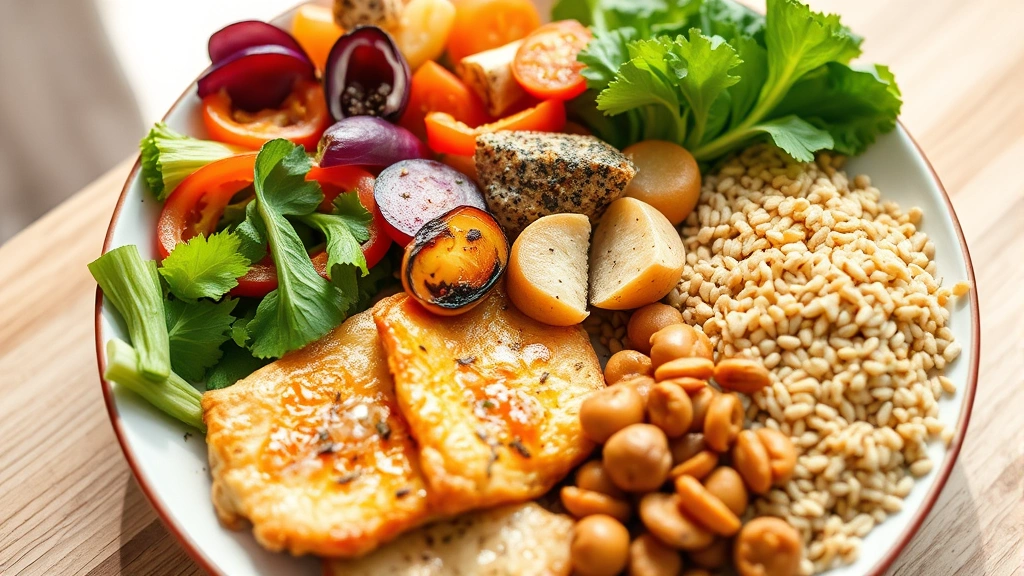
Working with a registered dietitian from the Academy of Nutrition and Dietetics is invaluable when managing anxiety-related weight loss. These professionals can conduct comprehensive nutritional assessments, identify specific deficiencies, and develop personalized eating strategies that work within the constraints of anxiety-related appetite suppression. They can also monitor your progress and adjust recommendations as your anxiety improves.
A dietitian understands the unique challenges of eating with anxiety and can suggest practical solutions like liquid nutrition options, appetite-stimulating foods, and meal timing strategies that support both mental health treatment and nutritional adequacy. They work collaboratively with your mental health provider to ensure all aspects of your health are addressed.
Distinguishing Anxiety-Related Weight Loss From Other Causes
It’s important to distinguish anxiety-related weight loss from weight loss caused by other conditions. Unintentional weight loss can result from thyroid disorders, diabetes, gastrointestinal diseases, cancer, or other serious medical conditions. A thorough medical evaluation is essential to rule out these possibilities.
Your healthcare provider will likely conduct blood tests to check thyroid function, blood glucose, and nutritional markers. They’ll also review your medical history and symptoms to identify whether weight loss is primarily anxiety-related or potentially indicates another underlying condition. This comprehensive evaluation ensures you receive appropriate treatment.
Long-Term Outlook and Recovery
The good news is that anxiety-related weight loss is highly reversible. As anxiety treatment takes effect and anxiety symptoms decrease, appetite typically normalizes and weight stabilizes. Many people find that as they address their anxiety through therapy, lifestyle changes, and sometimes medication, their weight naturally returns to healthier levels without requiring separate weight loss interventions.
Recovery isn’t instantaneous—it typically takes weeks to months of consistent anxiety treatment before you notice significant appetite improvement and weight stabilization. However, with proper professional support and commitment to treatment, most people experience substantial improvement in both anxiety symptoms and nutritional status.

FAQ
Can anxiety cause sudden weight loss?
Yes, anxiety can cause sudden weight loss, particularly during acute anxiety episodes. The combination of appetite suppression, increased metabolic rate from stress hormones, and sometimes increased physical activity can lead to noticeable weight loss within days or weeks. However, sudden weight loss always warrants medical evaluation to rule out other underlying conditions.
How much weight can you lose from anxiety?
The amount of weight loss varies significantly between individuals. Some people lose just a few pounds during anxious periods, while others lose 10-20+ pounds if anxiety persists for months. The extent of weight loss depends on anxiety severity, duration, individual metabolic factors, and how much anxiety suppresses appetite. Significant weight loss (more than 10% of body weight) requires professional evaluation and intervention.
Does anxiety weight loss come back?
Yes, anxiety-related weight loss typically reverses as anxiety improves. Once anxiety is effectively treated and appetite normalizes, most people regain lost weight naturally. However, if the weight loss was severe or prolonged, nutritional rehabilitation may be necessary to fully restore health and prevent complications like anemia or bone loss.
Is anxiety weight loss dangerous?
Anxiety-related weight loss can be dangerous if it’s severe, prolonged, or accompanied by malnutrition. The nutritional deficiencies that accompany rapid weight loss can cause serious health consequences including weakened immune function, bone loss, anemia, and cardiovascular complications. Additionally, anxiety-related weight loss often includes muscle loss, which negatively affects metabolism and physical function. Professional intervention is essential for significant weight loss.
Can I exercise during anxiety-related weight loss?
Moderate exercise can be beneficial for anxiety management, but intense exercise during periods of reduced food intake can worsen nutritional deficiency and muscle loss. Focus on gentle, enjoyable activities like walking or yoga rather than intense calorie-burning workouts. Ensure you’re consuming adequate calories and protein to support your activity level. Consult with your healthcare provider about appropriate exercise during anxiety treatment.
What should I eat when anxiety suppresses appetite?
Choose nutrient-dense, calorie-rich foods that are easy to consume: smoothies with protein powder and nut butter, soups with added oil, avocados, nuts, seeds, whole grains, and soft proteins like eggs or fish. Small, frequent meals and snacks are often easier to manage than three large meals. Liquid nutrition like protein shakes can be particularly helpful when solid food feels unappealing.
When should I see a doctor about anxiety-related weight loss?
Seek medical evaluation if you experience more than 5% weight loss in one month, persistent appetite suppression lasting more than two weeks, signs of malnutrition, or if weight loss accompanies severe anxiety symptoms. Early professional intervention prevents complications and supports faster recovery.


