
Caseoh Weight Loss Tips: Doctor Approved Guide
Weight loss journeys require more than willpower—they demand a strategic, medically-informed approach grounded in sustainable lifestyle changes. Caseoh weight loss strategies represent a comprehensive framework that combines behavioral science, nutritional excellence, and personalized medical guidance to help individuals achieve lasting results. Whether you’re struggling with initial weight management or seeking to break through a plateau, understanding these evidence-based principles can transform your approach to health and wellness.
This guide explores doctor-approved caseoh weight loss methodologies that have helped thousands of individuals reclaim their health. By focusing on realistic, manageable changes rather than extreme restrictions, these strategies address the root causes of weight gain while building habits that last a lifetime. The key difference between temporary weight loss and permanent transformation lies in adopting an integrated approach that respects your body’s unique needs and metabolic profile.
Understanding Caseoh Weight Loss Philosophy
Caseoh weight loss represents a paradigm shift from restrictive dieting toward comprehensive health optimization. This approach recognizes that sustainable weight loss stems from understanding your individual metabolic needs, food preferences, and lifestyle constraints. Rather than imposing a one-size-fits-all solution, the caseoh methodology personalizes recommendations based on medical assessments, genetic factors, and psychological readiness for change.
The philosophy rests on four foundational pillars: medical accountability, nutritional science, progressive physical activity, and behavioral sustainability. Each element works synergistically to create an environment where your body naturally gravitates toward healthy weight. This is fundamentally different from crash diets that create temporary results followed by inevitable regain. Studies from the CDC’s obesity prevention division confirm that gradual, medically-supervised weight loss produces superior long-term outcomes compared to rapid approaches.
Understanding your metabolic baseline becomes essential before implementing any caseoh weight loss strategy. This involves assessing your current energy expenditure, identifying metabolic inefficiencies, and determining which nutritional modifications will yield the greatest benefit. A registered dietitian can evaluate whether weight loss with intermittent fasting aligns with your schedule and metabolic profile, or whether alternative meal timing strategies better suit your needs.

Medical Foundation and Clinical Evidence
The caseoh weight loss approach gains credibility from extensive clinical research demonstrating its effectiveness. The Obesity Society, composed of obesity medicine specialists and researchers, has documented that medically-supervised weight loss programs achieve 5-10% body weight reduction within 6 months—a threshold clinically proven to improve cardiovascular health, reduce diabetes risk, and enhance metabolic function.
Doctor-approved caseoh strategies incorporate principles from behavioral weight loss therapy, which combines cognitive-behavioral techniques with practical lifestyle modifications. Research published in leading nutrition journals demonstrates that individuals who receive medical oversight experience greater compliance and more substantial metabolic improvements than those attempting unsupervised approaches. Your healthcare provider can assess whether you have underlying conditions like thyroid dysfunction, insulin resistance, or hormonal imbalances that require specific interventions.
Medical supervision also ensures you avoid common pitfalls that undermine weight loss success. A physician can identify whether weight loss and metabolic syndrome connections apply to your situation, determining whether your approach should prioritize cardiovascular health, glucose control, or inflammatory markers alongside body weight reduction. This personalized assessment prevents wasted effort on strategies misaligned with your actual health needs.
The Academy of Nutrition and Dietetics emphasizes that evidence-based weight loss requires individualized nutrition plans developed by registered dietitian nutritionists (RDNs). These professionals possess specialized training in medical nutrition therapy and can identify nutritional deficiencies, food intolerances, and eating patterns that sabotage weight loss efforts. Combining their expertise with your physician’s medical oversight creates optimal conditions for success.
Nutritional Strategies for Sustainable Results
Nutrition forms the cornerstone of any effective caseoh weight loss program. Rather than eliminating entire food groups, this approach emphasizes nutrient density—consuming foods that provide maximum nutritional value relative to caloric content. This shift prevents the deprivation mentality that derails restrictive diets while naturally reducing overall calorie intake.
Protein becomes especially important in caseoh weight loss strategies. Adequate protein intake preserves lean muscle mass during weight loss, maintains satiety between meals, and requires more energy to digest than carbohydrates or fats. Most medical guidelines recommend consuming 0.8-1.0 grams of protein per pound of body weight during active weight loss, distributed across three to four meals to optimize muscle retention and metabolic efficiency.
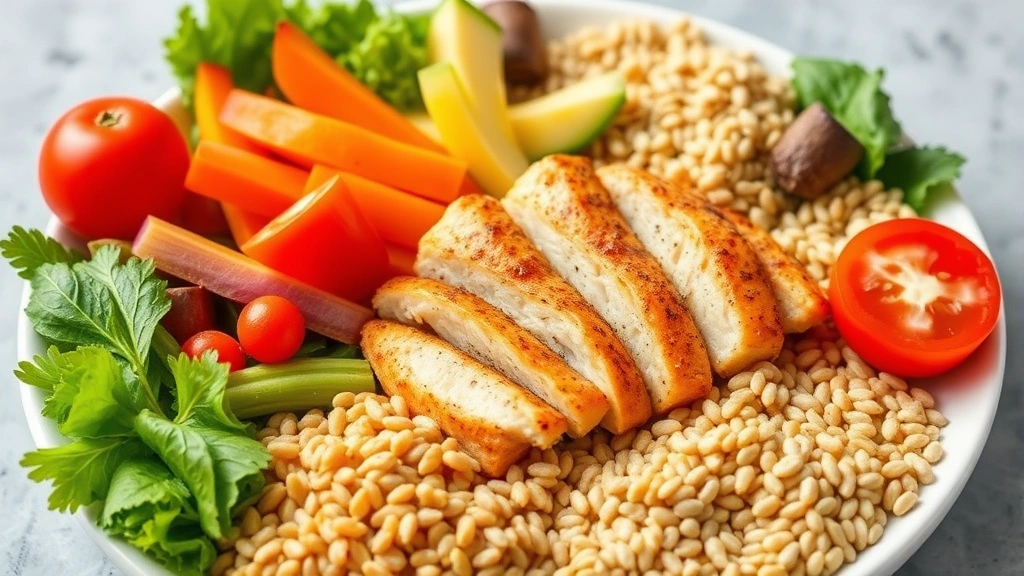
Incorporating best vegetables for weight loss provides essential micronutrients, dietary fiber, and phytonutrients while remaining extremely low in caloric density. Non-starchy vegetables can comprise 50% of your plate at lunch and dinner without contributing significantly to calorie totals, creating the volume and satiety necessary for comfortable adherence. Emphasizing colorful varieties—dark leafy greens, cruciferous vegetables, orange and red produce—ensures comprehensive micronutrient coverage.
Healthy fat inclusion prevents hormonal disruption and supports nutrient absorption. Omega-3 fatty acids from fish, flaxseeds, and walnuts reduce inflammatory markers associated with metabolic dysfunction. Monounsaturated fats from olive oil, avocados, and nuts promote cardiovascular health while improving satiety. These fats should comprise 25-30% of total caloric intake—sufficient for hormonal balance without excessive calorie contribution.
Refined carbohydrate reduction represents another key principle without requiring complete carbohydrate elimination. Whole grains, legumes, and starchy vegetables provide sustained energy and fiber while controlling blood sugar fluctuations that trigger hunger and cravings. The timing of carbohydrate consumption—prioritizing them around physical activity—optimizes energy utilization and prevents excess storage as fat.
Many individuals find best meal replacement shakes for weight loss helpful as convenient, portion-controlled options when time constraints challenge meal preparation. Quality formulations provide complete protein, essential micronutrients, and controlled calories—useful for breakfast or post-workout nutrition. However, these work best as supplements to whole food nutrition rather than meal replacements for extended periods.
Exercise and Physical Activity Integration
Physical activity in caseoh weight loss programs serves multiple critical functions beyond calorie expenditure. Exercise improves insulin sensitivity, enhances cardiovascular health, preserves muscle mass during calorie restriction, and boosts metabolic rate through increased muscle tissue. The most effective approach combines resistance training with cardiovascular conditioning and daily movement accumulation.
Resistance training should occur three to four times weekly, targeting all major muscle groups. Progressive overload—gradually increasing weight, repetitions, or volume—stimulates muscle adaptation and metabolic improvements. Even moderate resistance training preserves lean mass during weight loss, preventing the metabolic slowdown that often accompanies diet-only approaches. This becomes especially important for individuals over 40, where muscle loss accelerates without targeted strength work.
Cardiovascular exercise complements resistance training by improving aerobic capacity and creating additional caloric deficit. However, excessive cardio without adequate protein and resistance training can promote muscle loss. Finding the appropriate best cardio machine for weight loss depends on your preferences, joint health, and available time. The most effective cardio machine is the one you’ll consistently use—whether that’s a treadmill, rowing machine, stationary bike, or elliptical trainer.
Daily movement accumulation—walking, stair climbing, occupational activity—significantly contributes to total energy expenditure while remaining sustainable long-term. Aiming for 8,000-10,000 steps daily, distributed throughout the day, reduces sedentary time and improves metabolic health without requiring dedicated exercise sessions. This approach proves especially valuable for individuals with joint issues or extremely busy schedules, as it doesn’t demand concentrated workout blocks.
Progressive exercise implementation prevents injury and ensures long-term adherence. Beginning with moderate-intensity activities and gradually increasing duration and intensity allows physiological adaptation. This progressive approach also prevents the burnout that often accompanies overly aggressive initial exercise programs that don’t match current fitness levels.
Behavioral Modification Techniques
Behavioral patterns often determine weight loss success more than nutritional knowledge alone. Caseoh weight loss incorporates evidence-based behavioral strategies that address eating triggers, emotional eating patterns, and environmental factors promoting excess consumption. These techniques create lasting change by modifying the automatic behaviors driving weight gain.
Mindful eating practices heighten awareness of hunger and satiety cues, preventing the disconnected consumption that characterizes modern eating patterns. Eating slowly, eliminating distractions, and tuning into physical sensations of fullness naturally reduce portion sizes without conscious restriction. Research demonstrates that mindful eating approaches produce sustainable weight loss without the psychological burden of strict dietary rules.
Environmental modification removes friction from healthy choices while increasing friction for problematic foods. Stocking your home with prepared vegetables, lean proteins, and whole grains makes nutritious choices the path of least resistance. Conversely, eliminating highly palatable, calorie-dense foods from your environment reduces reliance on willpower. This approach acknowledges that willpower fluctuates while environmental design remains constant.
Self-monitoring through food journaling or app-based tracking increases awareness of actual consumption versus perceived intake. Most individuals underestimate calorie consumption by 20-40%, making objective tracking essential for identifying discrepancies between intentions and reality. However, tracking should support learning rather than become obsessive—the goal is developing intuitive awareness that eventually allows reducing formal tracking.
Social support structures substantially improve adherence and long-term success. Working with healthcare providers, registered dietitians, or weight loss support groups creates accountability while providing expert guidance during challenging periods. Sharing your journey with family and friends who support your goals creates environmental reinforcement for sustainable behaviors.
Tracking Progress Beyond the Scale
While body weight provides one metric, comprehensive progress tracking using weight loss and body measurements reveals changes the scale alone misses. Body composition changes—muscle gain coupled with fat loss—can produce minimal scale movement despite substantial body transformation. Taking progress photos, body measurements, and fitness assessments provides more complete progress pictures.
Metabolic markers including fasting glucose, insulin levels, triglycerides, and inflammatory markers often improve before significant weight loss occurs. Requesting these bloodwork assessments quarterly allows recognition of metabolic improvements that motivate continued effort even during plateaus. These markers often predict long-term health outcomes better than body weight alone.
Performance improvements—increased strength, improved endurance, better flexibility—indicate positive physiological adaptations. Tracking workout performance through progressive strength increases or cardiovascular improvements provides tangible evidence of body transformation independent of scale fluctuations. These victories build momentum and reinforce commitment during plateaus.
Energy levels, sleep quality, mood improvements, and disease symptom reduction represent meaningful progress often overlooked in weight-focused tracking. Many individuals report improved blood pressure control, reduced joint pain, better sleep quality, and enhanced mood within weeks of implementing caseoh strategies—changes that improve quality of life immediately regardless of weight loss timeline.
Common Challenges and Solutions
Weight loss plateaus occur naturally as your body adapts to new calorie levels and activity patterns. Rather than indicating failure, plateaus signal your body reaching metabolic equilibrium. Strategies for progressing beyond plateaus include gradually increasing physical activity volume, implementing strategic calorie reductions, modifying macronutrient ratios, or varying exercise programming to prevent adaptation.
Hunger during weight loss, particularly in early stages, responds well to strategic interventions. Increasing fiber intake, consuming adequate protein, staying hydrated, and ensuring sufficient sleep all reduce hunger intensity. Many individuals find that waiting 20-30 minutes before eating when hungry reveals that thirst or fatigue, rather than true hunger, triggered the sensation. Distinguishing physical hunger from emotional hunger prevents unnecessary calorie consumption.
Emotional eating and food cravings require behavioral strategies beyond nutritional modification. Identifying triggers—stress, boredom, fatigue, social situations—allows developing alternative coping mechanisms. Stress management through exercise, meditation, or counseling reduces reliance on food for emotional regulation. Social situations requiring navigation benefit from pre-planning strategies, such as eating beforehand to prevent excessive consumption or identifying acceptable options before attending events.
Maintaining weight loss after reaching goals requires continuing the behavioral, nutritional, and activity changes that produced initial success. Many individuals revert to previous patterns after reaching goals, resulting in rapid weight regain. Viewing weight loss as permanent lifestyle change rather than temporary intervention ensures continued success. Ongoing medical supervision, periodic dietary adjustments, and maintained physical activity patterns sustain results indefinitely.
FAQ
How quickly will I see results with caseoh weight loss strategies?
Initial results typically appear within 2-4 weeks as water retention decreases and metabolic improvements begin. Meaningful fat loss averaging 1-2 pounds weekly becomes apparent within 4-6 weeks for most individuals. However, individual variation based on metabolism, starting point, and adherence creates different timelines. Patience during early weeks allows metabolic adaptations to establish, supporting greater long-term success.
Do I need to eliminate specific foods to succeed with caseoh weight loss?
Complete elimination of specific foods isn’t necessary and often backfires by creating deprivation psychology. Instead, emphasize nutrient-dense foods while allowing moderate amounts of less ideal foods within your calorie targets. This flexible approach prevents the all-or-nothing mentality that derails restrictive diets. Most individuals find sustainable success through moderation rather than elimination.
Can caseoh weight loss work if I have a medical condition?
Caseoh strategies adapt to various medical conditions through medical supervision and personalized modifications. Individuals with diabetes, cardiovascular disease, thyroid disorders, or other conditions benefit tremendously from doctor-approved approaches that account for medication interactions and disease-specific nutritional needs. Always consult your healthcare provider before implementing significant dietary or exercise changes.
How important is exercise for caseoh weight loss success?
While nutrition drives the calorie deficit necessary for weight loss, exercise provides metabolic, cardiovascular, and psychological benefits that enhance results and ensure long-term success. Combining dietary changes with regular physical activity produces superior outcomes compared to either approach alone. Exercise also prevents the metabolic slowdown and muscle loss that often accompany diet-only approaches.
What happens if I miss workouts or have an indulgent meal?
Occasional deviations don’t derail long-term progress when viewed as single events rather than indicators of failure. Missing occasional workouts or enjoying indulgent meals becomes problematic only when they establish patterns. Successful individuals practice self-compassion following lapses, recommitting to their strategies without guilt or compensatory restriction. Consistency over perfection drives sustainable success.


