
Is an Elliptical Trainer Effective for Weight Loss? What Fitness Experts Say
The elliptical trainer has become one of the most popular pieces of cardio equipment in gyms and home fitness spaces. But does it actually deliver results for weight loss? The short answer is yes—when used strategically as part of a comprehensive fitness plan. However, effectiveness depends on consistency, intensity, and how you combine elliptical training with other lifestyle factors like nutrition and recovery.
Many people assume that simply stepping onto an elliptical machine will melt away pounds. In reality, the elliptical is a tool that can support weight loss when you understand how to use it effectively. Fitness experts and exercise physiologists have studied the elliptical’s impact on calorie burn, cardiovascular health, and body composition. Their findings reveal both the strengths and limitations of this equipment, helping you make informed decisions about your fitness routine.
This comprehensive guide explores what research says about elliptical trainers for weight loss, how to maximize your results, and how to integrate this equipment into a sustainable health strategy.
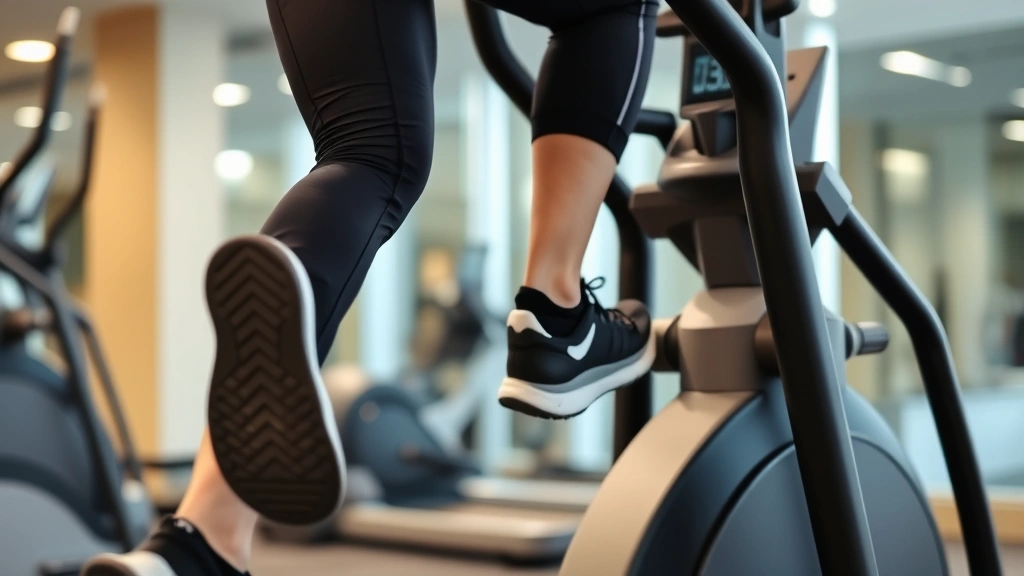
How Elliptical Trainers Work for Weight Loss
An elliptical trainer is a stationary cardio machine that combines the movements of running, cycling, and stair climbing. The machine’s pedals follow an elliptical path, which is why it’s named accordingly. This motion pattern creates a low-impact cardiovascular workout that elevates your heart rate and burns calories without the joint stress of running on hard surfaces.
Weight loss occurs when you create a caloric deficit—burning more calories than you consume. The elliptical contributes to this deficit by increasing energy expenditure during and after exercise. Your body burns calories not only during the workout but also in the hours following, a phenomenon called the afterburn effect or excess post-exercise oxygen consumption (EPOC).
The elliptical engages multiple muscle groups simultaneously: your quadriceps, hamstrings, glutes, core, chest, back, and arms all participate in the movement. This multi-muscle engagement means your cardiovascular system works harder to supply oxygen and nutrients to these areas, resulting in greater calorie expenditure compared to single-joint exercises.
Fitness experts note that the elliptical is particularly effective for individuals who are overweight, have joint issues, or are returning to exercise after a sedentary period. The smooth, gliding motion reduces impact on knees, hips, and ankles compared to treadmill running, making it sustainable for long-term use.

Calorie Burn Potential and Realistic Expectations
The number of calories you burn on an elliptical depends on several factors: your body weight, workout intensity, duration, age, metabolism, and fitness level. According to research from the American Council on Exercise, a 155-pound person burns approximately 335 calories during 30 minutes of moderate elliptical exercise. A heavier person burns more calories; a 185-pound individual burns about 400 calories in the same timeframe.
High-intensity interval training (HIIT) on the elliptical can significantly increase calorie burn. Studies published in fitness and sports science journals show that alternating between intense effort and recovery periods can boost calorie expenditure and improve cardiovascular fitness more efficiently than steady-state cardio. Some research suggests HIIT workouts may increase EPOC, meaning your body continues burning elevated calories post-workout.
However, realistic expectations matter. While the elliptical is effective, it’s not a magic solution. To lose one pound of body fat, you need a deficit of approximately 3,500 calories. This means that elliptical exercise alone, without dietary changes, may result in modest weight loss. A person exercising on the elliptical five times weekly might lose 1-2 pounds per month if their diet remains unchanged—significant progress, but not dramatic.
The most successful approach combines regular elliptical training with healthy meal plans for weight loss and other lifestyle modifications. When you pair consistent exercise with nutritional changes, results accelerate substantially.
Advantages of Elliptical Training
Low-Impact Joint Protection: The elliptical’s smooth, gliding motion eliminates the pounding impact of running. Your feet never leave the pedals, reducing stress on knees, hips, ankles, and lower back. This makes it ideal for individuals with arthritis, joint pain, or those carrying excess weight where impact exercise may cause discomfort or injury.
Accessibility and Ease of Use: Unlike running, which requires some coordination and conditioning, the elliptical is intuitive. Most people can step on and begin exercising immediately, making it perfect for beginners. Resistance and incline adjustments allow you to modify difficulty without stopping.
Full-Body Engagement: Unlike treadmills that primarily work lower body, ellipticals engage arms, chest, and back through the handles. This multi-muscle involvement increases calorie burn and provides cardiovascular benefits across more muscle groups.
Adjustable Intensity: You can easily modify your workout by increasing resistance, incline, or speed. This allows for progressive overload—gradually increasing challenge to continue improving fitness and burning calories as your body adapts.
Entertainment-Friendly: The stable, smooth motion allows you to watch videos, read, or listen to podcasts during your workout. Many people find this makes longer sessions more enjoyable and sustainable compared to running, which requires more focus and attention.
Measurable Progress: Elliptical machines display distance, time, resistance level, and estimated calories burned. Tracking these metrics helps you monitor progress and stay motivated. Many models connect to weight loss and fitness apps for comprehensive health tracking.
Limitations and Considerations
Adaptation and Plateau: Your body adapts to repeated exercise. After several weeks of the same elliptical routine, your cardiovascular system becomes more efficient, and you burn fewer calories performing the same workout. Fitness experts recommend varying intensity, duration, and resistance to prevent plateaus.
Lower Calorie Burn Than Some Alternatives: While effective, elliptical calorie burn is moderate compared to high-intensity running or rowing. The low-impact nature, while beneficial for joints, also means less forceful muscle contractions and potentially lower energy expenditure. Some research suggests treadmill running burns 5-10% more calories than elliptical exercise at similar perceived exertion levels.
Limited Muscle Building: Elliptical training is primarily cardiovascular. While it engages muscles, it doesn’t provide sufficient resistance stimulus for significant muscle growth. Since muscle tissue burns more calories at rest than fat tissue, combining elliptical cardio with aerobic exercises and strength training optimizes body composition changes.
Potential for Overuse Injuries: Although low-impact, repetitive elliptical use can cause overuse injuries in some individuals, particularly if form is poor or volume increases too quickly. Common issues include hip pain, lower back strain, and knee discomfort.
Machine Quality Variation: Elliptical machines vary significantly in quality. Cheaper models may have jerky movements, poor resistance mechanisms, or unstable frames that reduce effectiveness and increase injury risk. Investing in a quality machine or using well-maintained gym equipment matters.
Optimizing Your Elliptical Workouts
Vary Your Intensity: Mix steady-state cardio with interval training. Spend 2-3 days weekly on moderate-intensity elliptical work (60-70% max heart rate) for 30-45 minutes. Add 1-2 days of HIIT: alternate 30 seconds of high-intensity effort with 60-90 seconds of recovery, repeating for 20-30 minutes. This variation prevents adaptation and maximizes calorie burn.
Increase Resistance Gradually: Don’t just increase speed. Adding resistance challenges your muscles more effectively. Aim to increase resistance every 2-3 weeks slightly. Higher resistance also engages more muscle fibers, increasing calorie expenditure and building strength.
Use the Handles Actively: Push and pull the handles with intention rather than just touching them. Active arm engagement increases upper body muscle recruitment and overall calorie burn by 5-10%.
Maintain Proper Form: Keep your posture upright, shoulders relaxed, and core engaged. Avoid leaning heavily on the handrails, which reduces the work your legs and core must perform. Proper form also prevents repetitive strain injuries.
Progressive Training Structure: Follow a periodized approach. Week 1-2: establish baseline with moderate workouts. Week 3-4: increase volume or intensity. Week 5: deload with easier sessions to allow recovery. This cycle prevents plateaus and injuries.
Track Metrics and Adjust: Record your workouts—duration, resistance level, distance, and estimated calories. Every 4-6 weeks, reassess and increase one variable. If you’ve been doing 30 minutes at resistance 5, try 35 minutes at resistance 6 or add one HIIT session weekly.
Combining Elliptical with Other Exercise Modalities
Fitness experts unanimously recommend combining elliptical training with other exercise types for optimal weight loss and health. A comprehensive fitness program includes cardiovascular training, resistance training, flexibility work, and recovery.
Strength Training: Add 2-3 days weekly of resistance training targeting all major muscle groups. Strength training preserves muscle mass during weight loss, increases resting metabolic rate, and improves body composition more effectively than cardio alone. Combining elliptical cardio with strength training is superior to either modality alone.
Other Cardio Options: Vary your cardiovascular training. Alternate elliptical days with cycling, rowing, swimming, or walking. This variation prevents overuse injuries, maintains motivation, and works different muscle groups. Each modality has unique benefits—rowing engages more upper body, cycling emphasizes legs, swimming is full-body and extremely low-impact.
Flexibility and Mobility Work: Add yoga, stretching, or foam rolling 2-3 times weekly. This improves recovery, reduces injury risk, and supports overall wellness. Many people find that flexibility work also supports sustainable adherence to fitness routines.
Nutrition’s Role in Elliptical-Based Weight Loss
Exercise creates the opportunity for weight loss, but nutrition determines whether that opportunity is realized. You cannot out-exercise a poor diet. Someone burning 400 calories on the elliptical but consuming an extra 400-calorie snack afterward shows no net progress.
Successful weight loss combines elliptical training with a sustainable eating pattern that creates a caloric deficit without extreme restriction. This means focusing on whole foods—vegetables, fruits, lean proteins, whole grains, and healthy fats—while reducing ultra-processed foods high in calories, sugar, and sodium.
Protein deserves particular attention. Adequate protein (0.7-1.0 grams per pound of body weight) supports muscle preservation during weight loss, increases satiety, and has a higher thermic effect than carbohydrates or fats, meaning your body burns more calories digesting it. Combining elliptical training with sufficient protein intake and strategic healthy meal planning optimizes results.
Hydration also matters. Proper hydration supports cardiovascular function during elliptical exercise, aids recovery, and sometimes reduces false hunger signals. Many people confuse thirst with hunger, leading to unnecessary eating.
Consider consulting a registered dietitian for personalized nutrition guidance. Research from the Academy of Nutrition and Dietetics shows that individuals receiving professional nutrition counseling achieve significantly better weight loss results than those relying on self-directed efforts alone.
Additionally, understanding your body composition—how much of your weight is muscle versus fat—provides better progress tracking than scale weight alone. While exercising on the elliptical, your body may be losing fat while gaining muscle, resulting in minimal scale movement despite significant body composition improvements. Measuring body fat percentage offers more accurate progress assessment.
Real-World Success and Sustainability
The best exercise for weight loss is one you’ll do consistently. The elliptical’s advantages—low impact, ease of use, adjustability, and entertainment-friendly nature—make it highly sustainable for many people. Some individuals maintain elliptical routines for years, while others lose motivation.
Success factors include: setting specific, measurable goals; tracking progress; varying workouts to prevent boredom; exercising with others or joining classes for accountability; and connecting exercise to broader health improvements like weight loss and blood pressure management.
Many people find that seeing fitness improvements—increased endurance, higher resistance levels, longer duration—provides motivation beyond weight loss alone. These performance metrics often sustain long-term adherence better than scale weight.
Real transformation stories from weight loss before and after transformations often highlight that sustainable approaches combining regular exercise, consistent nutrition, and lifestyle changes produce lasting results. Quick-fix approaches typically fail.
FAQ
How long should I use the elliptical to lose weight?
Start with 20-30 minutes, 3-4 times weekly. As fitness improves, progress to 30-45 minutes. Consistency matters more than single long sessions. Three 30-minute sessions weekly beats one 90-minute session in terms of sustainable weight loss and injury prevention.
Is the elliptical better than the treadmill for weight loss?
Both are effective. Treadmills may burn slightly more calories, but ellipticals are lower-impact and more sustainable for many people. Choose based on your joint health, preferences, and what you’ll maintain long-term. The best machine is the one you’ll actually use consistently.
Can I lose weight using only the elliptical?
Elliptical exercise alone can produce modest weight loss through increased calorie burn. However, combining it with nutrition changes and strength training produces significantly better results and improved body composition. Most experts recommend comprehensive approaches rather than relying on single interventions.
How often should I change my elliptical routine?
Change your routine every 4-6 weeks to prevent adaptation and plateaus. This might mean increasing resistance, adding intervals, extending duration, or incorporating different workout styles. Progressive overload—gradually increasing challenge—is essential for continued improvement.
Does the elliptical build muscle?
The elliptical provides some muscle engagement and endurance benefits, but it’s not optimal for muscle growth. Combine elliptical cardio with resistance training 2-3 times weekly for muscle building. Strength training preserves muscle during weight loss and increases resting metabolism.
Is the elliptical safe for people with joint problems?
Yes, the elliptical is excellent for joint-sensitive individuals because it’s low-impact. However, some people experience hip, knee, or lower back pain. If this occurs, reduce intensity, check your form, and consult a physical therapist. Starting gradually and building duration slowly prevents overuse injuries.
What’s the best time to use the elliptical for weight loss?
The best time is when you’ll exercise consistently. Some people prefer morning workouts for energy and accountability. Others exercise after work. Consistency matters far more than timing. Establish a routine that fits your schedule and lifestyle.
Should I do elliptical before or after strength training?
If doing both in one session, perform strength training first when you’re fresh and can lift with proper form and intensity. Follow with elliptical cardio for 20-30 minutes. This order preserves strength training quality while still getting cardiovascular benefits.


