
Your face is often the first place people notice change when you lose weight. Whether you’re shedding pounds through medical weight loss or lifestyle modifications, facial transformation can be dramatic and sometimes unexpected. The skin around your cheeks, jawline, and neck becomes noticeably different as fat deposits diminish, revealing bone structure that may have been hidden for years. Understanding what happens to your face during weight loss helps you prepare for these changes and maintain healthy, youthful-looking skin throughout your journey.
The science behind facial changes during weight loss involves multiple factors: fat redistribution, skin elasticity, changes in facial volume, and shifts in how light reflects across your features. Some people experience a more defined, sculpted appearance they love, while others notice loose skin or changes in how their face appears. This comprehensive guide explores the mechanisms behind these transformations, what to expect at different stages, and how to support your skin health during significant weight loss.
How Weight Loss Affects Facial Structure
When you lose weight, your face undergoes significant structural changes that can completely transform your appearance. The face contains numerous fat compartments—distinct pockets of fat tissue located at specific depths beneath the skin. These compartments include the buccal fat pad (cheeks), jowl fat, submental fat (under the chin), and temporal fat (temples). As you lose weight, these compartments shrink proportionally, though not always at the same rate.
The jawline becomes more defined as submental fat decreases, creating sharper angles and better bone definition. Your cheekbones become more prominent as buccal fat diminishes, and the overall contour of your face shifts from rounded to angular. These changes are generally considered aesthetically pleasing because they reveal the underlying bone structure. However, the extent of these changes depends on genetics, age, and how much weight you lose. Some people naturally have more prominent cheekbones, while others may experience more subtle changes despite significant weight loss.
One fascinating aspect is that facial fat loss doesn’t happen uniformly across the face. Research shows that certain areas lose fat faster than others, which can create temporary imbalances in facial proportions. This is why some people report looking slightly different or asymmetrical during weight loss before their face fully adjusts to its new shape.
The Role of Fat Pads and Volume Loss
Understanding facial fat pads is crucial to predicting how your face will change. The face has distinct fat compartments that serve different purposes and respond differently to weight loss. The malar fat pad (upper cheek) and nasolabial fat pad (between nose and mouth) are particularly noticeable when they decrease, creating more defined cheekbones and a slimmer midface.
Volume loss in the face can sometimes make people look older initially, especially if they lose weight too rapidly. This is because facial fullness contributes to a youthful appearance—it plumps the skin and reduces the appearance of fine lines. As this volume decreases, some people notice their skin appears thinner or more crepey, and fine lines become more visible. This is temporary and often improves as skin adapts and you focus on proper nutrition and hydration.
The good news is that strategic nutrition can help maintain facial volume while losing fat. When you adopt healthy eating patterns like weight loss with intermittent fasting or incorporate high fiber foods for weight loss, you’re not just losing weight—you’re preserving muscle mass and skin health. Adequate protein intake helps maintain skin elasticity and supports collagen production, which is essential for keeping facial skin looking firm and youthful during weight loss.
Some experts recommend a gradual approach to weight loss specifically to allow facial skin to adapt slowly. Rapid weight loss can lead to more noticeable loose skin, while slower, steady weight loss gives skin time to adjust and potentially retract more naturally.
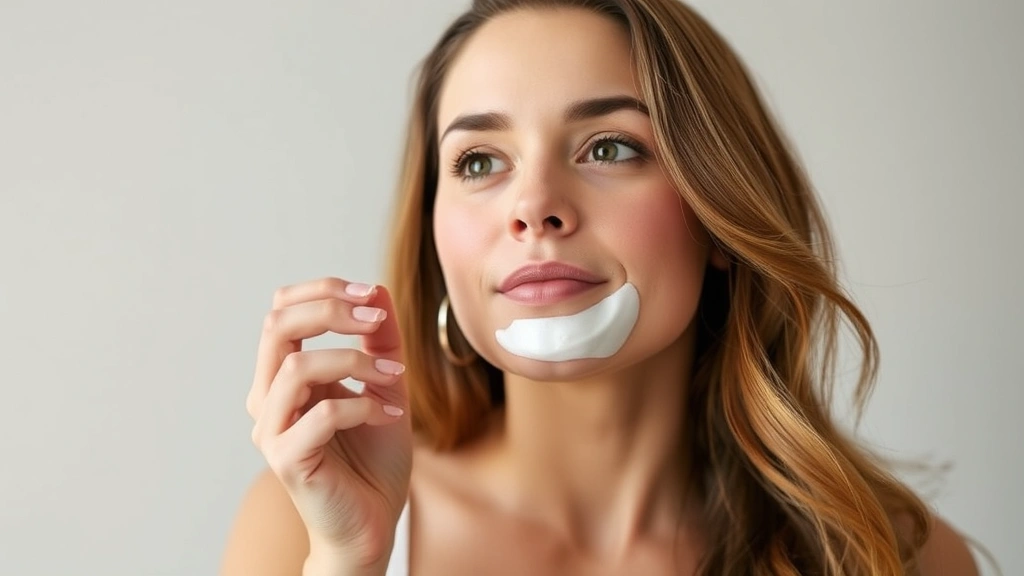
Skin Elasticity and Loose Skin Concerns
Skin elasticity is your skin’s ability to stretch and return to its original shape. Elastin and collagen are the proteins responsible for this property, and they decrease naturally with age and can be affected by rapid weight loss. When you lose a large amount of weight quickly, your skin may not have time to adjust, resulting in loose or sagging skin, particularly around the jawline, cheeks, and neck.
The extent of loose skin depends on several factors: your age (younger skin typically has better elasticity), how much weight you lost, how quickly you lost it, genetics, and sun exposure history. Someone who loses 50 pounds over two years will likely experience less loose skin than someone who loses the same amount in six months.
Fortunately, loose skin often improves over time as your skin gradually retracts. This process can take six months to two years, depending on the amount of weight lost and individual factors. During this period, maintaining excellent nutrition is critical. Protein supports collagen synthesis, vitamin C aids collagen formation, and healthy fats support skin barrier function. Staying well-hydrated also helps skin maintain elasticity and appearance.
If loose skin persists after significant weight loss, professional treatments are available. These range from non-invasive options like radiofrequency and microneedling to surgical procedures. However, most dermatologists recommend waiting at least a year after reaching your goal weight before considering surgical intervention, as skin can continue to improve naturally during this time.
Timeline of Facial Changes
Understanding the timeline of facial changes helps you mentally prepare for your transformation and know what to expect at each stage. Most people begin noticing facial changes within the first month of weight loss, though these initial changes are usually subtle.
Weeks 1-4: Initial changes are often minimal and visible mainly to you. You might notice your face feels less puffy, particularly around the eyes and cheeks. This initial puffiness reduction is often due to decreased water retention and inflammation rather than fat loss.
Months 2-3: More noticeable changes emerge as fat compartments begin shrinking. Your cheekbones become more visible, and the jawline starts becoming more defined. This is when many people report feeling more confident in their appearance.
Months 4-6: Significant facial restructuring occurs. The changes become obvious to friends and family. Your face may look noticeably slimmer, with better bone definition. Some people experience temporary asymmetry as different fat pads shrink at different rates.
Months 6-12: Continued refinement and adaptation. Skin begins adjusting to the new facial contours. If loose skin will be an issue, it typically becomes apparent during this period. Your face reaches a new equilibrium, and skin may begin naturally retracting.
Beyond one year: Ongoing skin adaptation and potential slight rebound as skin continues adjusting. Most loose skin improvement occurs within the first year, though subtle changes can continue for up to two years.
Supporting Skin Health During Weight Loss
Proactive skin care is essential for maintaining a healthy, youthful appearance during weight loss. Your skin needs support from both inside and outside to handle the dramatic changes occurring during this transformation.
Hydration: Drink adequate water throughout the day. Proper hydration supports skin elasticity, helps flush toxins, and maintains skin plumpness. Most experts recommend at least eight glasses daily, though individual needs vary based on activity level and climate.
Sunscreen: Protect your skin from UV damage, which breaks down collagen and elastin. Use broad-spectrum SPF 30 or higher daily, even on cloudy days. Sun damage accelerates skin aging and reduces elasticity, making loose skin more likely.
Moisturizing: Use quality moisturizers appropriate for your skin type. Moisturizing helps maintain the skin barrier, which is crucial during weight loss when skin is adjusting. Look for products containing hyaluronic acid, ceramides, and glycerin.
Facial massage: Gentle facial massage can improve circulation, support lymphatic drainage, and help skin adapt to facial changes. This can be done with fingers or a jade roller, using upward strokes.
Retinoids: If appropriate for your skin, retinoids like retinol or tretinoin can boost collagen production and improve skin texture. These are particularly helpful for addressing fine lines that may become more visible during weight loss.
Nutritional Factors for Facial Appearance
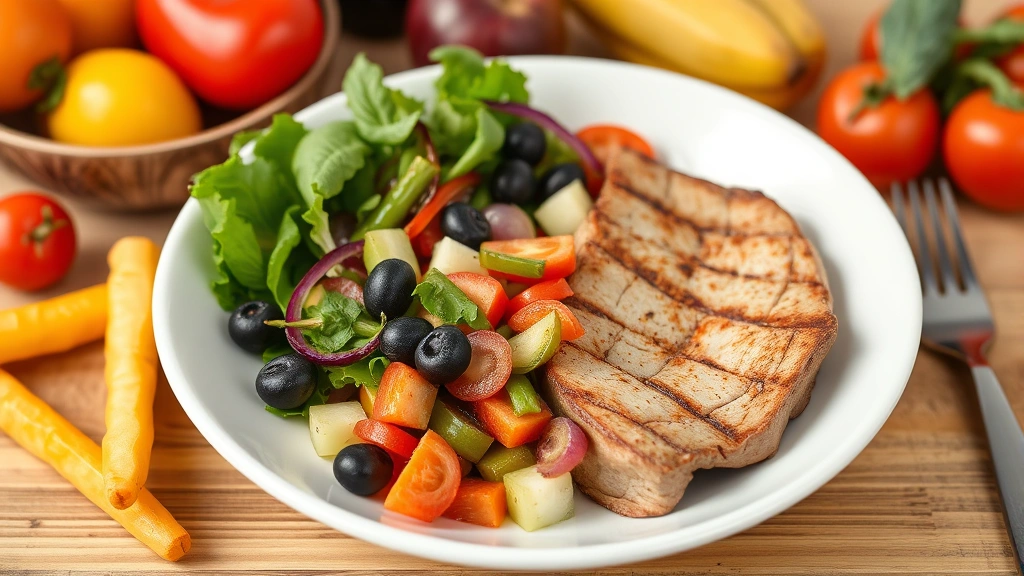
What you eat directly affects how your face looks during weight loss. Proper nutrition supports skin health, collagen production, and overall facial appearance. This is where strategies like improving insulin resistance become important—stable blood sugar supports healthy skin and reduces inflammation.
Protein: Essential for collagen and elastin synthesis. Aim for adequate protein at each meal (25-40 grams depending on body weight). This supports skin structure and elasticity during weight loss.
Vitamin C: Critical for collagen formation and acts as an antioxidant. Find it in citrus fruits, berries, bell peppers, and broccoli. Consider a vitamin C serum for topical application as well.
Healthy fats: Omega-3 fatty acids from fish, flaxseeds, and walnuts support skin barrier function and reduce inflammation. These fats are essential for maintaining skin health and preventing excessive dryness during weight loss.
Antioxidants: Foods rich in antioxidants combat free radical damage that accelerates aging. Berries, dark leafy greens, and colorful vegetables are excellent sources.
Minerals: Zinc, selenium, and iron support skin health and collagen production. Include legumes, nuts, seeds, and quality protein sources in your diet.
Incorporating high fiber foods for weight loss provides additional benefits—fiber supports gut health, which is increasingly recognized as important for skin health through the gut-skin axis. A healthy microbiome supports reduced inflammation and better skin appearance.
When to Consider Professional Treatments
While most facial changes during weight loss resolve naturally over time, some people benefit from professional treatments. Understanding your options helps you make informed decisions about your appearance.
Non-invasive options: Radiofrequency treatments, microneedling, and laser therapies can stimulate collagen production and improve skin texture. These are typically done in a dermatologist’s office and require multiple sessions. They work best for mild to moderate loose skin and fine lines.
Injectables: Dermal fillers can restore volume lost during weight loss, creating a more youthful appearance. Botox can address lines that become more visible. These are temporary solutions requiring ongoing maintenance.
Surgical options: For significant loose skin, procedures like facelifts, neck lifts, or chin implants may be considered. These are permanent solutions but carry surgical risks and require recovery time. Most surgeons recommend waiting at least one year after reaching goal weight before surgery, allowing skin time to naturally retract.
Before pursuing any professional treatment, consult with a board-certified dermatologist or plastic surgeon. They can assess your specific situation and recommend appropriate interventions based on your goals and skin condition.
Remember that many facial changes continue improving naturally for months after weight loss stabilizes. Patience often yields better results than rushing into procedures. Focus on maintaining your weight loss through healthy habits like those discussed in our guide on best weight loss podcasts to inspire your journey, which provides ongoing motivation and education.
FAQ
Will my face look gaunt or hollow after weight loss?
Not necessarily. Many people experience a more sculpted, defined appearance rather than a gaunt look. The extent depends on genetics, age, and how much weight you lose. Proper nutrition, hydration, and skincare help maintain facial fullness while losing fat. If you’re concerned about looking too thin in the face, discuss this with your healthcare provider to ensure your weight loss is appropriate for your body composition.
How can I prevent loose skin on my face during weight loss?
Lose weight gradually (1-2 pounds per week), stay hydrated, maintain adequate protein intake, use sunscreen daily, and follow a comprehensive skincare routine. These strategies give your skin time to adapt and support collagen production. Genetics play a significant role, but these practices optimize the outcome.
Does facial hair growth change after weight loss?
Yes, sometimes. Hormonal shifts during weight loss can affect facial hair growth. Women may notice changes in fine facial hair, while men’s beard growth patterns might shift. These changes are usually temporary and stabilize once your weight stabilizes. If you experience significant hormonal changes, consult your healthcare provider.
Can I do facial exercises to improve appearance during weight loss?
While facial exercises haven’t been conclusively proven to significantly change facial structure, they may improve circulation and muscle tone. More importantly, focus on overall health through proper nutrition, hydration, and skincare. These have documented benefits for facial appearance during weight loss.
How long does it take for my face to look “normal” after weight loss?
Most facial changes stabilize within 6-12 months of reaching your goal weight. Skin continues adapting during this time, and loose skin often improves naturally. If loose skin persists after one year, professional treatments may be appropriate. Everyone’s timeline differs based on individual factors.
Should I be concerned if my face looks asymmetrical during weight loss?
Temporary asymmetry is common as different facial fat compartments shrink at different rates. This typically resolves as weight loss completes and skin adjusts. If significant asymmetry persists, consult a dermatologist to rule out other causes.
Does weight loss affect under-eye bags?
Yes, weight loss often reduces under-eye puffiness and bags. However, if bags persist after weight loss, they may be related to genetics, aging, or allergies rather than weight. Consult a dermatologist for persistent under-eye concerns.


