Himalayan Pink Salt for Weight Loss? Nutritionist Tips
Himalayan pink salt has become a trendy wellness ingredient, with some people claiming it supports weight loss and metabolic health. But does this mineral-rich salt actually help you shed pounds, or is it simply marketing hype? As a nutritionist, I’m here to break down the science behind Himalayan pink salt and explain how it fits—or doesn’t fit—into a comprehensive weight loss strategy.
The truth is more nuanced than social media suggests. While Himalayan pink salt contains trace minerals like potassium, magnesium, and calcium, these micronutrients alone won’t trigger fat loss. However, understanding salt’s role in hydration, electrolyte balance, and overall nutrition can help you make informed choices about your diet. Let’s explore what the research actually shows and how to use salt wisely as part of your protein intake strategy for weight loss.

What Is Himalayan Pink Salt?
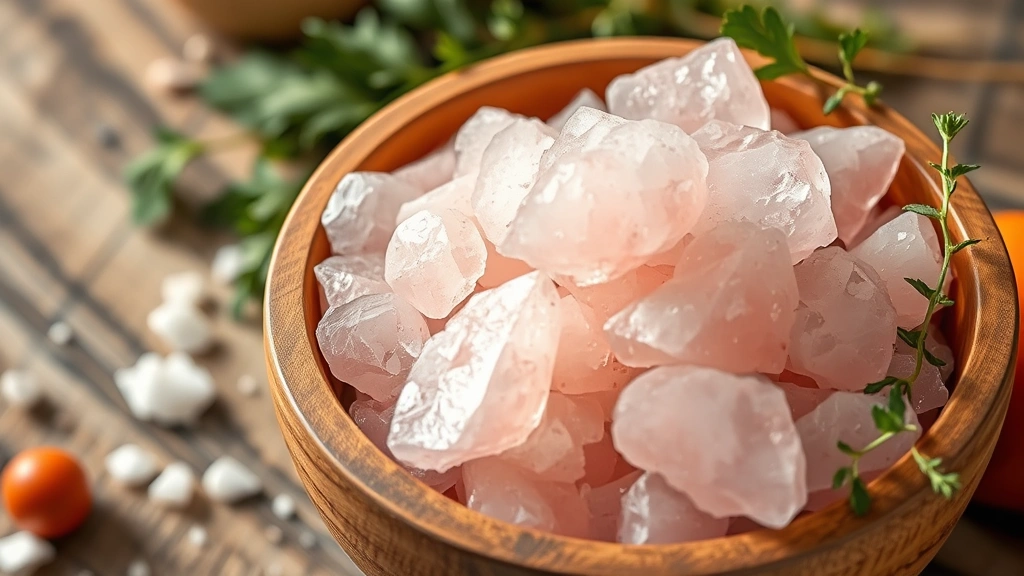
Himalayan pink salt is mined from ancient salt deposits in the Khewra Salt Mine located in Pakistan’s Punjab region, near the Himalayan mountains. The distinctive pink color comes from trace minerals and iron oxide present in the salt crystals. Unlike table salt, which is heavily processed and often contains anti-caking agents and iodine additives, Himalayan pink salt is typically harvested and minimally processed.
The appeal of this salt extends beyond its mineral content. Many wellness advocates promote it as a superfood that can enhance electrolyte balance, improve digestion, and support metabolic function. However, the science behind these claims requires careful examination. The mineral concentrations in Himalayan pink salt are significantly lower than what you’d need to consume to achieve any meaningful health benefit.
Understanding what Himalayan pink salt actually contains is the first step toward evaluating whether it deserves a place in your metabolic syndrome weight loss approach. Let’s look at the numbers.
The Mineral Profile: Separating Fact from Fiction
Himalayan pink salt does contain trace minerals, but the quantities are often overstated. A typical serving (1 teaspoon or about 5 grams) contains:
- Sodium chloride: 95-98% (the main component)
- Potassium: Approximately 16 mg (compared to 3,500 mg daily recommended intake)
- Magnesium: Approximately 10 mg (compared to 310-420 mg daily recommended intake)
- Calcium: Approximately 24 mg (compared to 1,000-1,300 mg daily recommended intake)
- Other trace minerals: Iron, zinc, copper, and chromium in negligible amounts
The reality is sobering: you would need to consume an unrealistic amount of Himalayan pink salt to obtain meaningful quantities of these minerals. To get your daily potassium requirement from Himalayan salt alone, you’d need to consume over 700 teaspoons—far exceeding safe sodium limits and causing serious health complications.
According to research published by the Academy of Nutrition and Dietetics, trace mineral content in specialty salts is insufficient to replace whole foods or supplements as primary mineral sources. This is an important distinction when evaluating weight loss claims.
Does Himalayan Salt Actually Support Weight Loss?
Here’s the straightforward answer: Himalayan pink salt does not directly cause weight loss. No scientific evidence demonstrates that this salt has special fat-burning properties or metabolic-boosting abilities beyond what regular salt provides.
Weight loss fundamentally depends on creating a calorie deficit—consuming fewer calories than you burn. This requires:
- Balanced nutrition with adequate protein intake for weight loss
- Regular physical activity through home workout routines
- Behavioral changes and sustainable habits
- Proper hydration and electrolyte balance
While Himalayan salt doesn’t burn fat, it can play a supportive role in your overall weight loss journey through its relationship with hydration and electrolyte balance. The key is understanding sodium’s physiological role rather than believing in mythical fat-burning properties.
A PubMed search for “Himalayan salt weight loss” yields no peer-reviewed clinical trials supporting direct weight loss claims. The absence of evidence is telling and should inform your purchasing decisions.
Salt and Hydration: The Real Connection
Where salt becomes relevant to weight loss is through its role in maintaining proper hydration and electrolyte balance. Sodium is essential for:
- Fluid retention: Sodium helps your body maintain appropriate water distribution between cells and bloodstream
- Nerve function: Proper sodium levels enable muscle contractions and nerve signal transmission
- Blood pressure regulation: Sodium influences vascular function and fluid volume
- Exercise performance: Electrolyte balance is crucial during physical activity
During weight loss efforts, particularly when combining diet changes with weight loss workout routines, proper electrolyte balance becomes increasingly important. When you reduce calories or increase exercise intensity, your body’s fluid and electrolyte needs may shift.
Adequate sodium consumption (not excessive, but sufficient) helps maintain hydration status, which indirectly supports weight loss by:
- Preserving exercise performance and muscle function
- Maintaining cognitive function and satiety signals
- Supporting metabolic processes that require proper hydration
- Preventing excessive water retention from severe sodium depletion
However, this benefit applies to all salts equally. Himalayan pink salt offers no advantage over regular salt in this regard.
How Much Salt Should You Consume Daily?
The American Heart Association recommends limiting sodium intake to less than 2,300 mg per day, with an ideal limit of 1,500 mg for most adults. This applies regardless of salt source—Himalayan, sea salt, or table salt.
For context, one teaspoon of any salt contains approximately 2,300 mg of sodium. Most Americans consume 3,400-4,000 mg daily, significantly exceeding recommendations. Excess sodium intake is linked to:
- Elevated blood pressure
- Increased cardiovascular disease risk
- Kidney stress
- Water retention and bloating
When pursuing weight loss, excessive salt consumption can create temporary water weight gain, making progress on the scale frustratingly inconsistent. This is particularly problematic when trying to maintain motivation for long-term weight loss success.
The color and mineral content of Himalayan salt don’t change these sodium guidelines. Whether you use pink, white, or sea salt, the sodium content and health recommendations remain identical.
Himalayan Salt vs. Regular Table Salt
The primary differences between Himalayan salt and table salt relate to processing and additives rather than inherent health properties:
Table Salt:
- Heavily refined and processed
- Often contains anti-caking agents (calcium silicate, sodium aluminosilicate)
- Typically iodized (iodine added to prevent deficiency)
- Sodium content: 2,360 mg per teaspoon
- Minimal trace minerals
Himalayan Pink Salt:
- Minimally processed, hand-mined
- No anti-caking agents (though some commercial products add them)
- Not iodized (may be a concern for iodine intake)
- Sodium content: 2,300 mg per teaspoon
- Contains trace minerals in negligible quantities
One legitimate consideration: if you don’t consume iodized salt or adequate seafood/dairy products, you might need an iodine supplement or iodized salt to prevent deficiency. Iodine is essential for thyroid function, which influences metabolism. However, this is an iodine issue, not a Himalayan salt advantage.
For weight loss purposes, the differences between salt types are cosmetic. What matters is total sodium intake across your entire diet.
Incorporating Salt Wisely Into Your Weight Loss Plan
Rather than seeking weight loss properties in salt itself, focus on incorporating salt strategically into a comprehensive nutrition plan. Here’s how to use salt wisely:
1. Use Salt to Enhance Whole Foods
Salt’s real value is making nutritious foods more palatable. When you enjoy your meals more, you’re more likely to stick with healthy eating patterns. Use salt (any type) to season vegetables, lean proteins, and whole grains rather than relying on processed foods that contain hidden sodium.
2. Monitor Total Dietary Sodium
Focus on your total sodium intake rather than obsessing over salt type. Track how much sodium comes from:
- Added salt during cooking
- Processed and packaged foods
- Restaurant meals
- Condiments and sauces
3. Combine with Protein and Nutrient-Dense Foods
Salt becomes part of weight loss success when used to season meals rich in protein and proper nutrition. A well-seasoned chicken breast with vegetables is far more effective for weight loss than any salt type’s mineral content.
4. Stay Hydrated Appropriately
Maintain proper hydration with water as your primary beverage. Adequate water intake supports metabolism, appetite regulation, and exercise performance. Salt helps your body retain fluid appropriately, but water is the foundation.
5. Consider Your Complete Electrolyte Picture
If you’re very active or exercising intensely, focus on all electrolytes—sodium, potassium, magnesium, and calcium—through whole foods like bananas, leafy greens, nuts, and dairy products. These foods provide far more bioavailable minerals than specialty salts.
Common Myths About Salt and Weight Loss
Myth 1: “Himalayan Salt Boosts Metabolism”
No salt type increases metabolic rate. Metabolism is influenced by age, muscle mass, genetics, hormones, and activity level—not salt choice. If you’re interested in supporting metabolism, focus on resistance training and workout routines to build muscle.
Myth 2: “Pink Salt Detoxifies Your Body”
Your kidneys and liver handle detoxification. Salt doesn’t enhance these processes. The trace minerals in Himalayan salt are insufficient to support detoxification pathways.
Myth 3: “Himalayan Salt is Significantly Healthier Than Table Salt”
Both contain essentially identical sodium content and pose similar health considerations. The mineral differences are negligible. If you prefer minimally processed foods, that’s a valid choice, but don’t expect health transformation from salt color.
Myth 4: “Salt Causes Weight Gain”
Salt causes temporary water retention, not fat gain. When you reduce sodium intake after consuming high-salt foods, you’ll lose water weight. This isn’t actual fat loss or gain—it’s fluid fluctuation. For sustainable weight loss, focus on nutritious meal options and calorie balance rather than salt manipulation.
Myth 5: “You Need Himalayan Salt for Proper Electrolyte Balance”
Whole foods provide superior electrolyte profiles. Potassium-rich foods (potatoes, bananas, spinach), calcium sources (dairy, leafy greens), and magnesium sources (nuts, seeds, whole grains) deliver far more bioavailable minerals than any specialty salt.
FAQ
Can I use Himalayan pink salt on a weight loss diet?
Yes, you can use Himalayan pink salt on a weight loss diet just as you would any salt. The key is monitoring total sodium intake and staying within the recommended 1,500-2,300 mg daily limit. Use salt to enhance whole foods rather than as a weight loss tool.
Does Himalayan salt have fewer calories than table salt?
No. All salts contain negligible calories (essentially zero per teaspoon). Whether you choose Himalayan, table, sea salt, or kosher salt, the caloric content is identical. Salt isn’t a significant calorie source in any form.
Is Himalayan salt better for blood pressure than regular salt?
No. The sodium content is virtually identical, and both can elevate blood pressure if consumed excessively. If you have hypertension, focus on reducing total sodium intake regardless of salt type. Work with a healthcare provider to establish appropriate sodium limits for your individual health situation.
Should I take Himalayan salt supplements for weight loss?
No. Salt supplements aren’t necessary for healthy adults consuming a balanced diet. If you’re concerned about electrolyte status or mineral deficiencies, consult a registered dietitian who can recommend appropriate foods or supplements based on your specific needs.
Can Himalayan salt help with water retention and bloating?
Ironically, excessive salt consumption causes water retention and bloating. If you’re experiencing these symptoms, reducing salt intake may help. Proper hydration, balanced electrolytes from whole foods, and adequate potassium intake are more effective strategies than specialty salts.
What’s the best approach to salt intake for weight loss?
The best approach is consuming adequate salt to maintain electrolyte balance and enhance food palatability while staying within recommended sodium limits. Use salt to make nutritious whole foods delicious, stay hydrated with water, combine eating with regular physical activity, and focus on creating a sustainable calorie deficit through balanced nutrition and long-term weight loss maintenance strategies.
Is sea salt better than Himalayan salt for weight loss?
Sea salt and Himalayan salt are nutritionally similar. Both contain comparable sodium levels and negligible trace minerals. Neither offers weight loss advantages. Choose based on taste preference and processing practices rather than health claims.
Can I lose weight faster by reducing salt intake?
Reducing salt intake may result in temporary water weight loss, but this isn’t actual fat loss. Once you resume normal sodium consumption, water weight returns. For sustainable weight loss, focus on creating a calorie deficit through balanced nutrition, adequate protein consumption, and regular exercise rather than salt manipulation.


