
Can Online Weight Loss Doctors Help? Expert Insights
The rise of telehealth has transformed how people access medical care, and weight loss treatment is no exception. Online weight loss doctors now offer convenient, evidence-based guidance from the comfort of your home, making professional support more accessible than ever before. But do they actually work? The answer is nuanced and depends on several factors including your commitment level, the doctor’s qualifications, and your individual health circumstances.
In recent years, virtual weight loss programs have gained significant traction, with millions of people turning to online platforms for medical supervision and personalized plans. Whether you’re struggling with emotional eating, metabolic challenges, or simply need professional accountability, understanding what online weight loss doctors can and cannot do is essential for making an informed decision about your health journey.

How Online Weight Loss Doctors Work
Online weight loss doctors operate through secure video consultations, phone calls, and digital messaging platforms. During your initial appointment, a licensed physician or registered dietitian will conduct a comprehensive health assessment, reviewing your medical history, current medications, lifestyle habits, and weight loss goals. This virtual consultation replaces the traditional in-office visit but maintains the same professional standards and confidentiality protections.
Most reputable online weight loss programs combine several components: initial medical evaluation, ongoing virtual appointments (typically monthly or as needed), personalized nutrition guidance, and sometimes prescription medications like GLP-1 agonists or phentermine. Many platforms also integrate behavioral coaching, meal planning resources, and progress tracking tools. The doctor monitors your vital signs through patient-reported data and may order lab work through local facilities in your area.
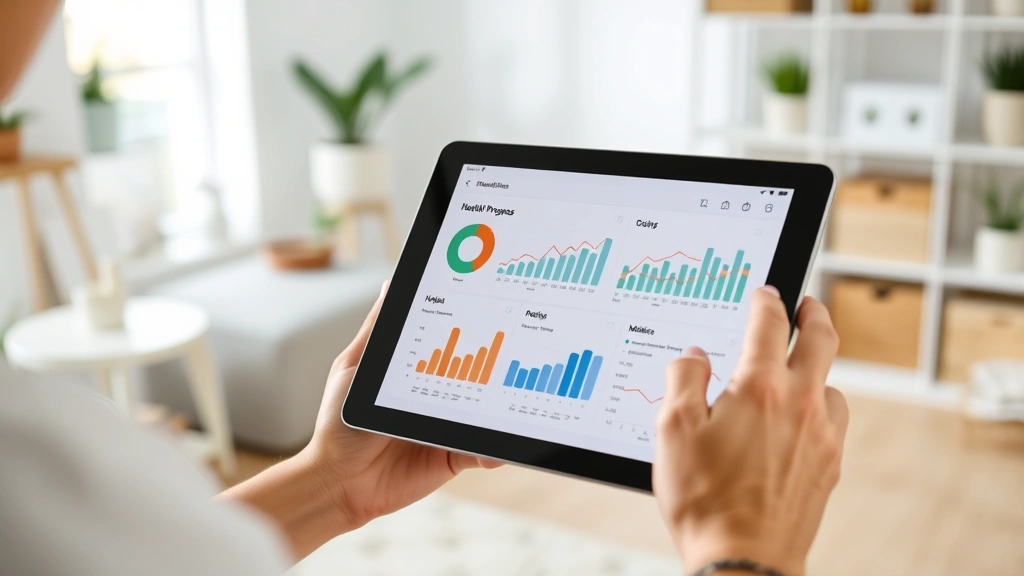
The technology behind these services ensures HIPAA compliance and secure data transmission. Your medical records remain confidential and accessible only to authorized healthcare providers. Some platforms use artificial intelligence to track your progress between appointments, sending reminders and motivational content while flagging any concerning patterns that warrant immediate physician attention.
Benefits of Virtual Weight Loss Programs
Accessibility and convenience represent the primary advantages of online weight loss doctors. You eliminate travel time, waiting room delays, and scheduling conflicts that often prevent people from seeking professional help. This is particularly valuable for individuals in rural areas where obesity medicine specialists are scarce, those with mobility limitations, or busy professionals juggling multiple responsibilities.
Another significant benefit is continuity of care. With online platforms, you typically work with the same doctor throughout your journey, building rapport and allowing them to understand your unique challenges, preferences, and progress patterns. This consistency leads to more personalized treatment adjustments and stronger accountability.
Virtual consultations also reduce the stigma some people feel about weight loss treatment. The privacy of discussing sensitive topics from home can encourage honest conversations about eating behaviors, emotional eating patterns, and underlying health conditions. Additionally, online programs often provide comprehensive support that extends beyond the doctor’s office—including access to registered dietitians, nutritionists, and behavioral health specialists through integrated platforms.
Cost-effectiveness is another advantage. Online weight loss doctors typically charge less than traditional in-office visits, and many offer flexible payment plans or accept various insurance plans. You may also save money on transportation, childcare, and time off work.
Effectiveness and Clinical Evidence
Research published in peer-reviewed journals demonstrates that telehealth weight loss programs show comparable effectiveness to in-person treatment. A comprehensive review in the journal Obesity found that virtual interventions combining medical supervision with behavioral support produced average weight losses of 5-10% of body weight over 12 months—a clinically significant reduction that improves health markers.
The CDC recognizes that structured weight loss programs, whether in-person or virtual, are most effective when they include medical supervision, nutritional guidance, and behavioral coaching. Studies show that patients who combine medication (when appropriate) with dietary changes and lifestyle modifications achieve the best long-term results.
However, effectiveness depends heavily on patient engagement and adherence. Those who actively participate in appointments, implement dietary recommendations, and track progress see better outcomes. Research indicates that accountability—whether from a doctor, support group, or family—significantly improves weight loss success rates. Online doctors can provide this accountability through regular check-ins and progress monitoring.
It’s important to note that weight loss results vary considerably among individuals. Factors like genetics, metabolic rate, underlying health conditions, medication side effects, and psychological factors all influence outcomes. A qualified online weight loss doctor will help you understand realistic expectations based on your specific circumstances.
What to Look for in an Online Provider
When evaluating online weight loss doctors, verify that the physician is board-certified in obesity medicine or has specialized training in weight management. The American Board of Obesity Medicine maintains a directory of certified specialists. Alternatively, registered dietitian nutritionists (RDN) with credentials from the Academy of Nutrition and Dietetics provide evidence-based nutritional counseling.
Look for providers who offer comprehensive assessments rather than simply prescribing medications. A thorough evaluation should include medical history review, assessment of eating behaviors and triggers, discussion of previous weight loss attempts, evaluation of sleep and stress patterns, and consideration of underlying medical conditions that may affect weight.
Reputable platforms provide transparent pricing and clearly explain what’s included in their programs. Be cautious of services that promise unrealistic weight loss or guarantee specific results. Legitimate weight loss doctors will discuss both the benefits and limitations of treatment options, including potential side effects of medications.
Check for multi-disciplinary support. The best online weight loss programs connect you with registered dietitians, behavioral therapists, and fitness specialists—not just physicians. This integrated approach addresses the multiple factors contributing to weight gain.
Read patient reviews and check whether the platform maintains proper medical licensing and credentials. The company should clearly display physician names, credentials, and licensing information. Avoid platforms where doctors are not identifiable or where medical advice comes from unqualified coaches.
Potential Limitations and Considerations
While online weight loss doctors offer significant advantages, they do have limitations. Physical examinations cannot be conducted virtually, which means doctors cannot assess certain health markers or detect conditions requiring hands-on evaluation. If you have complex medical issues, you may still need in-person specialist consultations.
Medication management requires careful monitoring. If you’re prescribed weight loss medications, your doctor needs reliable ways to track side effects and adjust dosages. This requires honest reporting on your part and may necessitate occasional in-person lab work. Some patients find it challenging to communicate symptoms and concerns purely through digital channels.
Insurance coverage varies significantly. While some insurance plans cover telehealth weight loss services, others don’t. You may face out-of-pocket costs, though many online platforms offer more affordable pricing than traditional practices.
The virtual format may not suit everyone. Some people benefit from in-person support groups, hands-on nutrition classes, or the structured environment of an in-office program. Additionally, if you have severe mental health conditions contributing to weight gain, you may need integrated psychiatric care that’s best coordinated through a traditional healthcare system.
Technical issues can occasionally disrupt care. Internet connectivity problems, platform glitches, or scheduling conflicts may delay consultations. Having a backup plan and clear communication channels with your provider helps mitigate these issues.
Cost and Insurance Coverage
Online weight loss doctor consultations typically cost between $100-$300 per visit, depending on the provider and services included. Initial comprehensive assessments usually cost more than follow-up appointments. Many platforms offer package deals or subscription models that reduce per-visit costs.
Some insurance plans cover telehealth weight loss services, particularly when treatment is medically necessary for obesity-related conditions like type 2 diabetes or hypertension. However, coverage varies widely by plan and state. Contact your insurance provider to determine your specific benefits before enrolling in a program.
Prescription medications for weight loss may or may not be covered by insurance, and out-of-pocket costs can range from $50-$500+ monthly depending on the medication and dosage. GLP-1 agonists, increasingly popular for weight management, can be expensive without insurance coverage, though some manufacturers offer patient assistance programs.
When calculating total costs, consider that effective weight loss treatment often provides long-term health benefits that offset initial expenses. Reduced medication needs for diabetes, hypertension, and other weight-related conditions, combined with improved quality of life, often justify the investment in professional support.
Getting Started with Telehealth Weight Loss
Begin by assessing your readiness for change. Weight loss success requires commitment to dietary modifications, regular physical activity, and lifestyle adjustments. Be honest about your motivation level and whether you’re prepared to implement recommendations.
Research multiple platforms and compare their services, credentials, pricing, and customer reviews. Schedule consultations with 2-3 providers to evaluate their approach and communication style. During these initial conversations, notice whether the doctor listens carefully, asks thoughtful questions, and explains recommendations in understandable terms.
Prepare for your first appointment by documenting your weight loss history, current eating patterns, physical activity level, sleep quality, stress factors, and any previous attempts at weight loss. Write down your health goals and any concerns about your current weight or health status. This information helps the doctor provide more personalized recommendations.
Plan to combine medical supervision with dietary and lifestyle changes. Consider implementing weight loss smoothies as nutritious meal replacement options, and incorporate best vegetables for weight loss into your daily meals. Explore high protein recipes for weight loss to support muscle preservation during your journey.
Work with your online provider to develop a realistic timeline. Most people benefit from 3-6 months of consistent effort before seeing significant results. Understand that weight loss is rarely linear—some weeks you’ll see progress, others you’ll plateau or experience slight fluctuations. Your doctor should help you interpret these patterns and adjust your plan accordingly.
Set specific, measurable goals beyond just the number on the scale. Consider tracking energy levels, how your clothes fit, improvements in health markers (blood sugar, blood pressure, cholesterol), and changes in strength and endurance. These non-scale victories often provide motivation when weight loss slows.
Maintain regular contact with your online weight loss doctor. Attend scheduled appointments, complete any assigned tracking or monitoring tasks, and communicate openly about challenges. The more engaged you are, the more effectively your doctor can support your success.
Consider complementary strategies like how to improve metabolic rate through exercise and nutrition, incorporating best strength training exercises for weight loss to build muscle mass and boost metabolism. Additionally, learn proper methods for tracking your progress effectively to maintain accountability and motivation.
FAQ
Are online weight loss doctors as effective as in-person doctors?
Research shows that virtual weight loss programs produce comparable results to in-person treatment when they include medical supervision, professional guidance, and patient engagement. The quality of the doctor, comprehensiveness of the program, and your commitment matter more than the delivery method.
Can online doctors prescribe weight loss medications?
Yes, licensed physicians offering telehealth services can prescribe appropriate weight loss medications after proper evaluation. However, they’ll need reliable ways to monitor your response and side effects, which may require periodic in-person lab work or local medical consultations.
Is telehealth weight loss covered by insurance?
Coverage varies by insurance plan and state. Some plans cover telehealth weight loss services, especially when medically necessary for obesity-related conditions. Contact your insurance provider to verify your specific coverage before enrolling.
How often will I need appointments with an online weight loss doctor?
Most programs include monthly appointments initially, with frequency potentially decreasing as you progress. Some providers offer more frequent check-ins, while others may transition to quarterly visits once you’ve established consistent habits.
What if I don’t lose weight as quickly as expected?
Weight loss varies among individuals based on genetics, metabolic factors, medications, and adherence. A qualified online weight loss doctor will help troubleshoot slow progress by adjusting your plan, investigating underlying factors, and setting realistic expectations based on your individual circumstances.
Can I use online weight loss services if I have other health conditions?
Many people with chronic conditions successfully use online weight loss doctors. However, if you have complex medical issues, you may need coordination with other specialists. Choose a provider who will communicate with your primary care doctor and other healthcare providers.
What happens if I stop treatment?
Weight regain is common when treatment ends without established sustainable habits. The most successful approach involves using online weight loss doctor services to develop lasting lifestyle changes, with the option to return for periodic check-ins or support as needed.


