Tasty Smoothies for Weight Loss? Nutritionist Picks
Smoothies have become a go-to option for people seeking convenient, delicious ways to support their weight loss journey. But not all smoothies are created equal—some can pack more calories than a full meal, while others provide genuine nutritional benefits that support sustainable weight management. The key lies in understanding which ingredients transform a smoothie from a dessert-in-a-glass into a powerful weight loss tool.
As a nutritionist-focused resource, we’ve researched the science behind effective weight loss smoothies and compiled recommendations that balance taste with results. Whether you’re looking to replace a meal, boost your metabolism, or simply enjoy a satisfying snack that supports your goals, the right smoothie recipe can make all the difference. In this guide, we’ll explore what makes smoothies effective for weight loss, share nutritionist-approved recipes, and help you avoid common pitfalls that sabotage progress.
What Makes a Smoothie Effective for Weight Loss
The most effective weight loss smoothies share several characteristics that distinguish them from calorie-dense beverages. First, they prioritize protein content, which increases satiety and helps preserve lean muscle mass during weight loss. Research published in the American Journal of Clinical Nutrition demonstrates that protein-rich meals and beverages reduce hunger hormones and increase feelings of fullness for longer periods.
Second, successful smoothies emphasize fiber from whole foods rather than added sugars. Soluble fiber slows digestion, stabilizes blood sugar, and creates sustained energy without the energy crashes that trigger overeating. Third, they maintain reasonable calorie counts—typically 200-350 calories for a meal replacement or 100-150 calories for a snack smoothie. Finally, they incorporate healthy fats from sources like avocado, nut butters, or seeds, which enhance nutrient absorption and satisfaction.
A smoothie becomes truly effective when it fits into your broader weight loss strategy. Rather than viewing smoothies as a standalone solution, consider them one component of a comprehensive approach that includes proper nutrition, consistent exercise, and sustainable lifestyle habits. When combined with regular aerobic exercise, smoothies can accelerate results and improve consistency with your eating plan.
Essential Ingredients for Weight Loss Smoothies
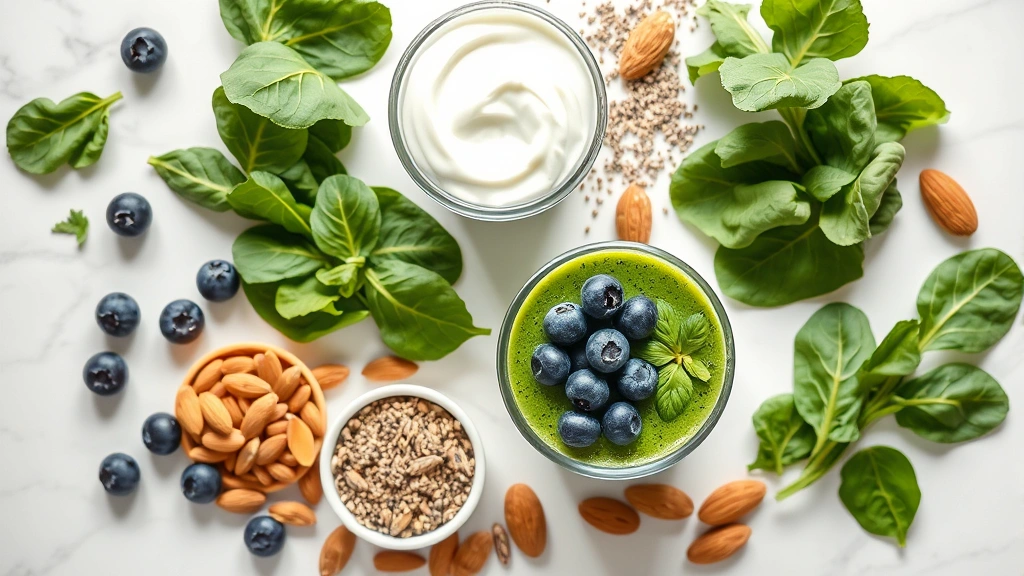
Protein Sources: Greek yogurt, cottage cheese, protein powder, and plant-based options like hemp seeds provide essential amino acids without excessive calories. Greek yogurt particularly shines because it delivers 15-20 grams of protein per serving while adding creamy texture naturally.
Leafy Greens: Spinach, kale, and arugula contribute virtually no calories while providing vitamins, minerals, and fiber. These greens blend invisibly into fruit-based smoothies, allowing you to increase nutrient density without affecting taste.
Fruits: Berries—blueberries, strawberries, raspberries—offer antioxidants and fiber with relatively low sugar compared to tropical fruits. One cup of berries typically contains 12-15 grams of carbohydrates and 3-4 grams of fiber. Bananas add creaminess but should be used sparingly due to higher sugar content.
Healthy Fats: Chia seeds, flax seeds, walnuts, and natural almond butter provide satiety-promoting fats. Just one tablespoon of nut butter adds 95-100 calories while delivering satisfying texture and sustained energy.
Liquids: Unsweetened almond milk, coconut water, or plain water keep calories minimal. Avoid fruit juices, which concentrate sugars while removing fiber that was present in whole fruits.
Flavor Enhancers: Vanilla extract, cinnamon, ginger, and cocoa powder add complexity without calories, making smoothies taste indulgent while supporting weight loss.
Top Nutritionist-Approved Smoothie Recipes
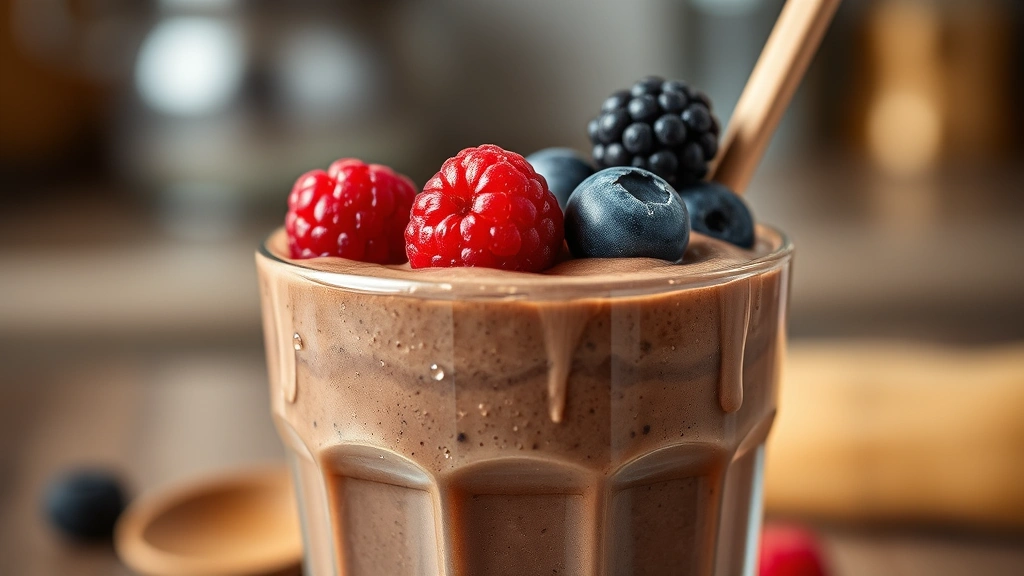
Recipe 1: Chocolate Protein Power Smoothie
- 1 cup unsweetened almond milk
- 1 scoop chocolate protein powder (120 calories)
- ½ frozen banana
- 1 tablespoon natural almond butter
- 1 handful spinach
- ½ teaspoon vanilla extract
- Ice cubes
Nutrition Profile: 280 calories | 22g protein | 18g carbs | 9g fat | 4g fiber. This smoothie works excellently as a post-workout recovery drink or meal replacement breakfast. The combination of protein, healthy fats, and fiber creates sustained energy and keeps hunger at bay for 3-4 hours.
Recipe 2: Berry Chia Seed Smoothie
- 1 cup unsweetened coconut milk
- ¾ cup fresh blueberries
- ½ cup fresh raspberries
- ½ cup plain Greek yogurt
- 1 tablespoon chia seeds
- ¼ teaspoon cinnamon
- Ice cubes
Nutrition Profile: 220 calories | 14g protein | 24g carbs | 7g fat | 6g fiber. Berry smoothies rank among the most antioxidant-rich options. The chia seeds expand in liquid, increasing satiety without adding significant calories. This smoothie works perfectly as a snack or light breakfast paired with whole grain toast.
Recipe 3: Green Detox Smoothie
- 1 cup unsweetened almond milk
- 1 cup fresh spinach
- ½ frozen mango
- ½ green apple, chopped
- 1 tablespoon ground flaxseed
- ½ scoop vanilla protein powder (60 calories)
- Fresh ginger (1 teaspoon grated)
- Ice cubes
Nutrition Profile: 180 calories | 12g protein | 26g carbs | 4g fat | 5g fiber. This smoothie emphasizes whole foods and natural sweetness from fruit, making it ideal for those avoiding processed protein powders. The ginger aids digestion and adds warming spice that increases perceived satisfaction.
Recipe 4: Creamy Cottage Cheese Smoothie
- 1 cup unsweetened almond milk
- ½ cup low-fat cottage cheese
- ½ cup frozen strawberries
- ¼ avocado
- 1 tablespoon almonds, sliced
- ½ teaspoon honey
- Ice cubes
Nutrition Profile: 250 calories | 18g protein | 18g carbs | 11g fat | 4g fiber. Cottage cheese provides casein protein, which digests slowly and maintains muscle during calorie restriction. The avocado adds creamy texture and heart-healthy monounsaturated fats.
Recipe 5: Peanut Butter Banana Protein Smoothie
- 1 cup unsweetened almond milk
- ½ frozen banana
- 1 tablespoon natural peanut butter
- 1 scoop vanilla protein powder (120 calories)
- 1 tablespoon ground oats
- Pinch of sea salt
- Ice cubes
Nutrition Profile: 310 calories | 24g protein | 26g carbs | 10g fat | 3g fiber. This satisfying smoothie tastes like a dessert while delivering substantial protein for muscle preservation. The oats add fiber and create a thicker texture that feels more filling.
Common Smoothie Mistakes That Sabotage Weight Loss
Mistake 1: Adding Too Much Fruit Many people assume smoothies are healthy because they contain fruit, but consuming 2-3 cups of fruit concentrates natural sugars without the satiety benefits of eating whole fruit. A single banana plus a cup of berries provides adequate sweetness; adding mango, pineapple, and apple creates a sugar bomb exceeding 60 grams of carbohydrates.
Mistake 2: Using Fruit Juice as the Liquid Base Orange juice, apple juice, and smoothie bases marketed as “healthy” contain concentrated sugars and lack the fiber present in whole fruits. A single cup of juice can exceed 120 calories and 28 grams of sugar—more than a candy bar—while providing minimal satiety.
Mistake 3: Forgetting About Portion Control with Nut Butters While almond and peanut butter offer nutritional value, two tablespoons deliver 190 calories. Many people underestimate portions, inadvertently adding 200-300 unnecessary calories. Use one tablespoon and pair it with protein powder to maximize satisfaction.
Mistake 4: Skipping Protein Entirely Smoothies without protein become liquid desserts that fail to trigger satiety signals. Even 15-20 grams of protein significantly improves hunger control and prevents the energy crashes that lead to snacking on high-calorie foods.
Mistake 5: Blending Instead of Chewing Research suggests that mechanical digestion—the physical act of chewing—contributes to satiety and satisfaction. Smoothies bypass this process, potentially leaving you feeling less full than eating the same ingredients whole. Counteract this by drinking smoothies slowly and pairing them with whole foods like nuts or whole grain toast.
Mistake 6: Adding Hidden Calories from Sweeteners Honey, agave, maple syrup, and even “natural” sweeteners add 20-60 calories per tablespoon. If your smoothie contains adequate fruit, additional sweeteners become unnecessary. If you crave sweetness, use zero-calorie options like stevia or monk fruit in moderation.
How to Customize Smoothies for Your Goals
For Maximum Satiety: Prioritize protein (25-30g), add fiber-rich vegetables like spinach or broccoli, include one tablespoon of healthy fat, and use a thick liquid base like unsweetened almond milk. This combination triggers fullness signals and sustains energy for 4+ hours.
For Pre-Workout Energy: Include carbohydrates (30-40g) from fruit, moderate protein (15-20g), and minimal fat to ensure rapid digestion. A smoothie 30-60 minutes before exercise provides accessible energy without digestive discomfort.
For Post-Workout Recovery: Combine protein (25-30g), carbohydrates (30-40g), and electrolytes from natural sources. Greek yogurt smoothies with berries and honey replenish glycogen stores while supporting muscle repair.
For Metabolism Support: Include metabolism-boosting ingredients like green tea, ginger, and cayenne pepper. While effects remain modest, these additions provide antioxidants and anti-inflammatory benefits. Research from the National Institutes of Health confirms green tea’s modest thermogenic effects.
For Blood Sugar Stability: Emphasize protein and fat while minimizing simple carbohydrates. If including fruit, pair it with fiber sources like ground flaxseed or chia seeds. Those following low-carb approaches can create smoothies with just 15-20 grams of carbohydrates by using protein powder, cottage cheese, and non-starchy vegetables.
Smoothies as Part of a Complete Strategy
Smoothies work best when integrated into a comprehensive weight loss approach. Consider them alongside weight training to preserve muscle mass, consistent cardio exercise, and whole food meals that develop proper eating habits.
For sustainable results, aim to consume whole foods for 70-80% of your diet while using smoothies strategically. A single smoothie daily as breakfast or post-workout nutrition provides convenience without creating dependency on blended meals. This approach maintains your ability to eat normally at social occasions and restaurants.
Track smoothie ingredients consistently, especially calorie-dense components like nut butters, protein powder, and high-sugar fruits. Many people unknowingly consume 400-500 calories in smoothies while believing they’ve chosen a light option. Using a food scale and tracking app for one week reveals actual portions and calorie content.
Consider weight loss shakes as alternatives when time constraints prevent fresh smoothie preparation. Quality meal replacement shakes provide controlled nutrition and convenience, though whole food smoothies typically offer superior satiety and micronutrient profiles.
According to research from the Obesity Medicine Association, meal replacement strategies—including smoothies—support initial weight loss when combined with behavioral changes. However, long-term success requires transitioning to sustainable eating patterns rather than relying indefinitely on liquid meals.
FAQ
Can smoothies replace meals for weight loss?
Smoothies can replace one meal daily, typically breakfast or lunch, when designed with adequate protein (25-30g), fiber, and healthy fats. However, replacing all meals with smoothies typically fails long-term because liquid foods provide less satiety than solid foods. Research suggests combining smoothies with whole food meals works better for sustainable weight loss than relying exclusively on blended options.
How many calories should a weight loss smoothie contain?
Meal replacement smoothies should contain 250-350 calories, while snack smoothies should stay between 100-150 calories. These ranges assume you’re consuming balanced meals at other times. If using smoothies to replace multiple meals, increase calories to 400-500 per serving while maintaining high protein content.
What’s the best time to drink a weight loss smoothie?
Post-workout smoothies within 30-60 minutes of exercise optimize muscle recovery and glycogen replenishment. Breakfast smoothies provide morning satiety and sustained energy. Avoid smoothies late at night, as liquid meals digest quickly and may not prevent late-night hunger. Some people find afternoon smoothies useful for preventing pre-dinner snacking.
Are frozen smoothies less nutritious than fresh?
Frozen fruit often contains equivalent or superior nutrient levels compared to fresh fruit, particularly when fresh fruit has traveled long distances. Freezing preserves vitamins, minerals, and antioxidants while reducing oxidation. The primary difference lies in texture and convenience rather than nutrition.
Can I make smoothies ahead and refrigerate them?
Smoothies separate when refrigerated, requiring vigorous shaking or blending before consumption. Most nutritionists recommend consuming smoothies immediately after preparation to maximize nutrient retention and texture. If preparing ahead, store ingredients separately and blend just before drinking. This approach maintains nutritional quality and prevents ingredient separation.
What protein powder works best for weight loss?
Whey protein isolate, casein protein, and plant-based options like pea or hemp protein all support weight loss when chosen without added sugars. Whey provides the most complete amino acid profile and mixes smoothly. Casein digests slowly, creating extended satiety. Plant-based options work well for vegans but often require slightly larger portions (1.5 scoops) to achieve equivalent protein content. Choose unflavored or naturally flavored options to control added sugars.
Do green smoothies boost metabolism?
Green smoothies don’t inherently boost metabolism beyond the modest thermic effect of digesting protein. However, they increase nutrient density and support overall health, which indirectly supports metabolic function. The real benefit lies in replacing calorie-dense beverages and snacks with nutrient-dense options, creating the calorie deficit necessary for weight loss.
How do smoothies compare to medical weight loss approaches?
Smoothies represent a dietary strategy, while medical interventions address underlying metabolic factors. For most people, smoothies combined with consistent exercise and behavioral changes produce sustainable results. Those with significant metabolic challenges or medical conditions should consult healthcare providers about comprehensive approaches combining nutrition, exercise, and potentially medical interventions.


