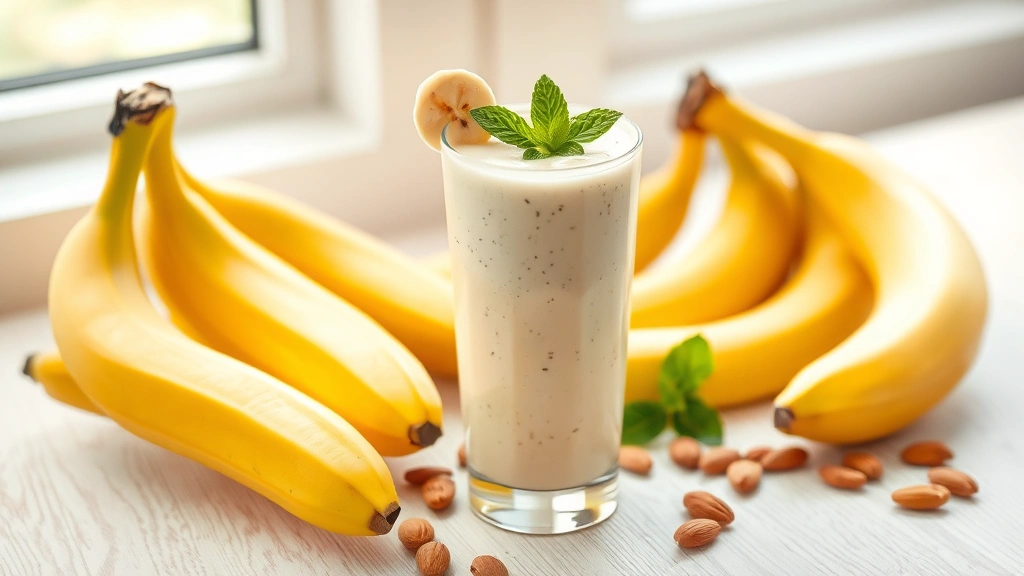
Banana Smoothie for Weight Loss? Nutritionist Approved
Bananas often get a bad reputation in weight loss circles, but the truth is far more nuanced. When prepared thoughtfully, a banana smoothie can be an excellent addition to a weight loss strategy—not despite the banana, but because of it. The key lies in understanding how bananas interact with your metabolism, satiety hormones, and overall nutritional needs.
Many people assume that fruits high in natural sugars automatically sabotage weight loss goals. However, bananas offer unique benefits that nutritionists and registered dietitians increasingly recognize as valuable for sustainable weight management. They’re rich in resistant starch (especially when slightly underripe), fiber, potassium, and B vitamins—all nutrients that support metabolic health and hunger control.
In this comprehensive guide, we’ll explore the science behind banana smoothies for weight loss, share nutritionist-approved recipes, and show you how to incorporate them into your broader wellness strategy.
Why Bananas Support Weight Loss
Bananas are misunderstood in the weight loss community. Despite containing natural sugars, they possess several properties that actually facilitate weight management rather than hinder it. Understanding these mechanisms helps explain why nutritionists recommend them as part of balanced approaches to healthy eating.
Resistant Starch and Satiety: Unripe or slightly green bananas contain significant amounts of resistant starch—a type of carbohydrate that behaves more like fiber than regular starch. According to research published in nutrition journals, resistant starch increases feelings of fullness, reduces overall calorie intake, and improves insulin sensitivity. This means eating a banana smoothie can help you feel satisfied longer, making it easier to maintain a calorie deficit without constant hunger.
Bananas also contain pectin, a soluble fiber that slows gastric emptying—the rate at which your stomach empties into your small intestine. This delayed emptying prolongs satiety and prevents the blood sugar spikes associated with refined carbohydrates. When you pair bananas with protein sources, this effect becomes even more pronounced.
Potassium Content: A medium banana provides approximately 400mg of potassium, a mineral essential for muscle function and metabolic rate. Adequate potassium intake supports lean muscle preservation during weight loss, which is crucial because muscle tissue drives your resting metabolic rate. When you lose weight while maintaining muscle mass, you’re more likely to sustain that loss long-term.
Mental Health and Adherence: Weight loss sustainability depends heavily on adherence to your eating plan. Bananas contain tryptophan, an amino acid precursor to serotonin, which influences mood and motivation. A satisfying banana smoothie can reduce cravings for less nutritious treats, making your weight loss journey psychologically sustainable rather than a constant battle against deprivation.

Nutritional Profile of Bananas
A medium banana (about 118 grams) contains approximately:
- 105 calories (very reasonable for the satiety it provides)
- 27 grams of carbohydrates (mostly from natural sugars and fiber)
- 3 grams of fiber (supporting digestive health and blood sugar control)
- 1.3 grams of protein (modest but contributes to smoothie protein content)
- 0.3 grams of fat (minimal, leaving room for healthier fat additions)
- Vitamin B6 (supports energy metabolism)
- Vitamin C (immune function and collagen synthesis)
- Manganese (bone health and metabolic function)
The glycemic index of bananas varies based on ripeness. Green bananas have a lower GI (around 30) due to resistant starch content, while fully ripe bananas have a higher GI (around 60). For weight loss purposes, consuming slightly underripe bananas or combining ripe bananas with protein and fat sources minimizes blood sugar impact.
Understanding weight loss and blood sugar levels is essential when incorporating banana smoothies into your routine. Stable blood sugar means stable energy, fewer cravings, and better metabolic function.
Best Banana Smoothie Recipes
Recipe 1: Classic High-Protein Banana Smoothie
- 1 medium banana (slightly underripe if possible)
- 1 scoop vanilla protein powder (20-25g protein)
- 1 cup unsweetened almond milk (30 calories)
- ½ cup plain Greek yogurt (60 calories, 10g protein)
- 1 tablespoon natural almond butter (95 calories)
- ½ teaspoon vanilla extract
- 3-4 ice cubes
Nutrition: ~340 calories, 35g protein, 28g carbs, 8g fat, 4g fiber
This recipe provides substantial protein from multiple sources, creating a meal-replacement smoothie that keeps you satisfied for hours. The combination of banana’s natural sweetness with protein powder eliminates the need for added sugars. This fits perfectly within healthy meal plans for weight loss as a breakfast or post-workout option.
Recipe 2: Green Banana Smoothie Bowl
- 1 medium banana (green or slightly yellow)
- 1 cup fresh spinach
- ½ cup unsweetened Greek yogurt
- ¾ cup unsweetened almond milk
- 1 tablespoon ground flaxseed (adds fiber and omega-3s)
- ½ cup frozen blueberries
- Toppings: 2 tablespoons granola (measured), 1 tablespoon coconut flakes
Nutrition: ~290 calories, 12g protein, 42g carbs, 7g fat, 7g fiber
The addition of spinach provides micronutrients without significantly increasing calorie content. Blueberries add antioxidants and additional fiber. This option works well for those who prefer a more textured eating experience compared to a drinkable smoothie.
Recipe 3: Banana-Peanut Butter Protein Smoothie
- 1 medium banana
- 2 tablespoons natural peanut butter (no added sugar)
- 1 scoop chocolate protein powder
- 1 cup unsweetened almond milk
- ½ cup plain non-fat Greek yogurt
- ¼ teaspoon cinnamon
- 3 ice cubes
Nutrition: ~360 calories, 32g protein, 30g carbs, 12g fat, 3g fiber
This satisfying combination mimics a dessert-like experience while remaining nutritionally sound. The healthy fats from peanut butter slow carbohydrate absorption and enhance satiety. This recipe appeals to those who struggle with sweet cravings during weight loss.
Protein and Fiber Additions
While bananas provide baseline nutrition, strategic additions transform them into powerful weight loss tools. The most important additions are protein and fiber, both of which independently increase satiety and support metabolic health.
Protein Sources:
- Whey protein powder: Fast-absorbing, complete amino acid profile, 20-25g per scoop
- Greek yogurt: Provides probiotics for gut health plus 10-15g protein per ½ cup serving
- Cottage cheese: Often overlooked but creamy and protein-rich (14g per ½ cup)
- Plant-based protein: Pea, hemp, or brown rice protein for those avoiding dairy
- Collagen peptides: Supports skin and joint health while adding 10g protein
Aim for at least 20-30 grams of protein per smoothie to maximize satiety. Research from obesity medicine associations shows that higher-protein meals reduce subsequent calorie intake by up to 20% compared to lower-protein alternatives.
Fiber Additions:
- Ground flaxseed: 2-3 grams fiber per tablespoon, plus omega-3 fatty acids
- Chia seeds: 5 grams fiber per tablespoon, absorbs liquid for gel-like texture
- Psyllium husk powder: Highly soluble fiber (supports digestive regularity)
- Oat fiber: 4 grams fiber per tablespoon, minimal carbohydrate impact
- Leafy greens: Spinach, kale, or arugula add fiber with negligible calories
Total fiber should reach 8-12 grams per smoothie for optimal digestive support and sustained energy release. This aligns with nutritionist recommendations for daily fiber intake and supports long-term weight management.
For additional guidance on nutrient-dense recipes, explore high protein recipes for weight loss which provides comprehensive strategies for meal planning.
Timing and Frequency
When you consume banana smoothies matters significantly for weight loss outcomes. Strategic timing maximizes metabolic benefits and appetite control.
Breakfast Smoothies: Consuming a protein-rich banana smoothie within two hours of waking jumpstarts your metabolism and stabilizes blood sugar throughout the morning. Studies show that high-protein breakfasts reduce overall daily calorie intake more effectively than low-protein alternatives. This positions banana smoothies as an excellent foundation for your day.
Post-Workout Timing: Within 30-60 minutes after exercise, your muscles are primed to absorb amino acids and carbohydrates. A banana smoothie provides the carbohydrates to replenish muscle glycogen and protein to support recovery. This is particularly important if you’re engaging in best aerobic exercises for weight loss, which deplete muscle glycogen stores.
Frequency Recommendations:
- Daily option: One smoothie daily as a meal replacement or substantial snack
- Moderate frequency: 4-5 times weekly, alternating with whole foods
- Occasional option: 2-3 times weekly for variety and special occasions
The best frequency depends on your individual preferences, schedule, and overall diet composition. Some people thrive with daily smoothies, while others find that alternating with whole foods prevents boredom and ensures dietary variety. Neither approach is inherently superior—consistency and adherence matter most.
For those incorporating smoothies into structured eating patterns, weight loss with intermittent fasting offers strategies for timing nutrient-dense meals within eating windows.
Common Mistakes to Avoid
Even nutritious banana smoothies can undermine weight loss when prepared incorrectly. Understanding common pitfalls helps you maximize results.
Mistake 1: Excessive Added Sugars
Many commercial smoothie recipes and shop-bought versions contain honey, agave, fruit juice concentrates, or flavored yogurts that dramatically increase sugar content without increasing satiety. A banana smoothie should rely on the banana’s natural sweetness. If additional sweetness is needed, use zero-calorie sweeteners like stevia or monk fruit, or add naturally sweet ingredients like berries with minimal caloric impact.
Mistake 2: Insufficient Protein
A banana smoothie without adequate protein becomes a liquid carbohydrate source that spikes blood sugar and provides minimal satiety. Aim for minimum 20 grams protein per smoothie. This transforms it from a beverage into a satisfying meal component that supports your weight loss goals.
Mistake 3: Large Portion Sizes
Liquid calories are absorbed rapidly and trigger less satiety signaling compared to solid foods. A 600-700 calorie smoothie can be consumed in minutes without triggering fullness, making it easy to exceed your calorie goals. Keep portions to 300-400 calories for snacks or 400-500 calories for meal replacements.
Mistake 4: Neglecting Whole Fruits
While banana smoothies offer convenience, they shouldn’t completely replace whole fruits. Whole bananas require chewing, which triggers satiety hormones and provides a more sustained eating experience. Balance smoothies with whole food options throughout your week.
Mistake 5: Ignoring Individual Tolerance
Some people experience blood sugar dysregulation or digestive discomfort with smoothies. If you notice increased hunger, energy crashes, or bloating after banana smoothies, adjust your recipe by increasing protein and fiber, reducing banana quantity, or using greener bananas. Individual responses vary, and personalization trumps generic recommendations.
For personalized guidance on managing metabolic responses during weight loss, consult resources on semaglutide weight loss options or speak with a registered dietitian who can assess your individual needs.
FAQ
Are bananas bad for weight loss?
No. While bananas contain natural sugars, they also provide fiber, resistant starch (especially when underripe), potassium, and satiety-promoting compounds. When incorporated into a balanced diet with adequate protein and within appropriate calorie goals, bananas support rather than hinder weight loss. The key is preparation method and portion control.
How many calories are in a banana smoothie?
Calorie content varies based on ingredients. A basic banana smoothie with protein powder, yogurt, and milk typically contains 300-400 calories. Smoothies with nut butters, granola, or added sweeteners can exceed 500 calories. Always measure ingredients and account for smoothies within your daily calorie goals.
Can I drink banana smoothies every day?
Yes, daily banana smoothies are safe for most people when properly formulated with adequate protein and fiber. However, incorporating variety—alternating with whole foods, different fruits, and different bases—ensures you receive a broader spectrum of nutrients. Some people prefer 4-5 times weekly to maintain dietary diversity.
Should I use ripe or green bananas?
For weight loss, slightly underripe or green bananas are preferable because they contain more resistant starch, which provides greater satiety and has less impact on blood sugar. However, ripe bananas are still beneficial when combined with protein and fat sources. Choose based on taste preference and tolerance—consistency matters more than perfection.
What’s the best time to drink a banana smoothie?
Breakfast or within 30-60 minutes post-exercise are optimal times. Breakfast smoothies stabilize morning blood sugar and reduce subsequent calorie intake. Post-workout smoothies replenish muscle glycogen and support recovery. Avoid consuming smoothies as evening snacks unless they’re part of a structured eating plan, as they may interfere with sleep or create unnecessary calories.
Can banana smoothies replace meals?
Yes, when properly formulated with 25-35 grams of protein, 8-12 grams of fiber, and 300-500 calories, banana smoothies can serve as complete meal replacements. However, they shouldn’t replace all meals indefinitely. Alternating with whole foods ensures you maintain diverse nutrient intake and don’t become dependent on liquid nutrition.
Do banana smoothies cause weight gain?
Banana smoothies cause weight gain only when they exceed your calorie maintenance level or contain excessive added sugars and unhealthy fats. A properly formulated banana smoothie—with protein, fiber, and controlled calories—supports weight loss goals. Weight gain results from total calorie intake, not specific foods.


