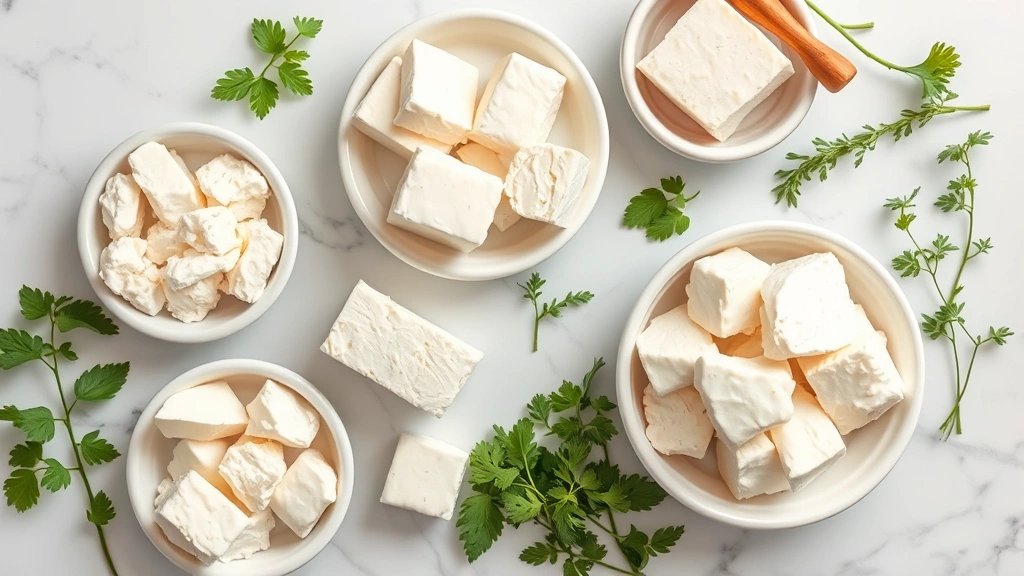
When it comes to weight loss, cheese often gets an unfair reputation as a forbidden food. Yet emerging research suggests that certain types of cheese can actually support your weight loss goals when chosen strategically and consumed mindfully. The key lies in understanding which cheeses offer the best nutritional profiles—high in protein, lower in calories, and rich in beneficial compounds like conjugated linoleic acid (CLA).
As a nutritionist who has guided hundreds of clients through successful weight loss journeys, I’ve witnessed firsthand how the right cheese selections can satisfy cravings, boost satiety, and provide essential nutrients without derailing progress. This comprehensive guide reveals which cheeses deserve a place in your weight loss nutrition plan and how to incorporate them effectively.
Why Cheese Can Support Weight Loss
Contrary to popular diet myths, cheese isn’t inherently incompatible with weight loss. The science is surprisingly clear: cheese contains several compounds that can actively support your weight management efforts. First, cheese is an excellent source of complete protein, containing all nine essential amino acids your body needs. Protein is crucial for weight loss because it increases satiety, meaning you feel fuller longer after eating, which naturally reduces overall calorie intake.
Research published in the American Journal of Clinical Nutrition demonstrates that high-protein foods like cheese can boost your metabolic rate and reduce hunger hormones. Additionally, many cheeses contain conjugated linoleic acid (CLA), a fatty acid that studies suggest may help reduce body fat while preserving lean muscle mass during weight loss. This distinction is critical—you want to lose fat, not muscle.
Cheese also provides bioavailable calcium, which plays a significant role in fat metabolism. Studies have shown that adequate calcium intake is associated with better weight management outcomes. Furthermore, the nutrient density of cheese means you’re getting vitamins like B12, selenium, and phosphorus that support overall metabolic function. When you improve your metabolic rate through proper nutrition, weight loss becomes more sustainable.
Top 5 Best Cheeses for Weight Loss
1. Cottage Cheese
Cottage cheese stands as the champion of weight loss cheeses, offering an impressive protein-to-calorie ratio. A half-cup serving provides approximately 14 grams of protein for just 110 calories, making it exceptionally efficient for building satiety. The curds and whey structure creates a unique texture that many people find deeply satisfying, reducing the urge to overeat. Low-fat or non-fat varieties cut calories even further while maintaining protein content. Research from the National Institutes of Health highlights cottage cheese’s role in successful weight management programs.
2. Feta Cheese
Feta offers a distinctive advantage: its intense flavor means a little goes a long way. A single ounce of feta delivers robust taste with approximately 75 calories and 4 grams of protein. The strong, tangy profile satisfies cravings more efficiently than mild cheeses, allowing you to use smaller portions. Feta also contains beneficial bacteria similar to those in probiotic foods, supporting digestive health which indirectly influences weight management.
3. Mozzarella (Part-Skim)
Part-skim mozzarella provides an excellent balance of taste and nutrition. With about 72 calories and 7 grams of protein per ounce, it’s versatile enough for countless applications. Fresh mozzarella can be paired with vegetables for satisfying snacks, while string cheese offers convenient portion control. The mild flavor makes it ideal for those transitioning to healthier eating patterns.
4. Swiss Cheese
Swiss cheese delivers approximately 108 calories and 8 grams of protein per ounce, along with notably lower sodium content compared to many other cheeses. The distinctive holes and mild flavor make it psychologically satisfying while supporting your nutritional goals. Swiss cheese also contains less lactose than many alternatives, making it easier to digest for those with sensitivities.
5. Ricotta (Part-Skim)
Part-skim ricotta provides exceptional protein density—about 14 grams per half-cup—with creamy texture that satisfies without excessive calories. Its mild flavor and versatile applications make it perfect for both sweet and savory preparations. Ricotta works beautifully in your healthy meal plans for weight loss, offering flexibility that encourages long-term adherence.
Honorable Mention: Parmesan
Hard cheeses like Parmesan are highly concentrated, meaning small amounts deliver significant flavor and nutrition. Just one ounce provides 110 calories and 10 grams of protein. The intense umami taste satisfies with minimal quantity, making it excellent for portion control.
Nutritional Comparison of Popular Cheeses
Understanding the nutritional profiles helps you make informed decisions. Per one-ounce serving, here’s how popular cheeses compare:
- Cottage Cheese (low-fat): 28 calories, 5g protein—exceptional ratio
- Feta: 75 calories, 4g protein—strong flavor efficiency
- Part-Skim Mozzarella: 72 calories, 7g protein—balanced choice
- Swiss: 108 calories, 8g protein—nutrient-dense
- Part-Skim Ricotta: 39 calories, 3.5g protein per tablespoon—versatile
- Whole Milk Cheddar: 113 calories, 7g protein—more caloric, limit portions
- Cream Cheese: 99 calories, 2g protein—poor protein ratio, minimize use
The pattern is clear: lower-fat varieties and cheeses with higher protein-to-calorie ratios support weight loss more effectively. This doesn’t mean avoiding full-fat cheese entirely—rather, being strategic about selections and portions.
How to Incorporate Cheese Into Your Diet Plan
Strategic incorporation ensures cheese supports rather than sabotages your goals. Start by viewing cheese as a protein source rather than a condiment or indulgence. Include it in meals where it serves a nutritional purpose, not merely for added calories.
Breakfast Ideas: Scrambled eggs with feta and spinach, cottage cheese bowls with berries, or part-skim mozzarella alongside whole-grain toast provides sustained energy and morning satiety. These combinations align beautifully with your best time to eat for weight loss strategy, particularly if breakfast is your preferred meal.
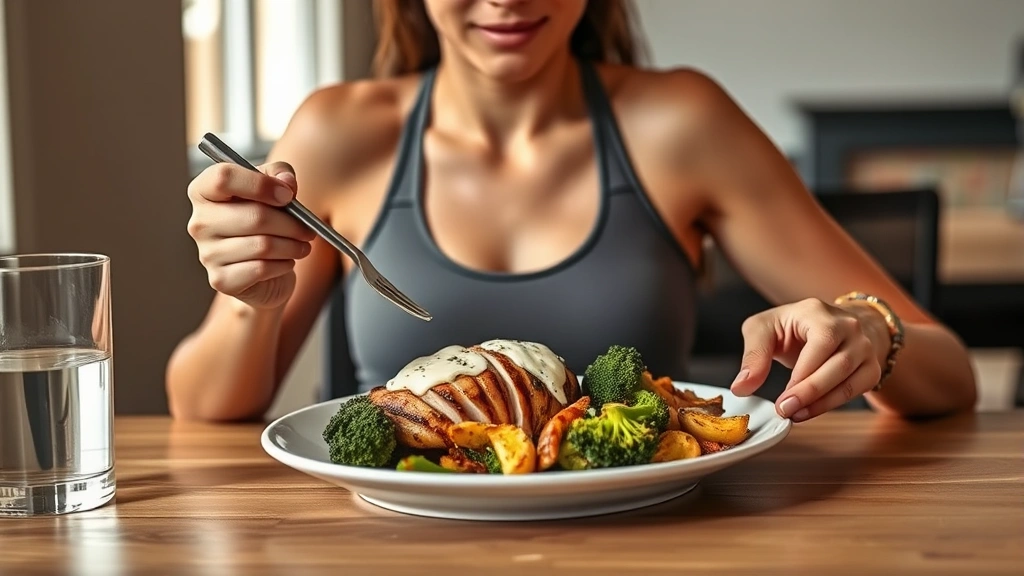
Lunch and Dinner Strategies: Use cheese as a protein component in salads, incorporated into vegetable dishes, or as part of lean protein meals. A grilled chicken breast with melted Swiss cheese and vegetables creates a satisfying, nutrient-dense meal. Cottage cheese can serve as a base for grain bowls or mixed with vegetables for substantial side dishes.
Snacking Approach: Rather than eating cheese mindlessly, pair it intentionally with vegetables, whole grains, or fruits. String cheese with apple slices, feta with cucumber, or cottage cheese with berries creates balanced snacks that prevent energy crashes and excessive hunger later.
The key principle: view cheese as part of balanced meals rather than standalone foods, ensuring each serving contributes meaningfully to your daily nutrition.
Common Mistakes When Eating Cheese for Weight Loss
Mistake 1: Excessive Portion Sizes
The most common error is consuming cheese without measuring. “Just a handful” often translates to 3-4 ounces, delivering 300+ calories. Use a kitchen scale initially to calibrate your eye, understanding what one ounce actually looks like.
Mistake 2: Choosing Full-Fat Varieties Without Reason
While full-fat cheese isn’t forbidden, systematically choosing it over lower-fat options adds unnecessary calories without proportional nutritional benefit. Full-fat cheddar at 113 calories per ounce versus part-skim mozzarella at 72 calories represents a 40+ calorie difference per serving—significant over time.
Mistake 3: Eating Cheese in Isolation
Consuming cheese without protein, fiber, or vegetables creates blood sugar spikes and inadequate satiety. Always pair cheese with vegetables, whole grains, or lean proteins to create balanced nutrition.
Mistake 4: Ignoring Sodium Content
Many cheeses contain significant sodium, which can promote water retention and bloating—counterproductive for weight loss perception and actual progress. Check labels and balance high-sodium cheeses with low-sodium vegetables and foods.
Mistake 5: Using Cheese as Emotional Comfort Food
Eating cheese to soothe emotions rather than genuine hunger undermines weight loss efforts. Develop awareness of your eating triggers and address emotional eating through alternative coping strategies.
Portion Control and Serving Strategies
Portion control transforms cheese from obstacle to asset. One ounce (roughly the size of a standard dice) represents a reasonable serving for most cheeses. For visual reference: one ounce of cheddar equals approximately one 1-inch cube, one slice of deli cheese, or a golf ball of fresh mozzarella.
Practical Serving Methods:
- Pre-portion cheese into containers immediately after purchase, preventing mindless consumption
- Use cheese shakers for grated varieties, naturally limiting quantity
- Choose individually-wrapped string cheese for built-in portion control
- Measure cottage cheese and ricotta with serving spoons rather than eating directly from containers
- Grate cheese rather than slicing—grated portions appear larger, increasing satiety perception
These strategies work because they remove decision-making during eating, relying instead on predetermined portions. When you maintain weight loss through effective strategies, portion consistency proves essential.

Pairing Cheese With Other Weight Loss Foods
Synergistic food combinations amplify weight loss benefits. Cheese paired strategically with nutrient-dense foods creates meals that maximize satiety while minimizing calories.
Cheese + Vegetables: This is the ideal pairing. Vegetables provide fiber, volume, and nutrients with minimal calories. Feta with roasted bell peppers, cottage cheese with cucumber and tomatoes, or mozzarella with zucchini noodles creates substantial, satisfying meals.
Cheese + Lean Proteins: Combining cheese with chicken, fish, or turkey provides complementary amino acid profiles and extends satiety. A turkey sandwich with Swiss cheese and mustard-based vegetables creates complete nutrition.
Cheese + Whole Grains: When including carbohydrates, pair cheese with whole grains rather than refined options. Whole grain crackers with feta, or brown rice with mozzarella provides sustained energy and fiber that refined carbohydrates lack.
Cheese + Healthy Fats: Olive oil, avocado, or nuts paired with cheese create meals with stable blood sugar and prolonged satiety. A salad with feta, olive oil dressing, and vegetables demonstrates this principle perfectly.
Avoid pairing cheese with processed foods, refined carbohydrates, or sugary elements, which create blood sugar instability and reduce cheese’s weight loss benefits.
Meal Example Incorporating Multiple Principles:
Grilled chicken breast (lean protein) topped with part-skim mozzarella, served alongside roasted broccoli and cauliflower (vegetables, fiber), drizzled with olive oil (healthy fat). This meal delivers approximately 350 calories with 45 grams of protein, creating exceptional satiety and nutritional density. This approach aligns with comprehensive weight loss with plant-based diet principles, as you can easily adapt it with plant proteins.
FAQ
Can I eat cheese every day while losing weight?
Yes, absolutely. Daily cheese consumption is fine when portions remain controlled and cheese serves as a protein component within balanced meals. Many successful weight loss individuals incorporate cheese daily without issue. The distinction lies between strategic daily consumption and excessive portions.
Which cheese has the lowest calories?
Cottage cheese (non-fat) provides the lowest calorie density at approximately 28 calories per ounce, followed by feta at 75 calories per ounce. However, calorie content isn’t the only consideration—protein content and satiety effects matter equally.
Should I choose fat-free cheese?
Fat-free cheese often contains added ingredients and has inferior taste, potentially leading to consuming larger portions for satisfaction. Part-skim varieties typically offer the best balance of calories, nutrition, and satisfaction. Taste satisfaction directly influences adherence to weight loss plans.
Does cheese cause bloating during weight loss?
Some people experience bloating from dairy, particularly high-sodium cheeses. If you notice bloating, try lower-sodium varieties like fresh mozzarella or feta, ensure adequate hydration, and pair cheese with vegetables containing natural diuretic properties. Consider consulting healthcare providers about potential lactose sensitivity.
How does cheese compare to other protein sources for weight loss?
Cheese provides excellent protein but typically contains more calories per gram than lean meats or fish. However, cheese’s convenience, versatility, and nutrient density make it valuable within a balanced approach. Think of it as one tool among many, not the primary protein source. Combine cheese strategically with leaner proteins for optimal results.
Can lactose intolerance prevent me from using cheese for weight loss?
Hard cheeses like Swiss and Parmesan contain minimal lactose, making them suitable for lactose-sensitive individuals. Additionally, aged cheeses generally contain less lactose than fresh varieties. Cottage cheese and ricotta vary by brand. Check labels or consult your healthcare provider about specific tolerances.
What’s the best way to measure cheese portions?
Use a kitchen scale for accuracy initially, learning what one ounce visually represents. Alternatively, remember that one ounce roughly equals one dice-sized cube, one slice of deli cheese, or a golf ball of fresh mozzarella. For grated cheese, one ounce equals approximately one-quarter cup.
Should I include cheese in my daily calorie count?
Absolutely. Cheese contains significant calories that directly impact your caloric balance. While the nutrients are valuable, failing to count cheese calories is a common reason people plateau in their weight loss progress. Accurate tracking ensures accountability and realistic expectations.


