
Top Digestive Enzymes for Weight Loss? Expert Picks
The promise of digestive enzymes for weight loss has captured the attention of health-conscious individuals everywhere. From supplement store shelves to influencer recommendations, enzyme products claim to boost metabolism, improve nutrient absorption, and accelerate fat burning. But do these popular supplements actually deliver on their promises? Understanding how digestive enzymes work—and their real impact on your weight loss journey—requires separating science from marketing hype.
Digestive enzymes are proteins that break down food into smaller molecules your body can absorb and utilize. Your pancreas, stomach, and small intestine naturally produce these enzymes, yet many people spend considerable money on supplemental versions. While enzyme supplementation may offer specific health benefits, the evidence for weight loss is more nuanced than manufacturers suggest. This comprehensive guide explores the best digestive enzymes, their actual mechanisms, and whether they belong in your weight loss strategy.
How Digestive Enzymes Actually Work
Your digestive system is a sophisticated machinery that breaks down macronutrients through enzymatic action. Amylase breaks down carbohydrates, protease digests proteins, and lipase processes fats. Without adequate enzyme activity, food moves through your digestive tract incompletely broken down, potentially leading to bloating, gas, and nutrient malabsorption.
The weight loss connection seems logical: if enzymes improve digestion and nutrient absorption, perhaps they enhance metabolism and reduce caloric storage. However, research presents a more complicated picture. A healthy digestive system already produces sufficient enzymes for most people. Taking additional enzymes doesn’t necessarily speed up digestion or metabolism—your body simply doesn’t use what it doesn’t need.
Certain individuals may genuinely benefit from enzyme supplementation. People with pancreatic insufficiency, celiac disease, or irritable bowel syndrome (IBS) sometimes experience improved digestion with enzyme support. For these populations, better nutrient absorption and reduced digestive distress can indirectly support weight management by improving energy levels and reducing inflammation. However, this differs substantially from enzymes causing direct weight loss.
The timing of enzyme intake matters significantly. Enzymes must reach your stomach and small intestine in active form to be effective. Many supplement enzymes are destroyed by stomach acid before reaching the small intestine, unless they’re specially enteric-coated. This manufacturing detail separates effective products from those that simply pass through your system unused.
The Best Digestive Enzymes for Weight Loss
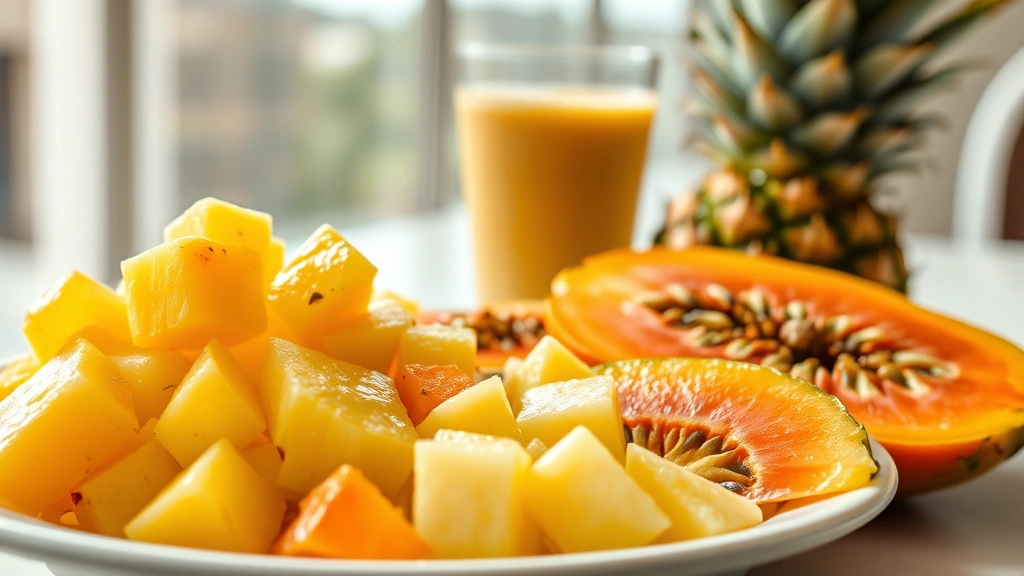
Bromelain stands out among enzyme supplements with the most compelling research. Derived from pineapple stems, bromelain is a proteolytic enzyme that breaks down proteins and may reduce inflammation. Some studies suggest bromelain supports digestive health and reduces bloating, which could make maintaining a calorie deficit feel more comfortable. While bromelain won’t directly burn fat, reducing digestive discomfort helps people stick to their protein diet plan for weight loss without digestive complaints.
Papain, extracted from papaya fruit, functions similarly to bromelain. This protease enzyme aids protein digestion and may help with bloating and indigestion. People following high-protein approaches appreciate papain’s ability to support protein breakdown, making nutrient utilization more efficient. When combined with a structured protein diet, improved protein digestion could theoretically enhance satiety and lean muscle preservation.
Lipase supplements target fat digestion specifically. For individuals with fat malabsorption issues, lipase supplementation can improve nutrient absorption and reduce steatorrhea (fatty stools). However, for people with normal fat digestion, additional lipase provides minimal benefit. Some research suggests lipase may help reduce post-meal bloating and discomfort associated with fatty foods, potentially supporting adherence to a balanced eating plan.
Amylase breaks down complex carbohydrates into simpler sugars. While amylase supplementation might theoretically slow carbohydrate digestion, evidence for weight loss benefits remains limited. Your body already produces abundant amylase naturally. Supplemental amylase may help people with specific digestive conditions but won’t significantly impact weight loss in otherwise healthy individuals.
Serrapeptidase is a proteolytic enzyme from silkworm cocoons that shows promise for inflammation reduction. Since chronic inflammation can interfere with weight loss hormones and metabolic function, reducing inflammation theoretically supports weight management. However, most weight loss benefits from enzyme supplementation come through improved digestive comfort rather than direct metabolic effects.
When selecting enzyme supplements, look for products with enteric coating, which protects enzymes from stomach acid destruction. Check that products are third-party tested for purity and potency. The best enzyme supplements specify their enzymatic activity in standardized units (like FCC or ILUS units) rather than vague dosages.

” alt=”Digestive enzymes supplement capsules arranged with fresh pineapple, papaya, and ginger root on a light wooden surface, bright natural lighting” />
Enzyme Supplements vs. Natural Sources
Before investing in expensive supplements, consider that whole foods contain natural enzymes. Fresh pineapple and papaya provide bromelain and papain respectively. Raw vegetables, fermented foods like sauerkraut and kimchi, and miso contain living enzymes. Honey and avocado also naturally contain enzymatic compounds. These whole food sources provide enzymes plus additional nutrients, fiber, and phytonutrients that supplements cannot replicate.
One advantage of whole food enzymes: they’re consumed alongside the foods they digest. When you eat fresh pineapple, bromelain works directly on the fruit’s proteins as you chew and digest. This synergistic approach often proves more effective than taking isolated enzyme supplements separately from meals.
However, whole food enzyme content varies dramatically based on ripeness, storage, and preparation. Cooking destroys most enzymes, which is why raw or lightly processed foods maximize enzymatic content. For people with specific digestive conditions, standardized supplements offer more predictable dosing than relying on food sources alone.
The most evidence-based approach combines both strategies: incorporate enzyme-rich whole foods into your diet while using targeted supplements only when addressing specific digestive issues. This approach supports your smoothie recipes for weight loss efforts by ensuring optimal nutrient absorption from raw fruits and vegetables.
Combining Enzymes with Other Weight Loss Strategies
Digestive enzymes work best as part of a comprehensive weight loss approach rather than standalone solutions. While enzymes alone won’t create the caloric deficit necessary for weight loss, they support the foundational strategies that do work. Combining enzyme supplementation with evidence-based weight loss methods multiplies your success potential.
Enzymes paired with weight loss and interval training create synergistic benefits. Improved digestion ensures your muscles receive adequate amino acids for recovery and growth after intense exercise. Better nutrient absorption means more energy for demanding workouts. This combination—enhanced nutrition plus challenging exercise—drives sustainable fat loss.
Consider enzyme supplementation alongside your protein diet plan if you experience bloating or discomfort from increased protein intake. Proteolytic enzymes help break down the additional protein efficiently, reducing digestive distress while supporting muscle preservation during weight loss. Many people report better adherence to high-protein diets when digestive enzymes reduce post-meal discomfort.
Incorporating enzyme-rich foods into your smoothie recipes for weight loss provides enzymes naturally. Blend raw pineapple or papaya with protein powder, Greek yogurt, and leafy greens. These smoothies deliver enzymes, protein, micronutrients, and fiber—addressing multiple weight loss mechanisms simultaneously.
Using enzymes to support exercise consistency matters significantly. If digestive distress prevents you from exercising regularly, enzyme supplementation that improves comfort could indirectly support your training routine. Similarly, if better digestion allows you to consume adequate protein for muscle recovery, you’re more likely to maintain exercise consistency—a critical factor in how to maintain weight loss effectively.
The elliptical trainer for weight loss and other cardio equipment demand adequate energy and recovery. Enzymes that improve nutrient absorption help fuel these workouts more effectively. While enzymes won’t directly increase calorie burn, optimized nutrition supports the metabolic adaptation and consistency required for long-term results.
Some people find that enzyme supplementation reduces bloating enough to support better adherence to dietary changes. When you don’t feel uncomfortably full or gassy, maintaining a calorie deficit feels more sustainable. This psychological and physical comfort factor shouldn’t be underestimated in long-term weight management success.
” alt=”Woman preparing fresh salad with raw vegetables, pineapple, and papaya in a bright kitchen, smiling while chopping ingredients” />
Safety and Side Effects
Digestive enzymes are generally safe for most people when used as directed. However, certain populations should exercise caution. People with enzyme allergies or sensitivities—particularly to pineapple or papaya—should avoid bromelain and papain supplements. Allergic reactions can range from mild itching to severe anaphylaxis in sensitive individuals.
Individuals taking blood thinners like warfarin should consult healthcare providers before using bromelain, as some research suggests potential interactions. Similarly, people with bleeding disorders may need to avoid high-dose proteolytic enzymes. Pregnancy and breastfeeding warrant medical guidance before starting any supplementation protocol.
Common side effects are minimal and typically mild. Some people experience stomach upset, nausea, or diarrhea when starting enzyme supplements, particularly at higher doses. Starting with lower doses and gradually increasing helps minimize digestive adjustment. Taking enzymes with food rather than on an empty stomach often improves tolerability.
Quality matters enormously for safety. Unregulated supplements may contain contaminants, incorrect dosages, or inactive ingredients. Third-party testing through organizations like NSF International or USP ensures products contain what labels claim. Purchasing from reputable manufacturers reduces contamination risks and ensures enzymatic potency.
Long-term enzyme supplementation safety appears good based on current evidence, though more research would strengthen confidence. People using enzymes long-term should periodically reassess whether they’re experiencing continued benefits or simply maintaining a supplement habit. For many, enzyme benefits plateau after digestive function optimizes, making continued supplementation unnecessary.
FAQ
Do digestive enzymes actually help with weight loss?
Digestive enzymes don’t directly cause weight loss, but they may support weight management indirectly. By improving digestion and reducing bloating, enzymes help some people maintain dietary consistency. Better nutrient absorption ensures adequate energy and recovery for exercise. However, enzymes alone won’t create the caloric deficit required for weight loss. They work best as supporting players in comprehensive weight loss strategies combining calorie control, exercise, and behavioral changes.
Which digestive enzyme is best for weight loss?
Bromelain and papain have the most research supporting digestive and anti-inflammatory benefits. These proteolytic enzymes particularly help people consuming high-protein diets by reducing digestive discomfort. Lipase may help those with fat malabsorption issues. However, “best” depends on your individual digestive needs. Consulting a registered dietitian helps identify which enzymes suit your specific situation.
Can I get digestive enzymes from food instead of supplements?
Absolutely. Fresh pineapple, papaya, raw vegetables, fermented foods, and other whole foods naturally contain enzymes. These food sources provide enzymes plus additional nutrients supplements lack. However, enzyme content varies based on ripeness and storage, and cooking destroys most enzymes. For specific digestive conditions, standardized supplements offer more predictable dosing than food sources alone.
How long does it take to see results from digestive enzyme supplements?
Some people notice improved digestion and reduced bloating within days of starting enzymes, while others need 2-4 weeks for noticeable benefits. Results depend on your baseline digestive function, enzyme dosage, product quality, and whether you have specific digestive conditions. If you don’t notice improvements after 4 weeks of consistent use with a quality product, enzymes may not address your particular needs.
Are digestive enzymes safe to take long-term?
For most people, digestive enzymes are safe long-term when used as directed. However, people with allergies to enzyme sources (pineapple, papaya), bleeding disorders, or those taking blood thinners should consult healthcare providers. Periodic reassessment helps determine whether continued supplementation provides ongoing benefits or has become unnecessary as digestive function optimizes.
Can I take digestive enzymes with other supplements and medications?
Generally yes, but interactions are possible. Bromelain may interact with blood thinners. Some enzymes may affect medication absorption timing. Consult your healthcare provider or nutrition professional before combining enzyme supplements with medications or other supplements, particularly if you have health conditions or take prescription medications.
Should I take digestive enzymes with meals or separately?
Taking enzymes with meals is typically most effective since they work on the food you’re consuming. However, some proteolytic enzymes are taken between meals for systemic benefits. Follow product instructions, as formulation differences affect optimal timing. Enteric-coated enzymes are designed to survive stomach acid and work in the small intestine, while non-coated versions work better with meals in the stomach.


