Best Salad Dressing for Weight Loss? Nutritionist Tips
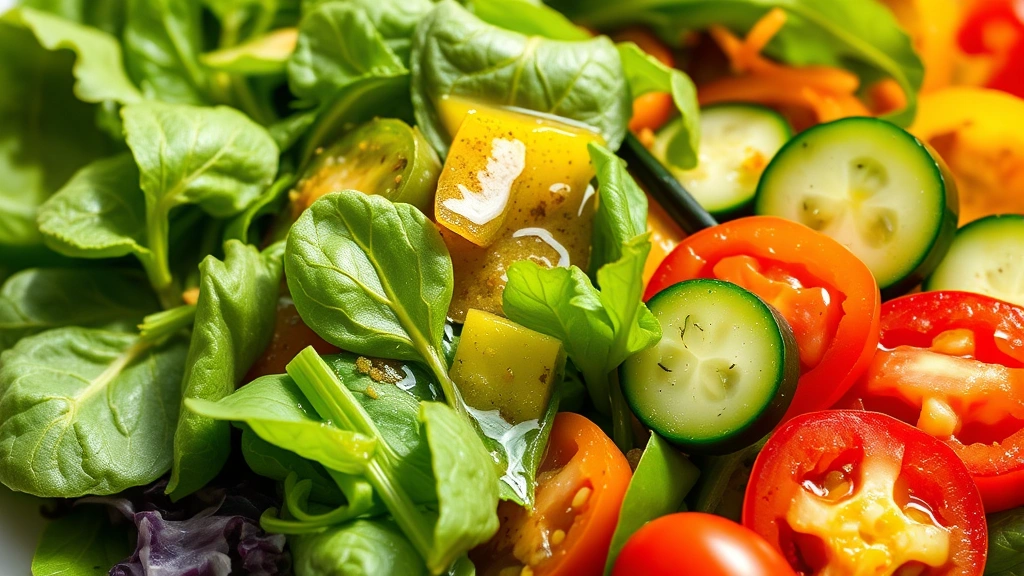
Salads are a cornerstone of healthy eating, but the dressing you choose can make or break your weight loss goals. Many people unknowingly sabotage their nutritious salads by drowning them in high-calorie, sugar-laden dressings that contain more calories than the vegetables themselves. The good news? With the right knowledge and strategic choices, you can enjoy delicious, satisfying salad dressings that support your weight loss journey rather than hinder it.
This comprehensive guide explores the science behind salad dressing selection, reveals which dressings work best for weight loss, and provides practical tips from nutrition experts to help you make informed choices. Whether you’re looking to reduce calorie intake, manage blood sugar levels, or simply enjoy healthier meals, understanding salad dressing nutrition is essential for sustainable weight loss success.
Why Salad Dressing Matters for Weight Loss
Salad dressing is often overlooked when calculating daily calorie intake, yet it represents one of the most significant sources of hidden calories in seemingly healthy meals. A typical serving of creamy salad dressing—just two to three tablespoons—can contain 150 to 300 calories, primarily from fat and added sugars. When you consider that many people use double or triple this amount without measuring, the calorie count quickly escalates.
According to research published by the Academy of Nutrition and Dietetics, salad dressing is among the top sources of added sugars and saturated fats in American diets. This is particularly problematic for weight loss because excess sugar promotes insulin spikes, increases cravings, and can lead to greater fat storage. Additionally, many commercial dressings contain refined seed oils that are calorie-dense and may promote inflammation when consumed in large quantities.
The relationship between dressing choice and weight loss success extends beyond simple calorie counting. The type of fat, presence of added sugars, and ingredient quality all influence satiety, nutrient absorption, and metabolic health. Choosing the right dressing can enhance your salad’s nutritional profile, improve micronutrient absorption (especially fat-soluble vitamins like A, D, E, and K), and support stable energy levels throughout the day.
Worst Salad Dressings for Weight Loss
Understanding which dressings sabotage weight loss efforts is the first step toward making better choices. Several categories of dressings are particularly problematic for people trying to lose weight:
- Creamy dressings (ranch, blue cheese, Caesar): These typically contain 150-200 calories per two-tablespoon serving, with significant amounts from mayonnaise, sour cream, or heavy cream. Ranch dressing, despite its popularity, often contains added sugars and sodium alongside saturated fats.
- Sweetened vinaigrettes: Brands like honey mustard, balsamic vinaigrette, and Asian-inspired dressings frequently contain 8-15 grams of added sugar per serving, contributing to blood sugar spikes without providing satiety.
- Fat-free dressings: Ironically, many fat-free dressings are worse for weight loss than their full-fat counterparts. Manufacturers replace fat with added sugars and thickeners to improve taste and texture, creating products with similar calorie counts but worse metabolic effects.
- Thousand Island and similar sweet-savory blends: These combine high calories with added sugars, typically containing 150-180 calories and 5-8 grams of sugar per serving.
- Commercial peanut-based dressings: While peanut contains healthy fats, commercial versions often add sugar, refined oils, and sodium, making them calorie-dense (200+ calories per serving) without providing proportional nutritional benefits.
Best Salad Dressings for Weight Loss
The best salad dressings for weight loss share common characteristics: low added sugar, minimal refined ingredients, reasonable calorie density, and ingredients that support satiety and health. Here are the top options:
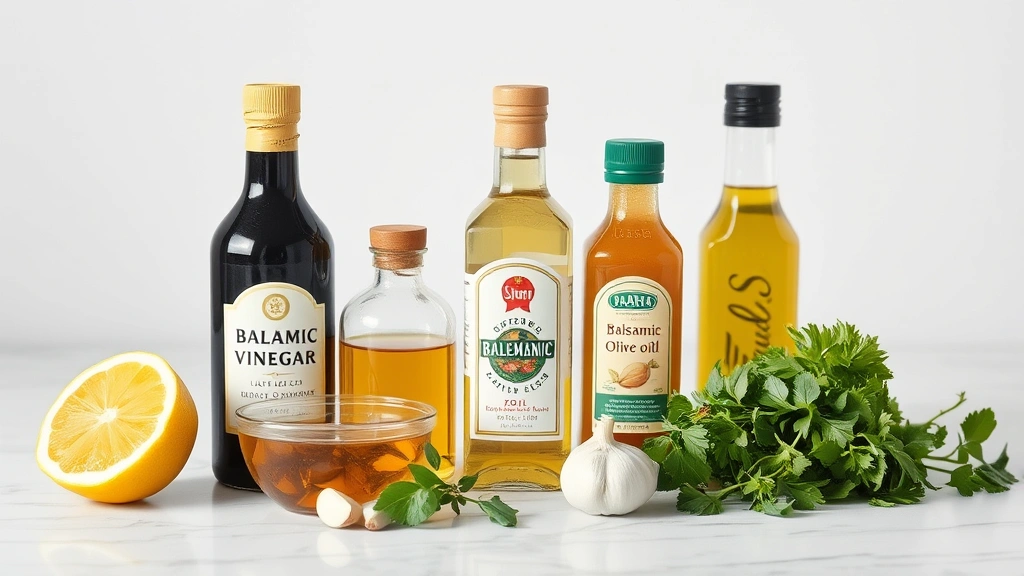
Vinegar-based dressings: Pure vinegar dressings (balsamic, apple cider, red wine, or white vinegar) with minimal added oil represent some of the lowest-calorie options available. They typically contain 20-50 calories per two-tablespoon serving and provide negligible sugar. Vinegar itself offers potential metabolic benefits—research suggests acetic acid in vinegar may support blood sugar control and modest weight loss. Mix vinegar with herbs, mustard, and a small amount of olive oil for a satisfying dressing.
Olive oil-based dressings: While olive oil contains calories (120 per tablespoon), it provides monounsaturated fats that support satiety and cardiovascular health. A simple dressing of two parts vinegar to one part extra virgin olive oil, combined with Dijon mustard and herbs, delivers approximately 80-100 calories per serving with excellent nutritional value. The fat in olive oil actually enhances absorption of fat-soluble vitamins from vegetables.
Mustard-based dressings: Mustard contains virtually no calories (3-4 per teaspoon) while providing flavor, and studies suggest it may have modest thermogenic effects. Combine whole grain or Dijon mustard with vinegar, herbs, and minimal oil for a satisfying, low-calorie option under 50 calories per serving.
Lemon or lime juice dressings: Citrus-based dressings offer brightness and acidity without sugar. Fresh lemon or lime juice combined with herbs, garlic, and a small amount of olive oil creates a refreshing option with 40-70 calories per serving. The vitamin C in citrus also enhances iron absorption from leafy greens.
Greek yogurt-based dressings: Non-fat or low-fat Greek yogurt serves as an excellent creamy base for dressings, providing protein and probiotics. A dressing made from Greek yogurt (80 calories per 100g), fresh herbs, lemon juice, and garlic delivers creaminess with approximately 60-80 calories per serving, plus 3-5 grams of protein that enhances satiety.
Tahini-based dressings: Tahini (sesame seed paste) provides healthy fats, minerals, and a creamy texture. While calorie-dense at 95 calories per tablespoon, a small amount mixed with lemon juice, water, and garlic creates a nutrient-dense dressing with approximately 70-90 calories per serving that keeps you satisfied longer.
How to Choose Healthy Dressings
When selecting salad dressings, whether homemade or store-bought, use these criteria to ensure you’re supporting your weight loss goals:
Read nutrition labels carefully: Look for dressings with fewer than 100 calories per two-tablespoon serving (the standard serving size). Check the added sugar content—aim for less than 2 grams per serving. Examine the ingredient list; if you can’t recognize or pronounce ingredients, that’s often a red flag. The first few ingredients should be recognizable foods like vinegar, oil, herbs, and spices.
Prioritize added sugar reduction: This is more important than total fat content. A dressing with 10 grams of fat and 1 gram of added sugar is superior for weight loss to one with 5 grams of fat and 8 grams of added sugar. Added sugars promote insulin resistance and increase cravings, directly hindering weight loss progress.
Consider oil quality: When choosing dressings containing oil, look for extra virgin olive oil, avocado oil, or walnut oil rather than refined seed oils (soybean, canola, sunflower). These higher-quality oils contain more antioxidants and beneficial compounds. Connecting proper nutrition with how to improve metabolic rate requires attention to ingredient quality.
Check sodium levels: While sodium doesn’t directly cause weight gain, excessive sodium can increase water retention and bloating, masking progress. Aim for dressings with less than 300mg sodium per serving, or make your own to control salt content.
Evaluate protein content: Dressings containing Greek yogurt, tahini, or other protein sources provide additional satiety benefits. Protein helps regulate hunger hormones and supports muscle preservation during weight loss.
Homemade vs Store-Bought Options
While quality store-bought dressings exist, homemade versions offer significant advantages for weight loss: complete control over ingredients, elimination of additives and excess sugars, cost savings, and the ability to customize flavors to your preferences. Research from the CDC indicates that home-prepared foods typically contain substantially less added sugar than commercial alternatives.
Making dressing at home requires minimal effort. A basic vinaigrette takes two minutes: combine three parts vinegar or lemon juice with one part olive oil, add Dijon mustard, minced garlic, and dried herbs, then shake vigorously. This yields approximately 50-70 calories per two-tablespoon serving with zero added sugar.
For creamier dressings, blend non-fat Greek yogurt with lemon juice, fresh herbs, garlic, and a touch of honey. This provides a ranch-style dressing with 60-80 calories per serving and 4-5 grams of protein. You can prepare large batches and store them in glass containers for 5-7 days, making meal prep convenient.
If you prefer store-bought options, look for brands emphasizing minimal ingredients and clean labels. Some reputable options include vinaigrette-style dressings from brands that avoid added sugars and use quality oils. Always check the nutrition label, as marketing claims like “natural” or “healthy” don’t guarantee low-calorie or low-sugar content.
Portion Control and Application Tips
Even the best dressing can hinder weight loss if consumed in excessive quantities. Most people use 3-4 tablespoons of dressing per salad, when the recommended serving is 2 tablespoons. This seemingly small difference doubles your calorie intake from dressing.
Practical portion control strategies:
- Use a measuring spoon: For the first few weeks, measure your dressing with a tablespoon to calibrate your visual estimation. Most people underestimate portion sizes significantly.
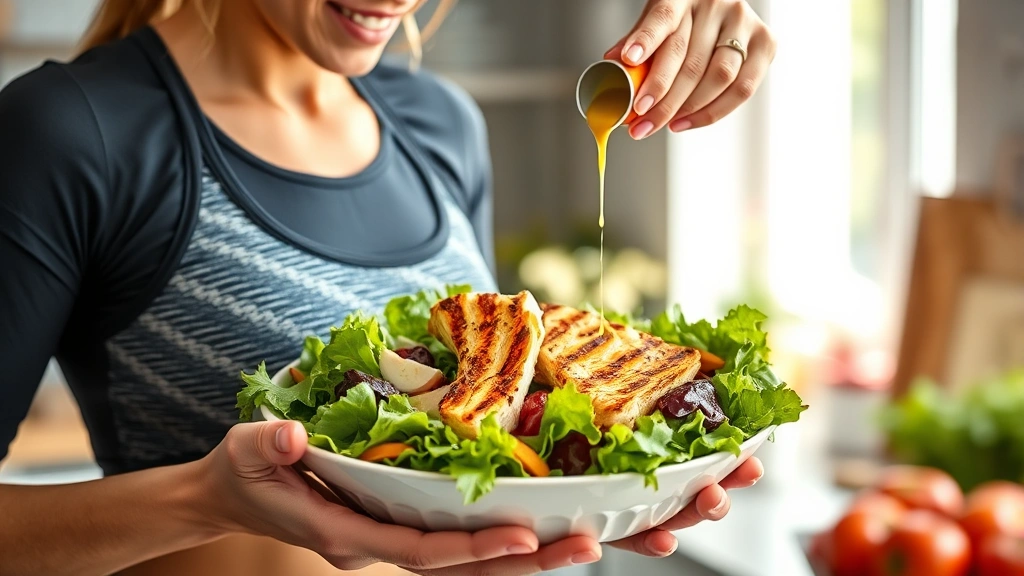
- Apply dressing strategically: Instead of pouring dressing over the entire salad, apply it to the side and dip each forkful. This enhances flavor perception while using less dressing overall—you’ll feel satisfied with half the amount.
- Dress only the greens: Apply dressing primarily to leafy greens, which distribute it throughout the salad. Keep denser vegetables and proteins undressed for better texture contrast.
- Use spray bottles: Transfer thin dressings like vinaigrettes into spray bottles to create an even, thin coating using minimal product.
- Layer strategically: Place greens at the bottom, add protein and vegetables, then dress just before eating to prevent sogginess and reduce the amount needed for flavor distribution.
Understanding portion control connects directly to broader weight loss principles. Just as high protein diet approaches require attention to total intake, dressing selection requires both quality and quantity consideration.
Dressing Alternatives and Creative Options
Beyond traditional dressings, several alternatives provide flavor and satisfaction with minimal calories:
Citrus-herb combinations: Fresh lemon or lime juice mixed with cilantro, jalapeño, and garlic creates a vibrant, zero-calorie flavor base. Add a teaspoon of olive oil and you’ve created a dressing with approximately 40 calories per serving.
Vinegar reductions: Simmer balsamic vinegar with a touch of honey until syrupy (about 10 minutes). A small drizzle provides intense flavor with minimal calories—approximately 15-20 calories per tablespoon. This works beautifully on Mediterranean or Italian salads.
Nut-based alternatives: Blend almonds or walnuts with water, lemon juice, and herbs to create a creamy dressing with 70-90 calories per serving that provides beneficial fats and minerals. This approach connects to broader strength training nutrition principles by providing nutrient density.
Miso-based dressings: Miso paste provides umami flavor and probiotics. Mix one tablespoon miso with two tablespoons vinegar, one tablespoon water, and sesame oil for an Asian-inspired dressing with approximately 60 calories per serving.
Avocado-based creamy dressings: Blend ripe avocado with lime juice, cilantro, and water to create a creamy dressing providing healthy monounsaturated fats. While avocado is calorie-dense, a small amount goes far in flavor and satiety—approximately 80-100 calories per serving.
Herb-infused oils: Create your own flavored oils by steeping fresh herbs in olive oil for several days. Use sparingly—a teaspoon provides significant flavor with only 40 calories. This method allows maximum flavor with minimal calorie investment.
For those following specific dietary approaches, these alternatives align well with various strategies. Whether you’re cycling for weight loss or following keto principles, selecting appropriate dressings supports your chosen approach.
The key to successful salad dressing selection for weight loss is finding options that satisfy your taste preferences while supporting your calorie and nutrition goals. When dressing choices align with your palate, you’re far more likely to maintain consistency and enjoy the eating experience—both essential for sustainable weight loss.
FAQ
How many calories should salad dressing contain for weight loss?
For weight loss, aim for salad dressings containing fewer than 100 calories per two-tablespoon serving. Ideally, dressings should contain less than 2 grams of added sugar per serving. The specific calorie target depends on your total daily intake and meal composition, but keeping dressing calories under 100 per serving ensures your salad remains a low-calorie meal option.
Is olive oil dressing good for weight loss?
Yes, olive oil dressing can support weight loss when used appropriately. Extra virgin olive oil contains monounsaturated fats that enhance satiety and cardiovascular health. The key is portion control—use approximately one tablespoon of olive oil per serving, combined with acidic ingredients like vinegar or lemon juice. A properly proportioned olive oil vinaigrette contains 80-100 calories per serving while providing satisfying fat content that reduces overall hunger.
What’s the best store-bought salad dressing for weight loss?
The best store-bought dressings for weight loss are simple vinaigrettes with minimal added sugar. Look for brands listing vinegar, oil, and herbs as primary ingredients, with fewer than 100 calories and less than 2 grams added sugar per serving. Always read labels, as “light” or “fat-free” doesn’t necessarily mean low-calorie or low-sugar. Some acceptable options include basic balsamic vinaigrettes, simple Italian dressings, and mustard-based dressings from reputable brands emphasizing minimal processing.
Can I use vinegar as a salad dressing for weight loss?
Absolutely. Pure vinegar contains virtually zero calories and may offer metabolic benefits through its acetic acid content. However, vinegar alone is quite acidic and may be unpleasant for some people. For better palatability while maintaining weight loss benefits, combine vinegar with herbs, mustard, and minimal olive oil. This creates a satisfying dressing with 40-70 calories per serving that many find more enjoyable than vinegar alone.
How does salad dressing affect weight loss progress?
Salad dressing significantly impacts weight loss because it can transform a low-calorie salad into a high-calorie meal. Two tablespoons of typical creamy dressing can add 150-300 calories to your meal, potentially exceeding the calorie content of the vegetables themselves. Additionally, dressings high in added sugar can trigger insulin spikes and increase cravings, making it harder to maintain a calorie deficit. Choosing low-calorie, low-sugar dressings preserves the weight loss benefits of eating salad while enhancing satisfaction and nutrition.
Should I avoid all fats in salad dressing for weight loss?
No—avoiding all fats is actually counterproductive for weight loss. Dietary fat enhances satiety, improves nutrient absorption (particularly fat-soluble vitamins A, D, E, and K from vegetables), and supports hormone production. The important distinction is choosing quality fats in appropriate portions. Extra virgin olive oil, avocado oil, and other whole food fats support weight loss better than refined seed oils or excess saturated fat. Including 1-2 teaspoons of quality oil in your dressing provides benefits without excessive calories.
Are Greek yogurt dressings good for weight loss?
Yes, Greek yogurt dressings are excellent for weight loss. Non-fat or low-fat Greek yogurt provides creaminess with approximately 80 calories per 100 grams and 10+ grams of protein per serving. A dressing made from Greek yogurt, fresh herbs, lemon juice, and garlic contains 60-80 calories per serving while providing protein that enhances satiety and supports muscle preservation during weight loss. The probiotics in yogurt may also support digestive health and metabolism.


