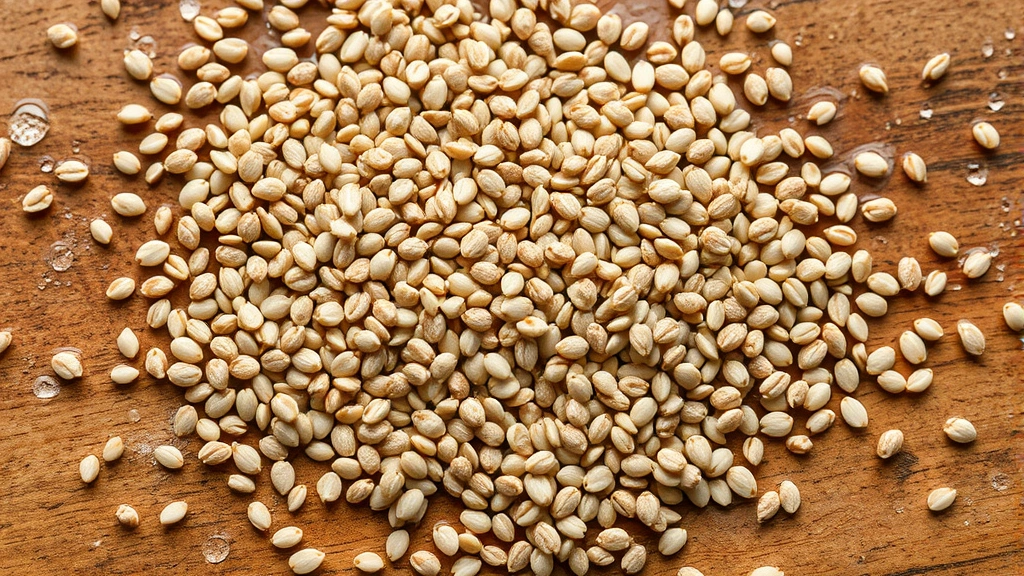
Chia seeds have become a darling of the health and wellness world, with enthusiasts touting them as a miraculous addition to any weight loss regimen. But do these tiny black seeds actually deliver on their promises, or is the hype overblown? As a nutritionist specializing in weight loss strategies, I’ve examined the research extensively, and the answer is more nuanced than simple yes or no. Chia seeds can absolutely support your weight loss journey—but only when integrated thoughtfully into a comprehensive approach that includes proper nutrition, exercise, and sustainable lifestyle habits.
The scientific evidence suggests that chia seeds possess several properties that may contribute to weight loss efforts. They’re packed with fiber, protein, and omega-3 fatty acids—nutrients that play crucial roles in appetite regulation, satiety, and metabolic function. However, chia seeds aren’t a magic bullet. They work best as part of a broader strategy that might include strength training exercises for weight loss and balanced nutrition. In this comprehensive guide, I’ll break down what the research actually shows, how to use chia seeds effectively, and whether they belong in your weight loss toolkit.
What Are Chia Seeds and Their Nutritional Profile
Chia seeds come from the plant Salvia hispanica, native to central and southern Mexico. These tiny seeds have been consumed for centuries, valued by ancient Aztec warriors for their sustained energy-providing properties. Today, they’re recognized as a nutritional powerhouse—and rightfully so, based on their composition.
A single ounce (about 28 grams or roughly 2.5 tablespoons) of chia seeds contains approximately 138 calories, making them relatively calorie-dense. However, what matters more for weight loss is their nutrient density. That same ounce provides:
- 10 grams of fiber (39% of daily value)—crucial for digestive health and satiety
- 5 grams of protein—important for muscle maintenance and appetite control
- 9 grams of fat, mostly omega-3 fatty acids—supporting heart and brain health
- 12 grams of carbohydrates, with minimal net carbs after accounting for fiber
- Essential minerals: manganese, magnesium, phosphorus, and calcium
The fiber-to-carb ratio is particularly impressive. Since most of the carbohydrate content comes from fiber, chia seeds won’t cause dramatic blood sugar spikes—a key consideration for sustainable weight loss. This makes them especially useful if you’re following a low carb approach to weight loss.
How Chia Seeds May Support Weight Loss
The weight loss benefits of chia seeds primarily stem from their unique ability to absorb liquid. When you consume chia seeds, they can absorb up to 10 times their weight in water, forming a gel-like substance in your stomach. This expansion creates several potential advantages for those seeking to lose weight.
Appetite Suppression
The gel formation slows gastric emptying—the rate at which food moves from your stomach to your small intestine. This prolonged digestive process keeps you feeling fuller for longer, potentially reducing overall calorie intake throughout the day. Research published in Nutrition & Metabolism found that participants who consumed chia seeds reported increased satiety and reduced appetite compared to control groups.
Blood Sugar Stabilization
Stable blood sugar levels are fundamental to weight loss success. When blood sugar spikes and crashes, you experience energy dips and cravings that undermine your efforts. The soluble fiber in chia seeds slows carbohydrate absorption, promoting more gradual glucose release into the bloodstream. This stability helps prevent the energy crashes that often lead to overeating or poor food choices.
Improved Nutrient Absorption
Though chia seeds themselves are nutrient-dense, they also appear to enhance the absorption of other nutrients in your diet. The omega-3 fatty acids they contain support overall metabolic health, while their mineral content supports enzyme function and energy production—all essential for an active lifestyle.
Hydration Support
Proper hydration is often overlooked in weight loss discussions, yet it’s vital for metabolic function and appetite regulation. Since chia seeds absorb and retain water, consuming them encourages increased water intake—a simple strategy that can meaningfully impact your results.
The Science Behind Fiber and Satiety
To truly understand whether chia seeds support weight loss, we need to examine the research on dietary fiber and satiety. Fiber is perhaps the most underappreciated nutrient in modern nutrition, yet it’s absolutely critical for sustainable weight management.
The Academy of Nutrition and Dietetics recommends 25-35 grams of fiber daily for adults, yet most Americans consume only 15 grams on average. This fiber deficit contributes to poor satiety, blood sugar dysregulation, and weight gain. Chia seeds offer a concentrated source of soluble fiber, which is particularly effective for appetite control.
According to research from the National Institutes of Health, soluble fiber increases cholecystokinin (CCK)—a hormone that signals fullness to your brain. Additionally, fiber feeds beneficial gut bacteria, which produce short-chain fatty acids that further enhance satiety signals. This multi-layered mechanism explains why fiber-rich foods are so effective for weight management.
However—and this is crucial—chia seeds alone won’t create the caloric deficit necessary for weight loss. They must be part of an overall nutritious diet. Many people make the mistake of adding chia seeds to their existing diet without reducing calories elsewhere, which can actually lead to weight gain due to the seeds’ calorie density.
Practical Ways to Incorporate Chia Seeds
If you decide to incorporate chia seeds into your weight loss plan, proper preparation and consumption methods maximize their benefits. Here are evidence-based strategies from nutrition research:
Chia Seed Pudding
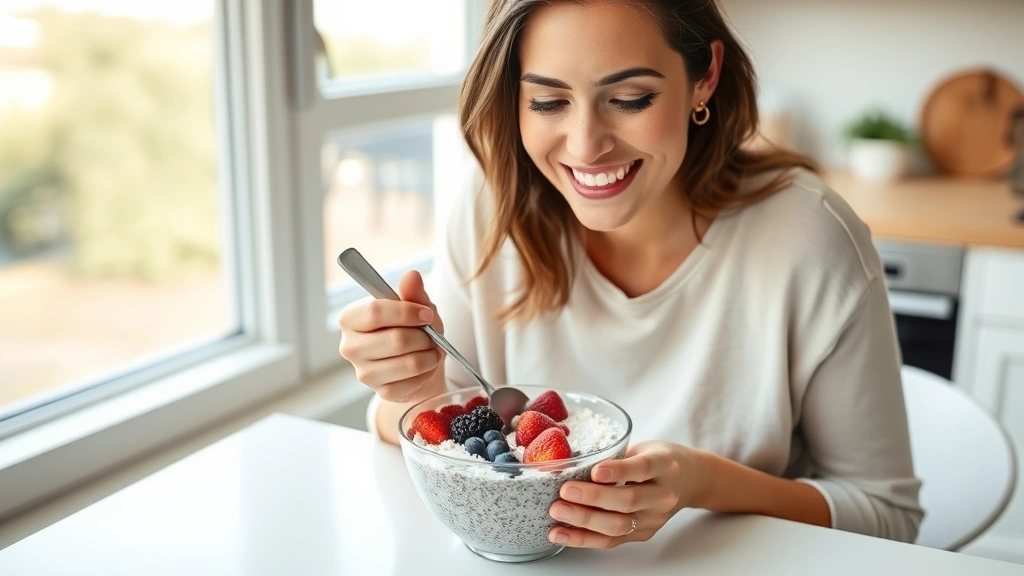
Mix 2 tablespoons of chia seeds with 1 cup of unsweetened almond milk (or milk of choice) and let sit overnight. The seeds absorb the liquid and create a pudding-like texture. Add cinnamon, vanilla extract, or a small amount of honey for flavor. This makes an excellent breakfast that keeps you satisfied until lunch, reducing overall daily calorie intake. The combination of protein, fiber, and fat creates optimal satiety.
Smoothie Integration
Add 1-2 tablespoons to your morning smoothie. Pair them with protein powder, leafy greens, and fruit for a balanced meal that supports both weight loss and muscle maintenance—especially important if you’re incorporating adequate protein intake for weight loss.
Water-Based Preparation
Mix 1-2 tablespoons of chia seeds in 8-12 ounces of water, let sit for 15-20 minutes, then drink before meals. This pre-meal approach can reduce appetite and lead to consuming fewer calories at that meal.
Gradual Introduction
Start with small amounts (1 tablespoon daily) and gradually increase to 2-3 tablespoons spread throughout the day. This prevents digestive discomfort, as the sudden fiber increase can cause bloating if introduced too quickly.
Combination with Protein
Always consume chia seeds with protein sources. A breakfast combining chia seed pudding with Greek yogurt or cottage cheese creates a macronutrient balance that maximizes satiety and muscle preservation during weight loss.
Potential Drawbacks and Considerations
While chia seeds offer genuine nutritional benefits, they’re not appropriate for everyone, and they come with some important caveats.
Calorie Density
At 138 calories per ounce, chia seeds are calorie-dense. People sometimes overestimate portion sizes or add them to existing meals without reducing calories elsewhere, inadvertently increasing total intake. Weight loss fundamentally requires a caloric deficit, and chia seeds don’t circumvent this basic principle.
Digestive Concerns
The high fiber content can cause bloating, gas, and constipation if you’re not accustomed to high-fiber foods or if you don’t drink adequate water. Since chia seeds absorb moisture, insufficient hydration can actually worsen constipation. Always increase water intake proportionally to your chia seed consumption.
Medication Interactions
Chia seeds may interact with certain medications, particularly blood thinners like warfarin. The omega-3 content, while generally beneficial, can have mild anticoagulant effects. If you take prescription medications, discuss chia seed consumption with your healthcare provider.
Choking Risk
Dry chia seeds can absorb moisture in your throat or esophagus. Always consume them with adequate liquid, and avoid eating them dry straight from the package.
Allergic Reactions
Though rare, some individuals experience allergic reactions to chia seeds, particularly those with tree nut or sesame allergies. Start with a small amount and monitor for any adverse reactions.
Combining Chia Seeds with Other Weight Loss Strategies
Chia seeds work best as one component of a comprehensive weight loss strategy. The most successful, sustainable approaches combine multiple evidence-based tactics:
Nutrition Foundation
Chia seeds should complement, not replace, a foundation of whole foods: lean proteins, vegetables, fruits, whole grains, and healthy fats. Consider pairing your chia seed consumption with a structured approach like the 7-day protein diet plan approach, which ensures you’re meeting macronutrient needs while creating a caloric deficit.
Physical Activity
Nutrition alone doesn’t optimize weight loss. Combining chia seeds with regular exercise—particularly strength training exercises for weight loss—preserves muscle mass while losing fat. This is critical because muscle tissue is metabolically active and supports long-term weight maintenance.
Metabolic Support
While chia seeds provide nutrients that support metabolic function, you can further improve your metabolic rate through comprehensive strategies. These include sleep optimization, stress management, and consistent physical activity—factors that amplify the benefits of nutritional choices like chia seed consumption.
Behavioral and Tracking Tools
Modern weight loss and fitness apps can help track nutritional intake and monitor progress. Using these tools ensures you’re maintaining the caloric deficit necessary for weight loss while incorporating chia seeds appropriately.
Professional Guidance
Working with a registered dietitian can personalize recommendations based on your specific health status, preferences, and goals. They can determine whether chia seeds are appropriate for you and how to maximize their benefits within your overall nutrition plan.
Consistency Over Perfection
The most important factor in weight loss success is consistency. Rather than expecting chia seeds to create dramatic changes, view them as one tool among many. The sustainable approach—combining modest dietary improvements, regular exercise, adequate sleep, and stress management—produces lasting results. Chia seeds can support this approach by increasing satiety and providing concentrated nutrition, but they’re not a substitute for the fundamentals.
FAQ
Do chia seeds really help with weight loss?
Chia seeds can support weight loss efforts, but they’re not a magic solution. Their high fiber and protein content promotes satiety, and their ability to absorb water may help reduce appetite. However, weight loss requires a caloric deficit, which chia seeds alone cannot create. They work best as part of a comprehensive nutrition and lifestyle approach.
How many chia seeds should I consume daily for weight loss?
Most research suggests 1-2 tablespoons (15-30 grams) daily is effective and safe for most adults. Start with 1 tablespoon and gradually increase to assess tolerance. Consuming more than 3 tablespoons daily without proportionally increasing water intake may cause digestive discomfort.
Can I eat chia seeds dry?
It’s not recommended to eat chia seeds dry straight from the package. They absorb moisture and can potentially cause choking or esophageal discomfort. Always consume them with adequate liquid—mixed into smoothies, puddings, or water.
When should I eat chia seeds for weight loss?
Consuming chia seeds at breakfast or before lunch may be most beneficial for appetite control throughout the day. However, consistency matters more than timing. Incorporate them whenever fits your schedule, ensuring adequate water intake regardless of timing.
Are chia seeds safe for everyone?
While generally safe, chia seeds may interact with blood-thinning medications, could trigger allergies in sensitive individuals, and may cause digestive issues if introduced too quickly. Discuss with your healthcare provider if you take medications or have digestive sensitivities.
Can chia seeds replace other healthy foods?
No. Chia seeds should complement, not replace, a varied diet of whole foods. They’re nutrient-dense but shouldn’t comprise a large portion of your calorie intake. Balance them with lean proteins, vegetables, fruits, and whole grains for optimal nutrition and sustainable weight loss.


