Cordova Weight Loss Tips: Nutritionist Insights
Achieving sustainable weight loss in Cordova requires more than quick fixes or trendy diets. It demands a comprehensive approach grounded in nutritional science, personalized strategies, and lifestyle modifications that work for your unique body and circumstances. Whether you’re just beginning your weight loss journey or looking to break through a plateau, understanding the principles that guide effective weight management can transform your results and your relationship with food.
The residents of Cordova deserve evidence-based guidance that goes beyond generic advice. This comprehensive guide draws on nutritionist insights and clinical research to provide you with actionable strategies specifically designed to support your weight loss goals. From dietary adjustments to behavioral changes, you’ll discover practical approaches that fit into your daily life.
Understanding Your Cordova Weight Loss Foundation
Before diving into specific weight loss strategies, it’s essential to understand the fundamental principles that govern weight management. Weight loss occurs when you consume fewer calories than your body expends—a concept known as a caloric deficit. However, this oversimplification misses the complexity of how your body actually processes food, stores energy, and regulates appetite.
Your metabolism, hormones, genetics, and lifestyle all play significant roles in determining your weight. Start by calculating your daily calorie needs to establish a baseline. This personalized number becomes your starting point for creating a sustainable deficit. Most nutritionists recommend aiming for a moderate deficit of 500-750 calories per day, which typically results in losing 1-1.5 pounds per week—a pace that research shows is more sustainable than rapid weight loss.
Understanding your current eating patterns is equally important. Keep a food journal for one week without changing your habits. This awareness exercise often reveals surprising patterns: hidden calories in beverages, mindless snacking, or emotional eating triggers. Many Cordova residents find that simply becoming conscious of their intake naturally leads to better choices.
Nutrition Strategies That Work
Effective weight loss nutrition isn’t about deprivation—it’s about making strategic choices that keep you satisfied while supporting your goals. Different dietary approaches work for different people, and finding your optimal strategy requires some experimentation and self-awareness.
Prioritize Protein Intake
Protein is your ally in weight loss for multiple reasons. It has the highest thermic effect of all macronutrients, meaning your body burns more calories digesting protein than carbohydrates or fats. Protein also promotes satiety, helping you feel fuller longer and reducing overall calorie intake. Aim for 0.8-1 gram of protein per pound of your goal body weight daily. This might come from chicken, fish, eggs, Greek yogurt, legumes, or plant-based sources like tofu and tempeh.
Explore Low-Carb Options
While not everyone needs to follow a low-carb approach, many find it effective for weight loss. A low carb diet for weight loss can help stabilize blood sugar, reduce cravings, and decrease overall calorie intake. The key is choosing quality carbohydrates when you do eat them—whole grains, vegetables, and fruits rather than refined options.
Incorporate Nutrient-Dense Foods
Focus on foods that provide maximum nutrition in minimum calories. Vegetables, particularly leafy greens and cruciferous varieties like broccoli and cauliflower, should form the foundation of most meals. They’re high in fiber, low in calories, and packed with vitamins and minerals. Whole fruits, though higher in natural sugars, provide fiber and satisfaction. Nuts and seeds, while calorie-dense, offer healthy fats and nutrients that support hormonal health and satiety.
Hydration and Beverage Choices
Liquid calories add up quickly and often go unnoticed. Sugary drinks, coffee beverages with added syrups and cream, and alcohol can easily add 300+ calories daily without providing satiety. Water should be your primary beverage. Herbal tea offers variety without calories—learn more about the best tea to drink for weight loss to find options you enjoy. Proper hydration also supports metabolic function and can reduce hunger signals that are sometimes confused with thirst.
Try Smoothie Strategies
When prepared thoughtfully, weight loss smoothie recipes can be nutritious meal replacements or snacks. The key is controlling portions and ingredients—use protein powder, Greek yogurt, and vegetables rather than fruit juices and sweetened yogurts. A well-formulated smoothie provides sustained energy and satisfies cravings for something substantial.

Building Sustainable Eating Habits
The most effective weight loss approach is one you can maintain long-term. Crash diets and extreme restrictions might produce rapid initial results, but they typically lead to rebound weight gain. Instead, focus on building habits that you can sustain indefinitely.
Meal Planning and Preparation
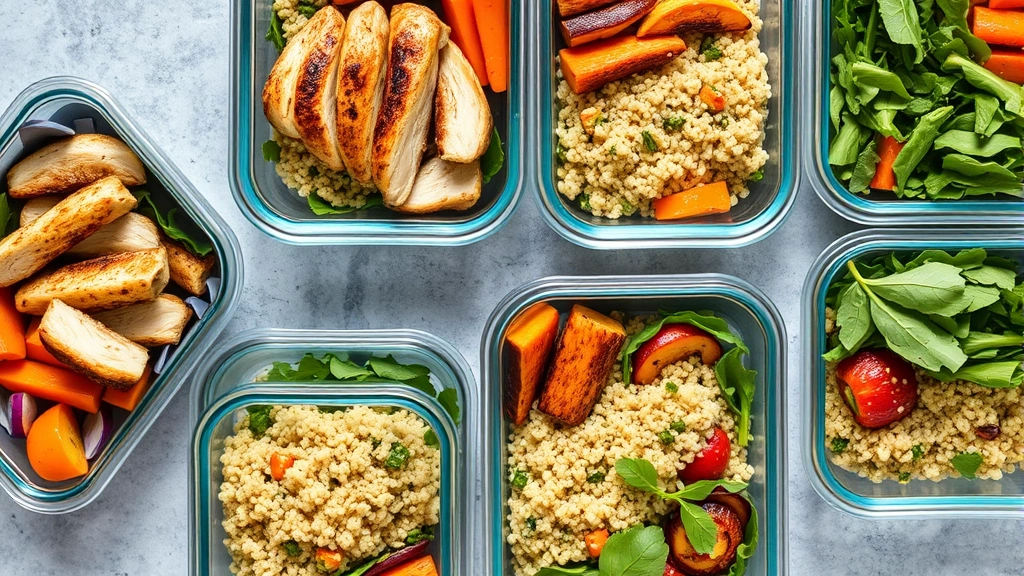
One of the most powerful tools in weight loss is meal planning. When you plan ahead, you make intentional choices rather than relying on convenience or cravings. Dedicate a few hours weekly to preparing components you can mix throughout the week: grilled proteins, roasted vegetables, cooked grains, and healthy sauces. This approach reduces decision fatigue and makes healthy choices the easiest option.
Mindful Eating Practices
How you eat matters as much as what you eat. Eating slowly, without distractions, allows your brain to register fullness signals before you’ve overeaten. These signals take approximately 20 minutes to reach your brain, so slowing down naturally results in consuming less. Eliminate screens during meals, chew thoroughly, and pause between bites to assess your satiety.
Managing Portion Sizes
Understanding appropriate portions is crucial. A serving of protein should be about the size of your palm, a serving of carbohydrates the size of your fist, and healthy fats about the size of your thumb. Using smaller plates, serving from the stove rather than placing serving dishes on the table, and pre-portioning snacks all support appropriate intake.
Strategic Indulgences
Completely eliminating foods you enjoy typically backfires. Instead, plan for occasional indulgences within your calorie goals. If you love pizza or dessert, budget for it. This approach prevents the deprivation mindset that leads to binge eating and supports long-term adherence.
Physical Activity and Movement
While weight loss is primarily driven by nutrition—the saying “you can’t out-exercise a bad diet” has truth to it—physical activity is essential for overall health and supports weight loss efforts through multiple mechanisms.
Cardiovascular Exercise
Regular aerobic activity burns calories, improves heart health, and enhances mood. Aim for at least 150 minutes of moderate-intensity activity weekly. This might include brisk walking, cycling, swimming, or jogging. The best exercise is one you’ll actually do consistently, so choose activities you enjoy. Cordova’s climate and scenery make outdoor activities particularly appealing and sustainable.
Resistance Training
Strength training is often overlooked in weight loss plans, but it’s crucial. Muscle tissue is metabolically active, meaning it burns calories at rest. Building muscle through resistance training increases your baseline metabolic rate, making weight loss easier and more sustainable. Aim for 2-3 sessions weekly targeting major muscle groups.
Daily Movement
Beyond structured exercise, daily movement matters significantly. Taking stairs, parking further away, standing while working, and taking walking breaks all accumulate. These non-exercise activity thermogenesis (NEAT) activities can account for substantial calorie expenditure throughout the day.
Behavioral Changes for Long-Term Success
Weight loss ultimately requires changing the behaviors that led to weight gain. This psychological and behavioral component is often more challenging than the nutritional aspects.
Identifying Triggers
Many people eat in response to emotions rather than hunger. Stress, boredom, loneliness, or fatigue might trigger eating. Identifying your personal triggers is the first step toward addressing them. Keep a log noting not just what you ate, but how you felt before eating. Patterns often emerge that reveal non-hunger eating.
Developing Alternative Coping Strategies
Once you identify triggers, develop alternative responses. If stress triggers eating, might a walk, meditation, or calling a friend address the need more effectively? If boredom drives snacking, could a hobby or activity provide better engagement? Having prepared alternatives makes choosing them more likely when the trigger occurs.
Sleep and Stress Management
Poor sleep disrupts hunger hormones, increasing cravings and reducing satiety signals. Aim for 7-9 hours nightly. Similarly, chronic stress elevates cortisol, which can promote fat storage and increase appetite. Stress management practices—whether exercise, meditation, journaling, or therapy—directly support weight loss goals.
Building Accountability
Working with a weight loss coach or joining a support group provides accountability and motivation. Regular check-ins, whether with a professional or peer group, increase adherence and help you navigate challenges. Many Cordova residents find local weight loss groups or online communities particularly supportive.

Managing Common Weight Loss Challenges
Nearly everyone encounters obstacles during their weight loss journey. Anticipating and preparing for common challenges increases your likelihood of success.
Weight Loss Plateaus
As your body adapts to your new intake and activity level, weight loss often slows or stalls. This is normal and doesn’t indicate failure. Strategies for breaking plateaus include adjusting your calorie intake downward slightly, changing your exercise routine, or examining whether your tracking has become less accurate. Patience is essential—your body doesn’t lose weight linearly.
Social Situations and Dining Out
Social eating is part of life and shouldn’t be eliminated. When dining out, review menus ahead of time, choose grilled proteins and vegetable sides, and ask for dressings and sauces on the side. At social gatherings, eat a small healthy snack beforehand to avoid arriving hungry, and focus on socializing rather than food as the primary activity.
Cravings and Food Noise
Cravings are normal and don’t indicate weakness. Distinguish between physical hunger and cravings. If you’re not actually hungry, the craving typically passes within 10-15 minutes. If you are hungry, eat something nutritious. Occasionally indulging in foods you crave—in controlled portions—prevents the deprivation that leads to overeating.
Managing Medications and Medical Conditions
Some medications affect weight or appetite. Some medical conditions complicate weight loss. If you have thyroid disorders, PCOS, diabetes, or take medications that affect metabolism, work with your healthcare provider and a registered dietitian to develop a plan accounting for these factors. Some individuals benefit from medications like Mounjaro weight loss reviews indicate can support significant results when combined with lifestyle changes.
When to Seek Professional Support
While self-directed weight loss is possible, professional support significantly increases success rates. A registered dietitian can provide personalized nutrition guidance based on your health status, preferences, and goals. Consider professional support if:
- You’ve struggled with weight loss previously and want expert guidance
- You have medical conditions complicating weight loss
- You take medications affecting metabolism or appetite
- You have a history of disordered eating
- You need behavioral support and accountability
- You want to optimize your approach for maximum results
Look for registered dietitian nutritionists (RDN) with credentials from the Academy of Nutrition and Dietetics. They provide evidence-based guidance tailored to your individual circumstances. Many insurance plans cover dietitian services, particularly when referred by your physician for weight management or medical conditions.
Healthcare providers in Cordova can also refer you to appropriate specialists. A weight loss coach or behavioral health specialist might address psychological components of eating and weight management.
FAQ
How quickly should I expect to lose weight?
Healthy, sustainable weight loss is typically 1-2 pounds per week. Rapid weight loss often includes water and muscle loss, making it unsustainable. The slow-and-steady approach, while less dramatic initially, produces better long-term results and is easier to maintain.
Do I need to follow a specific diet to lose weight in Cordova?
No single diet works for everyone. The best diet is one you’ll follow consistently. Whether you choose a low carb diet for weight loss, Mediterranean approach, or balanced macronutrient plan, consistency matters more than the specific framework. Experiment to find what works for your body and lifestyle.
Can I lose weight without exercise?
Weight loss is primarily determined by calorie intake, so technically yes, you can lose weight through diet alone. However, exercise provides crucial benefits: improved cardiovascular health, better mental health, preserved muscle mass, and increased metabolic rate. Combining nutrition changes with physical activity produces superior results.
What’s the role of metabolism in weight loss?
Your metabolic rate—calories your body burns at rest—is influenced by age, sex, muscle mass, genetics, and hormones. While you can’t drastically change your metabolism, you can support it through strength training (building muscle), adequate protein intake, quality sleep, and managing stress. These factors make weight loss easier and more sustainable.
How do I maintain weight loss long-term?
Maintenance requires continuing the habits that produced weight loss. The difference is adjusting your calorie intake upward slightly to match your new body’s needs rather than maintaining a deficit. Continued attention to nutrition, regular physical activity, monitoring your weight, and addressing small gains promptly prevent regain.
Should I consider weight loss medications or supplements?
Some individuals benefit from medications prescribed by their healthcare provider. Prescription medications like Mounjaro weight loss reviews show, can support significant weight loss when combined with lifestyle changes. Most over-the-counter supplements lack robust evidence of effectiveness. Always consult your healthcare provider before starting any medication or supplement.
How can I stay motivated during my weight loss journey?
Motivation naturally fluctuates. Instead of relying on it, build systems and habits that don’t require constant motivation. Set specific, measurable goals. Track progress beyond the scale—energy levels, clothing fit, fitness improvements. Celebrate non-scale victories. Connect with supportive communities. Working with a weight loss coach or accountability partner helps maintain momentum when motivation dips.


