
Top Dog Weight Loss Foods? Vet Recommended
If your furry companion has been struggling with extra weight, you’re not alone. Canine obesity affects millions of dogs worldwide, leading to serious health complications including joint disease, diabetes, and heart problems. The good news? Strategic nutrition changes can transform your dog’s health and lifespan. This comprehensive guide explores the best vet-recommended dog weight loss foods, backed by veterinary science and proven results.
Weight management for dogs isn’t about deprivation—it’s about smart choices. Just as humans benefit from understanding protein intake for sustainable weight loss, dogs thrive when fed nutrient-dense, lower-calorie options that keep them satisfied. Your veterinarian can help determine if your dog needs a structured weight loss program, but selecting the right foods is the foundation of success.
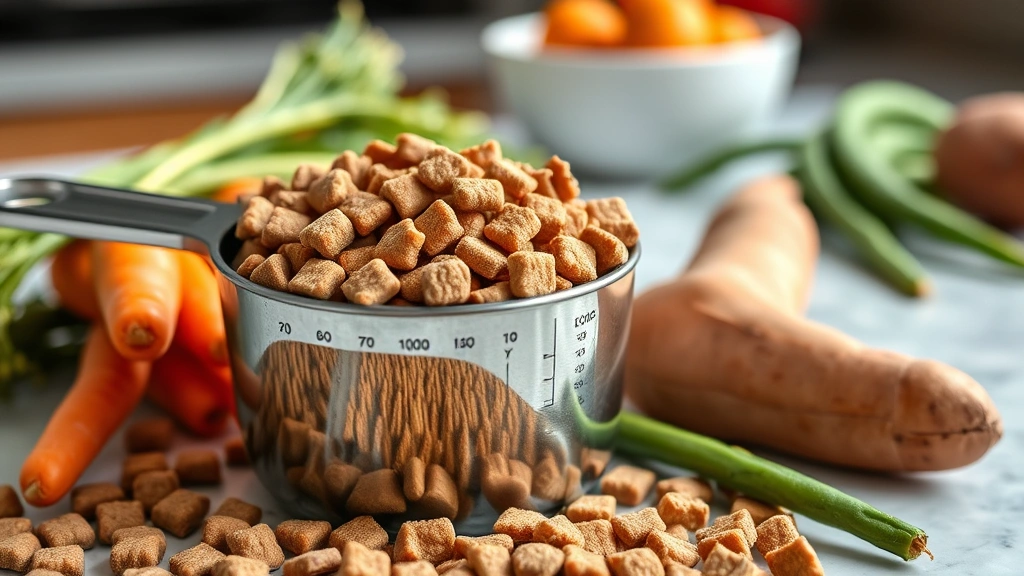
Understanding Canine Weight Loss Fundamentals
Before selecting a weight loss food, understanding how dog metabolism works is essential. Dogs require fewer calories than many pet owners realize. An overweight dog consuming just 25% more calories than needed can gain significant weight over months. According to the Association for Pet Obesity Prevention, nearly 60% of dogs in the United States are overweight or obese.
Weight loss in dogs follows the same basic principle as humans: calories consumed must be less than calories burned. However, dogs can’t choose their meals—you control their nutrition entirely. This means your food selections directly impact their success. The ideal weight loss rate for dogs is approximately 1-2% of body weight per week, achieved through a combination of reduced calorie intake and increased activity.
Your veterinarian should assess your dog’s current weight, ideal weight, age, activity level, and any medical conditions before recommending a specific diet. Calculating daily calorie needs is crucial—a 50-pound dog needing to lose weight might require only 800-1000 calories daily rather than 1200-1400. This is where prescription and therapeutic dog foods excel.

Top Vet-Recommended Weight Loss Dog Foods
Prescription Weight Loss Diets are formulated specifically for overweight dogs and represent the gold standard in veterinary weight management. These foods contain controlled calories while maximizing satiety through increased fiber and protein. Popular prescription options include Hill’s r/d, Royal Canin Weight Management, and Purina DM (Diabetic Management). These formulas often contain higher protein levels to preserve muscle mass during weight loss.
Over-the-Counter Weight Management Formulas provide alternatives for owners seeking non-prescription options. Brands like Purina Pro Plan Focus Weight Management, Iams Weight Control, and Blue Buffalo Weight Management offer reduced-calorie formulas. While not as precisely calibrated as prescription diets, quality OTC options still provide better results than regular maintenance foods. Look for foods with:
- Crude fiber content of 8-12% (promotes fullness without excess calories)
- Protein levels of 18-25% (preserves lean muscle during weight loss)
- Fat content below 10% (reduces overall calorie density)
- Named meat proteins as primary ingredients
Limited Ingredient and Novel Protein Diets work well for dogs with sensitivities that may have contributed to weight gain. When dogs experience digestive issues, inflammation increases and metabolism suffers. Switching to a limited ingredient diet with a novel protein (venison, duck, or kangaroo) can improve digestion and support weight loss. Brands like Taste of the Wild and Wellness CORE focus on whole ingredients without fillers.
Research from veterinary nutrition journals demonstrates that dogs on prescription weight loss diets lose weight twice as fast as those on regular maintenance foods. AAFCO-certified foods guarantee complete and balanced nutrition, ensuring your dog receives essential vitamins and minerals during calorie restriction.
Key Nutrients for Healthy Dog Weight Loss
Protein: The Weight Loss Powerhouse
Protein is non-negotiable during canine weight loss. Unlike carbohydrates and fats, protein requires more energy to digest (thermic effect), increases satiety, and prevents muscle loss. Dogs losing weight need more protein, not less, to preserve lean body mass. A study published in the Journal of the American Veterinary Medical Association found that high-protein, low-carbohydrate diets produced superior weight loss results in overweight dogs without loss of muscle condition.
Fiber: Satiety Without Calories
Soluble and insoluble fiber increase digestive bulk, making dogs feel fuller longer. Fiber slows gastric emptying, stabilizing blood sugar and reducing hunger signals. Weight loss dog foods typically contain 8-12% crude fiber compared to 3-5% in regular maintenance foods. Pumpkin, sweet potato, and beet pulp are natural fiber sources found in quality weight management formulas.
Fat: Less is More
While dogs require essential fatty acids for skin, coat, and organ health, excess dietary fat drives obesity. Fat contains 9 calories per gram compared to 4 calories per gram for protein and carbohydrates. Weight loss foods reduce fat to 5-10% while maintaining adequate omega-3 and omega-6 fatty acids. This approach reduces calorie density without sacrificing nutritional completeness.
Hydration Support
Just as staying hydrated supports human weight loss, proper water intake is essential for dogs. Wet food or adding water to kibble increases volume without calories, promoting satiety. Some weight loss formulas are available in canned versions with higher moisture content, making them ideal for dogs requiring increased water intake.
Micronutrients and Antioxidants
Overweight dogs often have inflammatory conditions. Weight loss foods frequently include antioxidants like vitamins E and C, plus glucosamine for joint support. Many weight management formulas are fortified with L-carnitine, an amino acid that supports fat metabolism, though research on its effectiveness remains mixed.
Homemade Weight Loss Meals for Dogs
Some owners prefer preparing homemade meals for weight management. This approach offers complete control over ingredients but requires careful nutritional planning. Never implement homemade diets without veterinary nutritionist consultation—homemade meals often lack essential nutrients, leading to serious deficiencies.
A balanced homemade weight loss meal typically includes:
- Lean protein (40-50% by weight): Chicken breast, turkey, lean ground beef, or fish
- Complex carbohydrates (30-40%): Brown rice, sweet potato, or oatmeal
- Vegetables (15-20%): Carrots, green beans, broccoli, or peas
- Healthy fats and supplements: Fish oil, and a complete vitamin/mineral supplement formulated for homemade diets
Example recipe: 4 pounds lean ground turkey, 3 cups cooked brown rice, 2 cups steamed carrots, 1 cup green beans, and a veterinary-approved supplement. This yields approximately 4000 calories—a 50-pound dog might receive 800-1000 calories daily in divided portions. Always consult your veterinary nutritionist to ensure recipes meet AAFCO standards for your dog’s specific needs.
Feeding Strategies and Portion Control
Measuring and Portion Consistency
Portion control is where most weight loss programs fail. Owners often underestimate portion sizes or supplement with treats without accounting for calories. Use a kitchen scale rather than eyeballing portions. Your veterinarian should recommend specific daily calorie amounts based on your dog’s ideal weight and activity level. For example, a 50-pound dog with ideal weight of 40 pounds might require 1000 calories daily.
Meal Frequency Strategy
Dividing daily calories into multiple meals (three meals rather than two) can improve satiety and metabolism. Multiple smaller meals prevent excessive hunger between feedings. However, consistency matters more than frequency—choose whatever schedule you’ll maintain long-term.
Treat Management
Treats should comprise no more than 10% of daily calories. A dog on a 1000-calorie diet can safely have 100 calories in treats. Low-calorie options include plain carrots, green beans, and apple slices (all under 5 calories per piece). Eliminate high-calorie human foods entirely—table scraps often sabotage weight loss efforts.
Transition Timeline
Switch to weight loss food gradually over 7-10 days to prevent digestive upset. Mix increasing percentages of new food with old food, gradually shifting the ratio until your dog is eating exclusively the weight loss formula. A sudden dietary change can cause vomiting or diarrhea, which may cause owners to abandon the program.
Monitoring Progress
Weigh your dog weekly at the same time of day, using the same scale. Record weights and photograph your dog from the side monthly to track body condition changes. Your veterinarian should assess body condition score (a 1-9 scale) at each visit. The goal is reaching a score of 4-5 (ideal weight) from the typical overweight score of 7-9.
Exercise and Lifestyle Changes
Diet alone cannot achieve optimal weight loss—exercise is equally important. Structured exercise routines boost metabolism and improve cardiovascular health. Start gradually with overweight dogs, as excess weight stresses joints. A 15-minute walk twice daily is appropriate for most dogs beginning weight loss programs. Gradually increase duration and intensity as fitness improves.
Swimming and hydrotherapy are excellent for overweight dogs with joint problems, providing cardiovascular exercise without joint stress. Even indoor activities like fetch or tug-of-war increase activity levels. The key is consistency—daily movement produces better results than sporadic intense exercise.
Environmental Modifications
Manage your dog’s food environment to support success. Store high-calorie treats out of sight. Don’t leave food bowls accessible throughout the day (free-feeding). Prevent scavenging by supervising outdoor time. When family members understand the weight loss goal, they’re less likely to sneak treats or overfeed.
Medical Considerations
Certain medical conditions complicate weight loss. Hypothyroidism, Cushing’s disease, and other endocrine disorders require treatment before weight loss becomes possible. Your veterinarian should rule out medical causes of obesity before implementing a diet plan. Some medications (like corticosteroids) increase appetite and weight gain—discuss alternatives with your vet if your dog takes these drugs.
FAQ
How long does dog weight loss take?
Healthy weight loss occurs at 1-2% of body weight weekly. A 50-pound dog needing to reach 40 pounds (20% weight loss) typically requires 10-20 weeks of consistent nutrition and exercise. Individual variation exists based on metabolism, age, and activity level.
Can I use regular dog food for weight loss?
Regular maintenance foods contain too many calories for weight loss. You’d need to feed such small portions that your dog would be constantly hungry. Specialized weight loss foods provide better satiety at lower calorie levels, making the diet sustainable. Prescription formulas produce superior results compared to regular food fed in reduced amounts.
What if my dog refuses the weight loss food?
Transition gradually—dogs often reject new foods due to taste differences. Mix small amounts of new food with preferred food, gradually increasing the ratio. Warm the food slightly to enhance aroma. If your dog refuses after a 2-week transition period, discuss alternatives with your veterinarian. Sometimes switching between different weight loss brands works better than a single option.
Are weight loss treats helpful?
Low-calorie treats can support weight loss if they fit within the 10% daily calorie allowance. However, they’re not necessary—plain carrots, green beans, and apples are free or nearly free calories that dogs enjoy. Focus on reducing total calories rather than finding special treats.
Should I use supplements during weight loss?
Quality weight loss foods contain appropriate micronutrients, so additional supplementation isn’t necessary unless your veterinarian recommends it. Some dogs benefit from joint supplements (glucosamine, chondroitin) due to stress from carrying excess weight. L-carnitine supplements lack strong evidence for weight loss in dogs, despite marketing claims.
How do I prevent weight regain after reaching goal weight?
Transition gradually to a maintenance formula with slightly higher calories—typically 10% more than the weight loss diet. Continue measuring portions precisely and maintain the exercise routine. Many owners successfully maintain weight loss by continuing to feed measured portions of weight management food rather than switching to higher-calorie formulas. Monitor weight monthly and adjust calories if regain begins.
Can puppies and senior dogs use weight loss food?
Growing puppies should never be fed weight loss diets—they require higher calories and specific nutrient ratios for development. Senior dogs can use weight loss food if overweight, but may require additional joint support. Work with your veterinarian to select age-appropriate weight management formulas for senior dogs.


