
Do Protein Shakes Aid Weight Loss? Expert Insights
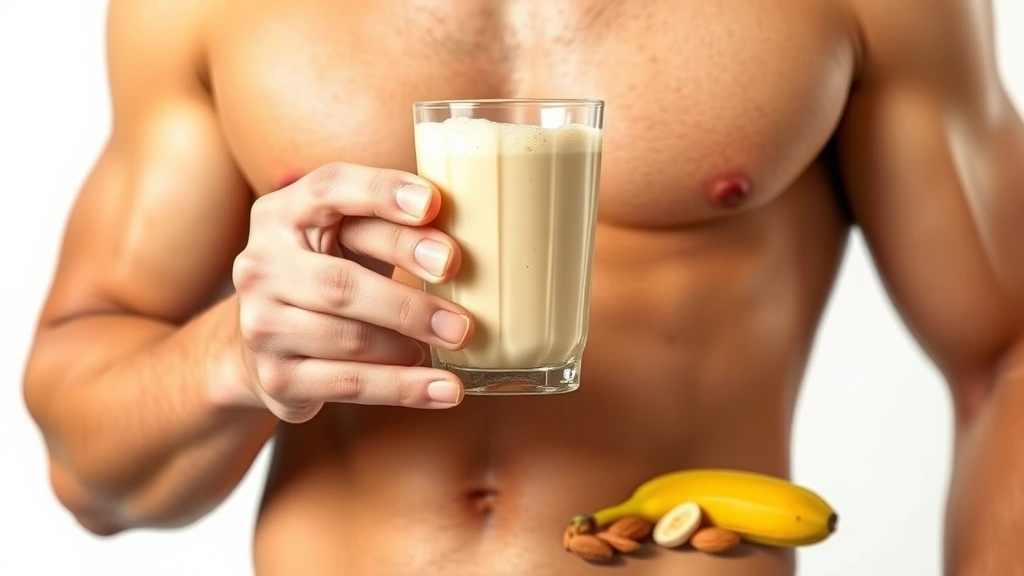
Protein shakes have become a cornerstone of modern weight loss strategies, but the question remains: do they actually work? The short answer is yes—when used strategically as part of a comprehensive approach to weight management. Unlike fad diets that promise overnight results, high protein shakes for weight loss operate through well-documented physiological mechanisms that have been validated by decades of nutritional science.
The weight loss industry is saturated with quick fixes and miracle solutions, yet protein shakes stand apart because they address a fundamental biological challenge: maintaining muscle mass while reducing calorie intake. When you lose weight, your body doesn’t discriminate between fat and muscle—without adequate protein, you risk losing both. This is where high-protein supplementation becomes invaluable, helping preserve lean tissue while you shed unwanted pounds.
This comprehensive guide explores how protein shakes contribute to weight loss, the science behind their effectiveness, and how to integrate them into a sustainable nutrition plan. Whether you’re considering your first shake or optimizing an existing routine, understanding the evidence will help you make informed decisions about your weight loss journey.
How Protein Shakes Support Weight Loss
Protein shakes facilitate weight loss through multiple interconnected mechanisms that work synergistically to support your goals. Unlike simple carbohydrates or fats, protein requires your body to expend significant energy during digestion, absorption, and utilization—a process known as the thermic effect of food (TEF).
The primary advantage of incorporating high protein recipes for weight loss into your routine is that protein is inherently satiating. When you consume adequate protein, your body releases hormones like peptide YY and GLP-1, which signal fullness to your brain. This means you naturally consume fewer calories throughout the day without the constant hunger that plagues many traditional diets.
Research from The Obesity Society demonstrates that individuals consuming higher protein diets experience greater weight loss and better weight maintenance compared to those on lower-protein regimens. The mechanism is straightforward: protein stabilizes blood sugar, reduces cravings, and increases metabolic rate—creating an environment where weight loss becomes sustainable rather than a constant struggle.
The Thermic Effect of Protein
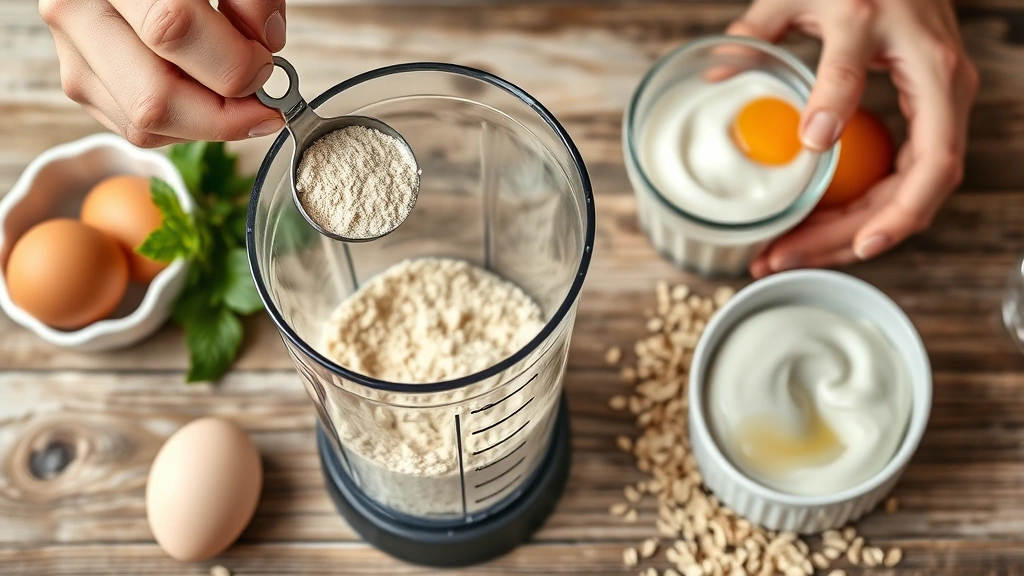
Among macronutrients, protein has the highest thermic effect, meaning your body burns more calories digesting it compared to carbohydrates or fats. Specifically, protein requires approximately 20-30% of its calories to be expended during digestion, compared to just 5-10% for carbohydrates and 0-3% for fats.
This metabolic advantage is substantial when you consider long-term weight loss. If you consume 200 calories from protein, your body uses 40-60 of those calories simply breaking down and processing the protein. Over time, this seemingly small difference compounds into meaningful weight loss acceleration.
When you consume a protein shake containing 30 grams of protein, you’re not simply getting 120 calories—you’re getting a food source that demands metabolic work. Your body must synthesize amino acids, repair muscle tissue, and maintain various physiological functions, all of which increase energy expenditure. This is why weight loss smoothies that emphasize protein content consistently outperform carbohydrate-heavy alternatives in clinical studies.
Appetite Control and Satiety
One of the most underrated benefits of protein shakes is their remarkable ability to suppress appetite. This isn’t anecdotal—it’s backed by substantial neurobiological evidence. When protein reaches your digestive system, it triggers the release of cholecystokinin (CCK) and peptide YY, hormones that communicate satiety signals directly to your hypothalamus.
The practical implication is profound: a single protein shake can eliminate hunger for 3-4 hours, preventing the snacking and impulse eating that derails most weight loss efforts. Many individuals report that drinking a protein shake for breakfast or as a mid-afternoon snack eliminates the need for additional meals or calorie-dense snacks.
Studies examining appetite hormones consistently show that high-protein foods and beverages reduce ghrelin (the hunger hormone) while elevating hormones that promote fullness. This hormonal shift is particularly valuable for individuals struggling with emotional eating or food cravings, as it addresses the biological drivers of overeating rather than relying solely on willpower.
Interestingly, the satiety effect of protein appears dose-dependent. Research suggests that 25-40 grams of protein per serving optimizes fullness signals, making this the target range for effective weight loss shakes. Below this threshold, appetite suppression is less pronounced; above it, additional benefits plateau.
Muscle Mass Preservation During Weight Loss
When calorie restriction occurs without adequate protein intake, your body catabolizes muscle tissue for energy. This is metabolically catastrophic because muscle tissue is metabolically active—it burns calories at rest. Losing muscle during weight loss means your resting metabolic rate decreases, making future weight loss increasingly difficult and weight regain more likely.
High-protein shakes solve this problem by providing amino acids that signal your body to preserve muscle tissue even during calorie deficits. The amino acid leucine, in particular, activates mTOR signaling pathways that promote muscle protein synthesis. This means you can lose fat while maintaining or even building muscle—a scenario that dramatically improves body composition and long-term metabolic health.
Consider the difference between two individuals losing 20 pounds: one loses 15 pounds of fat and 5 pounds of muscle, while the other loses 18 pounds of fat and 2 pounds of muscle. The second individual, supported by adequate protein intake, will have a faster metabolism, better appearance, and superior long-term weight maintenance. This is why best diet for PCOS weight loss protocols emphasize protein as a cornerstone macronutrient.
For individuals engaging in weight loss workout routines at home, protein shakes become even more critical. Resistance training creates microscopic muscle damage that requires amino acids for repair and growth. Without sufficient protein, your training efforts yield minimal muscle development, leaving you with loose skin and poor body composition as you lose weight.
Choosing the Right Protein Shake
Not all protein shakes are created equal, and the market is flooded with products that undermine weight loss goals through excessive sugar, artificial ingredients, and inadequate protein content. Making informed choices requires understanding key nutritional parameters.
Protein Quality and Source: The best protein shakes use whey protein isolate, casein, plant-based blends, or egg white protein. Whey protein isolate contains all nine essential amino acids and has superior bioavailability—meaning your body absorbs and utilizes it efficiently. If you’re dairy-sensitive or vegan, plant-based protein blends (pea, hemp, brown rice) offer comparable benefits when properly combined.
Sugar Content: Many commercial protein shakes contain 15-30 grams of added sugar, which undermines weight loss by spiking insulin and providing empty calories. Choose products with less than 5 grams of added sugar, using stevia, erythritol, or monk fruit as sweeteners instead.
Calorie Density: For weight loss, shakes should contain 150-250 calories per serving. Higher-calorie shakes are designed for muscle-building, not fat loss. Calculate your daily calorie needs to determine how protein shakes fit into your overall calorie budget.
Ingredient Transparency: Avoid products with long lists of unrecognizable ingredients. Look for shakes with simple, whole-food ingredients: protein powder, fiber, and perhaps a few natural flavorings. This is why high protein recipes for weight loss often involve creating your own shakes with basic ingredients you control.
Fiber Content: Shakes containing 5+ grams of fiber provide additional satiety benefits and support digestive health. Fiber slows gastric emptying, prolonging the fullness effect of your protein shake.
Integration Strategies for Maximum Results
Simply drinking protein shakes won’t produce weight loss—they must be strategically integrated into a comprehensive nutrition and lifestyle plan. The following evidence-based strategies maximize their effectiveness.
Meal Replacement Protocol: Using a protein shake to replace a high-calorie meal (particularly breakfast or lunch) creates a straightforward calorie deficit. A typical fast-food lunch contains 800-1200 calories; replacing it with a 200-calorie shake creates an 600-1000 calorie daily deficit—sufficient for 1-2 pounds of weekly weight loss without additional dietary changes.
Snack Substitution: Rather than replacing entire meals, many individuals use protein shakes to replace calorie-dense snacks. A protein shake satisfies afternoon cravings while providing just 150-200 calories, compared to 300-400 calories from typical snack foods. This approach is less aggressive but more sustainable for those who struggle with dramatic dietary changes.
Post-Workout Consumption: Consuming a protein shake within 30-60 minutes after resistance training optimizes muscle protein synthesis. This timing provides amino acids precisely when your muscles are primed to utilize them for repair and growth. This strategy is particularly important when combining weight loss workout routines at home with protein supplementation.
Hydration and Volume: Blend protein shakes with water, unsweetened almond milk, or coconut water rather than juice or sweetened beverages. Increasing the volume of your shake through blending with ice or adding vegetables (spinach, cauliflower) increases satiety without significantly adding calories. This psychological fullness is invaluable for adherence.
Nutrient Timing: Consume protein shakes when hunger is most problematic—typically mid-morning or mid-afternoon. Timing shakes strategically prevents the hunger that leads to poor food choices later. Many individuals find that a protein shake at 3 PM eliminates evening snacking entirely.
Common Mistakes to Avoid
Understanding what not to do is equally important as understanding optimal strategies. These common mistakes undermine protein shake effectiveness.
Excessive Calorie Consumption: The most prevalent error is treating protein shakes as calorie-free beverages. Individuals often drink shakes while maintaining their previous food intake, resulting in a calorie surplus and weight gain. Remember: shakes must replace calories, not add to them.
Neglecting Whole Foods: While protein shakes are convenient, they shouldn’t completely replace whole foods. Whole foods provide fiber, micronutrients, and phytonutrients that shakes cannot replicate. Use shakes as tools within a balanced diet, not as meal substitutes for every eating occasion.
Inadequate Protein Quantity: Shakes containing fewer than 20 grams of protein provide insufficient satiety and muscle-preservation benefits. Aim for 25-40 grams per serving to optimize weight loss mechanisms.
Ignoring Macronutrient Balance: While protein is paramount, don’t ignore carbohydrates and fats entirely. Shakes should contain some healthy fats (from nuts, seeds, or nut butters) and complex carbohydrates (from oats or berries) to provide sustained energy and nutrient density.
Inconsistent Adherence: Weight loss requires consistency. Drinking protein shakes sporadically won’t produce results. Successful individuals integrate shakes into their daily routine, treating them as habitual rather than optional.
Neglecting Exercise: While protein shakes support weight loss through multiple mechanisms, they’re most effective when combined with physical activity. Exercise preserves muscle during weight loss, improves metabolic health, and enhances the psychological benefits of weight loss. Consider combining shakes with weight loss workout routines at home for comprehensive results.
Some individuals wonder about pharmaceutical approaches like tirzepatide dosing for weight loss. While medications can be valuable tools, they work optimally when combined with nutritional strategies like protein supplementation rather than replacing them.
FAQ
How many protein shakes per day should I consume for weight loss?
For most individuals, 1-2 protein shakes daily is optimal. Using shakes to replace 1-2 meals or snacks creates a manageable calorie deficit without making eating feel overly restrictive. Consuming more than 2 shakes daily can lead to nutrient deficiencies and reduced adherence. Individual needs vary based on total calorie requirements and protein goals, typically ranging from 0.8-1.0 grams of protein per pound of body weight.
Can I drink protein shakes if I have lactose intolerance?
Absolutely. Whey protein isolate is processed to remove most lactose, making it suitable for many lactose-intolerant individuals. Additionally, plant-based protein options (pea, hemp, rice) are naturally lactose-free. Casein protein is also an option, though some individuals with severe lactose intolerance may still react. Always check product labels and consider a small test serving first.
Will protein shakes cause weight gain?
Protein shakes themselves don’t cause weight gain—excessive calorie intake does. If shakes are consumed in addition to your normal diet without reducing other calories, weight gain will occur. However, when shakes replace higher-calorie foods or meals, they facilitate weight loss. The key is calorie awareness and intentional substitution.
How long does it take to see weight loss results from protein shakes?
Most individuals notice weight loss within 2-4 weeks of consistent protein shake use combined with appropriate calorie intake. Initial weight loss often includes water weight, with fat loss becoming more apparent after 4-8 weeks. Long-term success requires sustained adherence; protein shakes are tools, not magic solutions. Combine them with weight loss smoothies for variety and consistency.
Are homemade or commercial protein shakes better for weight loss?
Both can be effective; the best choice depends on your preferences and circumstances. Commercial shakes offer convenience and consistency, while homemade shakes provide ingredient control and often cost less. Many individuals use commercial shakes during busy periods and homemade high protein recipes for weight loss when they have time to prepare them. The most effective shake is the one you’ll consistently consume.
Can protein shakes help with weight loss if I have PCOS or other metabolic conditions?
Yes, protein shakes can be particularly beneficial for metabolic conditions. For individuals with PCOS, protein helps stabilize blood sugar and reduce insulin resistance. Explore best diet for PCOS weight loss strategies that emphasize protein as a foundational macronutrient. However, always consult with a registered dietitian to ensure shakes align with your specific metabolic needs.
Should I use protein shakes if I’m not exercising?
Yes, protein shakes support weight loss through appetite control and increased thermic effect, independent of exercise. However, combining shakes with weight loss workout routines at home or other physical activity optimizes body composition and long-term results. Exercise preserves muscle during weight loss and provides metabolic and psychological benefits that enhance adherence.
What’s the difference between protein powder and ready-to-drink shakes?
Protein powder offers flexibility and cost-effectiveness, allowing you to customize shakes with preferred ingredients and liquids. Ready-to-drink shakes provide convenience and precise nutrition information. Both support weight loss equally well; choose based on your lifestyle. Powder is better for customization and cost; ready-to-drink is better for on-the-go consumption and consistency.


