Himalayan Pink Salt: Weight Loss Myth or Fact?
Himalayan pink salt has become a wellness darling, gracing kitchen countertops and supplement shelves with promises of enhanced hydration, mineral balance, and metabolic support. But when it comes to weight loss, the reality is far more nuanced than marketing claims suggest. This mineral-rich salt has captured consumer attention with its distinctive pink hue and origin story, yet scientific evidence for direct weight loss benefits remains limited.
Understanding the relationship between Himalayan pink salt and weight management requires separating genuine nutritional science from popular wellness myths. While this salt does contain trace minerals absent in regular table salt, the quantities are often negligible, and the mechanisms proposed for weight loss don’t hold up under scrutiny. If you’re exploring comprehensive weight loss strategies, consulting an online weight loss doctor can provide personalized guidance beyond trending ingredients.

What Is Himalayan Pink Salt?
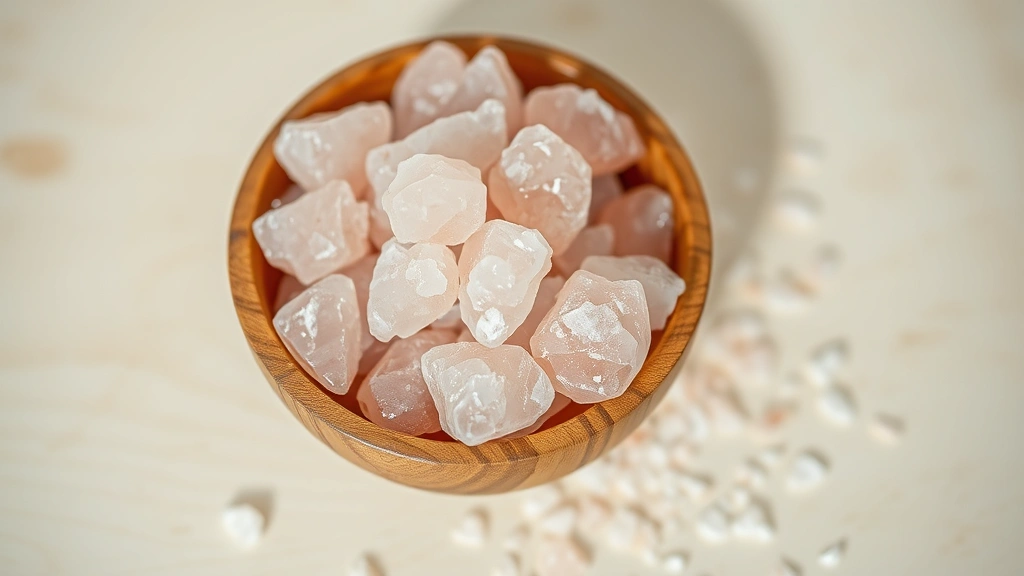
Himalayan pink salt originates from ancient salt deposits in the foothills of the Himalayas, primarily mined in Pakistan. This salt crystallized from prehistoric seas millions of years ago, creating deposits that remain relatively uncontaminated by modern pollutants. The distinctive pink coloration comes from trace minerals including iron oxide, which gives it aesthetic appeal alongside culinary applications.
The salt contains approximately 98% sodium chloride, identical to table salt in its primary composition. The remaining 2% consists of trace minerals such as potassium, magnesium, calcium, and iron. Proponents argue this mineral profile offers advantages over refined table salt, which is stripped of naturally occurring minerals during processing. However, the actual mineral quantities in Himalayan pink salt are extremely small—often measured in parts per million—making meaningful nutritional contributions unlikely when used as a seasoning.
Marketing has positioned Himalayan pink salt as a premium, health-enhancing alternative to conventional salt. This narrative has expanded into weight loss circles, with vendors suggesting metabolic benefits and enhanced mineral absorption. Understanding the distinction between marketing language and scientific evidence is crucial for making informed dietary choices.
Mineral Content and Nutritional Profile
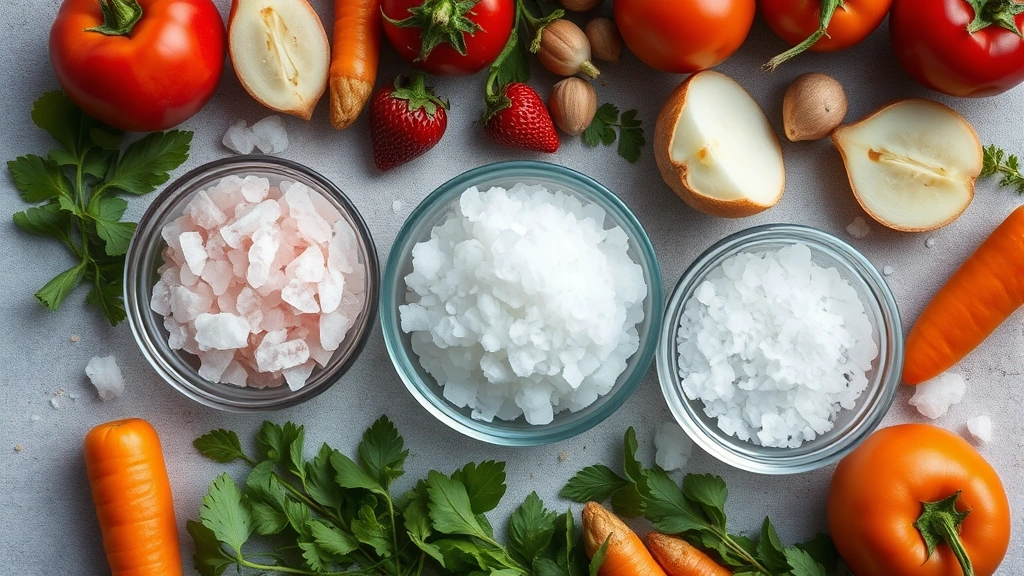
A typical serving of Himalayan pink salt contains negligible amounts of most trace minerals. For context, a single teaspoon of Himalayan salt provides only about 2mg of potassium, while a medium banana contains 400mg. The iron content, responsible for the pink color, exists in such small quantities that it cannot meaningfully contribute to daily iron requirements.
The mineral content varies significantly between mining sources and processing methods. Some Himalayan salt samples contain detectable levels of heavy metals like lead and uranium, though typically within safe consumption ranges. This variability means consumers cannot reliably predict the exact mineral profile of their purchased product.
Comparing Himalayan pink salt to other salt sources reveals minimal practical differences in nutritional value. Sea salt contains similar trace minerals in comparable quantities. The primary distinction remains sodium chloride content, which is essentially identical across all salt varieties. For those seeking mineral supplementation, dedicated mineral supplements or whole food sources provide far more concentrated and reliable nutrient delivery.
The Weight Loss Claims Explained
Several mechanisms are commonly proposed to explain how Himalayan pink salt might support weight loss. The most popular argument suggests that trace minerals enhance metabolic function, increase thermogenesis (calorie burning), or improve hormonal balance related to appetite and fat storage. These claims often lack rigorous scientific foundation.
Another frequently cited claim involves improved hydration and electrolyte balance. Proponents argue that Himalayan salt’s mineral content optimizes cellular hydration, potentially enhancing metabolic efficiency. While electrolyte balance is genuinely important for health, regular table salt provides adequate sodium and chloride for these functions in most people consuming balanced diets.
Some wellness advocates suggest that Himalayan salt reduces cravings or supports thyroid function through iodine content. This claim is particularly problematic because Himalayan pink salt contains minimal iodine compared to iodized table salt. Thyroid dysfunction can affect metabolism, but this salt provides insufficient iodine to support thyroid health—making iodized salt or dietary iodine sources more appropriate choices.
The appeal of these claims lies partly in their simplicity and the desire for easy solutions. Weight loss typically requires sustained dietary changes and lifestyle modifications, not single-ingredient interventions. Marketing that suggests salt alone can meaningfully impact body composition oversimplifies the complex physiology involved.
What Research Actually Shows
Published scientific literature contains no credible studies demonstrating that Himalayan pink salt produces weight loss beyond what standard salt would accomplish. The American Journal of Clinical Nutrition and comparable peer-reviewed publications have not identified unique weight loss mechanisms associated with this salt variety.
Research on salt and weight management consistently shows that sodium intake correlates with fluid retention and blood pressure regulation, not fat loss. A CDC review on sodium intake emphasizes that most Americans consume excessive sodium regardless of source, contributing to hypertension and cardiovascular risk rather than supporting weight loss goals.
Studies examining trace minerals and metabolism focus on minerals like chromium, magnesium, and zinc—all present in Himalayan salt in quantities far below therapeutic doses. For instance, research on magnesium supplementation for metabolic support typically uses 300-400mg daily, while a teaspoon of Himalayan salt provides less than 1mg. The dose simply cannot produce the researched effects.
The absence of supporting evidence doesn’t mean Himalayan salt is harmful when consumed in moderation. It simply means claims about weight loss benefits are unsubstantiated marketing rather than established fact. This distinction matters for consumers making informed dietary choices.
Salt and Metabolism: The Real Connection
Sodium does play a genuine role in metabolism, but not in the way weight loss marketing suggests. Sodium is essential for nerve function, muscle contraction, and fluid balance. The body tightly regulates sodium levels through kidney function and hormonal mechanisms.
Excessive sodium intake can trigger increased thirst and fluid retention as the body attempts to maintain proper osmotic balance. This results in temporary weight gain from water, not fat accumulation. Conversely, severely restricting sodium can impair these essential functions and compromise athletic performance and overall health.
The relationship between salt intake and metabolic rate is indirect and minimal. Some research suggests that very high sodium consumption might temporarily increase thermogenesis by 5-10 calories per day—an effect too small to meaningfully impact weight loss. This minor metabolic boost cannot overcome a caloric surplus from excessive food intake.
Interestingly, adequate sodium intake supports proper thyroid function and hormonal regulation. Severe sodium restriction can actually impair metabolism. The goal for weight management is moderate, balanced sodium intake—not elimination or special salt varieties.
Sodium, Water Retention, and Body Composition
Understanding the distinction between water weight and fat loss is crucial when evaluating salt’s role in weight management. When sodium intake increases, the body retains more fluid to maintain proper electrolyte balance. This can cause scale weight to increase by 2-4 pounds within hours, despite no actual fat gain.
This temporary water retention has led some to suggest that Himalayan salt, being “natural,” causes less water retention than table salt. This claim lacks scientific basis. Sodium chloride is sodium chloride regardless of source. The body’s response to sodium is determined by the sodium ion itself, not the mineral companions traveling with it in trace amounts.
For individuals focused on body composition rather than scale weight, understanding this distinction prevents unnecessary discouragement. A person might lose 5 pounds of fat while gaining 3 pounds of water from increased sodium intake, resulting in a net scale loss of 2 pounds. Conversely, reducing sodium might show a 3-pound scale drop that reflects water loss, not fat loss.
Sustainable weight loss requires a caloric deficit maintained over weeks and months. Temporary water fluctuations from salt intake are normal and expected, not indicators of failed weight loss efforts. This is why comprehensive approaches considering best cardio exercises for weight loss and dietary strategies prove more effective than focusing on individual ingredients.
Safe Salt Consumption for Weight Loss Goals
The American Heart Association recommends limiting sodium to 2,300mg daily, with an ideal target of 1,500mg for optimal blood pressure control. Most Americans exceed these recommendations, consuming 3,400-3,600mg daily. This excessive intake increases cardiovascular disease and stroke risk regardless of salt source.
For weight loss goals, sodium moderation supports better outcomes through several mechanisms. Reducing sodium decreases water retention, helping reveal true fat loss progress. Lower sodium intake often accompanies increased whole food consumption and reduced processed food intake—both supporting caloric deficit achievement.
The type of salt used matters less than total quantity consumed. Whether someone uses Himalayan pink salt, sea salt, or iodized table salt, the health impact depends on total sodium intake and overall dietary patterns. Iodized table salt offers one advantage: it reliably provides iodine, which Himalayan salt does not.
For individuals pursuing weight loss, using any salt variety in moderation as part of a broader dietary strategy is appropriate. The focus should remain on caloric balance, nutrient density, and sustainable eating patterns rather than selecting premium salt varieties with unsubstantiated weight loss claims.
Better Evidence-Based Approaches
If you’re serious about weight loss, evidence-based strategies consistently outperform trending ingredient-focused approaches. Comprehensive programs addressing nutrition, physical activity, and behavioral factors produce superior, sustainable results compared to supplement or ingredient modifications alone.
Medical interventions like GLP-1 weight loss for non-diabetic individuals and medications like Mounjaro weight loss by week represent evidence-based pharmaceutical approaches for eligible candidates. These options work through established physiological mechanisms studied in clinical trials with documented efficacy rates.
Dietary approaches supported by research include protein-focused eating plans, which enhance satiety and preserve muscle during weight loss. High protein recipes for weight loss provide practical implementation of this evidence-based strategy. Combining adequate protein intake with regular physical activity, particularly resistance training, produces superior body composition outcomes.
Behavioral strategies including mindful eating, portion control, stress management, and sleep optimization address the multifactorial nature of weight management. Participating in a weight loss challenge with community support can enhance accountability and motivation.
Professional guidance from registered dietitians or bariatric medicine specialists provides personalized recommendations accounting for individual health status, medications, and metabolic factors. These professionals can identify whether specific minerals or nutrients require supplementation based on individual assessment rather than general recommendations.
FAQ
Does Himalayan pink salt boost metabolism?
No credible evidence supports claims that Himalayan pink salt uniquely boosts metabolism. While sodium is necessary for metabolic function, the body’s response to sodium is identical regardless of salt source. The trace minerals in Himalayan salt exist in quantities too small to produce metabolic effects.
Is Himalayan salt better than regular salt for weight loss?
From a weight loss perspective, Himalayan salt and regular salt are functionally equivalent. Both are primarily sodium chloride with minimal nutritional differences. The primary distinction is that iodized table salt provides reliable iodine, which Himalayan salt does not. Choose based on taste preference and iodine needs rather than weight loss potential.
Can salt intake affect how quickly I lose weight?
Salt intake affects water retention and temporary scale weight fluctuations but does not directly impact fat loss rate. Excessive sodium can increase water retention, masking fat loss progress on the scale. Moderate sodium intake as part of a balanced diet supports optimal weight loss outcomes without special salt varieties.
How much Himalayan salt is safe to consume daily?
Safe daily sodium consumption is 2,300mg or less, with an ideal target of 1,500mg. This applies regardless of salt source. Using any salt variety in moderation for flavoring foods is safe for most people, but excessive intake increases cardiovascular disease risk.
Should I replace my table salt with Himalayan salt for health?
The choice between salt varieties should consider iodine needs and taste preference rather than health benefits. Iodized table salt provides necessary iodine, while Himalayan salt does not. If switching to Himalayan salt, ensure adequate iodine from other sources like seafood, dairy, or eggs.
Are there any proven weight loss benefits to Himalayan salt?
No peer-reviewed scientific studies document weight loss benefits specific to Himalayan pink salt. Marketing claims about metabolic enhancement or mineral-based weight loss lack supporting evidence. Weight loss requires sustained caloric deficit, which no salt variety can independently produce.


