
Pink Salt for Weight Loss? Expert Opinions Inside
Pink Himalayan salt has become a wellness phenomenon, with enthusiasts claiming it supports weight loss, detoxification, and metabolic health. From social media influencers to health blogs, pink salt is marketed as a natural solution for shedding pounds. But does the science support these claims? This comprehensive guide examines what experts actually say about pink salt and weight loss, separating marketing hype from evidence-based facts.
If you’re exploring weight loss strategies, you’ve likely encountered pink salt recommendations alongside diet changes and exercise routines. Understanding whether pink salt genuinely contributes to your weight loss journey requires looking at the research, consulting expert opinions, and learning how to safely incorporate any supplement into your wellness plan. Let’s dive into what registered dietitians and obesity medicine specialists say about this trendy mineral.
What Is Pink Himalayan Salt?
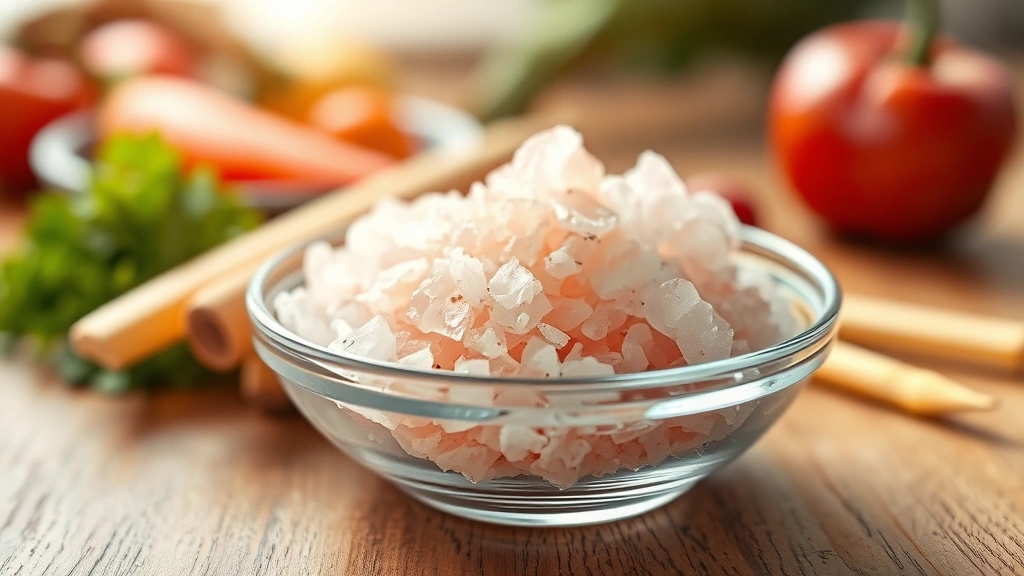
Pink Himalayan salt is mined from ancient salt deposits in the Khewra Salt Mine in Pakistan, located near the Himalayan Mountains. This salt crystallized from prehistoric seas and contains trace minerals including potassium, magnesium, calcium, and iron alongside sodium chloride. The pink hue comes from iron oxide and other mineral compounds present in the salt crystals.
Compared to regular table salt, pink Himalayan salt contains approximately 98% sodium chloride and 2% trace minerals. Table salt, by contrast, is highly refined and often contains anti-caking agents and iodine additives. While the mineral content sounds impressive, the quantities are minimal—you’d need to consume unrealistic amounts of pink salt to obtain meaningful mineral supplementation.
The wellness industry has capitalized on pink salt’s exotic origin and mineral composition, creating an aura of health benefits. Marketing often emphasizes that this salt is “unrefined” and “natural,” implying superiority to conventional salt. However, nutritional science evaluates salt primarily by its sodium content and physiological effects, not its origin story or minor trace minerals.
Pink Salt and Weight Loss: The Claims vs. Reality
Popular claims about pink salt for weight loss include improved metabolism, enhanced hydration, better electrolyte balance, and appetite suppression. Some advocates suggest drinking pink salt water first thing in the morning to “jumpstart” weight loss. Others claim it detoxifies the body and supports hormone balance. Let’s examine each claim through a scientific lens.
Metabolism Myth: There is no scientific evidence that pink salt increases metabolic rate. Metabolism is primarily controlled by thyroid function, muscle mass, age, and genetics. While proper mineral balance supports thyroid function, the trace minerals in pink salt exist in quantities too small to meaningfully impact metabolic rate compared to a balanced diet.
Hydration and Electrolytes: Salt does play a role in hydration and electrolyte balance. However, you don’t need pink salt specifically for this benefit—regular salt provides identical sodium and chloride. The electrolyte balance argument doesn’t explain weight loss; electrolyte management supports cellular function and athletic performance, not fat burning.
Appetite Suppression: Some claim salt water curbs hunger. This may relate to temporary fullness from consuming liquid, but salt itself doesn’t suppress appetite hormones like leptin or ghrelin. Anyone can achieve similar satiety by drinking plain water.
Detoxification Claims: The most problematic claim is that pink salt “detoxifies” the body. Your kidneys and liver handle detoxification. Salt doesn’t enhance this process. In fact, excessive sodium can burden kidney function and increase blood pressure, potentially harming rather than helping health.
The reality: Pink salt does not cause weight loss. Weight loss occurs through a calorie deficit, meaning you consume fewer calories than you burn. While salt can affect water retention temporarily, it doesn’t reduce fat mass. Any initial weight loss from salt water is water weight, which returns when hydration normalizes.
How to Drink Pink Salt Water Safely
If you choose to consume pink salt water despite limited weight loss evidence, understanding safe preparation matters. Here’s what health-conscious individuals should know:
- Concentration: Dissolve ¼ to ½ teaspoon of pink salt in 8-16 ounces of water. Never exceed ½ teaspoon per glass.
- Frequency: Consume no more than one glass daily, and only if you’re not already meeting sodium needs through food.
- Timing: Morning consumption has no special benefit, despite marketing claims. Drink it whenever convenient.
- Quality: Purchase from reputable suppliers. Some pink salt products contain heavy metals or contaminants, though quality varies by brand.
- Individual Needs: People with hypertension, kidney disease, or heart conditions should avoid salt water entirely and consult their healthcare provider.
Many people simply add a pinch of pink salt to their morning water for taste and mineral content without expecting weight loss. This approach is generally safe for healthy individuals, though unnecessary for achieving health goals. The key is not exceeding your total daily sodium recommendation of 2,300 mg per day according to the CDC guidelines.
Expert Medical Opinions on Pink Salt
What do registered dietitians and obesity medicine specialists actually say about pink salt and weight loss? The professional consensus is clear: pink salt is not a weight loss tool.
The Academy of Nutrition and Dietetics, representing over 100,000 credentialed nutrition professionals, does not recommend pink salt as a weight loss strategy. Their evidence-based position emphasizes that sustainable weight loss requires calorie deficit, balanced nutrition, and lifestyle changes—not mineral-enhanced salt.
Obesity medicine specialists point out that marketing pink salt for weight loss can distract people from proven interventions. The American Society of Bariatric Physicians focuses on evidence-based approaches: dietary changes, physical activity, behavioral modification, and when appropriate, medications like GLP-1 receptor agonists. Pink salt doesn’t appear in their clinical guidelines.
Dr. David Katz, director of Yale University’s Yale-Griffin Prevention Research Center, has stated that while salt isn’t harmful in moderation for healthy individuals, it’s not a weight loss solution. He emphasizes that weight management requires addressing overall diet quality, not seeking magic minerals.
The consensus among credentialed professionals: pink salt is neutral for weight loss. It neither helps nor significantly harms weight management when consumed in normal amounts. It’s simply salt with trace minerals—useful for flavor and electrolyte balance, but not a weight loss intervention.
Sodium Intake and Weight Management
Understanding sodium’s relationship to weight is important for realistic expectations. Sodium affects water retention, not fat loss. When you consume extra sodium, your body retains water to maintain osmotic balance. This can cause temporary weight gain on the scale, not actual fat gain.
Conversely, restricting sodium can cause temporary water weight loss. This is why some diets promise rapid initial results—they’re typically low-sodium, causing water loss rather than fat loss. Once you resume normal sodium intake, water weight returns.
For sustainable weight management, sodium intake should be moderate and consistent. Extreme restriction is unnecessary and can deplete electrolytes. For most people, simply using salt in moderation (rather than excess) supports both cardiovascular health and stable water retention.
If you’re interested in comprehensive metabolic health, explore weight loss and metabolic syndrome understanding to learn how various factors interact. Additionally, combining proper nutrition with best cardio exercises for weight loss creates real, sustainable results that pink salt cannot provide.
Real Weight Loss Strategies That Actually Work
Rather than pursuing pink salt, evidence-based weight loss approaches include:
- Calorie Deficit: Consume fewer calories than you burn. This is the fundamental requirement for fat loss. Track intake using apps or food journals to maintain awareness.
- Protein Intake: Consume adequate protein (0.7-1.0g per pound of body weight). Protein increases satiety, preserves muscle during weight loss, and has a higher thermic effect than carbohydrates or fats.
- Whole Food Emphasis: Prioritize vegetables, fruits, whole grains, legumes, and lean proteins. These foods are nutrient-dense and lower in calories than processed alternatives. Try smoothies for weight loss recipes to increase fruit and vegetable intake conveniently.
- Regular Exercise: Combine resistance training with cardio. Best time of day to exercise for weight loss varies individually, but consistency matters more than timing. Aim for 150 minutes of moderate cardio weekly plus 2-3 strength sessions.
- Sleep and Stress: Poor sleep disrupts hunger hormones, increasing appetite and cravings. Aim for 7-9 hours nightly. Similarly, chronic stress elevates cortisol, which can promote weight gain.
- Hydration: Drink adequate water—plain water is perfectly effective. Proper hydration supports metabolism, reduces thirst-related eating, and aids kidney function.
- Medical Support: For some individuals, GLP-1 weight loss for non-diabetic individuals may be appropriate under medical supervision. These medications genuinely reduce appetite and support weight loss when combined with lifestyle changes.
These strategies have extensive research support. Thousands of clinical trials demonstrate their effectiveness. Pink salt has none of this evidence.

Potential Risks and Contraindications
While pink salt is generally safe in normal amounts, certain populations should avoid it:
- Hypertension: People with high blood pressure should limit sodium intake. Excess salt can raise blood pressure and increase cardiovascular disease risk. Consult your doctor before adding salt water to your routine.
- Kidney Disease: Damaged kidneys struggle to regulate sodium. Excessive intake can worsen kidney function and increase blood pressure.
- Heart Failure: Sodium restriction is often recommended for heart failure management. Salt water is contraindicated.
- Pregnancy: While some sodium is necessary during pregnancy, excessive intake can contribute to preeclampsia risk. Pregnant women should consult their healthcare provider.
- Medications: Certain medications interact with sodium or electrolyte balance. Always inform your doctor about dietary supplements or changes.
- Edema: People prone to fluid retention or swelling should avoid excessive salt intake.
Additionally, some pink salt products contain contaminants. A 2018 analysis found certain brands contained elevated levels of heavy metals. Purchase from reputable companies with third-party testing if you choose to use pink salt.
FAQ
Is pink salt better than regular salt for weight loss?
No. Both pink and regular salt contain nearly identical sodium chloride content. Neither causes weight loss. The trace minerals in pink salt are present in quantities too small to affect metabolism or fat burning. For weight loss purposes, they’re nutritionally equivalent.
How much pink salt should I drink daily?
If you choose to consume pink salt water, limit it to one 8-16 ounce glass daily with ¼ to ½ teaspoon dissolved salt. Don’t exceed this amount, and ensure your total daily sodium intake remains below 2,300 mg from all food sources combined.
Can pink salt water suppress appetite?
Any liquid can create temporary fullness. Plain water achieves identical appetite suppression without sodium. Salt itself doesn’t affect appetite-regulating hormones like leptin or ghrelin.
Do I need pink salt if I exercise regularly?
For most people exercising in normal conditions, salt from food is sufficient for electrolyte balance. Endurance athletes exercising over 60-90 minutes in heat may benefit from electrolyte replacement, but sports drinks or electrolyte powders are more appropriate than salt water, as they contain balanced electrolytes and carbohydrates.
Will pink salt detoxify my body?
No. Your liver and kidneys handle detoxification. Salt doesn’t enhance this process. Claims about salt “detoxifying” lack scientific basis. In excess, salt actually burdens kidneys rather than supporting them.
Is pink salt safe for people with hypertension?
People with high blood pressure should avoid adding extra salt to their diet, including pink salt water. Even “natural” salt raises blood pressure through sodium content. Consult your healthcare provider before consuming salt supplements.
Can I combine pink salt with other weight loss methods?
Combining pink salt with proven methods like calorie deficit and exercise won’t hurt, but the salt contributes nothing to weight loss. Focus your energy on the evidence-based strategies that actually work: nutrition, exercise, and behavioral changes.
What do scientific studies say about pink salt and weight loss?
Credible scientific studies don’t support pink salt for weight loss. Research on salt generally focuses on its cardiovascular effects, not weight management. The absence of positive research, combined with physiological understanding that salt doesn’t affect fat burning, indicates pink salt is not a weight loss tool.


