Is Shrimp Good for Weight Loss? Nutritionist Insight
When you’re working toward sustainable weight loss, choosing the right proteins becomes one of your most powerful tools. Shrimp stands out as an exceptional option that many nutritionists recommend to clients seeking to shed pounds while maintaining muscle mass and feeling satisfied. But what makes shrimp such a compelling choice for weight management, and how can you incorporate it into your daily eating patterns for optimal results?
Shrimp offers a unique nutritional profile that aligns remarkably well with weight loss goals. It’s incredibly lean, naturally low in calories, and packed with protein—a combination that supports satiety, metabolic health, and body composition. Whether you’re following a specific meal plan for weight loss or simply making smarter protein choices, understanding shrimp’s benefits can transform how you approach your nutrition strategy.
This comprehensive guide explores the science behind shrimp’s weight loss benefits, practical ways to prepare it, potential considerations, and how it fits into a holistic approach to sustainable weight management.
Shrimp’s Nutritional Profile for Weight Loss
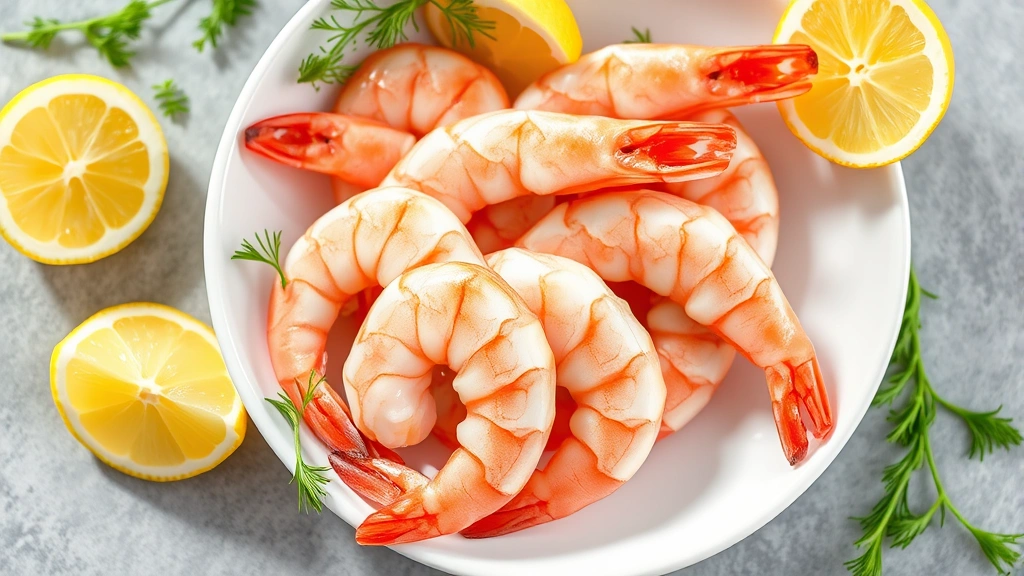
Shrimp is remarkably nutrient-dense while remaining extraordinarily low in calories. A 3-ounce (85-gram) serving of cooked shrimp contains approximately 84 calories, 18 grams of protein, and less than 1 gram of fat. This exceptional macronutrient distribution makes shrimp one of the leanest animal proteins available, rivaling even skinless chicken breast in caloric efficiency while offering distinct nutritional advantages.
Beyond basic macronutrients, shrimp delivers an impressive array of micronutrients essential for metabolic function and overall health during weight loss. It’s an excellent source of selenium, a mineral that supports thyroid function—crucial since thyroid health directly influences metabolic rate. Shrimp also provides significant amounts of vitamin B12, which plays a vital role in energy metabolism and red blood cell formation. The presence of astaxanthin, a powerful antioxidant that gives shrimp its characteristic pink color, offers anti-inflammatory benefits that support overall wellness during your weight loss journey.
Cholesterol content in shrimp has long been a point of concern, but modern research from registered dietitian associations confirms that dietary cholesterol has minimal impact on blood cholesterol levels for most people. The American Heart Association notes that shrimp’s minimal saturated fat content actually makes it heart-healthy despite its cholesterol presence.
The mineral profile of shrimp deserves special attention. It contains substantial amounts of phosphorus, zinc, and copper—minerals that support bone health, immune function, and connective tissue integrity. These nutrients become particularly important during weight loss when proper nutrition helps preserve muscle mass and maintain metabolic health.
[IMAGE_1]
Why Protein-Rich Foods Support Weight Loss
Understanding why shrimp works so effectively for weight loss requires examining the science of protein and satiety. Protein has the highest thermic effect of all macronutrients, meaning your body burns more calories digesting and processing protein compared to carbohydrates or fats. This phenomenon, called diet-induced thermogenesis, can increase your daily calorie expenditure by 20-30% of the calories consumed from protein alone.
When you include shrimp as a primary protein source, you’re activating multiple mechanisms that support weight loss:
- Enhanced satiety: Protein signals fullness to your brain more effectively than other macronutrients, reducing overall calorie intake throughout the day
- Reduced hunger hormones: Adequate protein suppresses ghrelin (the hunger hormone) while elevating peptide YY, a hormone that promotes fullness
- Preserved muscle mass: During weight loss, sufficient protein intake protects lean muscle tissue, which maintains your metabolic rate
- Stable blood sugar: Protein slows carbohydrate absorption, preventing blood sugar spikes that trigger cravings and energy crashes
- Improved body composition: Higher protein intake supports fat loss while preserving muscle definition
Clinical research published in obesity medicine journals consistently demonstrates that individuals consuming adequate protein achieve better weight loss outcomes and improved weight maintenance compared to those on lower-protein diets. When shrimp serves as your protein vehicle, you’re benefiting from these scientifically-proven advantages without excess calories or unhealthy fats.
How Shrimp Compares to Other Proteins
To truly appreciate shrimp’s value for weight loss, comparing it side-by-side with other protein sources reveals why nutritionists frequently recommend it. Here’s how shrimp stacks up nutritionally:
Shrimp (3 oz cooked): 84 calories, 18g protein, 0.9g fat
Skinless chicken breast (3 oz cooked): 100 calories, 26g protein, 2.2g fat
Salmon (3 oz cooked): 175 calories, 19g protein, 11g fat
Lean ground beef (3 oz cooked): 180 calories, 20g protein, 10g fat
Canned tuna in water (3 oz): 99 calories, 22g protein, 0.7g fat
While chicken breast provides slightly more protein per serving, shrimp offers a superior calorie-to-protein ratio and minimal fat content. This makes shrimp particularly valuable when you’re aiming for a significant calorie deficit while maintaining protein intake. Additionally, shrimp’s lower fat content means you can consume larger portions for the same calories, which psychologically supports adherence to your weight loss plan.
Unlike salmon, which provides beneficial omega-3 fatty acids but higher calories, shrimp delivers lean protein without the extra caloric load. This doesn’t mean salmon is inferior—both proteins serve different purposes in a balanced diet. However, if calorie restriction is your primary concern, shrimp offers unmatched efficiency.
Metabolic Advantages of Shrimp
Beyond basic macronutrient composition, shrimp provides specific compounds that support metabolic health during weight loss. Astaxanthin, the carotenoid responsible for shrimp’s pink color, functions as a potent antioxidant with unique metabolic benefits. Research suggests astaxanthin may improve insulin sensitivity and support insulin resistance improvement, which directly impacts fat storage and utilization.
The amino acid profile of shrimp deserves mention as well. Shrimp contains all nine essential amino acids, making it a complete protein. Notably, it’s particularly rich in taurine, an amino acid that supports cardiovascular health and may enhance fat metabolism. Leucine, another amino acid prominent in shrimp, plays a crucial role in activating mTOR—a cellular pathway essential for muscle protein synthesis and metabolic regulation.
Shrimp’s mineral content supports metabolic processes at the cellular level. Selenium acts as a cofactor for glutathione peroxidase, an enzyme that protects cells from oxidative damage—particularly important during weight loss when metabolic stress increases. Zinc supports immune function, which often becomes compromised during calorie restriction, and copper contributes to energy production through its role in mitochondrial function.
When incorporated into a structured healthy meal plan, shrimp’s metabolic benefits compound. The combination of high protein, low calories, and micronutrient density creates an optimal environment for fat loss while preserving metabolic health.
Healthy Preparation Methods
How you prepare shrimp determines whether it remains a weight-loss-friendly food or becomes calorie-dense. The beauty of shrimp lies in its versatility—it cooks quickly and absorbs flavors beautifully without requiring added fats.
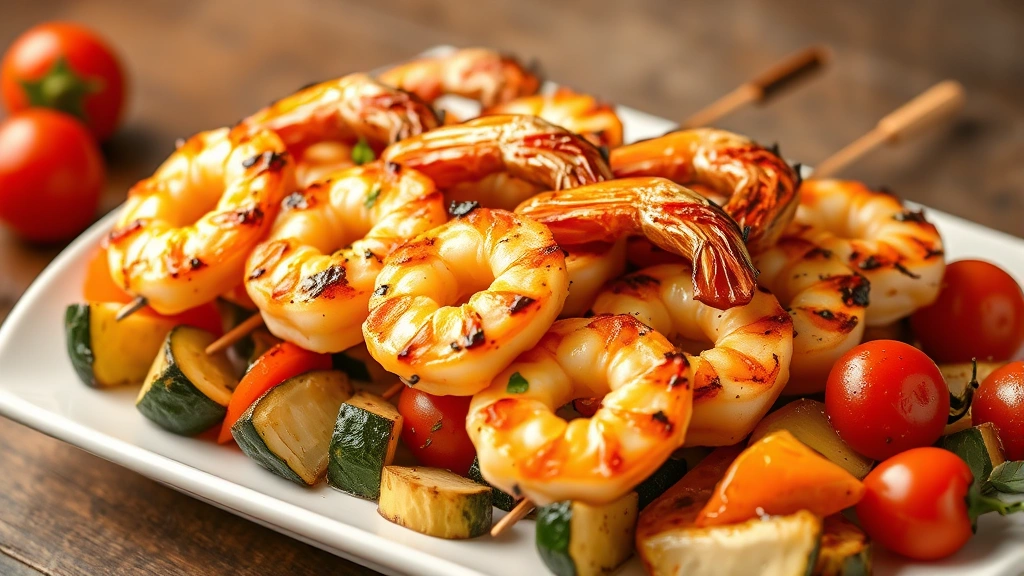
Grilling: One of the best preparation methods, grilling shrimp requires minimal added fat. Simply season with herbs, lemon, and spices, then grill for 2-3 minutes per side. This method develops natural flavors without compromising nutritional integrity.
Steaming: Steaming preserves all nutrients while keeping shrimp incredibly tender. Place shrimp in a steamer basket with aromatics like ginger, garlic, and green onions for maximum flavor with zero added calories.
Baking: Preheat your oven to 400°F, arrange shrimp on a parchment-lined baking sheet, season generously, and bake for 8-10 minutes. This hands-off method yields perfectly cooked shrimp without added fat.
Stir-frying: Use a non-stick pan or minimal cooking spray with abundant vegetables. Shrimp cooks in just 2-3 minutes, perfect for quick, nutritious meals. Add low-sodium soy sauce, garlic, and ginger for robust flavor.
Boiling: While some nutrients leach into water, boiling remains a healthy option. Boil shrimp in seasoned broth, then use the flavorful cooking liquid as a base for soups.
Methods to avoid: Deep-frying, butter-heavy preparations, and cream-based sauces transform shrimp into a calorie bomb. Restaurant preparations often use excessive oil and salt—request grilled or steamed options instead.
Practical Meal Ideas and Recipes
Incorporating shrimp into your daily eating requires creativity and planning. Here are practical meal ideas that align with weight loss goals:
Breakfast: Shrimp and vegetable egg white scramble with bell peppers, spinach, and mushrooms. The combination of lean protein and vegetables provides sustained energy and satiety throughout the morning.
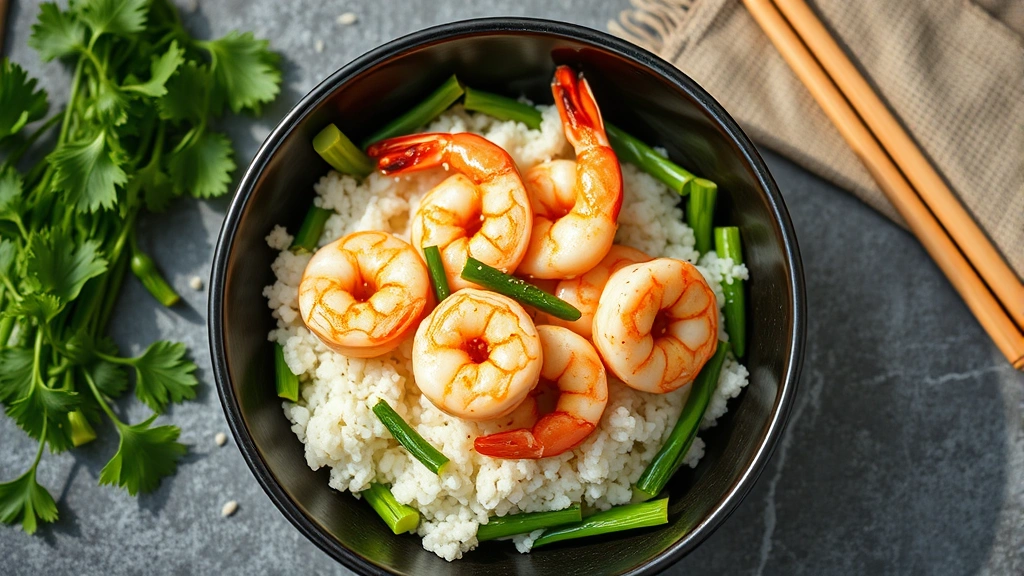
Lunch: Shrimp and cauliflower rice bowl with roasted broccoli, snap peas, and a sesame-ginger dressing using rice vinegar and minimal oil. This meal delivers substantial volume with minimal calories.
Dinner: Grilled shrimp with roasted asparagus and a side of sweet potato. This balanced meal provides protein, vegetables, and complex carbohydrates for post-workout recovery.
Snacks: Cold shrimp with cocktail sauce made from tomato sauce and horseradish (minimal calories, maximum flavor). Pre-cook shrimp in bulk and portion into containers for convenient, protein-rich snacking.
Salads: Combine grilled shrimp with mixed greens, cucumber, tomatoes, and a light vinaigrette. Large salads with shrimp provide exceptional volume for minimal calories—psychologically supportive during weight loss.
These meal ideas integrate naturally with exercise routines, providing adequate protein for recovery and sustained energy. Shrimp’s quick cooking time makes it ideal for busy schedules, reducing reliance on processed convenience foods.
Important Considerations and Concerns
Sodium content: While shrimp itself is relatively low in sodium, it’s often treated with sodium-based preservatives during processing. Choose fresh or flash-frozen shrimp without added sodium when possible. If using treated shrimp, rinse thoroughly before cooking and avoid additional salt.
Sustainability and sourcing: Shrimp farming practices vary globally, with some operations employing unsustainable methods. Seek shrimp certified by organizations like the Aquaculture Stewardship Council (ASC) or choose wild-caught varieties from sustainable fisheries. This decision impacts both environmental health and nutritional quality.
Allergies and sensitivities: Shellfish allergies are among the most common food allergies. If you have any history of allergic reactions to shellfish, avoid shrimp entirely. Cross-contamination in restaurants and food facilities can pose serious risks.
Cholesterol concerns: While shrimp contains dietary cholesterol, clinical evidence from registered dietitian organizations confirms this doesn’t significantly impact blood cholesterol for most people. However, individuals with familial hypercholesterolemia should consult healthcare providers before consuming high-cholesterol foods regularly.
Portion control: Despite shrimp’s weight-loss benefits, portion control remains essential. Aim for 3-4 ounces per meal as your primary protein source, combined with abundant vegetables and moderate complex carbohydrates.
Preparation environment: Ensure proper food safety by cooking shrimp to an internal temperature of 145°F, storing it properly, and using it within 2 days of purchase (or within 3-4 months if frozen).
Additionally, consider how shrimp fits into your overall weight loss and progress tracking strategy. While shrimp is nutrient-dense, sustainable weight loss requires consistent calorie deficit, adequate exercise, quality sleep, and stress management.
FAQ
How much shrimp should I eat daily for weight loss?
Aim for 3-4 ounces of cooked shrimp per meal, up to twice daily. This provides approximately 150-200 calories and 36-72 grams of protein—substantial protein intake without excessive calories. Adjust based on your overall calorie goals and activity level. Consulting with a registered dietitian helps personalize recommendations for your specific situation.
Is frozen shrimp as healthy as fresh?
Flash-frozen shrimp is nutritionally equivalent to fresh shrimp and often fresher than “fresh” shrimp sold in markets (which may have been frozen previously). Choose frozen shrimp without added sodium or preservatives. Thaw in the refrigerator overnight before cooking.
Can I eat shrimp every day during weight loss?
Yes, shrimp can be consumed daily as part of a varied diet. However, dietary diversity ensures you receive a complete spectrum of nutrients. Rotate shrimp with other lean proteins like chicken, fish, and plant-based options to maintain nutritional balance and prevent dietary boredom.
What’s the best way to prepare shrimp for weight loss?
Grilling, steaming, baking, or stir-frying with minimal added fat are optimal methods. Avoid deep-frying, buttery preparations, and cream sauces. Season generously with herbs, spices, lemon, and vinegar instead of added fats for maximum flavor with minimal calories.
Does shrimp interfere with weight loss medications?
Shrimp doesn’t typically interact with weight loss medications. However, if you’re taking medications like orlistat or GLP-1 receptor agonists, discuss your dietary approach with your prescribing physician to ensure optimal medication efficacy and nutritional status.
How does shrimp compare to plant-based proteins for weight loss?
Shrimp provides complete protein with all nine essential amino acids, while many plant-based proteins require combining multiple sources for completeness. Shrimp’s calorie-to-protein ratio is superior to most plant proteins. However, plant-based options offer fiber and phytonutrients. Incorporating both creates optimal nutritional diversity.
Is shrimp beneficial for weight loss if I have diabetes?
Shrimp is excellent for diabetic weight loss. Its high protein and minimal carbohydrates prevent blood sugar spikes. The potential benefits for improving insulin resistance make shrimp particularly valuable. Consult your endocrinologist or registered dietitian to integrate shrimp optimally into your diabetes management plan.
Can shrimp support muscle building during weight loss?
Absolutely. Shrimp’s complete amino acid profile, particularly its leucine content, supports muscle protein synthesis. Combined with resistance training and adequate overall protein intake, shrimp helps preserve and build muscle during caloric deficit—resulting in superior body composition outcomes.
How does shrimp fit into popular weight loss programs?
Shrimp aligns excellently with most evidence-based approaches. It’s permitted and encouraged in low-carb, high-protein, and Mediterranean diet frameworks. Its nutrient density supports any sustainable meal plan structure you choose.
What external resources provide more information about shrimp and weight loss?
The Academy of Nutrition and Dietetics provides evidence-based nutrition information. The CDC’s nutrition resources offer comprehensive dietary guidance. The American Society for Bone and Mineral Research discusses protein’s role in bone health during weight loss. The American Society of Plastic Surgeons provides information about body composition changes during weight loss. Research published in Nutrients and the American Journal of Clinical Nutrition offers peer-reviewed studies on protein and weight management.


