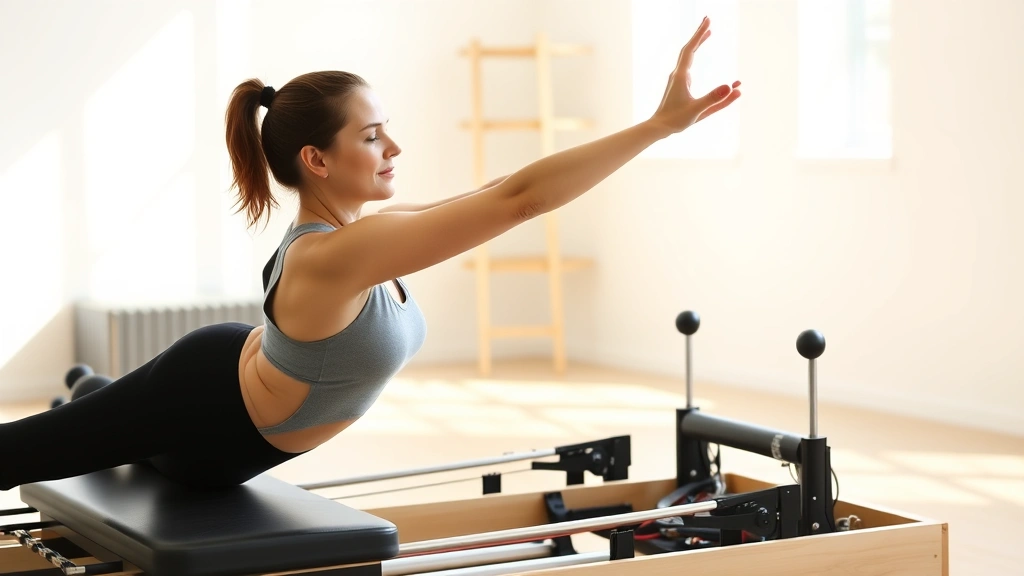
Pilates for Weight Loss? Expert Insights on Effectiveness and Results
Pilates has become increasingly popular as a fitness method, with many people turning to it hoping to shed pounds and achieve their weight loss goals. But does this low-impact exercise actually deliver on its weight loss promises? The answer is more nuanced than a simple yes or no. While pilates offers significant benefits for strength, flexibility, and core stability, its direct impact on weight loss depends on several factors including intensity, consistency, and how it fits into your overall lifestyle.
If you’re considering pilates as part of your weight loss journey, understanding its true capabilities—alongside proper nutrition and other forms of exercise—is essential. This guide explores what the research actually shows about pilates and weight loss, helping you make an informed decision about whether it’s the right fit for your goals.

Does Pilates Burn Calories and Lead to Weight Loss?
Pilates can contribute to weight loss, but it’s important to have realistic expectations. A typical 60-minute pilates class burns approximately 200-300 calories for an average person, depending on body weight, age, and intensity level. While this is a meaningful calorie expenditure, it’s lower than high-intensity cardio exercises like running or cycling, which can burn 400-600+ calories in the same timeframe.
The key principle behind weight loss remains constant: you must create a calorie deficit by consuming fewer calories than you burn. Pilates can certainly help create this deficit when combined with proper nutrition. Studies published in the Journal of Obesity Research show that participants who combined pilates with dietary changes experienced modest but measurable weight loss over 8-12 weeks.
However, pilates alone without dietary modifications typically won’t produce significant weight loss. Many people find that combining weight loss workout routines at home that include pilates with cardiovascular exercise yields better results. The most effective approach involves treating pilates as one component of a comprehensive weight loss strategy rather than as a standalone solution.

How Pilates Compares to Other Exercises
Understanding where pilates fits in the exercise landscape helps clarify its weight loss potential. Different forms of exercise offer distinct benefits:
- Running and Jogging: Burn 400-600+ calories per hour; excellent for cardiovascular health and calorie expenditure
- High-Intensity Interval Training (HIIT): Burns 300-500 calories per hour with afterburn effect; boosts metabolism temporarily
- Weight Training: Burns 200-400 calories per hour; builds lean muscle mass that increases resting metabolism
- Pilates: Burns 200-300 calories per hour; builds core strength and improves body composition through muscle development
- Walking: Burns 150-250 calories per hour; sustainable and accessible for most people
This comparison reveals that pilates isn’t the most efficient calorie-burning exercise, but it excels in other areas. The real advantage comes from pilates’ ability to build and tone lean muscle tissue. Since muscle is metabolically active, increasing your muscle mass through pilates can slightly elevate your resting metabolic rate—the calories you burn at rest.
Research from the American College of Sports Medicine suggests that the best approach for sustainable weight loss combines multiple exercise modalities. Many fitness professionals recommend pairing pilates with higher-intensity cardio and strength training for optimal results.
The Role of Intensity and Consistency
One critical factor that determines whether pilates contributes meaningfully to weight loss is intensity. There’s a significant difference between a gentle, beginner-level pilates class and an advanced reformer session performed with maximum effort.
Low-Intensity Pilates: Beginner mat pilates classes that focus on form and controlled movements typically burn 150-200 calories per hour. These classes are excellent for building foundational strength and are accessible to most people, but they produce minimal calorie burn.
High-Intensity Pilates: Advanced classes using reformer machines, with increased resistance and faster-paced movements, can burn 300-400+ calories per hour. Adding plyometric elements and cardiovascular bursts increases the metabolic demand significantly.
Consistency matters equally as intensity. Practicing pilates three times per week for three months will produce better body composition changes than sporadic sessions. The cumulative effect of regular pilates includes improved posture, increased core stability, and enhanced muscle tone—all of which contribute to a more sculpted appearance even before significant weight loss occurs.
Many people report feeling stronger and looking leaner after consistent pilates practice, even if the scale doesn’t move dramatically. This body recomposition—losing fat while gaining muscle—is a valuable outcome that pure weight loss numbers don’t capture.
Pilates and Metabolism: What the Science Says
A common claim about pilates is that it significantly boosts metabolism. The reality is more modest. While pilates does increase muscle mass, the metabolic boost from pilates alone is relatively small—approximately 6 calories per pound of muscle gained per day.
Research published in the American Journal of Physiology indicates that resistance training and strength-building exercises like pilates increase metabolic rate, but the effect is most pronounced when combined with higher-intensity activities. A study following pilates practitioners over 12 weeks found that those who also incorporated cardiovascular exercise and maintained a modest calorie deficit experienced the best outcomes.
The metabolic benefits of pilates extend beyond simple calorie burning. Regular pilates practice improves insulin sensitivity, which helps your body manage blood sugar more effectively. This metabolic improvement can reduce cravings and support long-term weight management. Additionally, pilates reduces cortisol levels—the stress hormone linked to abdominal fat storage—potentially helping you lose weight more efficiently around the midsection.
For sustainable weight loss, understanding your percent weight loss calculator metrics alongside metabolism changes provides a complete picture of your progress beyond what the scale reveals.
Combining Pilates with Nutrition for Better Results
The most successful weight loss outcomes occur when exercise is paired with intentional nutrition changes. Pilates practitioners who also optimize their diet experience significantly better results than those relying on exercise alone.
Nutrition strategies that complement pilates practice include:
- Adequate Protein Intake: Consuming sufficient protein supports muscle recovery and growth from pilates workouts. Many people find that protein shakes for weight loss provide a convenient way to meet daily protein targets while managing calories.
- Balanced Whole Foods: Emphasizing vegetables, whole grains, lean proteins, and healthy fats creates a sustainable calorie deficit without extreme restriction.
- Hydration: Proper hydration supports metabolism and helps distinguish true hunger from thirst, reducing unnecessary calorie consumption.
- Timing of Meals: Eating balanced meals before and after pilates sessions provides energy for workouts and supports recovery.
- Nutrient-Dense Options: Incorporating weight loss smoothie recipes with vegetables, fruits, and protein creates satisfying, low-calorie meals.
Research from registered dietitian organizations confirms that the combination of exercise and dietary modification produces weight loss that’s three to four times greater than either approach alone. If you’re serious about weight loss results, consulting with an online weight loss doctor can provide personalized guidance on nutrition alongside your pilates practice.
Real-World Success: When Pilates Works Best
Pilates proves most effective for weight loss in specific scenarios. Understanding when pilates shines helps you optimize your approach:
For Beginners: People new to structured exercise often find pilates accessible and enjoyable, increasing adherence. The low-impact nature prevents injury, allowing consistent practice that accumulates over time. A beginner who practices pilates three times weekly for six months, combined with modest dietary changes, typically experiences 10-15 pounds of weight loss.
For Those with Joint Issues: Individuals with arthritis or joint pain often cannot tolerate running or high-impact cardio. Pilates provides an effective strength-building option that’s gentle on joints, making weight loss achievable without injury risk.
For Body Recomposition Goals: People more interested in looking fit than seeing a specific number on the scale benefit tremendously from pilates. The muscle-building aspect creates visible tone and definition, improving appearance even with modest weight loss.
For Those Seeking Sustainable Habits: Pilates’ meditative quality and mind-body connection create a practice that many people maintain long-term. Sustainable habits trump short-term intensity for lasting weight loss success.
Real success stories often follow this pattern: someone begins pilates for flexibility or core strength, becomes consistent through enjoyment, adds cardiovascular exercise, makes dietary improvements, and gradually loses 15-30 pounds while gaining significant strength and confidence. The pilates foundation often becomes the entry point to broader lifestyle transformation.
For those concerned about skin elasticity during weight loss, pilates’ role in building collagen-supporting muscle can help. Learning how to prevent loose skin after weight loss becomes more manageable when pilates has built strong, toned muscles underneath.
FAQ
Can you lose weight doing only pilates?
Pilates alone can contribute to modest weight loss if it creates a calorie deficit, especially for beginners. However, combining pilates with cardiovascular exercise and dietary modifications produces significantly better results. Most fitness experts recommend pilates as part of a comprehensive program rather than as a standalone weight loss method.
How often should I do pilates to lose weight?
For weight loss, practicing pilates three to five times per week yields the best results. Consistency matters more than frequency—three dedicated sessions weekly will outperform sporadic intense sessions. Allow at least one rest day between sessions for recovery.
Does pilates build muscle and burn fat?
Yes, pilates effectively builds lean muscle through resistance exercises, and this muscle development supports fat loss by increasing metabolic rate. However, the fat loss component requires a calorie deficit through diet. Pilates creates the conditions for fat loss but works best alongside proper nutrition.
Is pilates better than cardio for weight loss?
Cardio burns more calories per session than pilates, making it more efficient for creating calorie deficits. However, pilates builds muscle that supports long-term metabolism. The ideal approach combines both: pilates for strength and muscle development, cardio for calorie expenditure.
What results can I expect from pilates in one month?
Within one month of consistent pilates practice, most people notice improved posture, increased core strength, and better flexibility. Weight loss depends on diet and overall exercise; expect 2-4 pounds if combining pilates with proper nutrition. Body composition improvements (increased tone) may be visible before significant weight loss occurs.


