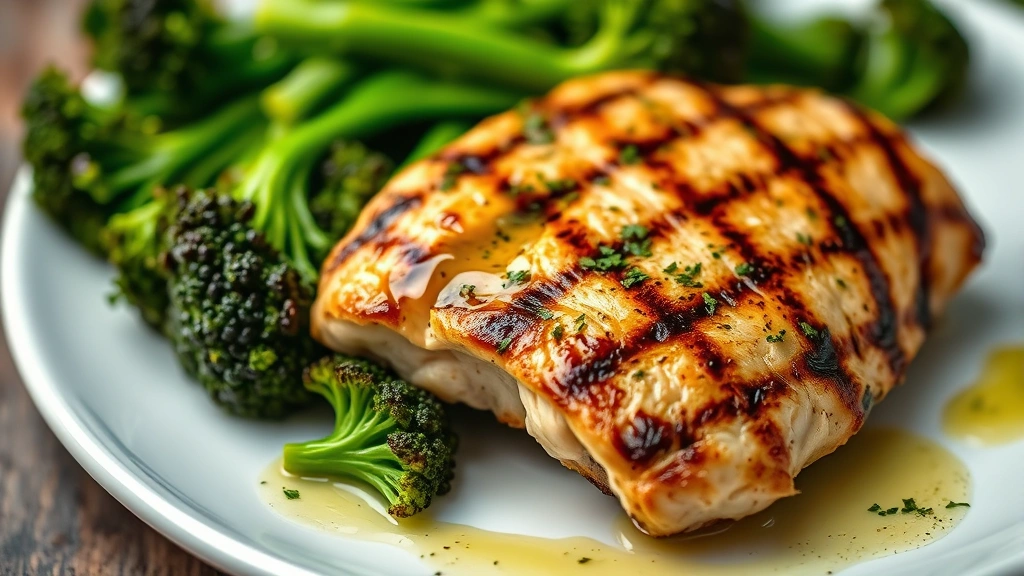
100-50 Method: Proven Weight Loss Strategy for Sustainable Results
The 100-50 method has emerged as one of the most effective and science-backed approaches to sustainable weight loss. This straightforward strategy combines two powerful numbers—100 grams of protein daily and 50 grams of net carbohydrates—to create an optimal metabolic environment for fat loss while preserving lean muscle mass. Unlike restrictive fad diets that leave you feeling deprived, the 100-50 method offers flexibility, satiety, and real-world results that thousands of people have successfully implemented.
What makes this approach particularly appealing is its simplicity and adaptability. Whether you’re a busy professional, a parent juggling multiple responsibilities, or someone new to structured nutrition, the 100-50 method provides clear targets without requiring complex meal planning or expensive supplements. The science behind this method is rooted in established nutritional research showing that adequate protein intake accelerates metabolism, reduces hunger hormones, and supports muscle retention during weight loss.
In this comprehensive guide, we’ll explore everything you need to know about the 100-50 method, from the underlying science to practical implementation strategies and real-world success stories.
What Is the 100-50 Method?
The 100-50 method is a structured nutritional approach that specifically targets 100 grams of protein and 50 grams of net carbohydrates per day. This creates a moderate-to-low carbohydrate intake while maintaining robust protein consumption—a combination designed to maximize fat loss while minimizing muscle loss. The remaining calories come from healthy fats, which play a crucial role in hormone production, nutrient absorption, and satiety.
This method sits between standard low-carb approaches and ketogenic diets, making it more sustainable for long-term adherence. With 50 grams of net carbs, you have enough flexibility to include whole grains, fruits, and legumes in moderation, unlike stricter protocols that eliminate these foods entirely. The 100-gram protein target ensures you stay in a positive muscle-building environment, which is essential for maintaining metabolic rate during weight loss.
The beauty of the 100-50 method lies in its precision without obsession. You’re targeting specific macronutrient ratios based on scientific evidence rather than following vague guidelines like “eat less and move more.” This specificity helps eliminate guesswork and provides measurable targets you can adjust based on individual results.
The Science Behind Protein and Low-Carb Weight Loss
Research from institutions like the National Institutes of Health consistently demonstrates that higher protein intake accelerates weight loss and preserves lean muscle mass. Protein has a thermic effect—meaning your body burns more calories digesting protein compared to carbohydrates or fats. Studies show that protein increases thermogenesis by approximately 20-30%, effectively boosting your metabolic rate during weight loss.
Additionally, protein is exceptionally satiating. When you consume adequate protein, your body produces more peptide YY and glucagon-like peptide-1, hormones that signal fullness to your brain. This means 100 grams of daily protein naturally reduces hunger and cravings, making the 100-50 method easier to sustain than calorie-restricted diets that leave you perpetually hungry.
The 50-gram carbohydrate target operates in a sweet spot for most individuals. At this level, your body begins utilizing fat stores more efficiently while maintaining enough carbohydrate availability for brain function and exercise performance. Unlike ketogenic diets requiring strict carbohydrate elimination, the 100-50 method allows you to include nutrient-dense carbohydrates that support long-term health and provide essential micronutrients.
Research published in Nutrition & Metabolism journals shows that moderate-carbohydrate, high-protein diets produce superior weight loss results compared to low-fat approaches, particularly for individuals with metabolic syndrome or insulin resistance.
How to Calculate Your Personal 100-50 Targets
While the 100-50 method provides a standardized framework, individual adjustments may be necessary based on body weight, activity level, and metabolic factors. Here’s how to personalize the approach:
- Protein baseline: The 100-gram target works well for individuals weighing 150-200 pounds. If you weigh significantly less, consider 0.8-1.0 grams per pound of body weight. If you weigh more, aim for 100-120 grams regardless of total weight to avoid excessive calorie intake.
- Activity level adjustments: If you engage in regular weight loss and weight lifting, increase protein to 110-120 grams to support muscle recovery and adaptation.
- Carbohydrate flexibility: Start with 50 grams net carbs. If you feel fatigued during workouts, increase to 60-75 grams. If progress stalls after two weeks, reduce to 40 grams temporarily.
- Fat intake: Calculate remaining calories and divide by 9 (calories per gram of fat). Most people will consume 50-80 grams of fat daily, which supports hormone production and nutrient absorption.
Track your baseline metrics before starting: weight, measurements, energy levels, and workout performance. After two weeks, assess whether adjustments are needed based on progress and how you feel.
Foods to Eat on the 100-50 Method
Success on the 100-50 method depends on choosing nutrient-dense foods that align with your macronutrient targets. Here are the best options:
Protein sources (aim for 25-30g per serving):
- Chicken breast and turkey (3-4 oz = 25-30g protein)
- Salmon and fatty fish (3 oz = 20-25g protein, plus omega-3s)
- Beef and lean red meat (3 oz = 20-25g protein)
- Eggs (1 whole egg = 6g protein)
- Greek yogurt (7 oz = 20g protein)
- Cottage cheese (1 cup = 28g protein)
- Protein powder (20-30g per serving)
Low-carb vegetables (mostly unlimited):
- Spinach, kale, lettuce (virtually zero carbs)
- Broccoli, cauliflower, Brussels sprouts (3-5g carbs per cup)
- Zucchini, cucumber, bell peppers (3-5g carbs per cup)
- Asparagus, green beans (4-5g carbs per cup)
Carbohydrate sources (prioritize whole options):
- Oats (1/3 cup dry = 15g carbs)
- Sweet potato (1 medium = 20g carbs)
- Brown rice (1/3 cup cooked = 15g carbs)
- Berries (1 cup = 12-15g carbs)
- Whole wheat bread (1 slice = 12-15g carbs)
- Legumes (1/2 cup cooked = 10-15g carbs)
Healthy fats:
- Olive oil, avocado oil (1 tbsp = 9g fat)
- Nuts and seeds (1 oz = 8-10g fat)
- Avocado (1/2 medium = 12g fat)
- Fatty fish (3 oz = 5-10g fat)
For those managing PCOS and weight loss, the 100-50 method proves particularly effective due to improved insulin sensitivity at this carbohydrate level.
Sample Daily Meal Plans
Sample Day 1 (100g protein, 50g carbs):
Breakfast: 3 whole eggs + 1 slice whole wheat toast + 1/2 avocado = 18g protein, 16g carbs, 14g fat
Snack: Greek yogurt (7 oz) + 1/4 cup berries = 20g protein, 12g carbs, 3g fat
Lunch: 4 oz grilled chicken + 1 cup broccoli + 1 tbsp olive oil = 35g protein, 8g carbs, 9g fat
Dinner: 4 oz salmon + 1/2 cup sweet potato + spinach salad = 27g protein, 14g carbs, 8g fat
Sample Day 2 (100g protein, 50g carbs):
Breakfast: Protein smoothie (1 scoop powder, 1 cup unsweetened almond milk, 1/2 banana) = 25g protein, 12g carbs, 2g fat
Lunch: 5 oz lean beef + 1/3 cup brown rice + green beans = 35g protein, 15g carbs, 8g fat
Snack: Cottage cheese (1 cup) + almonds (1 oz) = 28g protein, 8g carbs, 10g fat
Dinner: 4 oz turkey breast + roasted vegetables + 1 tbsp avocado oil = 35g protein, 15g carbs, 9g fat
Combining 100-50 With Exercise
The 100-50 method synergizes beautifully with structured exercise, particularly resistance training. The adequate protein and moderate carbohydrate intake support muscle recovery and workout performance. When combined with weight loss and weight lifting plans, the 100-50 method produces superior body composition changes compared to diet alone.
Resistance training 3-4 times weekly optimizes the muscle-sparing effects of high protein intake. Each weight training session creates micro-damage in muscle fibers; adequate protein provides the amino acids necessary for repair and growth. This process simultaneously burns calories and builds metabolically active tissue.
For cardiovascular exercise, the 50-gram carbohydrate target provides sufficient glycogen for moderate-intensity activity (walking, steady-state cardio). If performing intense interval training, consider increasing carbs to 60-75 grams on training days. Walking versus running both work well; choose the activity you’ll sustain consistently.
The combination of adequate protein, moderate carbs, and resistance training also supports prevention of loose skin after weight loss by maintaining skin elasticity and collagen production through proper nutrition and muscle preservation.
Common Mistakes and How to Avoid Them
Mistake 1: Neglecting calorie intake While the 100-50 method provides macro targets, total calories still matter. Track calories for at least two weeks to ensure you’re in a modest deficit (300-500 calories below maintenance). Many people overestimate protein intake or underestimate fat calories, inadvertently consuming too much.
Mistake 2: Choosing low-quality carbohydrates Your 50 grams should come from whole sources: oats, sweet potatoes, berries, legumes. Avoid processed foods, sugary drinks, and refined carbs that spike blood sugar without providing satiety or micronutrients.
Mistake 3: Inconsistent protein distribution Spread protein evenly across meals (25g per meal × 4 meals) rather than consuming 70g at dinner. This distribution maximizes muscle protein synthesis throughout the day and maintains steady satiety.
Mistake 4: Ignoring micronutrient needs Focus on nutrient-dense foods. Include colorful vegetables, fatty fish, eggs, and whole grains to ensure adequate vitamin D, B vitamins, iron, and magnesium. Consider a multivitamin if dietary intake seems insufficient.
Mistake 5: Unsustainable perfection The 100-50 method works because it’s sustainable. Allow flexibility—if you exceed 55 grams carbs occasionally or hit 95 grams protein, you’re still within reasonable parameters. Perfectionism leads to burnout.
Tracking Progress Beyond the Scale
While weight loss is the primary goal, several other metrics provide valuable progress indicators:
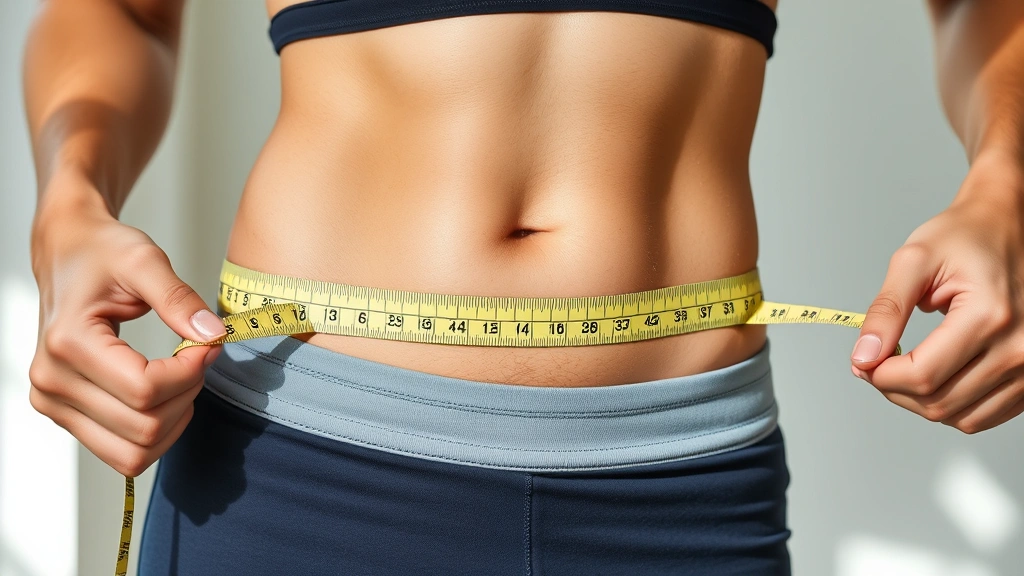
- Body measurements: Waist, hips, chest, and arm circumference often decrease before significant weight changes. Measure monthly for objective data.
- Clothing fit: This qualitative measure is often more meaningful than scale weight. Fitting into smaller sizes provides tangible motivation.
- Energy levels: Proper nutrition should increase energy and mental clarity. Notice improvements in focus, mood, and workout performance.
- Strength gains: Track weights and reps in resistance training. Strength increases indicate muscle preservation during weight loss.
- Biomarkers: Work with a physician specializing in preventive medicine to monitor blood pressure, cholesterol, and glucose levels—often improving within weeks of starting the 100-50 method.
- Sleep quality: Stable blood sugar and proper nutrition typically improve sleep quality and duration.
Consider using protein shakes for weight loss as a convenient way to hit protein targets while adding variety to your meals.
Additionally, healthy slow cooker recipes for weight loss make meal preparation convenient and help ensure consistent adherence to your 100-50 targets without excessive time investment.

FAQ
Is the 100-50 method suitable for vegetarians or vegans?
Yes, with planning. Vegetarians can use eggs, Greek yogurt, cottage cheese, and protein powder as primary protein sources. Vegans should emphasize legumes, tofu, tempeh, and plant-based protein powder. You may need slightly higher total grams from plant sources due to lower amino acid bioavailability, but the method remains effective.
How quickly will I see results on the 100-50 method?
Most people experience 1-2 pounds of weight loss weekly, with some initial water weight loss in the first week. Body composition improvements (increased muscle definition, improved measurements) often appear before significant scale weight changes. Give the method at least 4 weeks before assessing results.
Can I follow 100-50 while pregnant or breastfeeding?
Pregnancy and breastfeeding increase protein and calorie needs significantly. Consult with your healthcare provider before implementing any structured nutrition plan during these periods. Generally, 100-50 provides insufficient calories for pregnancy and may compromise milk supply during breastfeeding.
What if I have a medical condition like diabetes or kidney disease?
The 100-50 method’s moderate protein intake is generally safe for most people, but individuals with kidney disease should consult their nephrologist. Those with diabetes should monitor blood glucose closely, as the method often improves insulin sensitivity and may require medication adjustments.
How do I handle social eating and dining out on the 100-50 method?
Most restaurants offer protein-rich options. Order grilled chicken, fish, or beef with vegetable sides and request dressings on the side. Skip or reduce bread/pasta portions. Communicate your needs to friends and family—most appreciate understanding your health goals. Remember that occasional indulgences don’t derail long-term progress.
Should I cycle carbohydrates or maintain 50g daily?
For most people, consistent 50-gram daily carbohydrate intake works well. However, some benefit from slightly higher carbs (75g) on training days and lower (35g) on rest days. Experiment after the first month to determine what maintains energy and progress.
Is the 100-50 method effective for men and women equally?
Yes, the method works effectively for both genders. Women may experience slightly slower initial weight loss due to hormonal differences, but body composition improvements are comparable. Some women report better results with slightly higher carbohydrates (55-60g) during their menstrual cycle.


