
Can Bananas Aid Weight Loss? Nutritionist Insights
Bananas often get a bad reputation in weight loss circles, but the science tells a more nuanced story. While they contain natural sugars and carbohydrates, bananas also deliver substantial fiber, resistant starch, and essential nutrients that can actually support your weight management goals. Understanding how bananas fit into a balanced diet requires looking beyond myths and examining what nutritionists and research actually reveal about this humble fruit.
The question isn’t whether bananas are “good” or “bad” for weight loss—it’s how to incorporate them strategically into your overall nutrition plan. When consumed mindfully and paired with protein and healthy fats, bananas can become a valuable tool in your weight loss toolkit. This comprehensive guide explores the nutritional science behind bananas, their role in appetite control, and practical strategies for including them in your weight management journey.
Nutritional Profile of Bananas
A medium banana (approximately 118 grams) contains roughly 105 calories, 27 grams of carbohydrates, 3 grams of fiber, and just 0.3 grams of fat. But the calorie count tells only part of the story. Bananas are nutrient-dense fruits packed with potassium, vitamin B6, vitamin C, and manganese—micronutrients that support metabolic function and overall health.
The carbohydrate composition in bananas varies significantly depending on ripeness. A green banana contains more resistant starch, while a yellow or brown-spotted banana has more readily available sugars. This distinction is crucial for understanding banana’s role in weight loss, as resistant starch behaves differently in your body than simple sugars. According to research from the Academy of Nutrition and Dietetics, the glycemic impact of a food depends heavily on its preparation and ripeness level.
Potassium content in bananas—about 422 mg per medium fruit—supports healthy blood pressure and reduces water retention, which can affect scale weight. This mineral also plays a role in muscle function, particularly important if you’re combining banana consumption with weight loss and weight lifting routines.

How Bananas Support Weight Loss
The mechanism by which bananas aid weight loss operates through multiple pathways. First, bananas promote satiety—the feeling of fullness that prevents overeating. The combination of fiber and resistant starch creates a slower digestive process, meaning you feel satisfied longer after consumption. This satiety effect is particularly pronounced when you eat a banana with protein-rich foods.
Research published in the Journal of the American College of Nutrition demonstrates that fruits with high fiber content and moderate glycemic load can support weight loss when replacing higher-calorie processed foods. Bananas fit this profile, especially when they’re less ripe and contain more resistant starch.
Additionally, bananas contain pectin, a type of soluble fiber that acts as a prebiotic. Prebiotics feed beneficial gut bacteria, which research increasingly shows plays a role in weight management and metabolic health. A healthy gut microbiome is associated with better weight regulation and reduced inflammation—both critical factors in sustainable weight loss.
The psychological aspect of eating bananas shouldn’t be overlooked either. Unlike restrictive diets that eliminate entire food groups, including bananas demonstrates that weight loss doesn’t require deprivation. This sustainable approach reduces the likelihood of binge eating and supports maintaining weight loss long-term.
Resistant Starch and Metabolism
Resistant starch is perhaps the most scientifically compelling reason to consider bananas for weight loss. This type of starch resists digestion in the small intestine and behaves more like fiber than traditional carbohydrates. Green or slightly yellow bananas contain significantly more resistant starch than fully ripe bananas—sometimes up to 7-8 grams per banana compared to less than 1 gram in brown-spotted fruit.
When resistant starch reaches your colon, it undergoes fermentation, producing short-chain fatty acids, particularly butyrate. These fatty acids improve insulin sensitivity, reduce inflammation, and increase feelings of fullness. Studies suggest resistant starch may also increase fat oxidation during rest, meaning your body burns more fat even when you’re not exercising.
A meta-analysis of resistant starch studies found that consuming 15-20 grams daily was associated with modest but meaningful weight loss and improvements in metabolic markers. Since a green banana contains about 12-15 grams of resistant starch, eating one green banana daily could contribute significantly to these benefits.
The resistant starch content makes green bananas particularly valuable for weight loss, while ripe bananas offer different benefits through their higher vitamin and mineral content. The ideal strategy involves incorporating bananas at various ripeness levels depending on your specific goals and current nutrition plan.
Fiber Content and Satiety
Each medium banana delivers approximately 3 grams of dietary fiber—about 12% of the daily recommended intake. This fiber, combined with the fruit’s water content (about 75% water), creates substantial volume in your stomach with relatively few calories. This volumetric effect is one reason nutritionists recommend eating whole fruits rather than drinking fruit juices for weight loss.
The satiety provided by banana fiber works through multiple mechanisms. Soluble fiber (pectin) slows gastric emptying, meaning food stays in your stomach longer. This extended digestion time signals your brain’s satiety centers more effectively, reducing overall calorie intake throughout the day. Research shows that people who consume adequate fiber tend to weigh less and have lower body mass indices than those with insufficient fiber intake.
Interestingly, the combination of banana with protein amplifies this satiety effect dramatically. Pairing a banana with Greek yogurt, protein shakes for weight loss, or nut butter creates a snack that’s far more satiating than the banana alone. The protein increases the thermic effect of food—the calories your body burns digesting the meal—while also enhancing satiety signals.
For weight loss, the fiber-satiety connection means that eating a whole banana as a snack can prevent you from consuming 200-300 calories in less nutritious alternatives later in the day. This “prevention” mechanism often delivers better weight loss results than simply eating fewer calories overall.
Banana Ripeness Matters
The stage of banana ripeness dramatically affects its nutritional profile and impact on weight loss. This distinction deserves careful consideration when planning your banana consumption strategy.
- Green Bananas: Contain maximum resistant starch (12-15 grams), minimum sugar, and are optimal for weight loss. They’re less sweet and may require pairing with other foods for palatability.
- Yellow Bananas: Represent a middle ground with moderate resistant starch (3-5 grams) and moderate natural sugars. These offer balanced nutrition and good taste, making them practical for most people.
- Brown-Spotted Bananas: Have minimal resistant starch but maximum sweetness and ripeness. While still nutritious, they’re less ideal for weight loss due to higher sugar content and lower satiety-promoting resistant starch.
Nutritionists often recommend choosing bananas at the yellow stage for weight loss—they provide meaningful resistant starch while remaining palatable enough to incorporate easily into meals and snacks. If you prefer sweeter bananas, the solution isn’t to avoid them entirely but to pair them with protein and fat to moderate the blood sugar impact.
You can also manipulate ripeness by refrigerating bananas. Placing yellow bananas in the refrigerator halts ripening while preserving the resistant starch content. The peel will darken, but the fruit inside remains at the yellow-stage ripeness level, giving you the best of both worlds.
Smart Ways to Eat Bananas for Weight Loss
Strategic consumption methods can maximize bananas’ weight loss potential. Rather than eating bananas alone, particularly ripe ones, consider these evidence-based approaches:
Banana with Protein: Pair bananas with Greek yogurt, cottage cheese, or nuts. The protein amplifies satiety and stabilizes blood sugar, creating a more balanced snack that prevents energy crashes and subsequent overeating. A medium banana with 2 tablespoons of almond butter provides approximately 270 calories and 10 grams of protein—a genuinely satiating snack.
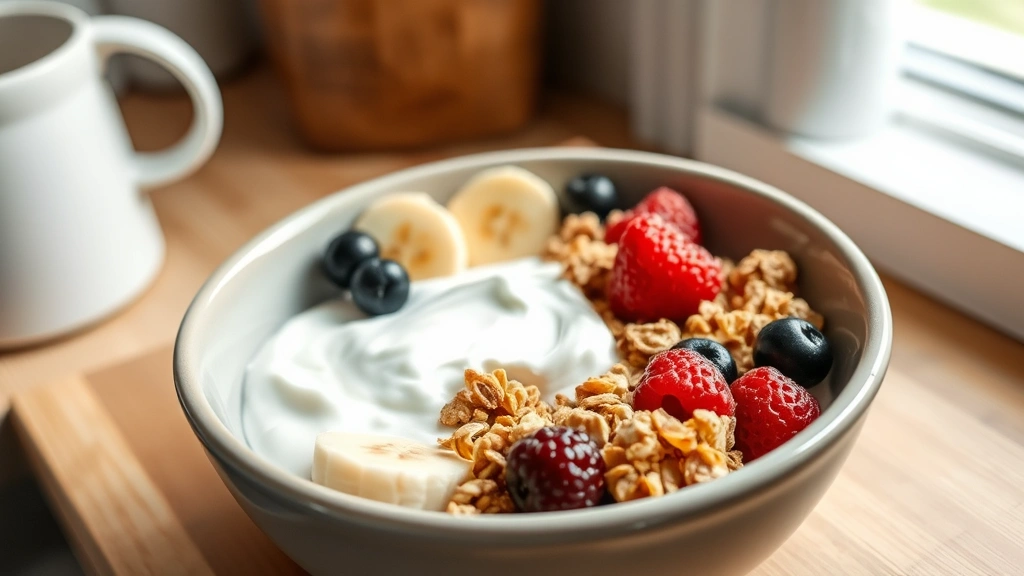
Smoothie Bowls: Blend a frozen banana with Greek yogurt and unsweetened almond milk, then top with high-fiber granola and berries. This approach increases volume and satiety while keeping calories controlled. The freezing process also slows down eating speed, giving your satiety signals time to register.
Banana in Oatmeal: Adding sliced banana to oatmeal increases volume without proportionally increasing calories. The oat fiber combines with banana fiber to create exceptional satiety. This combination also helps stabilize blood sugar throughout the morning.
Pre-Workout Banana: If you’re implementing weight loss and weight lifting simultaneously, eating a banana 30-60 minutes before training provides readily available carbohydrates for energy without excessive calories. Post-workout, pair banana with protein powder to support recovery.
Banana Tea Alternative: While not a replacement for actual nutrition, banana “nice cream” (frozen banana blended into soft-serve consistency) satisfies sweet cravings with just 105 calories per medium banana. This beats most desserts for calorie efficiency while still feeling indulgent.
Potential Pitfalls to Avoid
Understanding how bananas can derail weight loss efforts is equally important as recognizing their benefits. Several consumption patterns can undermine weight loss goals:
Banana Bread and Baked Goods: Commercial banana bread often contains added sugars, oils, and refined flour, transforming a 105-calorie fruit into a 400+ calorie treat. Homemade versions can be made healthier, but most store-bought options should be avoided or consumed very sparingly during weight loss phases.
Excessive Portion Sizes: While one banana is reasonable, eating multiple bananas daily adds significant calories. Three bananas daily equals 315 calories—potentially 20% of a 1500-calorie weight loss diet—leaving little room for nutrient-dense vegetables and proteins.
Banana Without Accompaniment: Eating ripe bananas alone causes rapid blood sugar spikes, followed by crashes that trigger cravings. This pattern leads to compensatory overeating later in the day. Always pair bananas with protein or fat.
Banana-Only Meals: Using bananas as meal replacements is ineffective for weight loss. They lack sufficient protein and healthy fats for true satiety. A banana-only breakfast leaves you hungry within two hours, likely leading to snacking.
Ignoring Liquid Calories: Banana smoothies and banana-based drinks can contain 400+ calories when prepared with sweetened yogurt, sugary juice, or excessive nut butter. Drinking calories is less satiating than eating whole foods, making this a common weight loss saboteur.
Combining Bananas with Other Foods
The synergistic approach to banana consumption—pairing them with complementary foods—creates superior weight loss outcomes. This strategy addresses banana’s limitations while amplifying its benefits.
Bananas with Nuts and Seeds: Almonds, walnuts, and chia seeds provide healthy fats and additional protein. The fat slows digestion, extending satiety beyond what banana alone provides. This combination also offers superior micronutrient diversity.
Bananas in Salads: Adding banana slices to salads with leafy greens, lean protein, and vinaigrette dressing creates nutrient-dense meals. The banana’s natural sweetness complements savory elements while the greens add volume and nutrients with minimal calories.
Bananas with Cinnamon: Cinnamon may improve insulin sensitivity according to some research, making it a worthwhile addition to banana snacks. This simple addition costs nothing and may enhance metabolic benefits.
Bananas with Herbal Tea: Rather than pairing bananas with calorie-containing beverages, consider enjoying them alongside best tea for weight loss options. Green tea or herbal infusions complement banana snacks while adding beneficial compounds without calories.
The principle underlying all these combinations is creating balanced nutrition—carbohydrate from banana, protein from accompanying foods, and healthy fats for satiety. This macronutrient balance is far more important for weight loss than any individual food’s properties.
Additionally, combining bananas with healthy slow cooker recipes for dinner meals demonstrates how this fruit fits into comprehensive nutrition planning. A balanced dinner with lean protein, vegetables, and whole grains, followed by a banana-based snack, creates daily eating patterns that support sustainable weight loss.
FAQ
Are bananas too high in sugar for weight loss?
A medium banana contains approximately 14 grams of natural sugar, which is moderate when considering the fruit’s fiber content and nutrient density. The key distinction is that banana sugar comes packaged with fiber, water, and nutrients—not isolated like added sugars in processed foods. When paired with protein, banana’s sugar impact on blood glucose is significantly moderated. For people with diabetes or severe insulin resistance, green bananas with higher resistant starch content are preferable to ripe bananas.
How many bananas can I eat daily while losing weight?
One banana daily is generally optimal for weight loss purposes, providing 105 calories and meaningful resistant starch without excessive calorie accumulation. Some people can incorporate two bananas daily if they’re part of a well-planned nutrition program with adequate protein and exercise. Exceeding two bananas daily typically becomes counterproductive, as the calorie contribution begins outweighing satiety benefits. Individual tolerance varies based on overall calorie intake, activity level, and metabolic health.
Is it better to eat bananas before or after workouts?
Pre-workout banana consumption (30-60 minutes before exercise) provides readily available carbohydrates for energy without the heaviness of larger meals. Post-workout, bananas paired with protein powder support muscle recovery and glycogen replenishment. The timing matters less than ensuring adequate total carbohydrate and protein intake throughout the day. If you’re implementing weight loss and weight lifting routines, incorporating bananas strategically around workouts optimizes performance and recovery.
Can frozen bananas help with weight loss?
Frozen bananas offer practical advantages for weight loss. Freezing slows eating speed, giving satiety signals time to register. Frozen banana “nice cream” provides a dessert-like experience with just 105 calories. Additionally, frozen bananas work excellently in smoothies, creating thicker, more satisfying drinks without added ice or cream. The nutritional profile remains identical to fresh bananas; freezing merely changes texture and consumption speed.
What’s the difference between banana weight loss supplements and whole bananas?
Supplements claiming “banana drops” or concentrated banana extracts lack the fiber, volume, and satiety-promoting properties of whole bananas. Whole bananas provide the complete nutritional package—fiber, resistant starch, micronutrients, and water content—that supports weight loss. Supplements often contain added ingredients and lack scientific evidence supporting weight loss claims. Whole food remains superior to processed supplements for sustainable weight management.
Can bananas replace other fruits for weight loss?
Bananas shouldn’t replace other fruits but rather complement them. Berries, apples, and citrus fruits offer different fiber profiles, micronutrients, and phytonutrients. A varied fruit intake ensures comprehensive nutrition. That said, bananas’ resistant starch content and satiety properties make them particularly valuable for weight loss when compared to some other fruits. The ideal approach incorporates multiple fruit types throughout the week.


