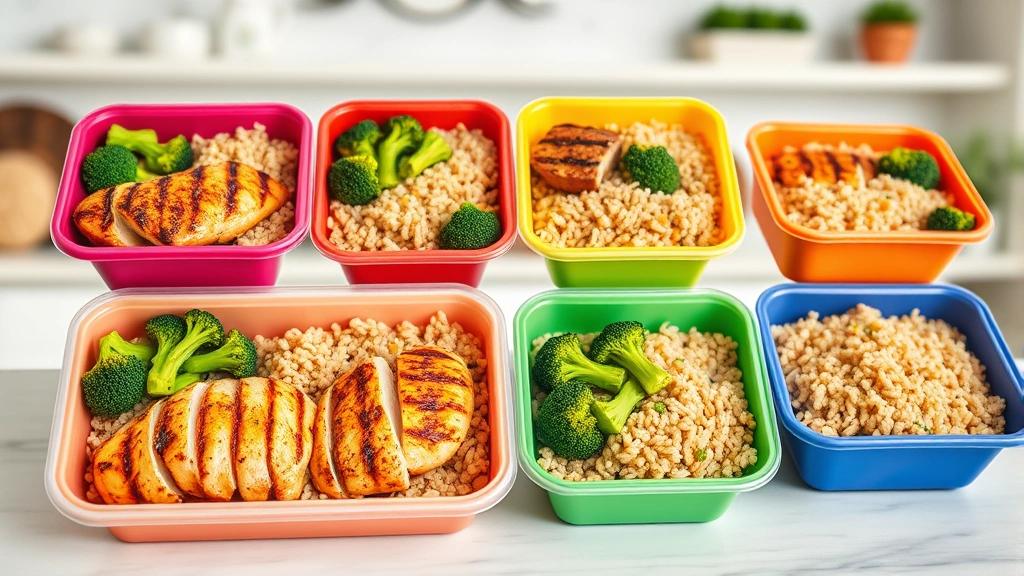
Top Frozen Meals for Weight Loss? Expert Picks
Frozen meals have become a game-changer for people pursuing weight loss goals. When selected thoughtfully, they offer portion control, nutritional transparency, and convenience that can support sustainable weight management. Unlike the frozen dinners of decades past, today’s market includes scientifically-formulated options designed with health-conscious consumers in mind.
The key to success with frozen meals lies in understanding what to look for: adequate protein content, reasonable sodium levels, appropriate calorie counts, and minimal added sugars. This guide explores the best frozen meal options that align with evidence-based weight loss principles and can seamlessly integrate into your dietary routine.
Why Frozen Meals Support Weight Loss Goals
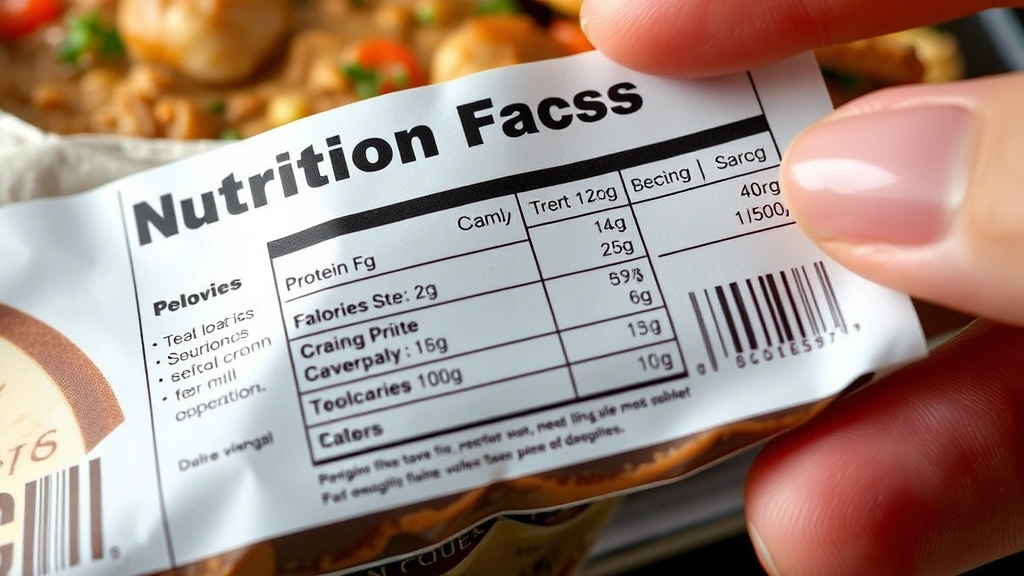
Frozen meals eliminate one of the biggest obstacles to weight loss: guesswork about portion sizes and calorie content. Each meal arrives pre-portioned, with complete nutritional information clearly labeled. This transparency makes it significantly easier to maintain a calorie deficit necessary for weight loss.
Research from the CDC’s nutrition and physical activity division indicates that portion control is one of the most effective strategies for weight management. Frozen meals inherently provide this control, removing the need for mental math or estimation at mealtime.
Beyond convenience, frozen meals address time constraints that often derail weight loss efforts. When healthy prepared options are available, individuals are less likely to resort to high-calorie takeout or processed snacks. The psychological benefit of having ready-made, nutritious meals cannot be overstated—it reduces decision fatigue and supports consistency, which is paramount for long-term success.
Additionally, frozen meals preserve nutrients effectively. Flash-freezing technology locks in vitamins and minerals at peak freshness, often making frozen vegetables and proteins nutritionally comparable to fresh alternatives. This is particularly valuable for those combining frozen meals with cardio exercises for weight loss.
Nutritional Criteria for Selecting Weight Loss Frozen Meals
Not all frozen meals are created equal. Selecting the right options requires understanding key nutritional benchmarks:
- Protein Content: Aim for at least 20-30 grams of protein per meal. Protein increases satiety, supports muscle preservation during weight loss, and has a higher thermic effect than other macronutrients. This is why high-protein recipes for weight loss remain popular among nutrition experts.
- Calorie Range: Most frozen meals for weight loss should contain 300-500 calories, depending on your individual calorie targets and whether the meal replaces lunch or dinner.
- Sodium Levels: Choose options with less than 800mg of sodium per serving. Excess sodium can cause water retention and bloating, masking weight loss progress.
- Added Sugars: Keep added sugars below 5 grams per meal. Read ingredient lists carefully, as many frozen meals hide sugars in sauces and seasonings.
- Fiber Content: Look for at least 3-5 grams of dietary fiber per meal to support digestive health and sustained satiety.
- Ingredient Quality: Prioritize meals with recognizable ingredients and minimal artificial additives or preservatives.
According to registered dietitians at the Academy of Nutrition and Dietetics, these criteria align with evidence-based recommendations for sustainable weight management.
Top Frozen Meal Brands Recommended by Experts
Lean Cuisine Simply Balanced: This line offers meals in the 350-400 calorie range with 20+ grams of protein. The emphasis on whole grains and lean proteins makes these reliable choices for consistent weight loss support.
Nutrisystem: Specifically designed for weight loss, Nutrisystem meals are nutritionally engineered to support metabolic health. They typically contain 250-400 calories with balanced macronutrient ratios. Many users report success combining these meals with structured medical weight loss interventions.
Factor: These meals arrive fresh and are flash-frozen to preserve nutrients. Factor emphasizes organic ingredients, sustainable sourcing, and customizable macro profiles—ideal for those with specific dietary requirements.
Freshly: Similar to Factor, Freshly delivers meals prepared by professional chefs and flash-frozen. Their transparency regarding ingredients and sourcing appeals to health-conscious consumers.
Home Chef: Offering flexibility in meal selection, Home Chef provides options ranging from 500-750 calories, making them suitable for dinner meals or those with higher caloric needs.
Store-Brand Options: Many grocery chains (Trader Joe’s, Whole Foods, Kroger) offer quality frozen meals meeting weight loss criteria at lower price points. Always check the nutrition label—store brands can be surprisingly competitive with name brands.
High-Protein Frozen Meal Options
Protein is the cornerstone of successful weight loss. It suppresses hunger hormones, increases satiety, and supports lean muscle preservation—crucial when pursuing fat loss without losing muscle.
Grilled Chicken Breast Meals: Look for frozen meals featuring grilled chicken with quinoa or brown rice. These typically deliver 30-40 grams of protein in the 400-450 calorie range.
Salmon and Fish Options: Frozen salmon fillets with vegetables provide omega-3 fatty acids alongside protein. These meals support cardiovascular health while promoting weight loss.
Lean Ground Turkey Dishes: Turkey-based meals often contain 25-35 grams of protein with moderate calorie counts. Ground turkey offers versatility across various cuisine styles.
Protein-Enhanced Pasta Meals: Some brands offer pasta dishes made with chickpea or lentil-based noodles, dramatically increasing protein while reducing refined carbohydrates.
Beef and Vegetable Combinations: Lean beef options paired with substantial vegetable portions create satisfying meals that support weight loss objectives.
Low-Sodium Frozen Meal Choices
Sodium management is critical for weight loss success. Excessive sodium causes water retention that can mask actual fat loss and may contribute to metabolic syndrome complications.
Organic Frozen Meal Brands: Companies like Simple Mills and Applegate prioritize lower sodium formulations, often keeping sodium under 600mg per serving.
Home Chef’s Light Meals: Their lighter options specifically target sodium reduction without sacrificing flavor through herbs and spices.
Freshly’s Personalized Options: Users can filter for low-sodium meals, and Freshly’s chef-prepared approach naturally reduces reliance on salt for flavoring.
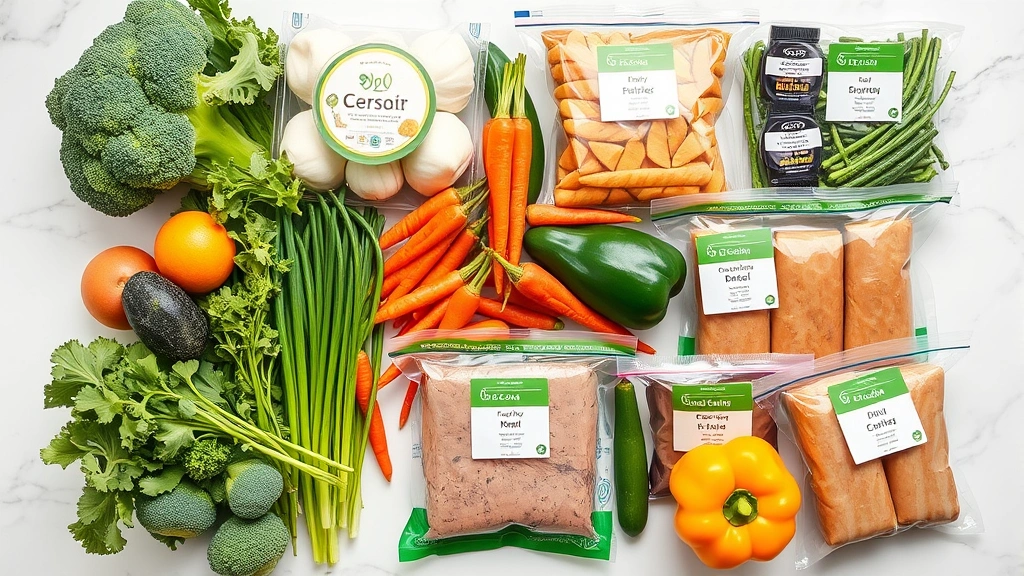
DIY Frozen Meal Prep: Consider preparing and freezing your own meals using fresh ingredients. This provides complete control over sodium content and often proves more economical than commercial options.
Budget-Friendly Frozen Meals for Weight Loss
Weight loss doesn’t require expensive meal delivery services. Strategic shopping can yield affordable, nutritious frozen options:
- Store-brand frozen vegetables and proteins often match name-brand quality at 30-50% lower prices
- Buy frozen chicken breasts and salmon in bulk, then portion and freeze with homemade sauces
- Frozen brown rice and quinoa packets are inexpensive and pair well with budget-friendly proteins
- Combine frozen meal components: frozen vegetables plus store-brand lean protein plus rice creates customizable meals for $3-5
- Shop sales and buy in quantity, rotating varieties to prevent meal fatigue
- Generic brands from Walmart, Aldi, and Costco offer competitive nutrition profiles at lower price points
How to Maximize Frozen Meals in Your Weight Loss Plan
Combine with Fresh Additions: A frozen meal forms the foundation; add fresh vegetables or a side salad to increase volume and nutrients without excessive calories. This strategy enhances satiety and meal satisfaction.
Portion Control Strategy: While frozen meals are pre-portioned, some individuals benefit from pairing them with calorie-free beverages (water, unsweetened tea) to extend meal duration and enhance fullness signals.
Track Consistently: Log frozen meals in a tracking app to maintain awareness of daily calorie and macro intake. This accountability supports sustained progress.
Rotate Varieties: Eating the same frozen meal repeatedly leads to boredom and abandonment. Maintain a rotation of 5-7 preferred options to sustain long-term adherence.
Integrate with Exercise: Frozen meals work optimally when combined with regular physical activity. Whether pursuing cardio for weight loss or strength training, proper nutrition supports recovery and results.
Monitor Hunger Signals: If frozen meals leave you hungry, increase protein content in subsequent selections or add non-starchy vegetables. Hunger indicates the need for nutritional adjustment rather than calorie restriction failure.
Read Labels Carefully: Nutrition information varies significantly between products. Spend time comparing options to identify those best matching your goals and preferences.
Consider Your Medications: Those using weight loss medications may find frozen meals particularly valuable for maintaining consistent nutrition while managing appetite changes.
FAQ
Are frozen meals safe for long-term weight loss?
Yes, frozen meals can support long-term weight loss when selected according to nutritional criteria outlined above. The key is choosing options with adequate protein, controlled sodium, and whole-food ingredients. Most nutrition experts recommend frozen meals as part of a balanced approach rather than the exclusive dietary strategy.
Can I eat frozen meals every day for weight loss?
Frozen meals can comprise the majority of your diet, but nutrition experts recommend incorporating fresh foods several times weekly. Fresh vegetables, fruits, and proteins provide beneficial phytonutrients and fiber that frozen meals, while nutritious, may offer in reduced quantities.
Which frozen meal brand is best for weight loss?
No single “best” brand exists—individual preferences, dietary restrictions, and budget vary. Nutrisystem and Factor specifically target weight loss with scientifically-formulated macros. Lean Cuisine, Freshly, and store brands like Trader Joe’s offer excellent quality at various price points. Test several to identify your preference.
How many frozen meals should I eat daily?
Most individuals use frozen meals for one or two daily meals, supplementing with whole foods. This approach maintains dietary variety while leveraging frozen meals’ convenience and portion control benefits.
Do frozen meals contain too much sodium?
Traditional frozen meals often contained excessive sodium (1000+ mg per serving). Modern options, particularly those marketed toward health-conscious consumers, typically contain 500-800mg sodium per serving—reasonable for a single meal when combined with low-sodium choices at other meals.
Can frozen meals support muscle preservation during weight loss?
Yes, when selecting high-protein options (25-40g protein per meal) and combining with resistance training, frozen meals effectively support muscle preservation. Protein timing becomes less critical than total daily intake, making frozen meals’ convenience valuable for consistent protein consumption.
Are organic frozen meals worth the extra cost?
Organic frozen meals offer benefits including pesticide reduction and higher ingredient standards, but conventional frozen meals meeting nutritional criteria work equally well for weight loss. Budget constraints should not prevent using frozen meals—conventional options provide excellent value.


