
Finding nutritious meals that support your weight loss goals doesn’t mean sacrificing convenience or flavor. Frozen meals have evolved significantly, and many options now offer the nutritional quality that registered dietitians recommend for sustainable weight management. Whether you’re busy with work, managing a hectic family schedule, or simply looking for reliable meal options, the best frozen meals for weight loss can be game-changers in your health journey.
The challenge, however, is navigating the freezer aisle wisely. Not all frozen meals are created equal—some are loaded with sodium, added sugars, and unhealthy fats that work against your weight loss efforts. Others deliver impressive nutritional profiles with adequate protein, fiber, and balanced macronutrients. This guide breaks down what to look for and highlights the top frozen meal options that nutritionists actually recommend.
What Makes a Frozen Meal Weight-Loss Friendly?
Before diving into specific product recommendations, understanding the nutritional criteria for weight-loss-friendly frozen meals is essential. According to the Academy of Nutrition and Dietetics, effective frozen meals should meet several key standards.
Calorie Content: Most weight loss experts recommend frozen meals containing 300-500 calories per serving. This range allows you to create a balanced meal by adding vegetables, a side salad, or fruit without exceeding your daily caloric targets. Meals under 300 calories may leave you unsatisfied, while those exceeding 500 calories limit your flexibility for other meals and snacks.
Protein Requirements: Adequate protein is crucial for weight loss success. Look for meals with at least 15-20 grams of protein per serving. Protein increases satiety, preserves lean muscle mass during weight loss, and has a higher thermic effect than other macronutrients. Our guide on weight loss and protein intake explains why this nutrient is non-negotiable for sustainable results.
Sodium Levels: The American Heart Association recommends limiting sodium to 2,300 mg daily. Individual frozen meals should contain no more than 600-700 mg of sodium. Many frozen options exceed this, so reading labels carefully is essential.
Fiber Content: Aim for meals providing at least 5-7 grams of dietary fiber. Fiber supports digestive health, promotes fullness, and helps stabilize blood sugar levels. This is particularly important when relying on convenience foods.
Added Sugars: Limit meals with more than 5-8 grams of added sugars. Many frozen meals disguise high sugar content in sauces and seasoning blends, which can trigger cravings and blood sugar spikes.
Top Frozen Meal Brands for Weight Loss
Nutrisystem: Specifically designed for weight loss, Nutrisystem offers portion-controlled meals ranging from 250-400 calories. Their meals emphasize lean proteins, whole grains, and vegetables while maintaining strict sodium and sugar limits. The brand provides structured meal plans that remove decision-making from your weight loss journey.
Factor: These chef-prepared meals deliver 35-40 grams of protein per serving with only 2-8 grams of net carbs in many options. Factor focuses on whole food ingredients without artificial preservatives, making it an excellent choice for those following lower-carb approaches.
Freshly: Offering fresh-refrigerated meals (not frozen), Freshly provides balanced nutrition with 25-35 grams of protein and minimal processing. Their meals support various dietary preferences including keto, low-carb, and high-protein.
Lean Cuisine: A budget-friendly option, Lean Cuisine offers meals under 400 calories with reasonable protein content (10-15g). While not premium, their wide variety makes consistency easier for busy individuals.
Weight Watchers Smart Ones: Aligned with the Weight Watchers program, these meals are portion-controlled and nutritionally balanced. They’re widely available in most grocery stores, making them convenient for spontaneous purchases.
High-Protein Frozen Options
Protein is the cornerstone of effective weight loss. When frozen meals provide substantial protein, they naturally promote satiety and reduce overall calorie consumption. High protein recipes for weight loss principles apply equally to frozen options.
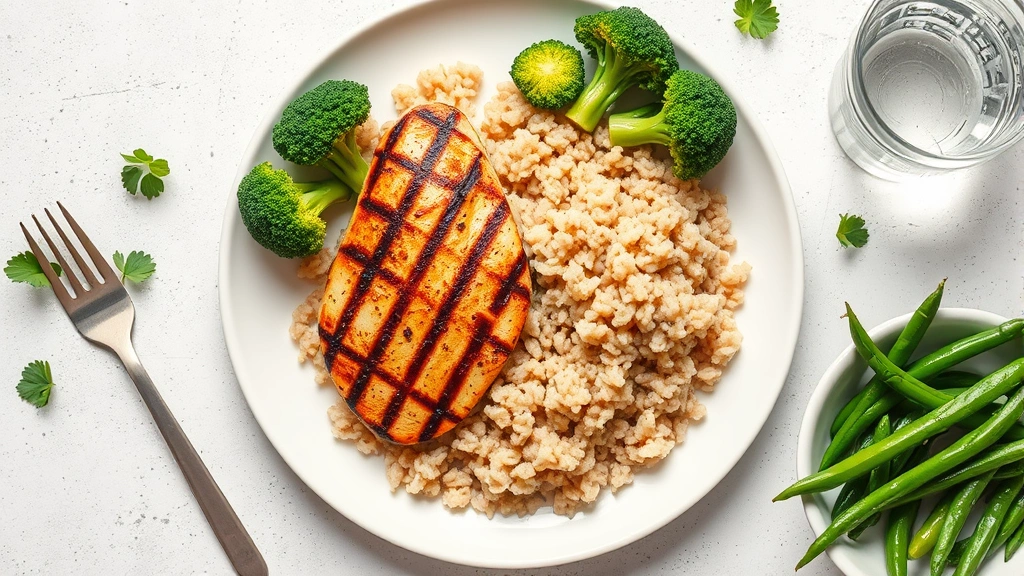
Protein-Focused Selections: Look for meals featuring chicken breast, fish, lean beef, or plant-based proteins as primary ingredients. Grilled chicken with vegetables and brown rice, baked salmon with quinoa, and turkey meatballs with whole wheat pasta are excellent examples.
Combination Strategies: Pair a lower-protein frozen meal (8-10g) with Greek yogurt, cottage cheese, or a protein shake to reach your daily protein targets. This approach works well if you find a meal you love that’s slightly lower in protein.
Checking Labels: Protein should be listed early in the ingredient list. If whey protein isolate or casein appears high on the ingredients, the meal likely uses protein powder rather than whole food sources, though this isn’t inherently problematic.
Plant-Based Frozen Meals
Plant-based eating supports weight loss through increased fiber intake and naturally lower calorie density. Many frozen plant-based meals now rival traditional options in taste and satisfaction. Our article on weight loss with plant-based diet explores this approach comprehensively.
Top Plant-Based Brands: Yves, Gardein, and Lightlife offer frozen plant-based meals with impressive nutritional profiles. These brands focus on legume-based proteins (lentils, chickpeas, beans) combined with vegetables and whole grains.
Protein Consideration: Plant-based proteins are often less concentrated than animal proteins. Choose meals with 12-18 grams of plant-based protein, as plant sources are less bioavailable. Combining different plant proteins (beans plus grains) creates complete amino acid profiles.
Sodium Awareness: Plant-based frozen meals sometimes rely on sodium for flavor, so scrutinize labels carefully. Look for options using herbs and spices for seasoning rather than salt.
Budget-Friendly Choices
Weight loss shouldn’t strain your finances. Several frozen meal options deliver solid nutrition without premium pricing.
Store Brands: Most grocery chains offer private-label frozen meals meeting weight loss criteria at 30-50% lower costs than name brands. Costco, Walmart, and Trader Joe’s options are particularly reliable.
Value Shopping: Buy frozen meals during sales and stock your freezer. Frozen foods maintain nutritional value for months, making bulk purchasing economical.
DIY Freezing: Prepare high protein recipes for weight loss in batches and freeze portions. This approach costs less than pre-made meals while providing complete control over ingredients.
How to Maximize Results with Frozen Meals
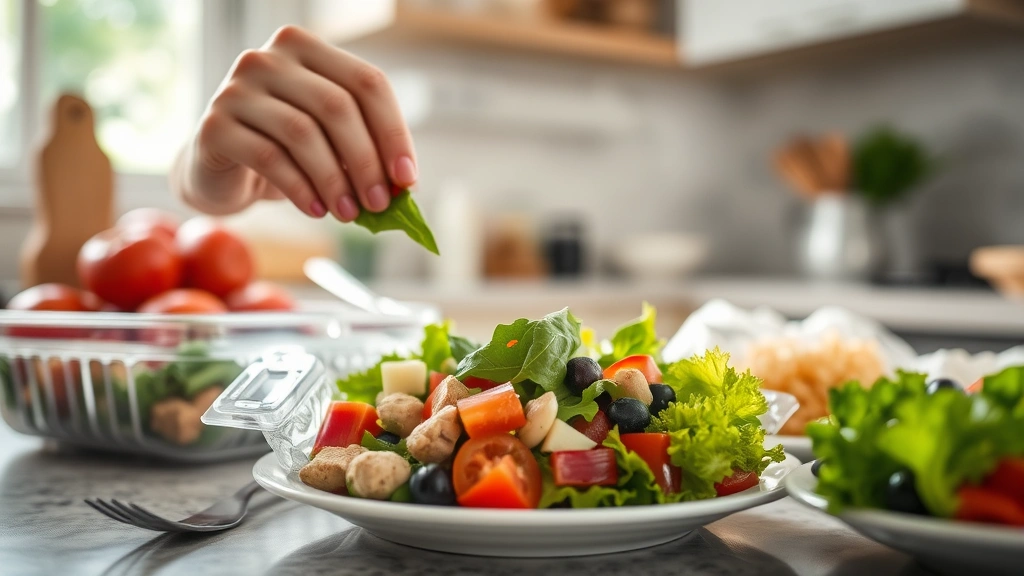
Strategic Supplementation: Frozen meals are meal foundations, not complete solutions. Add fresh vegetables, salads, or fruit to increase volume, fiber, and nutrients without significantly increasing calories. A side salad with vinaigrette adds only 50-100 calories while dramatically improving satiety.
Beverage Choices: Pair frozen meals with water, unsweetened tea, or black coffee rather than calorie-containing beverages. This simple adjustment prevents liquid calories from sabotaging your efforts.
Portion Awareness: Frozen meals are pre-portioned, which removes guesswork but can be problematic if you consume multiple servings. Stick to the labeled serving size unless you’re intentionally increasing protein or fiber through additions.
Meal Timing: Eating frozen meals at consistent times supports metabolic regulation. Explore weight loss with intermittent fasting to understand how meal timing impacts your results.
Variety and Consistency: Rotate different meals to prevent boredom, which often derails weight loss efforts. Having 8-10 favorite options ensures you’ll stick with your plan long-term.
Common Mistakes to Avoid
Ignoring Nutrition Labels: The most common mistake is assuming all frozen meals support weight loss equally. Always check calories, protein, sodium, and added sugars before purchasing.
Relying Exclusively on Frozen Meals: While convenient, frozen meals shouldn’t comprise your entire diet. Fresh whole foods provide superior nutrient density and help develop healthy eating habits. Use frozen meals strategically when fresh options aren’t feasible.
Neglecting Physical Activity: Best cardio machine for weight loss selections matter, but nutrition remains primary. Combine smart frozen meal choices with regular exercise for optimal results.
Skipping how to maintain weight loss planning: Using frozen meals during active weight loss is fine, but develop skills for long-term maintenance. Gradually incorporate more fresh cooking as you progress toward your goals.
Forgetting Individual Needs: Your ideal frozen meal differs based on activity level, metabolism, dietary preferences, and health conditions. What works for someone else may not optimize your results.
FAQ
Are frozen meals as nutritious as fresh food?
Frozen meals are nutritionally comparable to fresh foods in most cases. Freezing preserves nutrients effectively, and many frozen options contain fewer additives than fresh prepared foods. However, whole fresh foods typically offer superior fiber content and micronutrient density. The best approach combines both strategically.
How often can I eat frozen meals while losing weight?
Frozen meals can comprise 1-2 meals daily safely. This allows flexibility while ensuring you develop cooking skills and consume adequate whole foods. Variety in food sources improves nutrient intake and prevents nutritional gaps.
Do frozen meals cause water retention?
High-sodium frozen meals can cause temporary water retention, but this doesn’t represent fat gain. Choosing lower-sodium options and increasing water intake mitigates this effect. The American Heart Association provides guidance on sodium reduction.
Can frozen meals work with specific diets?
Yes, frozen options exist for keto, paleo, vegan, gluten-free, and other dietary approaches. Always verify that meals align with your specific plan’s macronutrient and ingredient requirements.
What should I look for in frozen meal ingredients?
Prioritize whole food ingredients listed early: proteins like chicken or fish, vegetables, legumes, and whole grains. Avoid meals with long ingredient lists featuring numerous unrecognizable additives, though some preservatives are necessary for food safety.
How do I prevent frozen meal fatigue?
Maintain a rotation of 8-12 favorite meals so you’re not eating the same thing repeatedly. Many brands offer 20+ options, so exploring variety prevents boredom-driven abandonment of your weight loss plan.


