When to Drink Olive Oil for Weight Loss? Expert Tips
Olive oil has long been celebrated as a cornerstone of healthy Mediterranean diets, but many people wonder if there’s an optimal time to consume it for weight loss benefits. The truth is more nuanced than simply drinking olive oil at any moment—timing, quantity, and context all play important roles in how this ancient oil can support your wellness journey. While olive oil isn’t a magic weight loss solution, emerging research suggests that strategic consumption paired with a balanced lifestyle can offer meaningful metabolic advantages.
Understanding when and how to incorporate olive oil into your routine requires knowledge of its nutritional profile, how it affects satiety, and its role in metabolic health. This comprehensive guide explores the science behind olive oil consumption for weight management, optimal timing strategies, and how to integrate this powerful ingredient into your daily regimen alongside other proven weight loss approaches.

Understanding Olive Oil’s Role in Weight Loss
Extra virgin olive oil contains powerful compounds that extend beyond simple calories. The primary active component is oleic acid, a monounsaturated fat that has been extensively studied for its health benefits. Research from the American Heart Association demonstrates that monounsaturated fats can support cardiovascular health while potentially aiding weight management efforts.
One of olive oil’s most compelling properties for weight loss is its ability to promote satiety—the feeling of fullness that helps reduce overall calorie intake. When you consume olive oil, it triggers the release of hormones like cholecystokinin (CCK) and peptide YY, which signal to your brain that you’re satisfied. This mechanism is particularly valuable because it addresses one of the biggest challenges in weight loss: managing hunger and cravings without relying on restrictive diets.
Olive oil also contains polyphenols, antioxidant compounds that research suggests may improve insulin sensitivity and reduce inflammation—both critical factors in weight management. A study published in the European Journal of Clinical Nutrition found that participants consuming olive oil regularly showed improved metabolic markers compared to control groups. These compounds work synergistically to create an environment in your body that’s more conducive to healthy weight loss.
Additionally, olive oil may support gut health by promoting beneficial bacteria growth. A healthier microbiome has been linked to improved metabolism and better weight management outcomes. When combined with a nutrient-dense diet, these properties make olive oil a valuable addition to any weight loss strategy.
Best Times to Drink Olive Oil for Maximum Benefits
Morning consumption on an empty stomach is one of the most recommended times for olive oil intake. Drinking 1-2 tablespoons of extra virgin olive oil first thing in the morning can jumpstart your metabolism and enhance fat-burning capacity throughout the day. This timing takes advantage of your body’s natural circadian rhythms, when metabolic processes are beginning to activate. Some wellness experts suggest this practice can improve bile flow and support digestive health from the outset.
However, the pre-meal timing strategy may offer even greater weight loss benefits. Consuming olive oil 15-20 minutes before meals—particularly lunch and dinner—can significantly reduce appetite and promote satiety. When you drink olive oil before eating, the fats trigger hormonal responses that make you feel fuller faster, naturally reducing portion sizes without conscious restriction. This approach aligns with research on weight loss and insulin resistance, as managing meal portions helps stabilize blood sugar levels.
Afternoon consumption presents another strategic opportunity, particularly if you struggle with energy dips or afternoon snacking. A small amount of olive oil in the mid-afternoon can provide sustained energy and curb cravings that often lead to unhealthy food choices. This timing is especially valuable for people working desk jobs or managing busy schedules where energy fluctuations are common.
The post-workout window also deserves consideration. While not ideal on its own, olive oil consumed after exercise alongside protein can support recovery and muscle preservation during weight loss. Many people focus on best protein shakes for weight loss, but combining these with healthy fats like olive oil enhances nutrient absorption and satiety.
Conversely, avoid consuming large amounts of olive oil late in the evening. While olive oil itself isn’t problematic, consuming high-fat foods close to bedtime can interfere with sleep quality, and poor sleep is strongly associated with weight gain and metabolic dysfunction. If you do consume olive oil in the evening, do so at least 2-3 hours before sleep.
How Much Olive Oil Should You Consume Daily
Dosage is absolutely critical when using olive oil for weight loss. While olive oil is healthy, it’s calorie-dense at approximately 120 calories per tablespoon. The recommended daily intake for weight loss purposes is 1-2 tablespoons (15-30 milliliters) per day, spread throughout the day rather than consumed all at once.
For beginners, start with ½ tablespoon (7.5 milliliters) in the morning to assess tolerance. Some people experience digestive adjustments when first introducing olive oil on an empty stomach, and a gradual approach prevents discomfort. Over 1-2 weeks, you can increase to the full recommended dose.
Quality matters significantly—extra virgin olive oil contains the highest concentration of beneficial polyphenols and should be your primary choice. Regular or light olive oils undergo more processing, which removes many beneficial compounds. Look for bottles labeled “first cold-pressed” or “extra virgin” from reputable producers, ideally from Mediterranean regions known for quality production standards.
Consider your overall caloric intake when adding olive oil to your routine. If you’re consuming olive oil for weight loss, you may need to slightly reduce calories from other sources to maintain a caloric deficit—the fundamental requirement for weight loss. However, because olive oil promotes satiety, many people naturally consume fewer calories overall when incorporating it strategically.
Olive Oil and Metabolic Health
Beyond simple calorie restriction, olive oil influences metabolic processes in ways that support sustainable weight loss. Research from the CDC’s nutrition research division indicates that monounsaturated fats improve metabolic flexibility—your body’s ability to efficiently switch between burning carbohydrates and fats for energy.
Olive oil’s polyphenols enhance mitochondrial function, the cellular powerhouses responsible for energy production and calorie burning. When mitochondria work more efficiently, your resting metabolic rate—the calories you burn at rest—increases slightly. While this increase is modest, over time it contributes meaningfully to weight loss outcomes, especially when combined with other strategies.
The oil also supports blood sugar regulation, a cornerstone of sustainable weight loss. By slowing gastric emptying (how quickly food moves from your stomach), olive oil helps prevent rapid blood sugar spikes and crashes that trigger hunger and cravings. This stability is particularly important for people managing weight loss and insulin resistance, as improved insulin sensitivity directly supports weight management.
Additionally, olive oil’s anti-inflammatory properties address a root cause of metabolic dysfunction. Chronic inflammation impairs metabolic processes and promotes weight gain, particularly around the abdominal area. By reducing systemic inflammation, olive oil creates a more favorable metabolic environment for weight loss.
Combining Olive Oil with Other Weight Loss Strategies
Olive oil works best as part of a comprehensive approach rather than a standalone solution. When combined with best protein shakes for weight loss, you create powerful satiety effects—protein plus healthy fats are among the most filling macronutrient combinations. This synergy helps you maintain caloric deficits without feeling deprived.
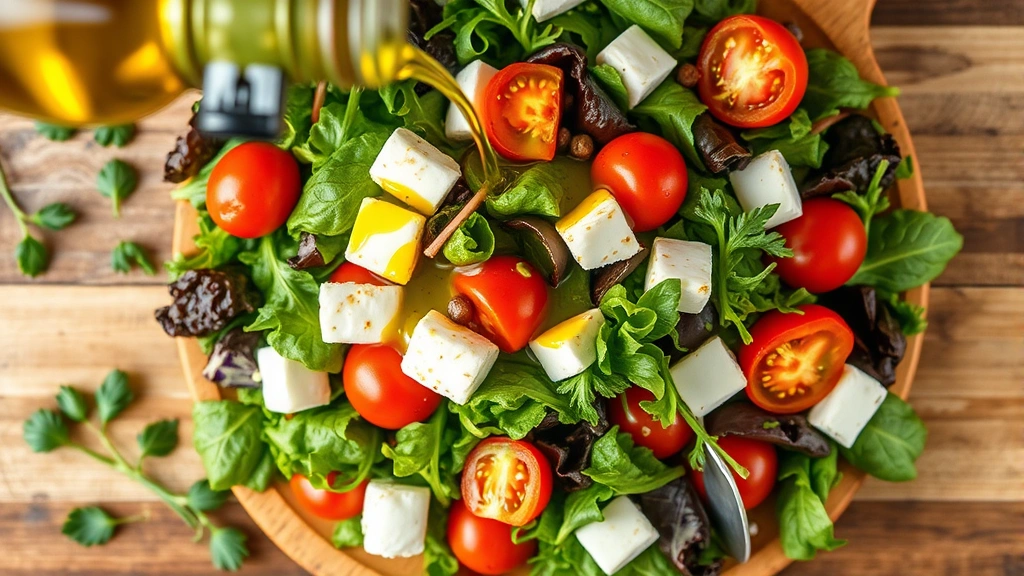
Pairing olive oil consumption with whole food nutrition amplifies benefits. Drizzle olive oil over salads, vegetables, and lean proteins to enhance nutrient absorption (many vitamins are fat-soluble) while promoting fullness. This approach is far superior to consuming olive oil alone, as the fiber and nutrients in whole foods work synergistically with the oil’s compounds.
Regular physical activity becomes more effective when combined with olive oil consumption. The improved metabolic flexibility and mitochondrial function olive oil supports makes your body more efficient at utilizing energy during exercise. Whether you’re doing cardio or strength training, the foundation of healthy fats supports performance and recovery.
Consistency with motivational quotes for weight loss and behavioral strategies ensures you stick with the program. Weight loss is as much psychological as physiological, and maintaining motivation through challenges makes the difference between temporary weight loss and lasting transformation.
For long-term success, address how to prevent loose skin after weight loss by supporting skin elasticity through proper hydration, adequate protein intake, and gradual weight loss. Olive oil’s antioxidants actually support skin health from within, making it beneficial for appearance during your weight loss journey.
Many people find community support invaluable—checking weight loss Reddit communities provides real-world experiences and practical tips from others on similar journeys. Shared experiences and accountability accelerate progress and help you troubleshoot challenges.
Consider working with a registered dietitian to personalize your approach. Professional guidance ensures you’re consuming appropriate olive oil quantities for your specific health status, dietary goals, and any underlying conditions. A dietitian can also help you optimize nutrient intake while maintaining caloric balance.
Potential Side Effects and Considerations
While olive oil is generally well-tolerated, some individuals experience digestive adjustments when consuming it on an empty stomach. Symptoms may include mild stomach discomfort, nausea, or loose stools. These effects typically resolve within 1-2 weeks as your digestive system adapts. Starting with smaller quantities and gradually increasing helps minimize these temporary adjustments.
People with gallbladder issues should consult healthcare providers before consuming olive oil on an empty stomach, as high-fat intake can trigger gallbladder contractions. For those with diagnosed gallbladder disease, consuming olive oil with meals rather than alone is safer and still provides benefits.
Individuals taking blood-thinning medications should discuss olive oil consumption with their doctors, as vitamin K in olive oil may interact with these medications. This isn’t a contraindication but rather requires monitoring and potential medication adjustment.
Some people are sensitive to the strong taste of extra virgin olive oil consumed straight. If this applies to you, mixing a tablespoon of olive oil into warm herbal tea, lemon water, or incorporating it into salad dressings provides the same benefits with better palatability. The key is consistent consumption of quality oil, regardless of delivery method.
Always purchase olive oil from reputable sources. The FDA has noted issues with olive oil mislabeling and adulteration in the marketplace. Look for certifications from organizations like the International Olive Council or established Mediterranean producers with transparent sourcing practices.
Remember that olive oil should complement, not replace, fundamental weight loss requirements: caloric deficit, adequate protein intake, regular movement, and quality sleep. No single food or supplement creates weight loss—sustainable results come from comprehensive lifestyle changes where olive oil plays a supporting role.
FAQ
Can I drink olive oil every day for weight loss?
Yes, consuming 1-2 tablespoons of extra virgin olive oil daily is safe for most people and can support weight loss when combined with a balanced diet and exercise. However, consistency matters more than perfection—aim for regular consumption rather than sporadic use. Consult your healthcare provider if you have specific health conditions.
Should I drink olive oil on an empty stomach?
Consuming olive oil on an empty stomach can maximize metabolic benefits and satiety effects, but it’s not necessary for weight loss. Some people experience digestive discomfort with this approach. If that’s you, consuming olive oil with meals provides similar benefits. Choose whichever method you can sustain consistently.
What’s the best time to drink olive oil for weight loss?
The best time is 15-20 minutes before meals to maximize appetite suppression and satiety. Alternatively, consuming it first thing in the morning supports metabolic activation. Choose the timing that fits your schedule and lifestyle—consistency matters more than finding the “perfect” time.
Does olive oil burn belly fat specifically?
While olive oil doesn’t target fat loss to specific areas, its anti-inflammatory properties and support for metabolic health make it valuable for overall weight loss, including abdominal fat reduction. Spot reduction isn’t possible—weight loss occurs throughout your body based on genetics and hormones.
Can I mix olive oil with water or lemon?
Absolutely. Mixing olive oil with warm water and lemon juice creates a palatable morning drink that combines the benefits of olive oil with vitamin C and digestive support from lemon. This approach makes consumption easier for people who find straight olive oil unpleasant.
How long before I see weight loss results from olive oil?
Olive oil supports weight loss mechanisms, but visible results typically appear within 4-6 weeks of consistent consumption combined with a caloric deficit and exercise. Individual timelines vary based on starting weight, overall diet quality, activity level, and metabolic factors. Patience and consistency yield the best outcomes.
Is olive oil better than other oils for weight loss?
Extra virgin olive oil’s polyphenol content and extensive research support make it superior to many refined oils. However, other healthy oils like avocado oil and coconut oil offer benefits too. Choose extra virgin olive oil primarily for its research-backed weight loss properties and superior nutrient profile.


