
Brooke Williamson’s Weight Loss Journey: Chef’s Tips for Sustainable Success
Brooke Williamson, the acclaimed executive chef and television personality, has inspired countless individuals with her culinary expertise and dedication to health. Her weight loss journey demonstrates that professional success in the food industry doesn’t require sacrificing personal wellness. By combining her deep understanding of nutrition with practical cooking techniques, Williamson has developed an approach that proves sustainable weight management is achievable—even for someone whose career revolves around food.
What makes Brooke Williamson’s approach unique is her refusal to embrace restrictive dieting. Instead, she focuses on intelligent food choices, portion awareness, and the strategic use of cooking methods that enhance flavor without adding unnecessary calories. Her philosophy aligns with modern nutritional science, which emphasizes that lasting weight loss comes from building healthy habits rather than following temporary diet trends.
This comprehensive guide explores the principles behind Williamson’s weight loss success and how you can apply her chef-tested strategies to your own health journey. Whether you’re a home cook or simply someone looking to improve your relationship with food, her insights offer practical, delicious solutions.
Understanding Brooke Williamson’s Philosophy
Brooke Williamson’s approach to weight loss fundamentally rejects the notion that healthy eating must be boring or restrictive. As someone who has spent decades mastering flavor profiles and culinary techniques, she recognized early that the problem with most diets isn’t food itself—it’s the approach people take toward food. Rather than eliminating entire food groups or drastically cutting calories, Williamson advocates for intelligent eating that prioritizes taste, satisfaction, and nutrition simultaneously.
Her philosophy centers on several core principles. First, she believes that understanding why certain foods work in your body is more powerful than following arbitrary rules. Second, she emphasizes that food should be enjoyed, not feared. Third, she recognizes that maintaining weight loss requires building sustainable habits rather than relying on willpower alone.
This mindset shift is crucial. Williamson’s success came from viewing her culinary skills as an asset in her weight loss journey, not an obstacle. She uses her professional knowledge to create meals that are simultaneously calorie-conscious and deeply satisfying—a combination that keeps people committed to their health goals long-term.

The Power of Professional Cooking Techniques
One of Brooke Williamson’s greatest advantages is her mastery of cooking methods that maximize flavor while minimizing added fats and calories. Professional chefs understand techniques that home cooks often overlook, and applying these methods can transform your weight loss results without sacrificing enjoyment.
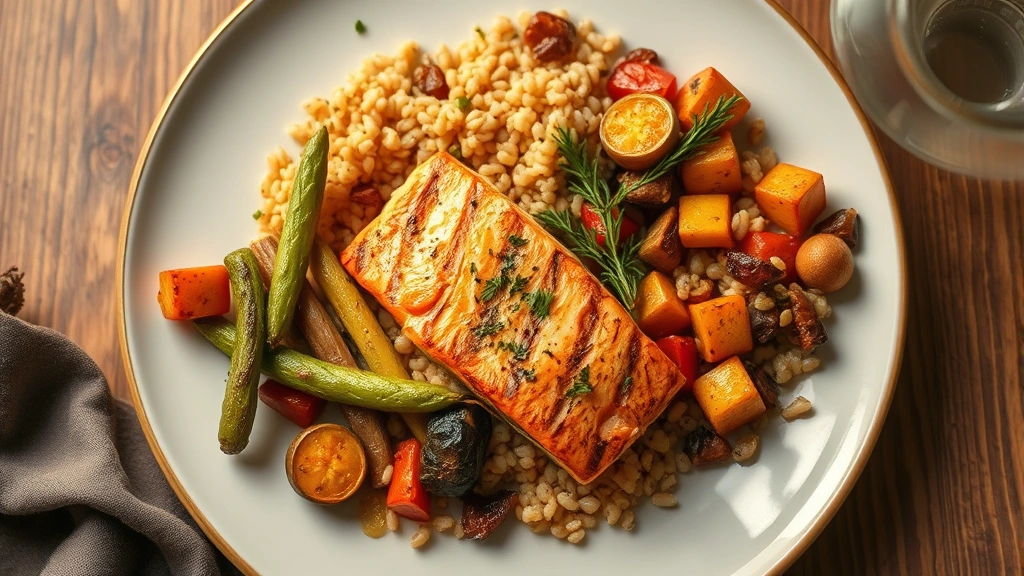
Dry-heat cooking methods are foundational to her approach. Grilling, roasting, and broiling develop complex flavors through caramelization and the Maillard reaction—chemical processes that create taste depth without added fats. When you roast vegetables or grill proteins properly, you’re building flavor from the food itself rather than relying on heavy sauces or butter.
Williamson also champions the use of aromatics and spices to create satisfaction. A well-constructed dish using garlic, ginger, fresh herbs, and strategic spicing delivers sensory pleasure that rivals high-calorie alternatives. Her professional training taught her that flavor complexity satisfies appetite more effectively than simple sweetness or richness alone.
Another crucial technique is proper knife skills and ingredient preparation. When ingredients are cut uniformly and prepared thoughtfully, they cook more evenly and present more appealingly on the plate. This attention to detail increases satiety signals in the brain—you feel more satisfied eating less because the food looks and tastes more refined.
She also employs stock-based cooking extensively. Rather than using cream or oil as her base for sauces and soups, Williamson relies on flavorful broths and stocks that add depth and moisture without significant caloric cost. A well-made vegetable or bone broth can be the foundation for incredibly satisfying meals.
Portion Control and Plate Strategy
Brooke Williamson’s approach to portions is sophisticated yet simple: she uses plate composition rather than calorie counting as her primary tool. By strategically arranging proteins, vegetables, and whole grains on the plate, she creates meals that are naturally portion-appropriate and nutritionally balanced.
Her plate strategy typically follows this framework: 50% non-starchy vegetables, 25% lean protein, and 25% whole grains or starchy vegetables. This composition ensures adequate fiber for satiety, sufficient protein for muscle maintenance, and nutrient density that supports overall health. The high vegetable content means you can eat a satisfying volume of food while maintaining a caloric deficit.
Williamson emphasizes the importance of eating from smaller plates—a psychological principle that’s supported by research. When you serve food on a dinner plate rather than a larger platter, the same portion size appears more abundant. This visual trick satisfies the brain’s desire for adequate food without requiring larger quantities.
She also practices mindful plating, which means arranging food intentionally rather than simply scooping portions onto dishes. When food is thoughtfully presented, you naturally eat more slowly and enjoy it more thoroughly. This deliberate approach activates fullness signals that take approximately 20 minutes to register in your brain.
Ingredient Selection and Smart Substitutions
Professional chefs like Brooke Williamson develop an intuitive understanding of ingredient substitutions that maintain flavor while improving nutritional profiles. This knowledge is invaluable for sustainable weight loss because it removes the feeling of deprivation that sabotages most diet attempts.
Rather than eliminating foods, Williamson focuses on ingredient upgrades. For example, she might use Greek yogurt in place of sour cream for a fraction of the calories while maintaining creaminess. She replaces heavy cream with evaporated skim milk in certain applications, preserving richness without the fat content. These substitutions work because she understands the functional role each ingredient plays in a recipe.
She’s also skilled at using umami-rich ingredients to create satisfaction with less fat. Mushrooms, tomatoes, fermented products, and aged cheeses provide deep, savory flavors that make meals feel indulgent. A small amount of Parmigiano-Reggiano or miso adds significant flavor without requiring excessive portions.
Williamson advocates for whole food cooking from scratch, which gives you complete control over ingredients and cooking methods. When you prepare high-protein recipes for weight loss at home, you eliminate hidden sugars, excess sodium, and unnecessary oils that accumulate in processed foods. This single practice often creates significant weight loss results without requiring additional dietary changes.
Her approach to beverage choices is equally strategic. She emphasizes water as the primary drink, recognizing that many people consume significant calories through beverages without consciously registering them. When she does consume other drinks, she chooses carefully—perhaps a glass of wine with dinner rather than sugary cocktails, or best smoothies for weight loss when she wants something more substantial.
Building Strength Through Resistance Training
Brooke Williamson’s weight loss success isn’t solely about what she eats—it’s equally about how she trains. She incorporates weight loss and resistance training to boost fat loss, recognizing that strength work fundamentally changes body composition.
Resistance training is superior to cardio alone for sustainable weight loss because it builds and preserves muscle tissue. Muscle is metabolically active, meaning it burns calories even at rest. When you lose weight through diet alone, you typically lose both fat and muscle. Strength training ensures that the weight you lose comes primarily from fat stores while maintaining or building lean tissue.
Williamson’s resistance routine likely emphasizes compound movements—exercises that work multiple muscle groups simultaneously. Squats, deadlifts, push-ups, and rowing movements build strength efficiently and create an elevated metabolic rate that persists after workouts end.
She also understands the importance of progressive overload, gradually increasing the challenge of her workouts. This progression prevents plateaus and ensures continued improvements in strength and body composition. For someone in the public eye like Williamson, maintaining muscle definition requires consistent, intelligent strength training.
The combination of proper nutrition with resistance training creates sustainable weight management because it builds the body’s natural calorie-burning capacity. You’re not fighting against your metabolism; you’re enhancing it through intelligent training.
Hydration as a Foundation
One of the most underestimated aspects of Brooke Williamson’s approach is her attention to weight loss and water intake for staying hydrated. Proper hydration supports every physiological process involved in weight loss, from digestion to metabolism to appetite regulation.
Water intake directly impacts hunger signals. Often, what we interpret as hunger is actually mild dehydration. By maintaining consistent hydration throughout the day, you naturally reduce unnecessary snacking and maintain better appetite control. Williamson prioritizes water before, during, and after meals, which also slows eating pace and increases satiety.
Adequate hydration supports metabolic function. Every metabolic process requires water as a medium. Dehydration slows metabolism and impairs the body’s ability to burn fat efficiently. Studies indicate that even mild dehydration reduces metabolic rate and increases fatigue, making workouts less effective.
Williamson likely maintains hydration by drinking consistently throughout the day rather than attempting to drink large quantities at once. This steady approach keeps fluid levels optimal and prevents the discomfort of sudden large water intake. Many people find that carrying a water bottle and sipping regularly makes hydration effortless.
She’s also conscious of hydration around exercise. Proper fluid intake before, during, and after training supports performance, recovery, and metabolic function. This is particularly important for someone incorporating resistance training into their routine.
Maintaining Long-Term Success
Perhaps the most valuable lesson from Brooke Williamson’s journey is how to achieve maintaining weight loss through effective strategies for long-term success. Weight loss is relatively straightforward compared to maintaining that loss—long-term success requires fundamental lifestyle changes.
Williamson’s maintenance strategy centers on consistency over perfection. She doesn’t expect herself to eat perfectly every day. Instead, she maintains healthy habits approximately 80-90% of the time, allowing flexibility for special occasions, dining out, and simply enjoying life. This approach prevents the all-or-nothing thinking that causes most people to abandon their health goals.
She also practices regular self-monitoring without obsessive tracking. Rather than counting every calorie, she monitors her weight periodically and adjusts her habits if she notices upward trends. This approach maintains accountability while avoiding the mental burden of meticulous tracking.
Community and accountability appear important to Williamson’s success. Whether through professional networks, friends, or family, having people who support your health goals significantly improves long-term outcomes. She likely shares her goals with people she trusts and allows them to support her journey.
She also embraces continuous learning about nutrition and fitness. Her background as a chef means she’s naturally curious about how food affects the body. This intellectual engagement with health keeps her motivated and prevents boredom with her routine.
Finding sustainable sources of enjoyment in health practices is crucial. Williamson clearly enjoys cooking, so her healthy eating approach involves preparing delicious food rather than suffering through bland diet meals. If you dislike running, don’t force yourself to run—find movement you actually enjoy, whether that’s strength training, hiking, or dancing. Sustainability comes from building a healthy life you want to live, not one you feel obligated to maintain.
FAQ
What specific diet does Brooke Williamson follow?
Brooke Williamson doesn’t follow a specific named diet. Instead, she practices balanced, whole-food cooking with attention to portions and preparation methods. Her approach emphasizes professional cooking techniques, quality ingredients, and mindful eating rather than restrictive dietary rules.
How much weight has Brooke Williamson lost?
Specific weight loss numbers aren’t typically disclosed publicly. Her focus is on overall health, fitness, and body composition rather than a particular number on the scale. This approach aligns with modern fitness philosophy, which emphasizes how you feel and perform over specific weights.
Does Brooke Williamson use supplements or weight loss products?
There’s no indication that Williamson relies on supplements or commercial weight loss products. Her approach is based on whole foods, proper cooking techniques, and consistent exercise—the fundamentals that actually create lasting results.
Can I follow Brooke Williamson’s approach if I’m not a chef?
Absolutely. While Williamson’s professional training gives her advantages, her core principles—using quality ingredients, cooking from scratch, practicing proper portions, and combining nutrition with strength training—are accessible to anyone. You don’t need advanced culinary skills to roast vegetables properly or prepare simple proteins with herbs and spices.
How does Williamson balance her career in food with weight management?
By viewing her culinary knowledge as an asset rather than an obstacle. She understands flavor and nutrition deeply enough to create meals that satisfy both requirements. This perspective—that health and enjoying food aren’t mutually exclusive—is the foundation of her sustainable approach.


