
Doug Schoen’s Weight Loss Tips? Expert Insights on Science-Based Strategies
Doug Schoen, a prominent political analyst and author, has occasionally shared perspectives on health and wellness alongside his media commentary. While Schoen isn’t primarily known as a weight loss expert, his approach to personal health reflects broader principles that align with evidence-based weight management strategies. Understanding his philosophy—and the science behind it—can provide valuable insights for anyone seeking sustainable weight loss.
This comprehensive guide explores expert-backed weight loss principles that resonate with a balanced, practical approach to health. Whether you’re just beginning your weight loss journey or refining your current strategy, these evidence-based insights will help you navigate the complex landscape of nutrition, exercise, and lifestyle modification with confidence.
Understanding Sustainable Weight Loss Principles
Effective weight loss isn’t about quick fixes or extreme measures—it’s about creating sustainable habits that support long-term health. Research from the CDC on healthy weight loss emphasizes gradual, consistent progress as the most reliable path to success. Most experts recommend aiming for 1-2 pounds per week, which translates to a caloric deficit of 500-1,000 calories daily through diet and exercise combined.
The foundation of any successful weight loss program rests on three pillars: caloric awareness, nutritional quality, and behavioral consistency. Rather than following restrictive diets that lead to burnout, sustainable approaches focus on making healthier choices within your existing lifestyle. This might mean swapping high-calorie beverages for water, choosing lean proteins, or adding more vegetables to meals—changes that accumulate into significant results.
Understanding your personal metabolism, food preferences, and lifestyle constraints is essential. What works for one person may not work for another, which is why personalized approaches tend to outperform one-size-fits-all diet plans. This principle aligns with guidance from registered dietitians who emphasize individualized nutrition strategies rather than generic protocols.
The Role of Nutrition and Mindful Eating
Nutrition forms the cornerstone of weight loss success, accounting for roughly 70-80% of the results you’ll see. The quality of calories consumed matters significantly—100 calories from broccoli creates a different metabolic and satiety response than 100 calories from processed snacks. The Academy of Nutrition and Dietetics emphasizes whole, minimally processed foods as the primary focus for sustainable weight management.
Mindful eating practices enhance weight loss outcomes by increasing awareness of hunger cues, satiety signals, and emotional eating patterns. This involves:
- Eating slowly and without distractions to recognize fullness cues
- Distinguishing physical hunger from emotional or habitual eating
- Choosing nutrient-dense foods that provide lasting satisfaction
- Planning meals in advance to avoid impulsive, calorie-dense choices
- Staying hydrated, as thirst is often mistaken for hunger
Incorporating weight loss shakes strategically can support your nutrition plan when used as meal replacements or supplements rather than additions to your regular diet. These can be particularly helpful for busy professionals managing demanding schedules while pursuing weight loss goals.
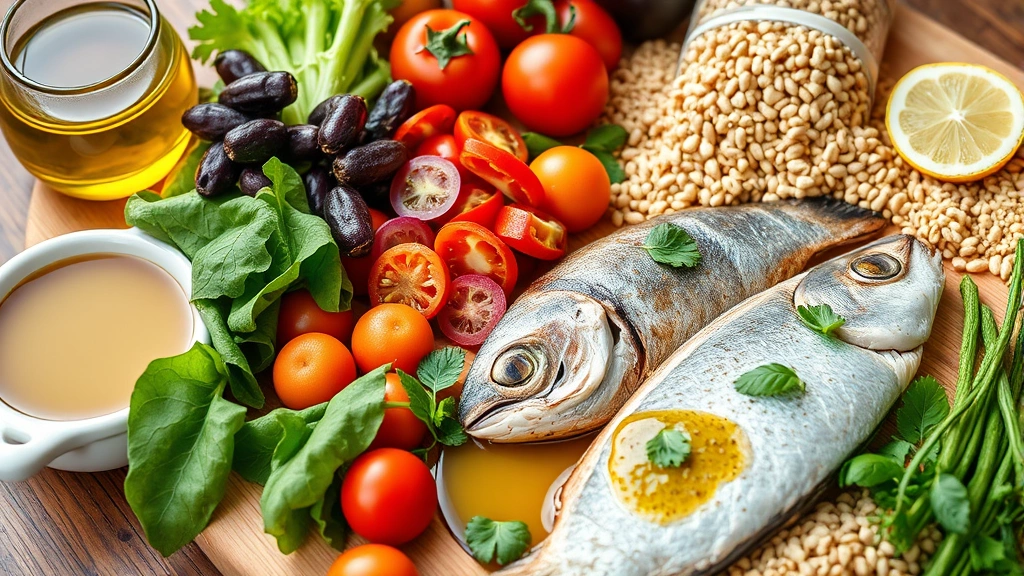
The Mediterranean and DASH diets consistently rank among the most effective and sustainable approaches, emphasizing vegetables, fruits, whole grains, lean proteins, and healthy fats. These patterns naturally support caloric control while providing superior nutritional density compared to processed alternatives.
Protein and Whole Foods as Foundation
Protein deserves special attention in any weight loss strategy. This macronutrient offers multiple advantages: it increases satiety, requires more energy to digest (thermic effect), and helps preserve muscle mass during caloric restriction. Whey protein shakes for weight loss provide a convenient option for meeting daily protein targets, especially for those with limited meal preparation time.
Whole foods should form the foundation of your diet, providing:
- Fiber from vegetables, fruits, and whole grains for digestive health and sustained fullness
- Vitamins and minerals essential for metabolic function and overall wellness
- Phytonutrients with anti-inflammatory and protective properties
- Satisfying texture and taste without excessive calories
Incorporating best yogurt for weight loss adds protein and probiotics while supporting digestive health. Greek yogurt and Icelandic-style options provide particularly high protein content—up to 20 grams per serving—making them excellent choices for snacking or meal components.
Practical protein sources for weight loss include:
- Lean poultry (chicken breast, turkey)
- Fish and seafood rich in omega-3 fatty acids
- Eggs and egg whites
- Legumes and plant-based proteins
- Low-fat dairy products
- Protein supplements when whole food options are inconvenient

Exercise and Physical Activity Integration
While nutrition drives weight loss, exercise amplifies results and provides essential health benefits beyond the scale. Physical activity improves cardiovascular health, strengthens bones, enhances mental well-being, and increases metabolic capacity. The Physical Activity Guidelines for Americans recommend 150 minutes of moderate-intensity aerobic activity weekly, combined with strength training twice weekly.
Understanding the best time of day to exercise for weight loss helps optimize consistency and results. While individual preferences matter, morning exercise often supports better adherence and may enhance metabolic benefits throughout the day. The most effective exercise timing is simply when you’ll exercise consistently.
A comprehensive fitness approach includes:
- Cardiovascular exercise (walking, running, cycling, swimming) for calorie expenditure and heart health
- Resistance training to build and preserve muscle, which increases resting metabolic rate
- Flexibility work (yoga, stretching) for injury prevention and recovery
- Incidental activity (taking stairs, parking farther away, standing meetings) that accumulates throughout the day
For busy professionals, shorter, high-intensity workouts can provide equivalent benefits to longer moderate-intensity sessions. A 20-30 minute strength training session or high-intensity interval training (HIIT) delivers significant metabolic benefits when performed consistently.
Behavioral Strategies for Long-Term Success
Weight loss success ultimately depends on sustainable behavior change. Research in behavioral psychology reveals that small, incremental changes prove more effective than dramatic overhauls. This aligns with the concept of how to maintain weight loss through effective strategies for long-term success, which emphasizes gradual lifestyle integration rather than temporary restrictions.
Effective behavioral strategies include:
- Self-monitoring through food journaling or tracking apps, which increases awareness and accountability
- Goal setting using SMART criteria (Specific, Measurable, Achievable, Relevant, Time-bound)
- Environmental modification by removing temptations and making healthy choices convenient
- Social support through friends, family, or support groups for motivation and accountability
- Stress management through meditation, exercise, or therapy to address emotional eating
- Sleep optimization (7-9 hours nightly) to regulate hunger hormones and support weight loss
Identifying personal triggers for overeating—whether stress, boredom, social situations, or specific foods—allows you to develop specific coping strategies. Some people benefit from eliminating trigger foods entirely, while others learn to enjoy them in moderation through portion control techniques.
Working with Weight Loss Professionals
Professional guidance significantly improves weight loss outcomes, particularly for those with significant weight to lose or underlying health conditions. Finding a weight loss specialist near you provides access to personalized strategies based on your unique health profile, preferences, and goals.
Different professionals offer complementary expertise:
- Registered Dietitian Nutritionists (RDN) create evidence-based meal plans and provide nutrition education
- Obesity Medicine Physicians offer medical oversight and may recommend pharmacological support when appropriate
- Exercise Physiologists design safe, effective fitness programs tailored to your fitness level
- Behavioral Health Specialists address psychological factors contributing to weight gain
The American Association of Clinical Endocrinologists and American College of Endocrinology provides resources for finding qualified obesity medicine specialists in your area. These professionals stay current with latest research and can adjust strategies based on individual response and changing health status.
Medical supervision becomes particularly important if you have diabetes, hypertension, cardiovascular disease, or are taking medications that affect appetite or metabolism. Professional guidance ensures your weight loss approach supports overall health rather than compromising it.
FAQ
Is rapid weight loss ever appropriate?
Very rapid weight loss (more than 3 pounds weekly) typically results in muscle loss, nutritional deficiencies, and metabolic slowdown. Exceptions exist for medically supervised programs or post-bariatric surgery protocols, but gradual weight loss proves superior for long-term success and health preservation. Consulting with healthcare providers ensures your approach matches your specific situation.
Can you lose weight without exercise?
Weight loss primarily depends on creating a caloric deficit through diet, making exercise technically optional for weight loss alone. However, exercise provides numerous health benefits beyond weight loss, including cardiovascular improvement, muscle preservation, mental health enhancement, and improved metabolic health. The combination of nutrition and exercise produces superior results compared to either approach alone.
What’s the best diet for weight loss?
The best diet is one you’ll follow consistently. Research shows that adherence matters more than the specific diet type. Mediterranean, DASH, low-carb, and plant-based diets all produce weight loss when caloric intake is controlled. Your ideal approach depends on personal preferences, cultural background, food tolerances, and lifestyle factors.
How long until weight loss results appear?
Initial weight loss (primarily water) may appear within days, but meaningful fat loss typically becomes noticeable after 2-3 weeks of consistent effort. Progress isn’t always linear—some weeks show no change despite perfect adherence due to hormonal fluctuations, water retention, or muscle gain from exercise. Tracking measurements and how clothes fit provides better progress indicators than daily scale readings.
Can supplements replace a healthy diet?
Supplements support but cannot replace whole foods as the foundation of weight loss. While protein supplements like weight loss shakes offer convenience, whole foods provide fiber, micronutrients, and satiety that supplements cannot fully replicate. Use supplements strategically to enhance an already-solid nutrition plan, not as substitutes for healthy eating.
What if weight loss plateaus?
Plateaus occur as your body adapts to caloric restriction and as you lose weight (smaller bodies require fewer calories). Breaking through plateaus may require adjusting caloric intake slightly lower, changing exercise routines, improving sleep, managing stress, or increasing protein intake. Patience is essential—many plateaus resolve naturally with continued consistency over 2-4 weeks.


