
Southern Diet Secrets for Weight Loss? Emmy’s Tips for Sustainable Success
When we think of Southern cuisine, images of fried chicken, biscuits and gravy, and sweet tea often come to mind. But what if we told you that Southern hospitality and traditional cooking methods could actually support your weight loss journey? Emmy’s approach to Southern-style eating proves that you don’t have to abandon your culinary heritage to achieve your health goals. By making strategic modifications to classic recipes and embracing the community-focused values that define Southern culture, you can enjoy delicious food while steadily losing weight.
The key to Emmy’s success lies in understanding that weight loss isn’t about deprivation—it’s about making informed choices that align with your lifestyle and preferences. Southern cooking, with its emphasis on fresh vegetables, lean proteins, and hearty flavors, offers surprising opportunities for healthy eating. From garden-fresh produce to heritage cooking techniques that predate modern processed foods, the South has a rich tradition of nourishing meals that can support your wellness goals. This guide explores Emmy’s proven strategies for adapting Southern favorites into nutritious, weight-loss-friendly dishes without sacrificing the comfort and satisfaction that make these foods beloved.
Understanding Southern Cooking Traditions
Southern cuisine has deep roots in tradition, resourcefulness, and community gathering. Understanding these foundations helps you appreciate why certain cooking methods became popular and how to adapt them for modern health goals. Traditional Southern cooking emerged from a blend of African, Native American, and European influences, creating a cuisine rich in flavor and cultural significance.
The foundation of Southern cooking centers on whole foods and scratch cooking—elements that naturally align with weight loss principles. Before convenience foods dominated, Southern cooks worked with what was available: seasonal vegetables from gardens, locally-raised meats, and whole grains. This farm-to-table approach, which has become trendy in modern wellness circles, was simply how people ate in the South for generations. By returning to these roots while applying contemporary nutritional knowledge, you can honor tradition while supporting your health objectives.
Emmy’s approach recognizes that cooking methods matter tremendously. Rather than eliminating beloved dishes, she focuses on preparation techniques that reduce unnecessary calories while maintaining authentic flavors. This might mean baking instead of deep-frying, using broths instead of cream-based sauces, or incorporating more vegetables to increase volume and nutrition without excess calories.
Emmy’s Core Principles for Southern Weight Loss
Emmy has distilled her weight loss success into five fundamental principles that guide her daily eating decisions. These principles respect Southern food culture while creating the caloric deficit necessary for sustainable weight loss.
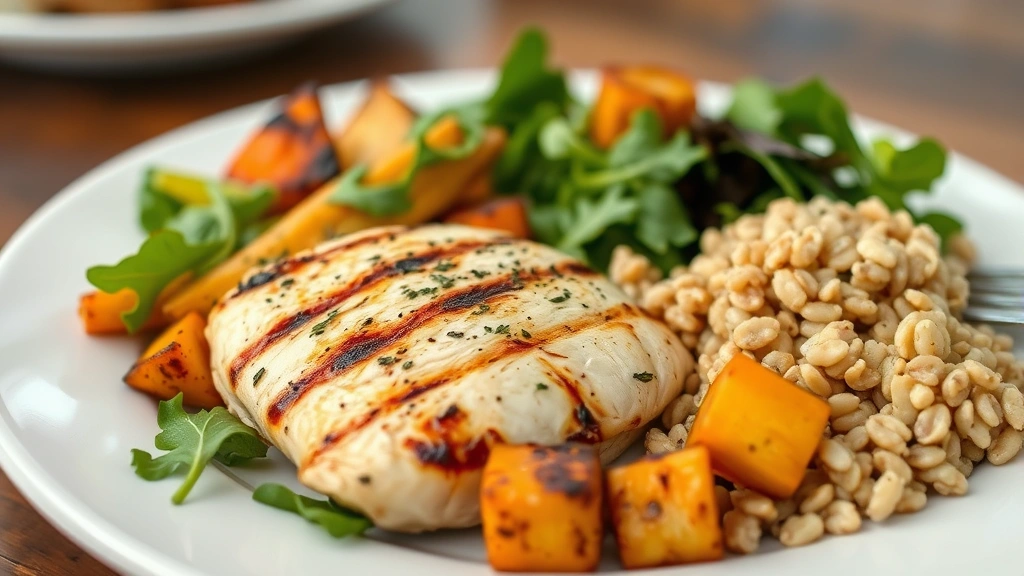
First, embrace lean proteins. Southern cooking traditionally featured pork, chicken, and fish prepared in various ways. Emmy prioritizes skinless poultry, lean cuts of pork, and fish rich in omega-3 fatty acids. A high protein diet approach to weight loss supports muscle preservation during weight loss and increases satiety, helping you feel fuller longer. Grilled chicken breast, baked catfish, and lean pork tenderloin become centerpieces of meals rather than side dishes.
Second, maximize vegetable intake. Southern gardens traditionally produced abundant vegetables—collard greens, okra, green beans, tomatoes, squash, and sweet potatoes. Emmy recommends filling half your plate with non-starchy vegetables, which provides volume, fiber, and nutrients with minimal calories. This strategy naturally reduces portions of higher-calorie components while maintaining satisfying meal sizes.
Third, practice mindful preparation. Instead of deep-frying, Emmy uses air-frying, baking, grilling, and steaming. These methods create delicious, crispy textures without oil-based cooking that adds significant calories. For example, air-fried okra achieves that satisfying crunch without the 200+ calories from traditional deep-frying.
Fourth, control liquid calories. Sweet tea, biscuits and gravy, and cream-based sauces contribute substantial calories without providing lasting satiety. Emmy replaces sweet tea with unsweetened versions, herbal blends, and water infused with fresh fruit. This simple change can eliminate 300+ calories daily.
Fifth, practice portion awareness. Rather than counting every calorie obsessively, Emmy uses visual cues: a palm-sized portion of protein, a fist-sized portion of grains, and vegetables filling remaining plate space. This intuitive approach respects Southern hospitality’s generous spirit while maintaining appropriate portions.
Transforming Classic Southern Dishes
Some of the South’s most beloved dishes can be reimagined to support weight loss without losing their essential character. Emmy has perfected modifications that maintain authentic flavors while reducing caloric density.
Southern Fried Chicken Reimagined: Instead of deep-frying, Emmy prepares chicken using an air fryer or oven-baking method with a seasoned coating. She removes skin before eating and uses buttermilk marinades (which are naturally lower in fat than oil) combined with paprika, garlic powder, cayenne, and black pepper. The result delivers the crispy exterior and savory satisfaction of traditional fried chicken with 60-70% fewer calories.
Biscuits and Gravy: Rather than eliminating this beloved breakfast, Emmy uses whole wheat flour blends for biscuits, reduces butter, and substitutes regular gravy with a lighter version made from lean sausage, low-fat milk, and flour. She enjoys one biscuit with gravy alongside eggs and vegetables, creating a satisfying breakfast that supports her weight loss goals.
Collard Greens and Other Cooked Vegetables: Traditionally prepared with salt pork or bacon fat, collard greens can be delicious prepared with smoked turkey breast or a small amount of bacon for flavor without excess fat. Emmy cooks greens in vegetable or chicken broth, adding garlic, vinegar, and spices for depth. She increases vegetable quantity, making greens a substantial portion of her meal rather than a small side.
Sweet Potato Dishes: Sweet potatoes are naturally nutrient-dense and can support weight loss when prepared mindfully. Emmy bakes them and tops with cinnamon and a small amount of butter, or includes them in vegetable-forward soups and stews. She avoids candied preparations with brown sugar and marshmallows, instead highlighting the natural sweetness and creamy texture.
Cornbread: Made with whole grain cornmeal, reduced oil, and Greek yogurt instead of some butter, cornbread becomes a reasonable addition to meals. Emmy enjoys a modest piece alongside a protein and vegetable-rich meal, treating it as a complement rather than a center.
Protein-Powered Southern Meals
Protein serves as a cornerstone of Emmy’s approach, supporting muscle maintenance, increasing satiety, and boosting metabolism. The South has abundant protein traditions that align perfectly with weight loss nutrition.
Catfish and other Southern fish varieties provide lean protein with beneficial omega-3 fatty acids. Emmy prepares catfish using blackening spices, baking, or gentle pan-searing rather than deep-frying. Shrimp, another Southern staple, offers protein with minimal fat and pairs beautifully with grilled vegetables and brown rice.
Chicken remains accessible and versatile. Beyond fried preparations, Emmy enjoys grilled chicken breast seasoned with Cajun spices, slow-cooked chicken in vegetable-based stews, and shredded chicken in soups. Incorporating adequate protein throughout the day helps maintain energy and prevents overeating at subsequent meals.
Beans and legumes, deeply rooted in Southern cuisine, provide plant-based protein, fiber, and complex carbohydrates. Black-eyed peas, navy beans, and kidney beans appear in traditional dishes and support weight loss through their satiating properties. Emmy prepares bean-based soups and stews that stretch protein across multiple meals efficiently.
Eggs, another Southern favorite, deliver complete protein and choline for brain health. Emmy enjoys scrambled eggs with vegetables, vegetable-packed omelets, and egg-based breakfast casseroles using low-fat ingredients. These preparations provide sustained energy and support tracking progress through consistent eating patterns.
Vegetable-Forward Cooking Strategies
Emmy’s approach centers vegetables not as obligatory sides but as meal foundations. This vegetable emphasis provides volume, fiber, micronutrients, and satiety while keeping calorie density low.
Southern gardens naturally produced diverse vegetables. Emmy capitalizes on seasonal availability, choosing peak-season produce for maximum flavor and nutrition. Summer tomatoes, fall squash, spring greens, and winter root vegetables each bring unique nutrients and culinary opportunities.
Okra, a Southern staple often prepared fried, becomes delicious when air-fried or roasted with minimal oil and flavorful spices. Its natural mucilaginous texture provides satisfaction even without frying oil. Green beans, another garden classic, benefit from cooking methods beyond the traditional butter and cream approach—try grilling, roasting with garlic, or quick-sautéing with lean protein.
Squash varieties—yellow squash, zucchini, and butternut squash—provide versatile, low-calorie bases for meals. Emmy spiralizes them into noodle-like strands, roasts them as sides, or incorporates them into soups and casseroles. Tomatoes, whether fresh or in sauces, add flavor and lycopene without significant calories.
Leafy greens beyond collards—such as kale, spinach, and mustard greens—offer incredible nutritional density. Emmy incorporates these into soups, sautés with garlic, and salads. These nutrient powerhouses support metabolic function and overall health optimization.
Root vegetables like sweet potatoes, carrots, and turnips provide satisfying substance and natural sweetness. Emmy includes appropriate portions in meals, recognizing their nutrient value while maintaining caloric awareness. These vegetables support digestive health through fiber content while providing sustained energy.
Beverage Choices and Hydration
Beverage choices profoundly impact weight loss success, yet this area often receives insufficient attention. Emmy transformed her drinking habits, eliminating liquid calories that previously undermined her efforts.
Sweet tea, a Southern icon, traditionally contains enormous sugar quantities—a gallon of sweet tea can contain 800+ calories and 200+ grams of sugar. Emmy switched to unsweetened iced tea, flavored with fresh lemon, lime, or mint. This simple change eliminated hundreds of daily calories without sacrificing the beverage’s ritual or satisfaction.
Water becomes the primary beverage, flavored with fresh fruit, cucumber, or herbs to maintain interest. Emmy drinks water throughout the day, recognizing that proper hydration supports metabolism and sometimes prevents eating when thirst is actually the issue. Nutritious smoothies made with protein and vegetables can replace higher-calorie beverages when Emmy desires something more substantial.
Coffee and unsweetened tea remain acceptable, providing enjoyment and slight metabolic benefits without caloric burden. Emmy limits added cream and sugar, using unsweetened plant-based milk alternatives when desired. Herbal teas, enjoyed throughout the day, provide hydration and variety.
Alcohol, while part of Southern social traditions, carries significant calories—beer, sweet cocktails, and sweet tea spiked with liquor quickly add up. Emmy limits alcohol to occasional occasions, choosing lighter options like wine or spirits with sugar-free mixers when she does partake.
Building Community Support
Southern hospitality emphasizes gathering, sharing meals, and community connection. Emmy recognized that successful weight loss requires integrating these cultural values rather than abandoning them.
Emmy hosts family dinners featuring her modified Southern recipes, inviting loved ones to enjoy delicious, healthier meals together. Rather than feeling isolated by her weight loss efforts, she creates community around new eating patterns. Family members often adopt these healthier approaches, creating mutual support.
Church gatherings, neighborhood potlucks, and family celebrations—cornerstones of Southern social life—become opportunities for Emmy to bring nutritious dishes that others enjoy. Vegetable-based casseroles, grilled proteins, and whole-grain sides fit naturally into these settings while supporting her goals.
Emmy found accountability partners within her community, sharing her weight loss journey with trusted friends and family members. Regular check-ins, shared meal preparation, and celebrating milestones together transformed her individual effort into a collective experience honoring Southern values of togetherness.
Practical Meal Planning Tips
Emmy’s sustainable success stems from practical meal planning that reduces daily decision-making and ensures nutritious options remain available.
Weekly Preparation: Emmy dedicates several hours weekly to cooking. She prepares grilled chicken breasts, baked fish, and slow-cooked lean proteins that serve multiple meals. She roasts vegetables in bulk, cooks beans, and prepares brown rice or quinoa, creating components she mixes into various combinations throughout the week.
Freezer-Friendly Options: Soups, stews, and casseroles freeze beautifully and provide quick, nutritious meals when time is limited. Emmy maintains a freezer stocked with portioned meals, ensuring she never defaults to convenience foods due to lack of preparation.
Pantry Stocking: Keeping seasonings, spices, and flavor-building ingredients readily available makes healthy cooking enjoyable. Emmy stocks paprika, cayenne, garlic powder, onion powder, cumin, and various vinegars—ingredients that create authentic Southern flavors without adding calories.
Shopping Strategy: Emmy shops the perimeter of grocery stores where whole foods reside, limiting time in processed food aisles. She shops with lists, preventing impulse purchases. She chooses frozen vegetables, which are equally nutritious as fresh and reduce waste and preparation time.
Restaurant Navigation: When dining out, Emmy reviews menus beforehand, identifies reasonable options, and requests modifications—grilled instead of fried, dressing on the side, vegetables instead of fries. She communicates openly with servers about her preferences, often finding restaurants accommodating.
Mindful Eating Practices: Emmy eats slowly, savoring flavors and allowing satiety signals time to register. She eats without distractions, paying full attention to meals. She uses smaller plates, which create visual satisfaction with appropriate portions. She stops eating when satisfied rather than when plates are empty, respecting her body’s hunger and fullness cues.

FAQ
Can I follow a Southern diet and still lose weight?
Absolutely. Emmy’s success demonstrates that Southern cuisine, when prepared thoughtfully, supports weight loss. By modifying cooking methods, controlling portions, emphasizing vegetables and lean proteins, and eliminating liquid calories, you can enjoy authentic Southern flavors while achieving your health goals. The key is making strategic modifications rather than complete elimination.
What’s the most important change Emmy made?
Eliminating sweet tea and other sugary beverages proved transformative for Emmy. This single change removed hundreds of daily calories without requiring her to abandon beloved foods. If you consume sugary drinks regularly, reducing or eliminating them often produces dramatic weight loss results.
How does Emmy handle family gatherings and celebrations?
Emmy prepares healthier versions of traditional dishes to bring to gatherings, enjoys small portions of traditional favorites, and focuses on socializing rather than food-centered activities. She maintains her commitment to her health goals while respecting family traditions and cultural significance of shared meals.
Is keto diet approach necessary for Southern weight loss?
No. Emmy’s approach doesn’t require restrictive diets like keto. Instead, she focuses on balanced nutrition with adequate protein, abundant vegetables, whole grains in appropriate portions, and healthy cooking methods. This sustainable approach suits long-term lifestyle changes better than restrictive protocols.
How long did Emmy’s weight loss take?
Emmy’s weight loss was gradual and sustainable, typically 1-2 pounds weekly—a healthy, maintainable rate. Rather than pursuing rapid weight loss through extreme measures, she focused on building lasting habits. This slower approach resulted in permanent weight loss and lifestyle transformation.
Can I enjoy biscuits and gravy while losing weight?
Yes, with modifications. Emmy uses whole wheat flour, reduces butter, and prepares lighter gravy using lean proteins and low-fat milk. She enjoys one biscuit alongside eggs and vegetables, creating a satisfying breakfast within her caloric goals. The key is portion control and ingredient modification rather than complete elimination.
What about exercise and physical activity?
While this article focuses on nutrition, Emmy combined her dietary changes with regular physical activity. Exercise supports weight loss, improves cardiovascular health, builds muscle, and enhances overall wellness. Consult healthcare providers about appropriate exercise for your fitness level and health status.
How does Emmy maintain her weight loss?
Emmy maintains her weight loss through consistent application of the principles that created it. She continues cooking mostly at home, maintains portion awareness, prioritizes vegetables and protein, avoids sugary beverages, and stays physically active. These habits became lifestyle rather than temporary changes.


