
Exercise Bike for Weight Loss? Trainer Tips Inside
An exercise bike sits in countless homes, gyms, and fitness studios—and for good reason. This low-impact cardio machine offers a practical path to burning calories, building endurance, and supporting sustainable weight loss. Whether you’re recovering from an injury, managing joint pain, or simply seeking an effective home workout, an exercise bike delivers results when combined with proper nutrition and consistency.
But here’s the reality: not everyone sees the same outcomes from cycling alone. Success depends on workout intensity, duration, frequency, and how you fuel your body. In this guide, we’ll explore evidence-based strategies that personal trainers use to maximize calorie burn, boost metabolism, and help clients achieve their weight loss goals through stationary cycling.
How Exercise Bikes Support Weight Loss
Exercise bikes create a caloric deficit—the fundamental requirement for weight loss. When you expend more energy than you consume, your body taps into stored fat for fuel. Unlike running or high-impact activities, stationary cycling minimizes joint stress while still delivering significant cardiovascular benefits.
The mechanism is straightforward: pedaling increases heart rate, engages large muscle groups (quadriceps, hamstrings, glutes, and calves), and elevates metabolic activity. Over time, consistent cycling strengthens these muscles, which boosts your resting metabolic rate—meaning you burn more calories even at rest.
Research from the Centers for Disease Control and Prevention confirms that moderate-to-vigorous aerobic activity supports weight management and reduces disease risk. Cycling fits perfectly into these guidelines.
What makes exercise bikes particularly effective for weight loss is accessibility. You can control resistance, duration, and intensity without weather concerns. This consistency matters more than intensity alone—showing up regularly beats sporadic extreme efforts.
Calorie Burn: What to Expect
Calorie expenditure during cycling depends on several factors: body weight, workout intensity, bike resistance, and your fitness level. A 155-pound person cycling at moderate intensity (12-14 mph) burns approximately 260 calories in 30 minutes. That same person pedaling vigorously (16-19 mph) burns around 390 calories in half an hour.
Heavier individuals burn more calories performing the same activity. A 185-pound cyclist burns roughly 311 calories at moderate pace and 467 at vigorous intensity during 30 minutes. These numbers illustrate why consistency matters—regular sessions accumulate significant weekly calorie expenditure.
However, calorie burn alone doesn’t guarantee weight loss. You must also address nutrition. Many people overestimate calories burned and underestimate calories consumed, negating their workout efforts. This is where proper nutrition planning becomes crucial.
For sustainable weight loss, aim for a 500-750 calorie daily deficit through combined diet and exercise. This creates 1-1.5 pounds of weekly loss—a healthy, maintainable pace. Crash diets and extreme calorie restriction often backfire, leading to muscle loss, metabolic slowdown, and eventual weight regain.
High-Intensity Interval Training (HIIT) on Your Bike
HIIT workouts amplify results in shorter timeframes. Instead of steady-state cycling for 45 minutes, you alternate between intense effort bursts and recovery periods. This approach maximizes calorie burn and triggers metabolic improvements that extend beyond your workout.
Sample HIIT Protocol:
- 5-minute warm-up at easy resistance
- 30 seconds maximum effort (high resistance, fast pedaling)
- 90 seconds easy recovery pace
- Repeat intense/recovery cycle 8-10 times
- 5-minute cool-down
This 25-30 minute session burns comparable calories to 45-minute steady rides while creating a metabolic afterburn effect. Your body continues burning elevated calories for hours post-workout as it restores oxygen levels and repairs muscle tissue.
HIIT also preserves muscle mass better than long, slow cardio sessions alone. Since muscle tissue is metabolically active, maintaining it supports your long-term weight loss success. Beginners should start with lower intensity ratios (20 seconds hard, 40 seconds easy) and progress gradually to prevent injury and burnout.
Personal trainers often recommend combining HIIT sessions with steady-state rides. Perhaps two HIIT workouts weekly plus one or two moderate 45-minute rides creates balance, prevents adaptation plateaus, and reduces injury risk.
Building Sustainable Cycling Habits
Weight loss success depends on habits you can maintain for months and years, not weeks. Many people start cycling intensely, experience initial results, then quit when motivation fades or life gets busy. Building sustainable habits requires strategic planning.
Schedule Your Rides: Treat cycling like a non-negotiable appointment. Whether morning, lunch, or evening, consistency matters more than timing. Most people succeed with 4-5 weekly sessions of 30-45 minutes.
Make It Enjoyable: Listen to podcasts, audiobooks, or music during rides. Watch cycling videos or virtual courses (like Zwift). Boredom kills adherence. Find what keeps you mentally engaged.
Track Progress: Monitor distance, time, resistance levels, or heart rate. Seeing improvements motivates continued effort. Apps and bike computers make this simple.
Find Accountability: Join cycling classes, find a workout buddy, or post progress updates. External accountability strengthens commitment.
Consider how cycling fits with other lifestyle factors. Can you maintain this alongside work, family, and sleep? If cycling requires sacrificing sleep or causes excessive fatigue, adjust frequency or intensity. Sustainable beats perfect.

Nutrition and Recovery for Cyclists
Exercise alone cannot overcome poor nutrition. You cannot out-train a bad diet. For weight loss results, you must create a caloric deficit through both movement and mindful eating.
Fuel Your Rides: Pre-ride nutrition depends on timing. For early morning sessions, a small snack (banana, toast with peanut butter) 30-60 minutes before helps. For afternoon rides after eating lunch, you may need nothing extra.
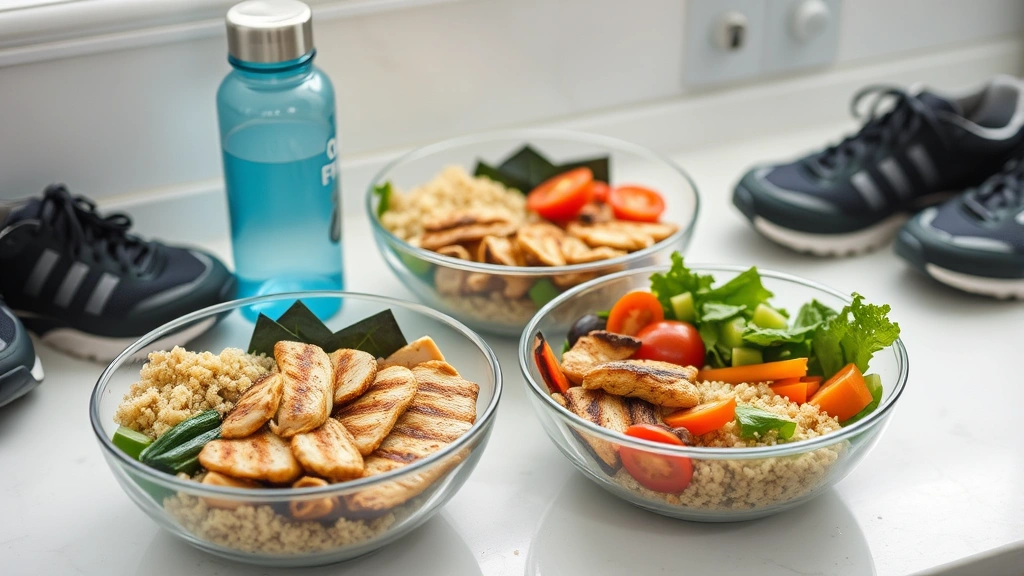
Post-ride, consume protein and carbs within 2 hours. This refuels muscle glycogen stores and supports recovery. Protein shakes offer convenient options, or eat solid foods like yogurt with berries, chicken with rice, or eggs with toast.
Hydration Matters: Dehydration impairs performance and recovery. Drink water before, during, and after cycling. For rides exceeding 60 minutes, consider electrolyte drinks to maintain sodium balance.
Overall Calorie Balance: Track your total daily intake honestly. Many weight loss plateaus stem from underestimating food calories while overestimating exercise burn. Apps like MyFitnessPal help identify patterns.
Protein Priority: Consume adequate protein (0.7-1g per pound of body weight daily). This preserves muscle during calorie deficit, increases satiety, and supports recovery from cycling workouts.
Sleep and stress management also affect weight loss. Poor sleep increases hunger hormones and cravings. Chronic stress elevates cortisol, promoting fat storage. Aim for 7-9 hours nightly and manage stress through meditation, yoga, or cycling itself.
Common Mistakes That Limit Results
Mistake #1: Inconsistent Effort — Casual, low-intensity cycling burns minimal calories. You should feel breathless during moderate sessions and unable to speak during intense intervals. If you can sing, increase resistance or speed.
Mistake #2: Ignoring Nutrition — Cycling 30 minutes doesn’t justify eating an extra 500 calories. Weight loss requires overall dietary awareness. Many people sabotage workouts through poor food choices.
Mistake #3: Neglecting Progression — Your body adapts. If you’ve cycled the same resistance and duration for months, results plateau. Gradually increase resistance, duration, or intensity every 2-3 weeks.
Mistake #4: Unrealistic Expectations — Sustainable weight loss averages 1-2 pounds weekly. Anyone promising faster results likely involves unhealthy practices. Patience and consistency beat quick fixes.
Mistake #5: Skipping Strength Training — Cycling alone doesn’t build significant muscle. Adding 2 days of strength training (focusing on legs, core, and upper body) enhances results, improves cycling performance, and boosts metabolism.
Mistake #6: Poor Recovery — Overtraining without adequate rest causes fatigue, increased injury risk, and plateaued progress. Rest days allow adaptation and muscle growth. Aim for at least one complete rest day weekly.
Some people also make the mistake of comparing their journey to others. Genetics, age, hormones, medication, and medical history all influence weight loss rates. Your path is unique—focus on your own progress.
If you’re considering medication support alongside exercise, research options like Mounjaro or Hers weight loss programs. Medical professionals can assess whether pharmacological support complements your cycling routine. Similarly, examining successful transformation stories shows how others combined exercise with nutrition strategies.
For dietary approaches, some find structured eating plans like paleo helpful for creating sustainable deficits. The best diet is one you’ll follow consistently.
FAQ
How long until I see weight loss results from an exercise bike?
Most people notice changes within 2-3 weeks with consistent effort and proper nutrition. Visible fat loss typically appears after 4-6 weeks. Remember, the scale doesn’t reflect everything—you may gain muscle while losing fat, showing no scale change despite body composition improvements.
Can I lose weight using an exercise bike alone?
Technically yes, if you create sufficient caloric deficit and maintain it. However, combining cycling with strength training and proper nutrition produces superior results, prevents muscle loss, and improves overall health markers like cholesterol and blood pressure.
How many minutes should I cycle daily for weight loss?
Aim for 150-300 minutes weekly of moderate intensity, or 75-150 minutes of vigorous intensity. This could mean 30 minutes five days weekly at moderate pace, or 25 minutes four days weekly at high intensity. Quality matters more than quantity—consistent, challenging efforts beat long, easy sessions.
Does exercise bike resistance matter for weight loss?
Yes significantly. Higher resistance increases calorie burn, engages more muscle fibers, and builds strength. Progressive resistance challenges prevent adaptation plateaus. Start at a comfortable resistance where you can maintain good form, then gradually increase.
Is stationary cycling better than other cardio for weight loss?
No single cardio form is universally superior. Cycling offers low-impact benefits ideal for joint health, consistency, and enjoyment. Running burns slightly more calories per minute but causes more impact stress. The best cardio is whatever you’ll do consistently. Many successful people combine multiple modalities.
Can I combine exercise bike workouts with strength training?
Absolutely—this is ideal. Alternate cycling days with strength training, or do lighter cycling on strength days. This combination preserves muscle during calorie deficit, improves metabolic rate, and prevents overuse injuries.
What if I have joint pain or injuries?
Consult your healthcare provider or physical therapist. Stationary cycling is generally gentler on joints than running, but specific conditions require specific modifications. A professional can assess your situation and recommend appropriate intensity and resistance levels.


